Editor” interview: ChatGPT‑4 as a NYC Big 5 Picture Book Editor

Things went kablooey this month when my intended interview subject–a human picture book editor–was unable to participate in time for this month’s post. It happens. I totally get it.

As a result, I figured I had three choices.

  1. Skip posting this Monday and see if anyone notices. (An internet “If a tree falls in a forest and no one’s around, does it still make a sound?” kind of experiment.)
  2. Run a Best-​of compilation that showcases some of the most memorable editor advice from previous posts.
  3. Do what everyone else seems to be doing–use AI to solve any problem we face.

#1 felt a little sad.

#2 felt like a lot of work.

That left #3 as the not-​quite-​clear-​cut-​option-​but-​else-​can-​I-​do? choice.

While I know there’s no replacement for the human component in creative industries, I’m interested to see how ChatGPT4 will fare–perhaps to smirk-​worthy results. We’ll see!

Rest assured, I’ll have humans partnering with me on future blog posts. Unless this post goes viral and I make a gazillion dollars. If that happens, I reserve the right to reconsider everything. 🙂

**Of course, I asked ChatGPT‑4 to come up with the questions, too, after sharing some of OPB’s previous posts to show the style, format, and sense of humor. It also wrote its own introductory bio, and for some reason, it’s using my last name. I don’t THINK we’re related, though. The images are prompted by ChatGPT‑4 and created in Midjourney, save for the single real-​world book cover–you’ll recognize it.**


This month’s Industry Insider Interview is with the incomparable Reginald Van Cleave, Senior Editor at a prestigious Big 5 New York City publisher. Known for his whimsical imagination and sharp editorial eye, he’s an alchemist of words and images in the world of picture books.

Reginald has been instrumental in the creation of countless award-​winning and bestselling titles. Some of his proudest moments include crafting The Day the Crayons Quit Climate Change and the captivating series, A Tiny Critter’s Big Adventure. With each project, Reginald seeks to blend the delightful with the meaningful, bringing stories to life that both enchant young readers and spark their curiosity about the world.

His journey in the publishing industry began at NYU, where he specialized in Children’s Literature and Art History. This unique combination armed him with a deep understanding of visual storytelling, a skill he wields to great effect in his current role.
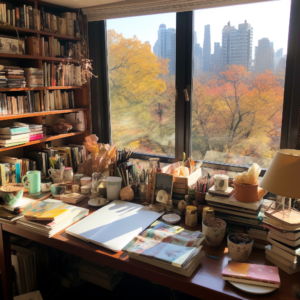
When he’s not orchestrating the grand show of picture book publishing, Reginald indulges in his own secret talents—reading books upside down and perfecting the art of sushi-​making. His office, a creative chaos of sticky notes, vibrant highlighters, and a fortress of picture books, overlooks Central Park—the perfect space for dreaming up the next big hit.

Reginald champions the idea that a picture book is a magic carpet, taking children on journeys of discovery, fun, and learning. He’s like the Pied Piper of the publishing world, leading an ensemble of authors and illustrators in creating symphonies of words and art.

So, buckle up and join us as we dive into the wild, whimsical, and wonderful world of Reginald Van Cleave!


ChatGPT‑4: Can you please share a little about your professional journey that led you to become an editor at a Big 5 NYC publisher?

ChatGPT‑4: My career journey resembles a riveting, multi-​volume epic. It started in the foothills of editorial assistant-​ship where I tackled mountains of paperwork and brewed enough coffee to fill a small lake. From there, I graduated to higher roles, each one a new chapter, until I found my happily-​ever-​after in the world of picture books.

ChatGPT‑4: What first sparked your interest in picture books, and why do you continue to work in this specific genre?

ChatGPT‑4: Why picture books? That’s like asking why a butterfly loves flowers! The way words and images play tag on the pages has always fascinated me. I’m still entranced by this magical game, and it’s my absolute joy to be a part of it.

ChatGPT‑4: Can you describe a typical workday for you? How much of your time is spent in reading manuscripts, editing, meeting authors and illustrators, etc.?

ChatGPT‑4: A day in my life is akin to a three-​ring circus. I’m the ringmaster, gracefully managing a high-​wire act with manuscripts, lion-​taming the artistic egos, and juggling a flurry of meetings—all while trying to stop my coffee from turning into a magic disappearing act.

ChatGPT‑4: What’s your favorite part of your job as a picture book editor?

ChatGPT‑4: It’s when a book transforms from a caterpillar of rough sketches and raw text into a butterfly of full-​page illustrations and polished prose. There’s nothing like witnessing a new story spread its wings and take flight.

ChatGPT‑4: In your opinion, what are the key elements that make a great picture book?

ChatGPT‑4: Picture a cake—words form the sponge base, solid but often unremarkable on its own. The illustrations are the delectable icing, providing a visual feast that draws you in. Then comes the sprinkles—that elusive magic that brings delight, surprise, and depth, turning an ordinary cake into a treat to remember.

ChatGPT‑4: How do you balance the needs of both the child reader and the adult reader when evaluating a picture book manuscript?

ChatGPT‑4: Striking the right balance between adult and child readers is a bit like DJing a family party—you want to keep the kiddos dancing with catchy tunes, while also playing classics the adults can enjoy. It’s about weaving a tale that engages the child’s curiosity and entertains the adult’s sense of humor and insight.

ChatGPT‑4: What is the most common mistake you see from first-​time picture book authors?

ChatGPT‑4: They’re often like eager tour guides who spill all the secrets before the tour has truly begun, leaving no room for the reader’s imagination to explore.

ChatGPT‑4: How has the picture book industry changed since you’ve started working in it?

ChatGPT‑4: Picture books have grown from quaint black-​and-​white television shows to glorious technicolor blockbusters. Today’s books embrace a riot of styles, themes, and voices, with each one a unique portal into a world of wonder.

ChatGPT‑4: Talk about a few of the current trends you’re seeing in the picture book industry.

ChatGPT‑4: Imagine if a robot and a fairy were having a tea party while discussing global warming. Kids crave fun, fantastical elements meshed with real-​world themes that help them understand their place in the universe.

ChatGPT‑4: How do you see the role of diversity and representation in picture books evolving in today’s society?

ChatGPT‑4: Diversity and representation in picture books? It’s like a grand mosaic—each piece is unique, yet when brought together, they create a vibrant, captivating picture. The more diverse our characters and their experiences, the richer and more inclusive our literary landscape becomes.

ChatGPT‑4: What is the role of the editor in shaping and refining the story and illustrations of a picture book?

ChatGPT‑4: As an editor, I’m the friendly ghost, subtly influencing the story, helping authors and illustrators bring their vision to life. It’s like sculpting a topiary—you have to prune here, encourage growth there, until the raw hedge transforms into an intricate work of art.

ChatGPT‑4: Can you share an instance where you helped an author or illustrator significantly reshape their work for the better?

ChatGPT‑4: One memorable transformation involved a princess tale that morphed into an exciting adventure about a royal plumber. It was a change that not only subverted expectations but also promoted the idea of unconventional roles and dreams.

ChatGPT‑4: What do you look for in an illustrator’s portfolio? Any tips for illustrators hoping to break into the industry?

ChatGPT‑4: An illustrator’s portfolio should be a window into their unique world. For illustrators trying to make a mark, think of it like a peacock’s display—be bold, let your colors shine, and don’t be afraid to show off what makes you different.

ChatGPT‑4: How important is the author-​illustrator relationship in creating a successful picture book? How do you facilitate this relationship?

ChatGPT‑4: The relationship between author and illustrator is a well-​choreographed ballet. They must move in harmony, each contributing to the performance while I, the editor, play the role of the conductor, ensuring the show is seamless.

ChatGPT‑4: How do you decide whether a book will be a standalone or part of a series?

ChatGPT‑4: Deciding whether a book will be a standalone or part of a series involves several considerations. Firstly, the story’s narrative arc is crucial. If the plot naturally concludes and satisfies readers within a single book, it may work best as a standalone. However, if the story has the potential for further development, unresolved threads, or a broader story world, a series could be a suitable choice. Market demand and reader engagement also play a role. If a book resonates strongly with readers and shows potential for continued interest, extending it into a series can capitalize on that success. Ultimately, the decision hinges on the story’s narrative possibilities, reader engagement, and market viability.

ChatGPT‑4: Could you please discuss the process of creating a picture book from receiving the initial manuscript to the final publication?

ChatGPT‑4: Creating a picture book is a grand adventure. It begins with the quest for the perfect story (the manuscript), journeys through the realm of art (illustrations), faces trials of refinement (editing), and finally triumphs with the treasure in hand (publication).

ChatGPT‑4: What role do you believe picture books play in child literacy and development?

ChatGPT‑4: Picture books are the stepping stones in a child’s journey towards literacy. They’re like magic carpets that not only transport children into different worlds but also help them navigate the vast seas of language, emotions, and ideas.

ChatGPT‑4: Can you name a picture book you recently worked on that you’re particularly proud of, and why?
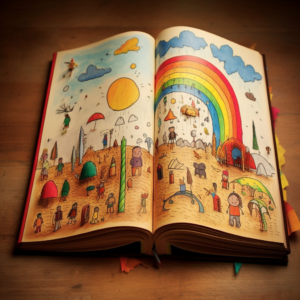
ChatGPT‑4: A recent book I’m particularly proud of is The Day the Crayons Quit Climate Change. It’s a delightful yet impactful tale that combines humor, drama, and a little bit of science to convey a profound message about environmental responsibility.

ChatGPT‑4: How do you handle the tension between commercial viability and artistic creativity when selecting a manuscript?

ChatGPT‑4: Balancing commercial viability and artistic creativity is like walking a tightrope while juggling flaming torches—it’s a risky, delicate act. But with the right mix of intuition, experience, and a dash of daring, it’s an act that often leads to the most exciting and impactful books.

ChatGPT‑4: How does the rise of digital media impact the picture book industry, and how are you adapting to it?

ChatGPT‑4: Well, it’s like discovering a new continent. It brings new challenges, but also new opportunities for storytelling. In this new landscape, we’re learning to create picture books that can leap off the page and come alive on the screen.

ChatGPT‑4: Can you describe some of the challenges of translating a picture book into different languages and cultures?

ChatGPT‑4: Translating a picture book into different languages and cultures is like turning a 2D sketch into a 3D model—you have to consider all the angles, make sure the essence of the story is captured, and that it resonates with the audience, no matter where they’re from.

ChatGPT‑4: How do you handle negative reviews or criticism of the books you’ve edited?

ChatGPT‑4: Handling negative reviews is like wrestling with a rhino—you don’t take it personally, you learn from it, and most importantly, you keep your sense of humor intact. Every book won’t be everyone’s cup of tea, and that’s okay.

ChatGPT‑4: What advice would you give to aspiring authors or illustrators wanting to break into the picture book industry?

ChatGPT‑4: Dive deep into your craft and soak up all the knowledge you can get. Picture books are all about connecting with those little readers, so make sure you understand what makes them tick. Polish your work until it shines brighter than a supernova. Build a portfolio that’s bursting with your unique style and creative genius. Do your homework on publishers who are hungry for picture book magic and follow their guidelines like a boss.

Most importantly, develop a voice that’s unmistakably YOU, something that makes editors go, “Wow, we need more of this!”

ChatGPT‑4: In your opinion, how will the picture book industry evolve in the next five years?

ChatGPT‑4: The picture book industry will continue to evolve dynamically over the next five years. Technology will play a significant role, with digital platforms and interactive experiences becoming more prevalent. We can expect augmented reality and virtual reality elements to enhance storytelling. Diverse voices and inclusive content will gain further prominence, reflecting the diverse world we live in. Collaborations between authors, illustrators, and multimedia experts will push boundaries and create innovative picture book experiences. Sustainability and eco-​consciousness may also become more important themes. Ultimately, the picture book industry will embrace new mediums, perspectives, and technologies, keeping the magic of storytelling alive for young readers.
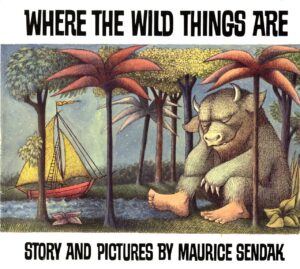
ChatGPT‑4: On a personal note, do you have a favorite picture book from your own childhood? How has it influenced your work as an editor?

ChatGPT‑4: Where the Wild Things Are. It’s an exquisite blend of imagination, emotion, and artistry that captivated me as a child and continues to inspire me as an editor. After all, we’ve all got a little wild thing inside us, haven’t we?

ChatGPT‑4: We’re about to embark on a whirlwind journey, otherwise known as the Lightning Round. Fasten your seat belt and prepare for takeoff, Reginald. Are you ready to blaze a trail through these rapid-​fire questions?

ChatGPT‑4: Ah, the Lightning Round! My teacup is refilled, my monocle is polished, and my wit is at the ready. Let’s dash through these questions with the verve of a zebra galloping across the Serengeti!

ChatGPT‑4: What secret talent do you have that no one would suspect?

ChatGPT‑4: I can read books upside down. Yes, it comes in handy when I’m working across the table from an illustrator!

ChatGPT‑4: You can only eat one food for the rest of your life. What is it?

ChatGPT‑4: Definitely sushi! An endless supply of colorful, bite-​sized stories, each with a surprise inside—much like a picture book, don’t you think?

ChatGPT‑4: Five things we’d see if we checked out your favorite writing/​editing place.

ChatGPT‑4: You’d see: a tempest of sticky notes, a rainbow of highlighters, an army of coffee mugs, a view of Central Park, and of course, a fortress of picture books.

ChatGPT‑4: What’s the One That Got Away?

ChatGPT‑4: A tale about a stubborn unicorn who refused to believe in humans. It was whimsical, heartwarming, and unfortunately, slipped through our fingers.

ChatGPT‑4: Who sets the standard for writing picture books with heart?

ChatGPT‑4: It has to be Mo Willems. His Pigeon, Elephant, and Piggie have moved us to tears and laughter in equal measure, all while teaching us a thing or two about friendship and perseverance.

ChatGPT‑4: Write a haiku that sums up your picture book philosophy.

ChatGPT‑4:

Words and pictures dance,
Children’s laughter the sweet tune,
Magic in their hands.

ChatGPT‑4: This has been fun and interesting. Thanks for playing along.

ChatGPT‑4: Ah, well, it’s been an absolute delight waltzing through this whimsical wonderland of questions with you. As we close this chapter and look to the next, remember, dear reader, that in the world of picture books, anything is possible. So, keep turning the pages, keep dreaming in color, and most importantly, keep the kettle on for that next cup of imagination-​infused tea. From my circus of manuscripts to yours, thank you and happy reading!
Editor Interview: Hilary Van Dusen

This month’s Insider Interview is with Hilary B. Van Dusen, senior executive editor at Candlewick Press. As of 2021, she’s acquiring titles for MIT Kids and MITeen.
Hilary is the editor of award-​winning nonfiction titles including Courage Has No Color: The True Story of the Triple Nickels by Tanya Lee Stone; Jazz Day: The Making of a Famous Photograph by Roxane Orgill, illustrated by Francis Vallejo, The Impossible Rescue: The True Story of an Amazing Arctic Adventure by Martin W. Sandler, Schomburg: The Man Who Built a Library by Carole Boston Weatherford, illustrated by Eric Velasquez, Beyond Magenta: Transgender Teens Speak Out by Susan Kuklin, and Ada and the Galaxies by Alan Lightman and Olga Pastuchiv, illustrated by Susanna Chapman.

What a list, right?

Many of the nonfiction books she acquired explore social issues, science, and/​or history, so clearly there’s an interest there which we’ll explore below! Before she took over MIT Kids and MITeen, Hilary also edited middle grade and young adult fiction by such authors as:

Let’s learn more about Hilary right now!


RVC: So, I’m going to start with something most people won’t relate to, but I suspect you will. Despite me putting “Ryan G. Van Cleave” on my published writing, I regularly get called “Mr. Cleave” or “Mr. Van” or something equally mindboggling. Is it fair to assume you experience your own version of this gaffe?

HVD: Ok, not the question I was expecting, but, yes, having a two-​word last name is a challenge, not to mention a first name that can easily be misspelled. Luckily for me, though, in my professional life, I am usually referred to by my first name, but when the two-​name thing comes up, I get Ms. Dussen–which is not only incorrect, but incorrectly spelled and pronounced!

RVC: On a scale of smiling rainbow unicorns to apocalyptic acid storms, where do these kinds of missteps fall for you?

HVD: There are two smiling rainbow things that used to happen more frequently than it does now. I share a last name with a pretty well-​known retired adult editor from Harper. When I go to conferences, I will often be asked if I am his daughter. For the record, I am not! But the idea of a legacy career makes me a bit warm and fuzzy.

I am also asked if I am married to author-​illustrator Chris Van Dusen… nope, not that either.

RVC: For the record, I’m also unaffiliated with the jewelry brand Van Cleef & Arpels as well as the actor Lee Van Cleef, as much as I wish it were otherwise. Now that THAT’s out of the way, let’s talk picture books. How has your personal experience with picture books from your childhood informed your approach to editing and selecting new projects?

HVD:  I am the youngest of 4 kids and had the benefit of a library built by my siblings before me. There were the standards like Winnie the Pooh and Dr. Seuss (I memorized The Cat in the Hat and astonished my babysitters that I could “read”), but I also made frequent trips to the library and was given free reign of the children’s room with the limit of 5 books per visit, according to Mom.

RVC: Oh yeah. I know all about those Mom-​created book limits!

HVD: Having that freedom to choose books, the time to ponder my choices, and a home atmosphere that was conducive to spending time (a lot of time) with books, gave me an almost innate understanding of how books can be and should be part of a kids’ life, whether for pleasure or for information. As I grew into my editing career, I concentrated on nonfiction books, because I wanted to publish true stories–incredible stories that don’t need to be made up, stories that hold attention like any piece of fiction.

RVC: How did you land your first editing job?

HVD: I went the internship route, but how I got my first internship is a bit of a story in itself. I was introduced to Anita Silvey, then Editor in Chief of The Horn Book, through the former children’s book editor of The Boston Globe (back when there were regular children’s book reviews in The Globe). She happened to be one of the moms who led a playgroup for my buddies and me when we were preschoolers.

RVC: Lucky you!

HVD: There I was in college, looking for a summer opportunity, and contacting a writer for the The Boston Globe, someone who hadn’t known me since I was 4 years old–a little daunting at the time, but she was incredibly gracious and helpful. Anita Silvey and her staff took me on as a summer intern, which led to a January internship, and a job offer before I graduated from college. Working as an editorial assistant at the Horn Book was like going to grad school. I handled and read every children’s book published for about 2 ½ years before I took an editorial job at Viking.

RVC: What was the first nonfiction picture book you worked on solo?

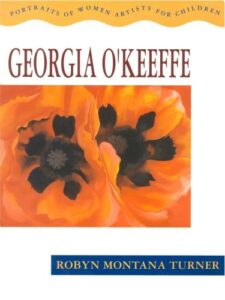
HVD: I worked on my own books when I took a job at Little, Brown in the late 80s, early 90s. I started a picture book series called Portraits of Women Artists by Robyn Montana Turner that featured such greats as Frida Kahlo, Mary Cassatt, Georgia O’Keeffe, and others. Working on those books ignited my fire for editing nonfiction.

RVC: What lesson(s) did that book series teach you?

HVD: The Portraits of Women Artists series gave me a crash course in clearing permissions for images and how those permissions influence a book’s budget. That series also showed me how telling a person’s life story through their art can be an inspiring way to talk about a person.

RVC: You’ve worked on a lot of books between then and now. I’m curious about your current thinking as an editor. How do you balance the need for concise and straightforward text with the desire to create engaging and memorable storytelling in picture books? And has that idea changed over the years?

HVD: Good question. Many of the authors I am working with now come from STEAM fields and not necessarily from the children’s book writer community. Many of them are experts in their fields of interest or research, who are committed to reaching children to introduce STEAM concepts. The editing process revolves partly around working with them to think about the audience and how to engage them with the facts with concise language and partly around making sure the narrative arc is successful. As an editor I am committed to planting the seeds of topics that children may not have thought about or been exposed to in a way that will inspire them to want to learn more or dive deeper into a topic.

RVC: You have been especially committed to books about history and culture. Is that a fair statement?

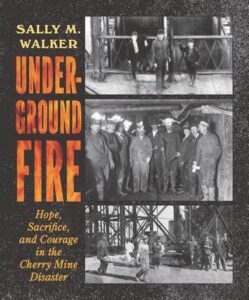
HVD: Yes, that is true. I believe that looking at where we we’ve come from can tell us a lot about where we are today. For instance, I published Underground Fire: Hope, Sacrifice, and Courage in the Cherry Mine Disaster by Sally Walker. That book is centered around a disastrous mine fire, and in the telling covers migrant workers, mine safety reform, and response to tragedy–all topics that are relevant today.

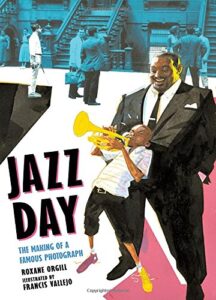
RVC: Let’s talk about a history/​culture picture book mentioned in the introduction—Jazz Day: The Making of a Famous Photograph by Roxane Orgill. How did that project come about?

HVD: I had been working with Roxane Orgill on a few books prior to Jazz Day. She ran across the iconic photo of the jazz musicians and researched the photographer and how the photo came about. Turns out it was an incredibly interesting progression of events. She proposed the idea of telling the story of the photograph–an idea that I loved for the reasons stated in my answer to the question above. It was literally a snapshot of a moment in time that said so much about the past, present, and future.

RVC: How does your editorial process differ with poetry (like in this book) instead of a prose manuscript?

HVD: Editing poems that also cumulatively tell a story is different in some ways from editing prose but the same in others. The narrative arc of the whole story has to be taken into consideration and once that is set, the editing is much more at a line and word level. Every word in a poem has a purpose and a beat that needs to be considered. And in the case of Jazz Day, the poems were conveying information about the time and place in history. It takes several passes through the work to address all of those things in an edit. Not to mention conversations with the author about particular words, the placement of the words, and the need (or not) for them.

RVC: At what point did you realize Francis Vallejo was the right illustrator for the job?

HVD: Francis Vallejo was new to children’s books, but an obvious bright star. The then Artistic Director, Chris Paul, showed me his samples, and it took very little convincing to know he was perfect for the job and Roxane Orgill agreed. He had an interest in jazz music, he was willing to work with the photograph and incorporate it into the book. He also did a ton of research and modeling to get everything right–he was incredible to work with.

RVC: People believe you can’t judge a book by its cover, but is that axiom true for picture books? Please explain the importance of a strong and eye-​catching cover design for a picture book and how that factors into your editorial decisions.

HVD: The way we create picture books at Candlewick, the cover comes late in the process, after the text is final and the sketches are done. At the point we are designing a cover, many editorial decisions have been made about the book as a whole, but deciding on the right image for the cover is one of the biggest editorial decisions. We want the cover to be representative of what the reader is going to get inside without giving too much away. We want the image to draw in people who glance at it for a few seconds on a shelf. We also want it to be a draw at the size of a thumbnail on a web page. We consider the weight or importance of the bylines in relation to the imagery. If the book is funny, the image needs to convey that, or mindful… you get the idea. But there is also the consideration of trends or standing out from trends. I could write about this for pages, but I think I’ve addressed the basics!

RVC: Let’s help out some aspiring writers. In your experience, what are the most effective ways for picture book authors and illustrators to build a dedicated readership and fan base?

HVD: Beyond writing a book that will attract readers, it’s important for creators to engage with their audience in some way, either through social media and blogging or doing visits to school, festivals, bookstores. The school and library piece cannot be underestimated.

RVC: Totally agree!

HVD: Find ways to engage with teachers and librarians about your work and how it can be used with kids. Publishers do not have a marketing budget to put behind every book, so sometimes it is up to the author to do more legwork in terms of publicity. Lastly, keep writing and publishing, so that you have new titles to talk about and work with. Keep working on your craft so that the next book tops the last.

RVC: Speaking of building a fan base…let’s talk social media. While you have a private Instagram account and you joined Twitter in 2009, you don’t seem especially active online. How purposeful is that choice?

HVD: I am a pretty private person. I believe in a hard line between my professional life and my personal life, which is why I don’t engage much on social media. A public fan base or discussion about my work or my authors on social media is not why I do what I do. I also have published a few books that are often banned, and I do not want to be subjected to the wrath of the banners out there!

RVC: One final question for this part of the interview, Hilary. It’s Brag Time! What’s an upcoming project or two that you’re really excited about?

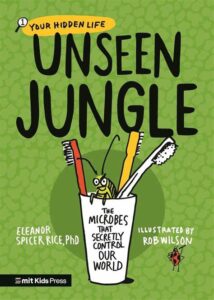
HVD: Just coming out is Unseen Jungle: The Microbes That Secretly Control Our World, the first book in a young middle grade series called Your Hidden Life by Eleanor Spicer Rice and illustrated by Rob Wilson – it’s simultaneously hilarious, gross, informative, and entertaining in a you-just-can’t‑look-away way. (Talk about covers… Unseen Jungle has a cockroach on a toothbrush on the cover!) I’m also excited about a stylish and beautiful picture book biography called Santiago Saw Things Differently by debut author Christine Iverson and illustrated by Luciano Lozano about the father of neuroscience Santiago Cajal, an artist at heart, who, through his art, discovers the truth about neural pathways.

RVC: Alright. With that, it’s time to shift gears from Standard OPB Interview Stuff to Lightning Round OPB Wondrousness. Clearly, speed and succinctness are at a premium, because, well, lightning! Are you ready for the challenge?

HVD: Bring it on, Ryan!

RVC: Who’s your all-​time favorite picture book character?

HVD: How can I play favorites???? There are so many I love! Lyle the crocodile, Mercy Watson, the pig, the sheep in Sheep in a Jeep, the Lion in Library Lion, the list goes on (interesting that these are all animals, what does that say about me? Maybe I shouldn’t ask? 😊).

RVC: What book(s) are on your nightstand right now?

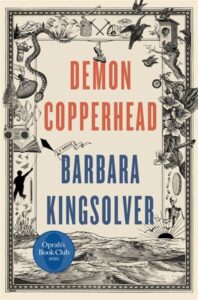
HVD: Demon Copperhead, The Personal Librarian, and The Emperor of All Maladies.

RVC: If someone narrated your life, who would you want to have the job?

HVD: Kate DiCamillo.

RVC: What’s the One That Got Away?

HVD: Chris Van Dusen, when I worked at Little, Brown. Ironically, I ended up working for his publisher in the end.

RVC: What’s the last picture book that actually made you LOL?

HVD: Every one of Jon Klassen’s books.

RVC: Describe the perfect picture book in three words.

HVD: Narrative. Art. Seamless.

RVC: Thanks so much, Hilary!

Agent Interview: Joyce Sweeney (The Seymour Agency)

This month’s Insider Interview is with Joyce Sweeney! Here in Florida, Joyce is a legendary figure who ran one of the most successful kidlit writing coach businesses—dozens of Joyce’s clients found publication thanks to their help and guidance. Joyce is a well-​published author on their own, too, having written more than a dozen novels for young adults.
A few years ago, Joyce became a literary agent for The Seymour Agency, and that’s where they’re dealing with picture books on a more regular basis.

Let’s hear from Joyce directly about this new career!


RVC: You’re clearly an animal lover–I saw your recent FB post where you talk about your dear friend at Flamingo Gardens…who happens to be a rescue crow.

JS: My husband and I are both dedicated animal lovers and rescuers. Most of our pets have been rescues and when we get free time, like last Saturday, we head to the wildlife areas immediately. I think I have done so well in nonfiction picture books because I have a great eye for nature and wildlife stories.

RVC: We’ll circle back on animals in a moment. In the meantime, tell me about your relationship with books as a kid.

JS: My mother was a book lover, who was actually shamed by her parents for “reading too much” and not going outside. So, I grew up showered in Little Golden Books and being read to all the time. Picture books transported me because story and art are possibly my two favorite things. One of my favorite “picture books” as a preschooler was a book of Chinese poetry for adults with beautiful watercolors. I pored over that book.

RVC: What specifically appealed to Young You about the art?

JS: It was unlike anything else I had seen. Watercolor art and scenes of Asian life. It was so beautiful!

RVC: Let’s jump ahead a bit. What future did you imagine for yourself when you attended Wright State University?

JS: I was planning to be the next JD Salinger. I got closer than I thought I would!

RVC: I assume you’re saying that because you had your own books published and not because of other Salingeresque things (being a hermit, refusing to be edited, suing your biographer, offering a residency for a cartoonist at your house, etc.).

JSYes, I was talking about his impact on teens through his writing.

RVC: Roger that! Please share how your five-​week classes at the Florida Center for the Book turned into the robust writing coach business that you did for so many years.

JS: I was in a rhythm of teaching regular classes at the library and there would be repeat students. I’d say, “How has your writing been going?” And they’d say, “It was great during the class, but then I stopped.” So, I realized writers needed a “never-​ending class” and I started one. People started getting published and the rest is Magic Bean history.

RVC: For those who don’t know, what’s the Magic Bean reference?

JS: When I started teaching ongoing workshops, and people started getting published, we decided there should be some kind of prize given out. I had a friend who had just gone to Costa Rica and she discovered the beautiful seeds of the Guanacaste tree. They seemed perfect. So, anyone I have helped, when they are traditionally published, they get one.

I think it was Sherri Winston who coined “magic beans.”

RVC: What’s one of your favorite success stories from your coaching days?

JS: Can’t choose! During the first two years of that class, I saw the launch of Alexandra Flinn, Dorian Cirrone, Noreen Wald (Nora Charles), Gloria Rothstein, Sherri Winston, and a slew of others. It was thrilling.

RVC: It sure sounds like it! Now, one of the things you’re famous for is being a true coach—caring and supporting your clients well beyond anything story related. What’s your secret?

JS: I care. I mean I really do. I know how they feel. I’ve lived everything, good and bad, that they go through. A writer starts talking to me, I want to put everything down and listen. And I can usually find a hopeful direction for them to take.

RVC: From my perspective, it looked like business was booming. Why make the switch to agenting?

JS: I really love change and I really love a challenge. This was a big one and it came out of left field because it was offered to me rather than something I went after. Nicole Resciniti [President of The Seymour Agency] surprised the heck out of me during a lunch meeting by just springing it on me. But she pointed out, “You’ve been doing this job for years. This just takes it to the next level.”

And she was right.

RVC: Why is The Seymour Agency a great fit for you?

JS: I think because of the tone Nicole sets. We have that same urge to mentor, nurture, make dreams come true. All the agents at Seymour support and help each other to an unbelievable extent. It’s a loving, supportive atmosphere. I’ve never been at another agency, but I think our vibe is quite rare.

RVC: Describe a typical workday as an agent.

JS: That’s the beauty of it–there’s no such thing. This morning, I have to sign off on a contract for a client, execute a contract with a new client, read several new picture books some clients want me to see, send out a middle grade on submission, and have a phone meeting with one of my favorite clients. There will be about twenty surprises that come in on top of that. The days literally fly by.

RVC: What is the most common misconception about agenting?

JS: That agents don’t care or take clients’ hopes and fears lightly. We think about all of them all the time.

RVC: What’s the story of—and behind—your first picture book sale?

JS: My lovely friend and client Mindy Weiss runs a little showcase on Twitter called Picture Book Party. My first year as an agent, I found several manuscripts I loved, including a lyrical PB called Peaches by Gabriele Davis. I remember telling my husband about it and saying I wished I could have Peaches but that writer is too good for a beginning agent. But we had a phone interview and Gabriele and I really clicked and she picked me!

RVC: Congrats on that!

JS: She is a dream client. She works hard and participates in the process well. A few months after we went out, we had two R&R’s [revise and resubmits] and from that came her sale to Abrams.

RVC: When might we see Peaches?

JS: It comes out next spring, and this book will always be special to me.

RVC: How do you collaborate with your clients to develop their picture book projects before submitting them to publishers?

JS: It’s an ongoing process. It’s not just how to edit or tweak what they have, but as they submit and start to get industry feedback, we have to collaborate on how to brand them, how to develop their uniqueness into something editors will clamor for. It takes a lot of time and thought to position a client to make a sale.

RVC: How do you balance the commercial appeal of a picture book with its artistic and literary merits?

JS: I think in kidlit, artistic and literary merit is PART of commercial appeal, because a lot of sales are awards driven or based on educational value, etc. The best projects always have both: literary and artistic merit and commercial hooks.

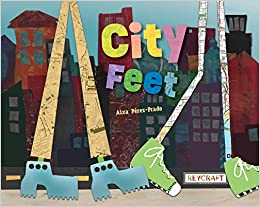
For example, there’s City Feet by Aixa Perez-​Prado, which is my first client book to come out just this past January. It’s so fun and kid friendly because of the rhythm and fun of the text and the kooky, funky shoes, but it also has Aixa’s beautiful, mixed-​media art, the multilingual text, and most fun for me, maps of cities around the world embedded in the collages.

RVC: Share an example of a picture book project that presented unique challenges or learning experiences.

JS: I had an author illustrator who kept getting the note that they loved her story but not her illustrations. That’s hard for an artist to hear. But she did the bravest thing I ever saw. She took a year off to raise her game, studying every technique she could find. She was already a trained artist, but she pushed it further. I admire that kind of dedication so much. I believe she is on the brink of her first sale right now.

RVC: I sure hope so–it sounds as if she earned it. Let’s talk about the business side of things. How do you stay updated on the latest industry news, trends, and best practices to best serve your clients?

JS: We have regular agency meetings, trainings, and updates. I get a slew of industry newsletters every day and I learn a lot just from interactions with editors and listening closely to what they’re saying. I hold regular meetings with clients and big group meetings about twice a year and try to brief them on the “state of the industry.” Plus, we have a Facebook page where they all share info they are finding out.

RVC: What challenges do you see facing the picture book industry today, and how can authors and illustrators adapt to these changes?

JS: It’s a robust industry and I’m thankful for that. The challenges seem to come and go. COVID was a challenge, paper costs was a big problem, then general supply chain issues. What I am seeing now is some editor burnout, I think from surviving all the things I mentioned above.

RVC: I’m seeing some of that, too.

JS: The good thing is, kids want and need books and that never changes.

RVC: In addition to your novels, you’ve published a number of poetry chapbooks. How does your work as a poet inform how you work with picture book texts?

JS: Sometimes I can make a really good editorial suggestions, like “end the line on THAT word.” That knowledge comes from poetry. And I definitely know good lyricism when I read it.

RVC: Talk to me about those magical power lunches. How often do they happen? What goes on? Do you split dessert or does everyone get their own? 

JS: The first rule at The Seymour Agency…the agent pays for everything. We are hosting and treating our clients and it’s a great, relaxed way to really talk in depth. I knew so many great local writers from Florida SCBWI and a lot of them became clients, so I can see them anytime. But some of my clients also travel and make regular pilgrimages, which I love.

It’s good to be Florida based. Everyone wants to come here.

RVC: Complete the sentence. Joyce Sweeney is an agent who…

JS: cares about your career and is responsive to your needs.

RVC: One last question for this part of the interview. What are some upcoming projects that you’re especially excited about?

JS: Barefoot Books is launching a series called OUR WORLD that takes a creative approach to showing different countries and cultures. I have two clients participating in that: Aixa Perez-​Prado for Argentina and Ana Siqueira for Brazil.

RVC: Okay, Joyce…it’s time for the LIGHTNING ROUND! Zippy questions and zappy answers, please. Are you ready?

JS: I was born ready!

RVC: Magic beans, magic wands, or magic hats?

JS: I actually have all three. Doesn’t every agent?

RVC: Most underappreciated astrological sign?

JS: Scorpio (yes, I am one). But we always get the “murderer” meme. And we are really very loving, protective people.

RVC: Favorite cat joke/​pun?

JS: An old woman was walking along the beach with her cat. She found a magic lamp and a genie appeared. He gave her three wishes. First, she wished to be young and beautiful. Granted. Then she wished to be rich. Granted. Third wish. She looked at her cat and said, “Turn him into a handsome young man.” Granted and the genie disappeared. The cat, now a handsome young man, stood before the now young beautiful, rich girl. And he said, “Aren’t you sorry you had me neutered?”

RVC: Favorite picture book that features an animal protagonist?

JS: Olivia!

RVC: What’s the last picture book that made you LOL?

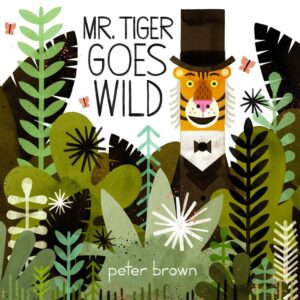
JS: I read Mr. Tiger Goes Wild over and over.

RVC: Your picture book philosophy in five words or fewer. 

JS: Think like a child!

RVC: Thanks so much, Joyce! 

JS: Thank you! These were great questions!!!

Editor Interview: Lauri Hornik (Rocky Pond)

This month’s Industry Insider is with Lauri Hornik, President and Publisher at Rocky Pond.
Normally, I write my own super nifty version of an interview subject’s bio with the occasional extra-​helping of literary levity, but I found this one at the Penguin website, and it namedrops so many AWESOME books that I’m just rolling with this.

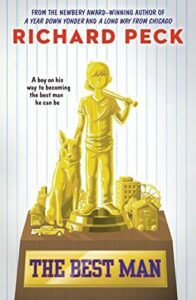
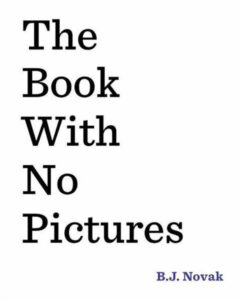
Lauri began her career as an editorial assistant at Houghton Mifflin Children’s Books in 1988, right after graduating from Harvard. She moved to New York City six years later as Senior Editor at Bantam Doubleday Dell, and then joined Penguin in 1999 as Editorial Director of Dial. In her time at Penguin, she has edited the National Book Award Finalists A River Between Us by Richard Peck and The Rules of Survival by Nancy Werlin; New York Times Bestsellers The Book With No Pictures by B.J. Novak, Counting by 7s by Holly Goldberg Sloan, If I Built a School by Chris Van Dusen, and the Ordinary People Change the World series by Brad Meltzer and Christopher Eliopoulos; Caldecott Honor Book One Cool Friend by Toni Buzzeo and David Small; Coretta Scott King Honor Books How I Discovered Poetry by Marilyn Nelson and The Moon Over Star by Dianna Hutts Aston and Jerry Pinkney; Sydney Taylor Book Award winner Dancing at the Pity Party by Tyler Feder; Boston Globe–Horn Book Honor Books It’s Only Stanley by Jon Agee and The Best Man by Richard Peck; and Sibert Honor Book Turning 15 on the Road to Freedom by Lynda Blackmon Lowery.”

Thank you, Penguin/​Random House website! And whew in terms of accomplishments, right?

Let’s get to know Lauri a bit better now via the interview. Here we go!


RVC: What were some of your earliest-​but-​vital experiences with books?

LH: Ooh, I love this question, because my childhood engagement with books was definitely a sign of what was to come!

When I was eleven and obsessed with Judy Blume’s novels, I wrote her a fan letter in the form of a short story, and she wrote back a personal note in the margins of her printed bio. I still have and cherish that note.

RVC: Lucky you!

LH: I loved reading and writing so much that in middle school I created a story publishing business: I wrote romance stories that I then made copies of and sold at school for a quarter. I was so annoyed when one of my friends would buy the story and share it with everybody else so that I only made 25 cents per story–my first experience of the realities of publishing!

RVC: Oh yeah. I’ve been there–that dreaded secondhand story market in elementary school. I figured I’d make a zillion buckeroonis with my Muppets “Pigs In Space” fanfiction, but it didn’t happen. (True story!) Back to you. At what point did you realize you were going to have a career in the world of stories?

LH: Beside my little business in middle school, you mean?

RVC: Yep!

LH: When I was in college, I spent a few summers editing school publications, including a Let’s Go travel guide. It was great fun and solidified my interest in working in books.

RVC: Your first book-​world gig was as an editorial assistant at Houghton Mifflin Children’s Books. What AHA moments did you have there?

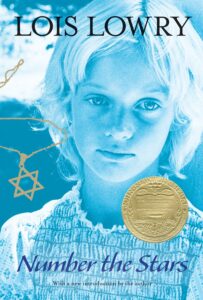
LH: I think the whole first year was one long aha moment. I had thought I’d be working in adult fiction publishing because those were the books I was reading at the time. But the job I found right out of college was in children’s books, and it was an instant fit–a very lucky path to have stumbled upon. I remember talking on the phone to Margret Rey (of Curious George fame) on day one, and also the joy, sometime in that first year, of being able to write the jacket flap copy for Number the Stars. (My mother still has a copy on her bookshelf: It was a big deal in our family.)

RVC: What was one of the most memorable early-​career experiences with editing a picture book?

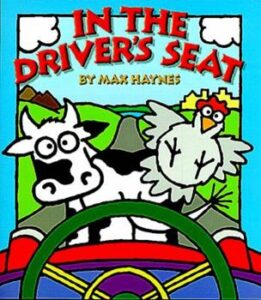
LH: Some of the illustrated books I remember most dearly are ones in which the author, illustrator, and I took risks with the format. In my early years at Bantam Doubleday Dell, I edited two exquisite and emotional storybooks, Buoy by Bruce Balan and Raúl Colón and Sky Memories by Pat Brisson and Wendell Minor, both of which took the picture book approach to an older reader. Unfortunately, neither really found its audience, but I cherish those books and am glad that we tried something different. I also remember the joy of collaborating with Max Haynes on an interactive picture book called In the Driver’s Seat that put the child behind the steering wheel. It was one of my first picture books as an editor, and such fun to work with Max on it.

RVC: Let’s leap to the present. Rocky Pond. How/​why did it come about, and what makes a Rocky Pond book a Rocky Pond book?

LH: I was the publisher of Dial Books for Young Readers for about twenty years–an extremely satisfying position to have had. But at some point during the pandemic, I realized that I wanted much more time for my own editing rather than supervising a team. There were books that I really wanted to pursue and develop–namely books with mental health content. This had been an interest of mine for quite some time, but I hadn’t had the space to really focus on building the list of mental-​health-​related books that I knew were deeply needed.

So, I launched Rocky Pond Books in the fall of 2022, and the first title published this past January. On the list you’ll find a focus on social-​emotional learning, the mental illness experience, and also some Jewish content. That’s another personal interest of mine, and another subject matter that’s quite needed.

RVC: As President and Publisher, what’s the most difficult aspect of your work?

LH: The most difficult aspect is also one of the best aspects: the juggle of so many different tasks and projects. From the start I’ve loved this career for its variety; there is always a task waiting that suits my current mood, and no two projects are the same experience. But it’s also a career that requires many different skillsets and the ability to keep jumping from one thing to another, and since a publisher works with so many different people (authors, illustrators, agents, colleagues from various teams in the company), there’s also the need to be responsive to whatever your work partners throw at you.

Some days there are more balls in the air than I can keep aloft.

RVC: Describe a typical workday.

LH: My last answer hinted at the reality that there is no typical workday. One day I might spend all of my time line-​editing a novel, the next I might be reading manuscript submissions for two hours, writing online copy for another hour, and then attending meetings the rest of the time (and fitting email into any empty minutes). Some of my favorite meetings are conversations with authors and illustrators and design meetings where I talk through picture book sketches with the art director and the book’s designer. In general, I’m spending lots of time reading or tinkering with words, both those written by authors and those I need to write myself to spread the word about the books.

RVC: In looking at picture books you’ve published over the years, you’ve got some real craftspeople when it comes to language. What are your thoughts on rhyme and some of more formal elements of poetry? 

LH: I’m a fan of rhyming picture books, as long as the rhyme isn’t dictating the story. The story needs to be as well told in rhyme as it would have been in prose, but when an author has that skill, it can be such a delicious read-​aloud experience. And beyond that, I do look for picture book texts that are lyrical or otherwise express a lot of personality through word choice.

RVC: Who are some of the books you’ve edited that showcase rhyme done well?

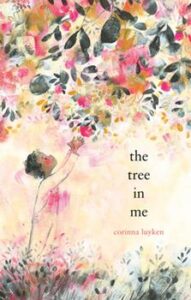
LH: A few great examples in terms of rhyme are Jon Agee’s It’s Only Stanley and Lisa Wheeler’s Someone Builds the Dream. And for lyricism, it doesn’t get better than The Uncorker of Ocean Bottles by Michelle Cuevas and The Tree in Me by Corinna Luyken.

RVC: Something I’ve noticed about the books you seem to like is that there’s a strong sense of community to them.

LH: Yes, I am always most drawn to books that demonstrate how crucial and sustaining relationships are to one’s life, so children’s books about friendship and family and community are closest to my heart. The Uncorker of Ocean Bottles is about community stepping in for a neighbor who is alone. I’ll soon be publishing Lawrence & Sophia by Doreen Cronin and Brian Cronin, a picture book about an unlikely friendship between a boy and a bird, and how this friendship helps them both contend with anxiety. Charlotte Cheng and Amber Ren’s Night Market Rescue is about finding family. And you’ll definitely keep seeing this focus on my list.

RVC: Let’s help some of the aspiring picture book authors out there. What kinds of things are NOT a great fit at Rocky Pond?

LH: I’m not looking for board book originals and easy-​to-​reads. Books about science and nature will most likely not be a fit. Fairytale retellings will usually not be a fit. And books without any underlying meaning aren’t for me, but I’m also not looking for books in which the message is too overtly therapeutic.

RVC: This isn’t a picture book question, but I have to ask. What was your favorite Richard Peck experience/​story?

LH: Oh, Richard! He taught me so much through the years, and became such a dear friend. I miss him and think about him all the time. Thank you for asking about him. One of my favorite memories is of Richard coming into the office while we were working on The Best Man. He had figured out the final chapter–those perfect three pages. And he sat at my table and read that new chapter aloud to me.

It was one of those rare moments in life–of awe and exhilaration and clarity. I’m very grateful for that memory.

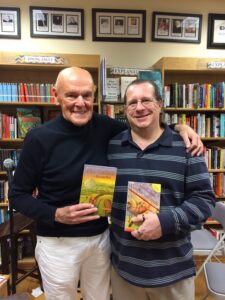
RVC: Richard did a reading here in Sarasota a year or so before he passed. I got to hang out with him a bit after the reading—he was a sweetie. Very generous.

Ryan and Richard!

RVC: One more out-​of-​nowhere question. What’s something most people don’t know about B.J. Novak’s terrific The Book With No Pictures?

LH: B.J. puts so much care and study into his work, and with The Book With No Pictures, the look of the pages was an important part of the reading experience, one that he had thought about extensively before sharing the project with anyone. And so, when it was submitted to me for possible publication, it came as a composition notebook with each designed page attached to the notebook’s blank pages with paper clips. That way it could be read for the very first time in book form. I still have that original version.

RVC: If I asked B.J. what it was like working with you as an editor, what do you think he’ll say?

LH: I like to think he would talk about me and the book’s designer, Lily Malcom, as great collaborators who were willing to try all sorts of ideas before making decisions. We three had an intense and wonderful time working on the book together.

RVC: Last question for this part of the interview. It’s brag time. What should readers be excited about in terms of forthcoming Rocky Pond projects?

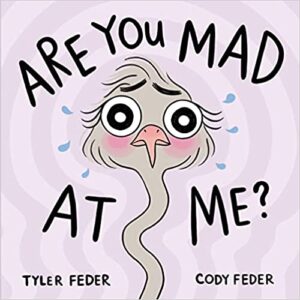
LH: I’ve mentioned a few upcoming beauties already, but here are a few more: Daniel Salmieri (the illustrator of Dragons Love Tacos) is the author/​illustrator of a meditative, gorgeous, meaningful book called Before, Now, which uses a spare text of opposites to convey the whole world of one girl’s life, from babyhood to grandma-​hood. Tyler Feder, the creator of Bodies Are Cool, has collaborated with her sister, Cody Feder, on a picture book about a socially anxious ostrich; it’s called Are You Mad at Me?, and it’s so fun while also being so helpful. And Casey W. Robinson and Nancy Whitesides have a touching picture book called Small Things Mended, about a grieving man who finds joy and purpose again with help from the kids in his neighborhood.

RVC: Alrighty, Lauri. It’s time for the SPEED ROUND. Let’s blast through some questions and get zoomy with those answers. Are you ready?

LH: Take it away!

RVC: Which character from The Office do you most admire?

LH: Andy Bernard–he bounces back from disappointments with so much energy and eternal hope.

RVC: If you could travel back in time, what year would you choose to go to?

LH: 2004, to re-​experience my first year as a mom.

RVC: What picture book creature do you wish really existed?

LH: Frog and Toad.

RVC: What are five things we’d see if we peeked in your office?

LH: A bright yellow sofa, various penguin knickknacks, a Newport Folk Festival poster, a can of Diet Coke, a dog bed for my puppy Peach.

RVC: What’s a recent picture book that deserved way more buzz?

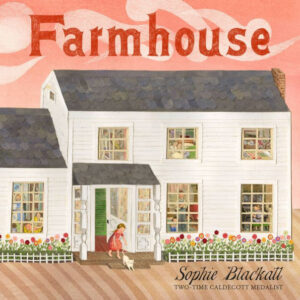
LH: I was blown away by Sophie Blackall’s Farmhouseso meaningful, with an art-​creation process like no other. Even though it was acclaimed, I would have like to have seen it get Caldecott notice.

RVC: What’s the best compliment you ever heard about one of the books you edited?

LH: About 20 years ago I edited a picture book called The Sea Chest by Toni Buzzeo and Mary GrandPré, and my young nephew announced that it was his very favorite book. In fact, when he met Toni Buzzeo at a bookstore appearance, he told her, “I re-​read your book before coming here to make sure that it really was my favorite, and it IS!” The best compliment is one that comes from the intended audience!

RVC: Thanks so much, Lauri!

Agent Interview: Jennifer Rofé (Andrea Brown Literary Agency)

Help me welcome this month’s Industry Insider guest, Jennifer Rofé, a senior agent at Andrea Brown Literary Agency! Welcome, welcome, welcome!!!
As much as I truly enjoy creating snarky biographical introductions for OPB guests, when I see something great that someone else created, I must acknowledge it. Given that, here’s Jennifer’s fantabulous Twitter bio.

Children’s lit agent with @AndreaBrownLit who dreams about being a bakery-​owning cowgirl. Never mind that I don’t bake or have a horse. (she/​her)”

Wow, right? [Making a note to improve my own social media bios in light of seeing this one!] 

And since it’s been a few months since we’ve done a Fun Facts section and I miss their pithy biographical goodness, we’re going to finish this introduction with a “7 Fun Facts about Jennifer” list. Here goes!

  • My first job was writing for a wine trade magazine, and they hired me because I knew nothing about wine. I didn’t even know what Merlot was.
  • My favorite color is yellow.
  • My favorite band is, and always has been, and always will be, the Indigo Girls.
  • My comfort meal is white rice with a fried egg and plátanos.
  • Things I love? “Troublemakers,” sass, underdogs, talking animals, and magic.
  • I am good at dream interpretation.
  • I love hidden passages and secret rooms. One day, I will have a house with both.

Thanks so much for that, Jennifer. Now let’s all zip ahead to the interview and uncover a bit more of the elusive recipe for how a literary agent superstar is made!


RVC: Whenever I have a name question, I now ask it aloud instead of quietly wondering about it in silent semi-​embarrassment. It’s a 2023 resolution of mine! So, here come two questions. 

1) Do you prefer Jen or Jennifer? 

Formally, like for work announcements, I go by Jennifer. But in life, I prefer Jen. So please call me Jen.

2) How do you say your last name?

JR: Row-fay. The accent on the e makes it a hard “a.”

RVC: Gotcha. Thanks for that! Now, you earned a BA in English with a minor in Social and Ethnic Relations from UC Davis. What was the intended career plan with that?

JR: Hahahahaha! I have no idea what the intended career plan was. As I was in line graduating college, I realized that I maybe should have studied Classics and Business. But it all worked out. Seems like it was a bit of a winding road, but in hindsight, I can see how I was getting here all along.  

RVC: You worked as a middle grade teacher for five years. What was the best thing(s) about that time in your life?

JR: Those kids were the best. Except for one class that drove me to drink spiked hot tea in the bathtub!

RVC: Oh, I’ve been there, too.

JR: I always appreciated the kids who other teachers didn’t like.

  • The “troublemaker” who was actually very intelligent. (I’m certain this kid is now either an entrepreneur or a criminal.)
  • The kid who came from a family of underperforming students and so the same was expected of him, but he was very smart. (I helped this child get into a private high school.)
  • The kid who brought a water squirter to school and stood behind a post to spray friends during the passing period. (On the inside, I was laughing, but I had to pretend to be mad.)

Being in middle school can be hard, but there’s something about that time that is a magical twilight.

RVC: What was your teaching superpower?

JR: I was good at bringing the low-​performing students to level, and the principal started intentionally giving me those students. I loved working with those kids, and I really didn’t do anything different with them than I did with my more achieving students. I knew they could get it done and I treated them accordingly.

RVC: What convinced you to make the move from teaching to agenting?

JR: I long knew that I wanted to do something pertaining to children’s media. I thought maybe cartoons, but then I had a summer internship at Disney and it was miserable. Then I thought maybe educational publishing, so perhaps I should become a teacher first, which I did. I also always liked kidlit, and I would wander the bookstores perusing the children’s section, but working in traditional publishing never occurred to me.

Then one day, the office admin at the school where I was working asked what I was doing over the weekend, and I told her I’d probably go to Borders (a blast from the past!) at some point to look at books. She said I should go to Book Passage instead, which is a fantastic indie bookstore in the Bay Area, where I had been living at the time. When I got back to school Monday morning, she had put in my box the monthly newsletter from Book Passage. I noticed that they offered workshops, and there was an upcoming one on children’s literature. Lemony Snicket, Megan McDonald, and an editor from Chronicle were presenting. And so was Literary Agent Andrea Brown.

I remember thinking, What’s a literary agent?

I signed up for the conference–which was a lot of money for me at the time–just to find out what a literary agent is. On the last day of the conference, Andrea presented, and I thought, That’s what I’m going to do. I approached her after and asked how I get her job. And here I am.

RVC: Wow!

JR: That office admin has no idea how she changed my life.

RVC: Who was the first client you signed? 

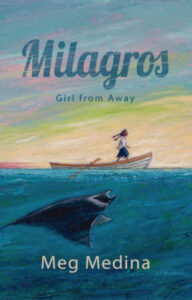
JR: The first client I signed on my own, in 2006, was Meg Medina, for her first book Milagros: The Girl from Away.

RVC: What was the tipping point with that book? What moved you to an “I’m taking it!” decision?

JR: The tipping point happened very quickly–on page 1. And that’s because even though Meg was writing about a fictional island, I could tell immediately that it was influenced by Cuba. My mom was born and raised in Cuba until her family fled the country, and I recognized Cuba from stories I had been told. In fact, if I recall correctly, I believe one of the first things I said to Meg when we spoke was, “You’re writing about Cuba, aren’t you?”

RVC: It’s clear that you’re deeply invested and interested in identity both from the projects you rep and how you represent yourself in the world.

JR: What most interests me about identity is how we’re perceived versus who we know ourselves to be or who we can become, and how that intersects. For instance, when Stranger Things came out, Joyce was my favorite character. She was perceived as a crazy, kooky lady, but she was right all along, and that nobody listened to her didn’t stop her from doing everything to save her son. Eventually, everybody got on board with Joyce.

In story, I am most interested in the character who is misunderstood, underestimated, overlooked. Even the students I appreciated the most when I was teaching were the ones who were underestimated.

RVC: What do you think is the most common misconception people have about the intersection of identity and writing?

JR: No identity is a monolith.

For instance, I’m half Cuban. Some would assume that I’m Catholic or that my mom’s family went to Miami after fleeing. Neither is true. We’re Cuban Jews, and my mom’s family ended up in Los Angeles.

The nuances of identity are infinite.

RVC: Let’s help writers by digging into industry specifics. Some agencies pass around queries/​manuscripts. How often does that happen at ABLA (the cool acronym for the Andrea Brown Literary Agency)?

JR: Every day.

RVC: What’s something most people don’t know about ABLA

JR: I don’t know if people really understand how collaborative we are. I talk with my colleagues every day, we help each other every day, and our hive-​mind approach has made us a strong, dynamic agency.

RVC: If I asked your ABLA colleagues what your agenting superpower is, what might they say?

JR: My in-​house nickname is Bonus Queen. I’m good at getting creative bonus language in contracts. And it’s so satisfying when those bonuses come through and clients earn additional money.

RVC: What’s your ACTUAL agenting superpower?

JR: When it comes to writers, I’d like to think I’m good at asking the questions that encourage them to pinpoint precisely what they’re trying to accomplish or say with a story. When it comes to illustrators, I’m good at spotting potential in the unexpected. For example, I came across the work of a fine artist whose style I thought would translate to picture books. And we very quickly landed her a picture book.

RVC: What trends is ABLA seeing in terms of picture book submissions?

JR: In terms of submissions we receive, we’re recently seeing texts about gardens, food, identity, and Christmas. There’s also been an uptick in stories that take place outside of a contemporary world–fantasy-esque, I guess you could say.

 RVC: I have two words for you. Big + Sur. 

JR: One of my favorite weekends of the year. ABLA runs the Big Sur Writers Workshops in Big Sur, CA, and Cape Cod, MA. Imagine being surrounded by fellow writers in clean, coastal air, workshopping your manuscript with small groups that are led by conference faculty, going away to revise for hours, strolling the redwoods or the sand to think, attending craft sessions from faculty, dining with colleagues. It’s a magical weekend.

 RVC: What’s a success story that emerged out of Big Sur?

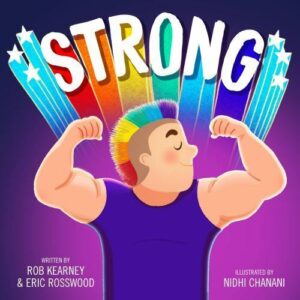
JR: We have several Big Sur success stories–writers or illustrators who have joined ABLA or who have found other agencies and have gone on to get published. Two current successes that come to mind are Eric Rosswood, whose picture book Strong recently won the Stonewall Honor, and Angela Joy, whose picture book Choosing Brave has earned an impressive list of accolades, including most recently a Caldecott Honor.

RVC: You’re known for your The “So What?” Factor presentation.

JR: “So What?” started when I was teaching eighth graders essay writing. If Kayla stated that plastic bottles are polluting our oceans, her next sentences had to explain the “So What?” of this statement. This matters because…. And so on. At some point, I realized that I could do this with clients. If a plot point happens in the story, then there needs to be a “So What?” of that moment.

RVC: Why do you think the presentation is so popular? 

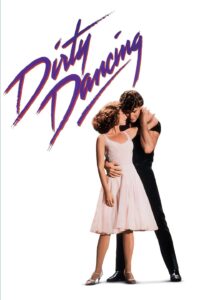
JR: I think this presentation became popular because it’s a simple way to think about how you’re moving your story forward. If X happens, then Y. And if you can’t figure out the Y, then rethink the X. Applying this to TV shows and movies is a great way to get the hang of it. Dirty Dancing is an excellent “So What?” vehicle. Johnny is accused of stealing wallets.

  • So What? Baby knows he couldn’t have stolen the wallets because she was with him all night.
  • So What? Protecting Johnny will mean that everybody learns what Baby has been hiding, including her parents.
  • So What? Their perception of her is going to be shattered.
  • So What? Well, lots of things, including that Baby needs that to happen so that she can come into herself as an independent young woman. Also, the dad is going to face his own biases and limitations. Everything that happens in that movie matters and moves the plot forward.

I haven’t entirely pinpointed how to do this with picture book texts because there is variation in the format. It can still generally apply, like with a more narrative structure, but concept books, for instance, might not have a “So What?” I believe I first started “So What?” as an agent with Mike Boldt! When he shares a new idea with me now, he often comes prepared with the “So What?” on hand.

RVC: What’s your best tip for ensuring the “So What?” game stays generative and supportive?

JR: You can certainly “So What?” your manuscript into oblivion. The core of it is understanding how each of your plot points moves the story forward and impacts your characters in a way that matters to the story.

RVC: How often do you participate in other workshops/​conferences?

JR: I mostly participate in SCBWI conferences, but I took a break after having my second child four years ago. Then COVID happened. But I’m slowly starting to do more conferences again. I enjoy them. They satisfy the teacher in me.

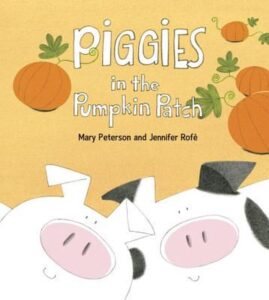
RVC: You’re an author, too. How did Piggies in the Pumpkin Patch come about?

JR: That was a happy accident. Mary Peterson was working on the story and we were doing a lot of back-​and-​forth, when suddenly I could see what the story needed. I asked her if I could take some extreme liberties with the text, and she said yes. So, I did, and we decided to team up.

RVC: What’s the most useful lesson that came about from that book?

JR: That revising is really hard. We almost quit during revisions. The experience helped me understand what writers go through. I am a more empathetic agent because of that experience.

RVC: In this post-​COVID world, I like to ask a health and wellness question in interviews. Here’s yours. What do you do to de-stress? 

JR: I build and remodel houses in my mind—I remodel mine almost daily—and look at homes/​interior design stuff online. If I weren’t working in publishing, I’d be interested in working in construction.

RVC: One last question for this part of the interview. What forthcoming projects are you especially excited about? 

JR: I’ll talk only about picture books that have been announced so I’m not spoiling secrets. The dynamo duo of author Dev Petty and illustrator Mike Boldt have a book publishing this year called Elmore the Christmas Moose. It’s a hilarious story about a moose who applies to be one of Santa’s reindeer, except he can’t fly. They also have a second Life Lessons from Chip the Dog book coming next spring, this one called Don’t Trust Cats.

RVC: OPB did an interview with Dev right here! What else are you stoked about?

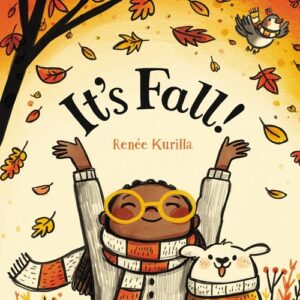
JR: Author-​illustrator Sasha Mayer has her first book in a new series coming, called Squash, the Cat. It’s a funny and joyful story about a girl named Maggie and her best friend, Squash, who is her cat. And author-​illustrator Renée Kurilla has a book called It’s Fall coming this year. It’s a rhyming story about the delights of fall, and it’s illustrated in a limited fall palette. It’s cozy and wonderful.

RVC: Alright, Jen. You’ve been waiting for it. I’ve been waiting for it. The OPB audience has been waiting for it. And it’s now here!! THE SPEED ROUND!!! Lightning-​fast questions followed by shockingly short answers, please. Are you ready?

JR: Yes.

RVC: Guiltiest reading pleasure?

JR: I don’t feel guilty about any of it.

RVC: If someone narrated your life, who would you want to be the narrator? 

JR: Marin Ireland.

RVC: Which Indigo Girls song would make the best picture book? 

JR: My heart bursts that you ask this question because nobody ever has. And I know the answer because I’ve spent time thinking about it. It’s “Power of Two.” The illustrations would depict a parent picking up a child from school, and then they go on a drive to have a picnic and hike around and play in a field of sorts. Or something like this. Sorry this wasn’t a short answer!

RVC: What’s the One That Got Away?

JR: I will never, ever tell.

RVC: When your kidlit career is finally complete, what text should be on the career tombstone?

JR: “So What?” Juuuust kidding.

RVC: Thanks so much, Jen! This was a real treat.

JR: Thank YOU, Ryan!

Editor Interview: Maria Modugno (Random House)

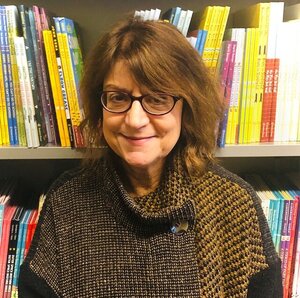
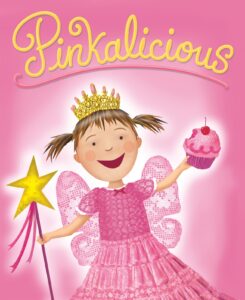
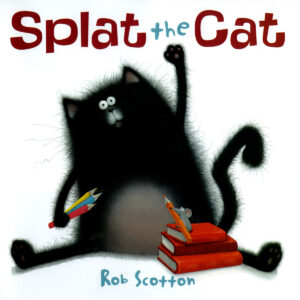
Maria Modugno has had an amazing career in children’s literature. Currently, she serves as Executive Editorial Director at Random House Studio, an imprint of Random House Books for Young Readers. Prior to that, she was vice president and Editorial Director at HarperCollins Children’s Books where she acquired such popular series as Pinkalicious by Victoria Kann and Splat the Cat by Rob Scotton. She also worked at Harcourt Brace Jovanovich and Little, Brown.
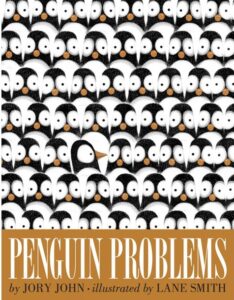
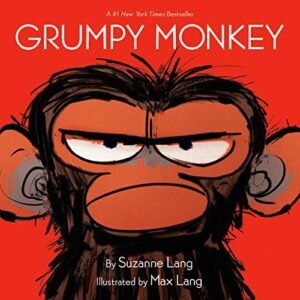
Some of her recent titles for Random House Studio include Uni the Unicorn by Amy Krouse Rosenthal and illustrated by Brigette Barrager, Grumpy Monkeywritten and illustrated by Suzanne and Max Lang, Penguin Problems by Jory John and illustrated by Lane Smith, and Attack of the Underwear Dragon by Scott Rothman and illustrated by Peter Oswald.

Yeah, I’m pretty excited to learn more about all Maria does. Let’s find out together!


RVC: You’re living in Chicago these days?

MM: When we went fully remote, I left New York after 20 years and moved to Evanston. It’s right outside Chicago.

RVC: I’m from Chicago myself. My brother still lives in the suburbs.

MM: Oh, it’s great. My family’s out here, too. Whoever thought businesses would go remote and then say, “Sure, take off! Go wherever you want!”

RVC: This industry is well suited for it.

MM: You’re right. We do everything electronically now. I can work from Chicago as easily as I could work with people back when I was in New York.

RVC: Let’s circle back to the start. You’re a lifelong lover of reading and books.

MM: I just loved books even though I grew up in a really small town with a really small library. Kids were only allowed to take out three books a week. Maybe it was because of that rarefied status that I knew books were something really great. My family says I have the Reading Gene. Those who have it, walk around with a book in our hands all the time.

Honestly, if I could do anything in the world, I’d just want to read!

RVC: Speaking of reading…what were some of your special early reading experiences?

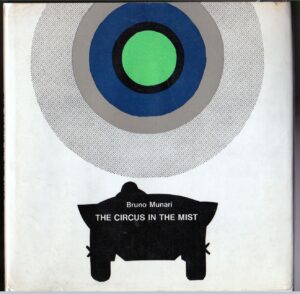
MM: They’ve fallen out of fashion, but I love the Little House on the Prairie books. And there was a picture book from Italy called The Circus in the Mist which had opaque and different kinds of paper. I was fascinated by it.

I just loved picture books, like Millions of Cats by Wanda Gág. At one point, Tomie dePaola took me took me to the Kerlan Collection at the University of Minnesota where they have all this art. Tomie asked, “What would you like to see?” And I was able to look at the original art for Millions of Cats.

RVC: Terrific.

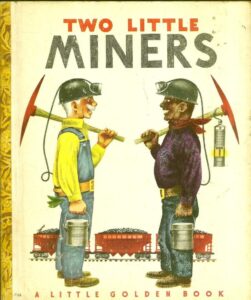
MM: I also loved Two Little Miners, a Golden Book. Young readers really don’t have very discriminating taste.

RVC: So long as you love what you’re reading, it’s all fine in my mind.

MM: I wish I could say something profound to your question, like “Oh, I loved The Little Prince.” But no, whenever you hand me something, I’ll read it, you know?

RVC: I totally get it. Now, when did you realize that kidlit was the career for you? Is that what you studied at University of Vermont?

MM: No, I was an English major who specialized in poetry mostly because that’s what I was drawn to. I started out being a science major, but I found I was spending most of my time in the stacks pulling down books and just reading. Studying poetry helps me with editing manuscripts because in a picture book, every word has to count. Every word carries a big burden–it has to say more than just one word typically does.

RVC: You brought up Tomie a moment ago. Rumor has it that he taught you how to become an editor.

MM: I was so lucky. I knew Tomie because my first job in publishing was in marketing. I had toured with him because of that, when Harcourt moved to California, they put me in charge of the editorial department because no one else wanted to pack up and move to the West Coast. I was young and stupid enough to say “Sure, why not?”

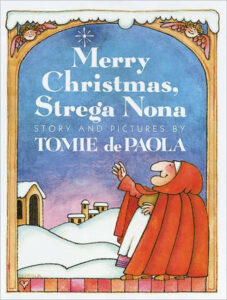
I found out we had a contract with Tomie and I said, “Tomie, what are we going to do? I don’t know how to edit.” He generously said, “Why don’t you come out to Whitebird for the weekend, and I’ll teach you.” And so I packed up my warm clothes and went. We talked through the idea of the whole book together–Merry Christmas, Strega Nona. We carefully went through the story and its arc. Then Tomie said, “Now I’ll go off and write it.”

Then he brought the manuscript back to me and said, “Go read it, but don’t change any of my words. Just question things in the margin if something doesn’t sound right. Read it out loud to make sure it sounds right–not just reads right.” And I did exactly that. Then we met up and discussed my comments.

Through that, Tomie instilled in me the importance of someone else’s words. You don’t just trash them off the page. The author put them there for a reason, so let the author make changes when something’s not clear.

That’s how I started as an editor.

RVC: Wow, you were so lucky to have worked with someone like that.

MM I was lucky indeed.

RVC: Fairly early in your career, you went from being an editor to being in charge of editors, which is more like an administrative role.

MM: That’s right. I went from being a marketing manager to being a director of the department. I did that at Harcourt and I did that at Little, Brown and then at Harper, though I was never really happy with that role. I really, really love working on books. That’s what I want to do. Honestly, in publishing, that’s not what’s valued most–what’s valued most is being able to run things and stuff like that. And so I’ve given up a lot of that.

RVC: But that allows you to have your hands on a lot of creative efforts these days, right?

MM: Oh, yeah. At the end of the day, that’s what I want to do. That’s what makes me happy.

RVC: Can you share what the acquisition process is like for picture books?

MM: I’m part of a very small imprint at Random House–it was just founded three years ago. It’s run by Lee Wade, our publisher who’s formerly of Schwartz and Wade, and there are four editors and two designers here. Basically, when I see something I want to sign up, I discuss it with Lee and we talk about what I want to pay for it. It’s as easy as that. I also have to run a P&L [profit & loss statement], which means I have to gather sales data and track information. But I never ask an author to make changes until they have a contract in hand.

RVC: That doesn’t seem to be the norm these days. There seems to be a lot of R&Rs (revise and resubmit) requests before the potential contract arrives. Or not.

MM: When I read a manuscript, it’s either there or it’s not. I can see what needs to be done, and I see that it can be done. I can’t take a manuscript that’s a good idea but is badly written and make that good. That’s not my skill set. But if there’s something there that’s good and I can see where it needs to go? I’m all in.

RVC: Could you talk a bit about working on some of the bigger projects? As you were working on projects like Pinkalicious or Splat the Cat how big they’d become?

MM: Here’s the truth. I never imagined going beyond the first book with any of these. I liked Pinkalicious simply because I thought it was a great idea. You eat too many pink cupcakes, you turn pink. I also like that the little girl sticks her tongue out at me–that’s such a kid thing to do. I was surprised when it took off. I think some of it was shrewd marketing on the part of Harper because Fancy Nancy had just come out and Pinkalicious rode the coattails of that success.

With Splat the Cat, I was at a stationery show and Rob Scotton was there selling mugs and prints. I saw this mug he had with a sheep on it, and that became Russell the Sheep. We just took that image and expanded it. The character of Russell was very involved, in spite of not really having a mouth. I found out that it’s really hard to have a character express emotions without one, so I said to Rob, “Let’s find another character that we can develop.”

Rob had done a set of dishware around this cat named Splat and I said I want it to be a kid. Rob showed me how he could make the head bigger, the arms a little shorter, the body rounder, which made Splat more kid-​like. It worked.

RVC: Yes, it did!

MM: One of the things I do with any book launch is have a promotional hook. That first Splat the Cat book was about going to school, so it was a back-​to-​school story and that helped get it on tables.

OPB: What’s the story behind Toot & Puddle?

MM: Holly Hobbie came to see me at Little Brown. She had heard about me from another artist–Jane Dyer. And Holly had just finished a 30-​year contract with American Greetings where they owned everything she did with that little bonnet girl. She came to me and said, “What do you think I should do?” I told her, “Anything you want.” I mean, she’s such a great artist. She could paint with an eyelash–she’s just amazing!

The first Toot & Puddle as a story about one pig. Then we realized that if you have two pigs, they can play off each other and be two halves of a whole. And they’re charming stories.

RVC: Totally agree.

MM: The first book was cobbled together by some existing artwork. To me, it looks like the seams are showing a bit, but it all worked out fine.

RVC: I’m a big fan of Grumpy Monkey, which is another of the books you edited.

MM: The Langs are so talented that I can’t even believe it. I think they were one of the first to tap into the whole social emotional learning trend because that book comes right out and says, “It’s okay to be grumpy. You don’t have to put on a happy face.” Their books are funny, but they all have this truth–something kids need to learn.

I want to add that I don’t deliberately publish books to teach kids anything. They get that elsewhere. If somebody gave me a book and said, “Here, this is a good book for women who can’t get along with their mothers!” I’d throw that book right back at their head. That’s not why I read books. I like to read books to read books, not to learn things.

RVC: If you learn something, it’s just a bonus. But it’s not the point.

MM: No. And if it is, there’s Sam Goldwyn, who said, “All I want is story. Let Western Union take care of the messages.”

RVC: What do you look for in illustrations?

MM: Among the first people I worked with was Tomie, who was obviously a gifted artist. I also work with a lot of animators because they have the ability to tell a story. What I’m always looking for is movement. I also look for funny because I think the world needs funny books. There just aren’t enough of them.

A lot of do at work requires me to substantiate my decisions with data. But honestly, sometimes I make a preliminary decision and then I look for the data to substantiate it.

RVC: That makes sense. The art+story package should generate a gut reaction.

MM: Yes, that’s right. I don’t like mood pieces. I don’t like fancy words that don’t add up to anything. I don’t like bad rhymes. I just want great stories.

RVC: What are your thoughts on marketing, particularly for debut picture book creators?

MM: It’s the hardest thing with picture books because we don’t market to our direct audience (because we can’t). The biggest marketing or promotion you can do for a book is to get it placement in a bookstore. I never sign up a book without envisioning where it’s going to go in the bookstore. I think about what’s going to compel a bookstore buyer say, “I have to have THIS book and not THAT one.”

Honestly, a beautiful book and a beautiful story isn’t enough. It has to fit into something that a bookseller will promote, like a holiday, or Black History Month, or some other event. You need to have that kind of promotional connection because most picture books have the shelf life of a quart of milk.

If you don’t get it out there and get it noticed, it’s gone.

RVC: Will you talk a bit about your own writing, such as Santa Claus and the Three Bears?

MM: I wrote that book on a lark for a friend. I love that classic story, and I love giving it a twist. But I don’t consider myself a writer at all.

At one point, I took drawing lessons, but believe me, there’s no hidden talent there. I just wanted to know what it felt like for an artist or writer to confront a blank piece of paper. What does it feel like to put that first mark on it?

Maybe that’s what I learned from Santa Claus and the Three Bears–I had to mentally see the story and where it was going to go before I could write it.

RVC: What’s the most important trait that you bring to the editing process?

MM: I never forget what it’s like to be a kid.

When my nephew Chris was four years old, he moved from a very old house in New England to a brand-​new house in the Midwest. I asked, “So, Chris, how’s the new house?” He said, “All the doorknobs are the same.” That’s the viewpoint of a kid. They’re not in our world. They’re in a world that comes up to our waist. You have to remember that. You have to remember the things that interest them.

Kids also like funny things, but a lot of editors prefer serious things. I think the world is serious enough already.

RVC: What are some of your proudest moments as an editor?

MM: I love when a new book comes in. And I love when books hit the bestseller list. Funny books don’t win awards, though. They don’t get starred reviews either. And it took me a long time before I figured that out. By the time I figured it out, I decided that winning awards wasn’t what I was about anyway.

I come from a working-​class background, so I always felt it’s my job to keep authors and artists earning money and working. I don’t like to make them wait for a response from a publisher because that time is time that they’re not making money.

RVC: A lot of writers are going to love that you said that!

MM: I’ll add this–a high point for me is working with Lane Smith. I’m in awe of him. Over and over again, he proves himself to be both brilliant and nice.

RVC: I’m not surprised. That seems to be the brand not just for Lane but also a lot of people in the kidlit industry. It’s good people and good audiences.

MM: You’re right about that.

RVC: Beyond the obvious–join SCBWI, read a lot, write a lot, etc.–what’s your advice for aspiring picture book writers?

MM: I think it’s more than just reading other books–it’s reading them critically. To do this, ask good questions.

  • What did I like about this?
  • What made me turn the pages?
  • Why didn’t I like this?

I also encourage writers of picture books to think visually. As they write, they should see the picture that their words are going to suggest. I’m not talking about art notes, but rather how you imagine these words looking when they’re illustrated. You have to tie the two together all the time.

RVC: Alright, Maria–it’s time for the Speed Round. Are you ready for some zip-​zappy goodness with super-​fast questions and super-​duper-​quick answers?

MM: Sure.

RVC: If animals could talk, which would be the most annoying?

MM: A gnat.

RVC: If you built a picture-​book-​themed hotel, what would the theme be and what would the rooms look like?

MM: Classic fairy tales because they’re so popular and I’d want people to come. Either that or The Nightmare Before Christmas.

RVC: What secret talent do you have that no one would expect?

MM: I make hats. I’m an amateur milliner.

RVC: What’s your dream project in the picture book world?

MM: I’ve already lived so many of them! But my dream would be to sign books without having to go to auctions. They’re really competitive and they rub me the wrong way.

RVC: What’s the One That Got Away?

MM: There’s one every year. That’s one of the things about a picture book–different editors will envision it differently. So, if I saw a book one way and somebody else published one another way, did it really get away or was that book meant to be what it became?

RVC: What is your picture book philosophy?

MM: Don’t forget kids are going to read it.

RVC: This has been a real treat, Maria. Thanks so much!