Reading Activities: My Block Looks Like by Janelle Harper, illustrated by Frank Morrison

My Block Looks Like
Author: Janelle Harper
Illustrator: Frank Morrison
2 January 2024
Viking Books for Young Readers
40 pages

Book description from Goodreads: “A love letter to the hustle, the bustle, the joy, and the grit of city life by debut author and Bronx native, Janelle Harper, and two-​time Coretta Scott King Illustrator Award winner, Frank Morrison.

A lyrical and proud picture book that recognizes the beauty of the bodegas, subways, and playgrounds that characterize everyday life in the Bronx and pays homage to the ways that its residents have shaped pop culture through music, visual art, and dance. Perfect for fans of I Am Every Good Thing and Last Stop on Market StreetMy Block Looks Like offers kids a reaffirming message to celebrate and uplift their communities in an energetic text that begs to be read aloud.”

Need some reviews of My Block Looks Like?

Reading Activities inspired by My Block Looks Like:

  • Before Reading–From looking at the front cover: 
    • What do you notice first on the cover?
    • What clues tell you this neighborhood has a lot of movement and energy?
    • What sounds do you imagine hearing on this block?
    • How do the colors make the neighborhood feel?
    • What details on the cover make this block feel like a place people know well?
    • What questions would you like to ask the author or illustrator before reading the book?
  • After Reading–Now that you’ve read the story: 
    • What details make this block feel alive?
    • Which part of the neighborhood would you most want to visit, and why?
    • How do the words and pictures show sound, rhythm, and movement?
    • What ordinary places become special in this book?
    • How does the illustrator show pride, joy, or confidence in the people on the block?
    • What does this book suggest about the connection between place and identity?
    • Would you recommend this book to a friend? Why or why not?
  • The Beat of the Block: Think about a place you know well and make a “beat list” for it. What do you hear there? Sneakers squeaking? Doors closing? Music playing? Dogs barking? Cars passing? Turn your list into a short chant or read-​aloud poem that begins, “My block sounds like…”
  • A Place with Personality: Choose one place from the book, such as a bodega, subway, playground, sidewalk, street corner, or mural. Then choose one place from your own community. What makes each place feel alive? Write a few lines comparing them.
  • Sidewalk Snapshot: Imagine you could freeze one busy moment from your neighborhood. Who would be there? What would they be doing? What details would make the scene feel real? Create a quick “snapshot” with words, pictures, or both. Try to include at least one tiny background detail someone might miss at first.
  • My Block Looks Like…: Use the book’s title as your starting point. Finish the sentence “My block looks like…” in three different ways. One answer can focus on what you see, one on what you hear, and one on how the place makes you feel. Push past easy answers and look for the specific details that make your place yours.
  • Neighborhood Pride Postcard: Create a postcard from your block, street, town, or favorite local place. On the front, show one image that captures the spirit of the place. On the back, write a short message to someone who has never been there before. What would you want them to notice first?
  • Books, Books, and More Books!: Check out these picture books about neighborhoods and noticing the places that shape us:

Last Stop on Market Street by Matt de la Peña, illustrated by Christian Robinson
A boy and his grandmother ride a bus across the city, and the trip shifts how he sees the world around him.


Maybe Something Beautiful by F. Isabel Campoy and Theresa Howell, illustrated by Rafael López
A girl shares her art with her neighborhood, and this small creative act turns into something so much bigger.


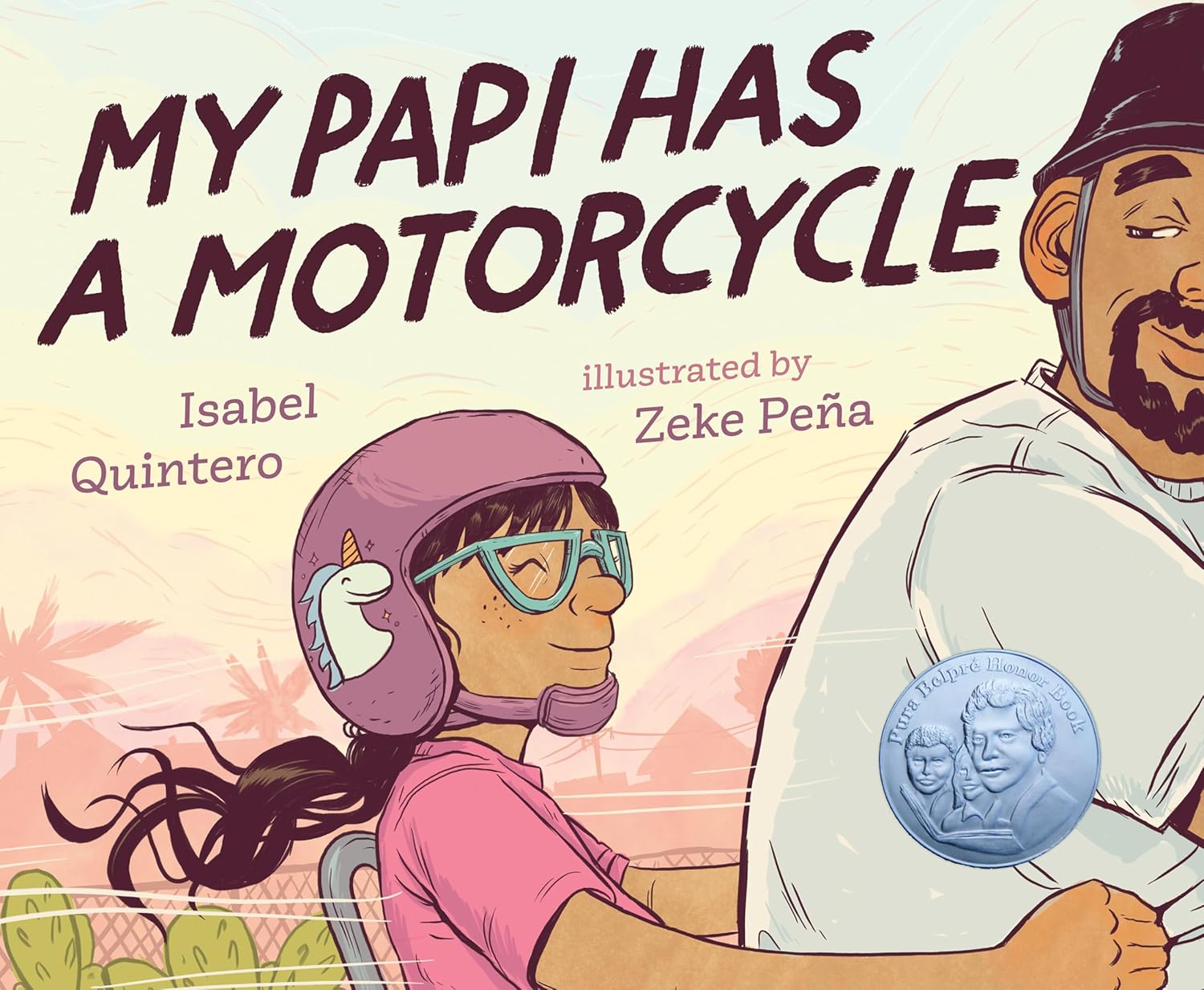
My Papi Has a Motorcycle by Isabel Quintero, illustrated by Zeke Peña
A girl rides through her neighborhood with her father, taking in the people, places, smells, and sounds that make it home.


Uptown by Bryan Collier
A boy celebrates Harlem through brownstones, barbershops, music, food, art, and neighborhood landmarks.


The World Belonged to Us by Jacqueline Woodson, illustrated by Leo Espinosa
A summer city book about the freedom, noise, and joy of kids playing outside.

Reading Activities: Nearly Exactly Almost Like Me by Jennifer Bradbury, art by Pearl AuYeung

Nearly Exactly Almost Like Me
Author: Jennifer Bradbury
Illustrator: Pearl AuYeung
11 February 2025
Atheneum/​Caitlyn Dlouhy Books
40 pages

Book description from Goodreads: “A loyal big brother makes a case for why his adopted little brother is just like him when a pesky kid on the playground questions their physical differences in this charming picture book.

When they hear the singsong tune of an ice cream truck, two brothers race to get in line! Big brother beats little brother and holds their spot. But when little brother catches up, another kid challenges him joining his brother in no cutting! Everyone knows that cutting doesn’t count when you’re siblings, but the kid doesn’t believe they can be brothers when they don’t look anything alike.

The brothers may not be biologically related, but they’re still brothers, and they have so much else in common! They both like candy way too much, love swimming but hate baths, and know their parents love them. Big brother knows that differences on the surface don’t matter when in his heart, his little brother is just like him.”


Need some reviews of Nearly Exactly Almost Like Me?


Reading Activities inspired by Nearly Exactly Almost Like Me:

  • Before Reading–From looking at the front cover: 
    • What do you think the title Nearly Exactly Almost Like Me means? What does it suggest about the characters?
    • Look at the two kids on the cover—how do they seem alike? How do they seem different?
    • What does it mean to be part of a family? Does everyone in a family have to look alike? Why or why not?
    • Have you ever had someone assume something about you that wasn’t true? How did it make you feel?
    • What are some ways people in a family can be similar besides their appearance?
    • Why do you think the author wanted to tell this story? What message do you think it will have?
    • What questions would you like to ask the author before reading the book?
  • After Reading–Now that you’ve read the story: 
    • How did the big brother react when someone questioned whether Dev was really his brother?
    • What were some of the things the brothers had in common? What were some ways they were different?
    • How do you think Dev felt when the other child didn’t believe they were brothers?
    • Why do you think it was important for the big brother to show that family is about more than just looking alike?
    • What was your favorite moment in the book? Why did it stand out to you?
    • How did the illustrations help tell the story? What details in the pictures stood out to you?
    • How do you think the skeptical kid at the playground felt at the end of the story? Did their view change?
    • Would you recommend this book to a friend? What would you tell them about first?
  • The “Almost Like Me” Sibling Challenge: Grab a friend, sibling, or family member and write down ten things about yourselves—your favorite foods, hobbies, pets, bedtime routines, anything! Then, compare your lists. How many things do you have in common? What surprised you? Just like Dev and his big brother, you’ll probably find that the things that matter most go beyond appearances!
  • Family Portrait—Remixed!: Most people think of family portraits as everyone smiling for a photo together, but what if a portrait captured something deeper? Instead of drawing a picture of just how your family looks, make a family portrait that shows what makes you all unique. Maybe you love the same food, play the same games, or share inside jokes. Include those details in your artwork to celebrate what really makes your family yours!
  • What’s in a Name? A Family Storytime: In the book, Dev and his brother share family traditions and history. Now, let’s explore your own family’s story! Ask a parent, grandparent, or guardian about your family history. Do you have a name with a special meaning? Are there stories about how you became part of your family? Write down what you learn and share it with someone close to you.
  • You Can’t Tell By Looking!” Discovery Game: People often assume things about others based on how they look, but appearances don’t tell the whole story! Play this game with friends or classmates: Everyone writes down one fact about themselves that others wouldn’t guess by looking at them. Then, mix up the papers and take turns reading them aloud, guessing who wrote each one. It’s a fun way to see how much more there is to people than what we see!
  • The Love List: What Really Makes a Family?: Dev and his brother know that family is about love, not just looks. Think about what makes your own family special—whether it’s a family you were born into, adopted into, or chosen. Make a list of ten things that show love in your family. Do you have special traditions? Do you help each other in different ways? Decorate your list and keep it as a reminder that family is about what we do, not just what we look like!
  • Letters of Belonging: A Note to Someone Who Feels Left Out: In the book, Dev faces a moment where someone doesn’t believe he and his brother belong together. Write a letter to someone (real or imaginary) who might feel left out or different. What would you say to make them feel welcome? Decorate your letter and share it with a friend, family member, or teacher to spread kindness!
  • Books, Books, and More Books!: Check out these real-​world picture books about family, adoption, and sibling bonds:

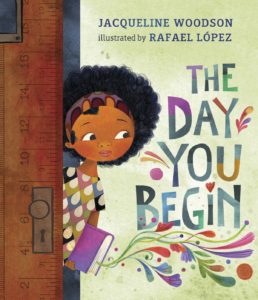
The Day You Begin by Jacqueline Woodson, illustrated by Rafael López

This heartfelt story is about feeling different but finding connections with others. Like Nearly Exactly Almost Like Me, it reminds us that even when we don’t look like those around us, we all have something in common.


A Family Is a Family Is a Family by Sara O’Leary, illustrated by Qin Leng

This book introduces a classroom full of children, each with a different type of family. Some have two dads, some live with grandparents, and some are adopted. It beautifully illustrates that what makes a family is love.


We Belong Together: A Book About Adoption and Families by Todd Parr

A warm and simple book that explains adoption in a way young kids can understand. It celebrates how families come together in different ways and the love that binds them.


Big Brothers Don’t Take Naps by Louise Borden, illustrated by Emma Dodd

A sweet story about an older brother passing on wisdom to his younger sibling. It highlights the joys of having a little brother—whether they look alike or not!


Real Sisters Pretend by Megan Dowd Lambert, illustrated by Nicole Tadgell

Two sisters play pretend, reminding each other that even though they weren’t born into the same family, their bond is real. Like Nearly Exactly Almost Like Me, this story affirms that love is what makes a family.

Picture Book List: 4 Picture Books That Showcase Kidlit Agents’ Favorite Elements—and Why They Shine

Last month, I shared a list of picture books that kidlit editors frequently mention, and I got a lot of nice notes about it! So, I’m bringing back the concept—this time with insights from some of the wonderful literary agents who are friends of the blog.

I asked four agents to name a picture book they often reference when talking to clients or writers about what makes a story shine. Each book showcases qualities that agents admire, from compelling narratives to unforgettable art. While I’m keeping their names private to avoid any unintended favoritism, their thoughtful feedback is reflected in the commentary below.

If the language is in quotation marks, it’s directly from the agents. The rest is from me. Enjoy!


Julian Is a Mermaid by Jessica Love

Why Agents Love It:

  • Economy of Text: “This book is proof that less can truly be more. Every word is purposeful, and the space between the lines lets the illustrations tell so much of the story.”
  • Celebration of Individuality: Julian’s journey of self-​expression is told with tenderness and authenticity, making it a standout example of how inclusive stories can feel universal without being preachy. “It’s the kind of book that shows you don’t need to explain everything—sometimes the best stories trust the reader to feel the message.”
  • Art That Transports You: The lush, painterly illustrations are a visual feast. “Every page feels like stepping into Julian’s world, and the quiet magic of the art lingers long after you close the book.”

Thank You, Omu! by Oge Mora

Why Agents Love It:

  • Timeless Themes: Omu’s generosity and the community’s gratitude create a feel-​good story that celebrates kindness and connection. “It’s one of those books that feels like it’s been around forever—and I mean that as the highest compliment.”
  • Unique Art Style: Mora’s collage illustrations are rich, textured, and vibrant. “There’s a warmth and energy to the artwork that makes every page feel alive. You can almost smell the stew simmering!”
  • Perfect for Read-​Alouds: With its rhythmic, repetitive structure, this book practically begs to be read aloud. “The storytelling cadence makes it a go-​to for libraries and classrooms—it’s a crowd-​pleaser every time.”

The Day You Begin by Jacqueline Woodson, illustrated by Rafael López

Why Agents Love It:

  • A Universal Yet Personal Theme: This book speaks to anyone who’s ever felt like they didn’t belong. “It’s a quiet powerhouse of a story—one that gives kids (and adults) permission to embrace their differences and share their truths.”
  • Lyrical Text: Woodson’s poetic language lends the story an emotional depth that lingers long after the last page. “The writing is so lyrical and beautiful, you almost want to read it aloud just to hear the words again.”
  • Stunning Illustrations: López’s bold, vibrant illustrations perfectly complement the text, capturing the emotions of the characters and drawing readers into the story. “The interplay between the words and art is magical—this is what picture books are all about.”

We Don’t Eat Our Classmates by Ryan T. Higgins

Why Agents Love It:

  • Humor with Heart: This hilarious story about a dinosaur learning to navigate the social challenges of school strikes the perfect balance between funny and heartfelt. “It’s laugh-​out-​loud funny, but it also sneaks in such a sweet message about kindness and empathy.”
  • Relatable Concept: Starting school is a major milestone, and this book cleverly addresses first-​day jitters in a way that feels fresh and engaging. “It’s such a smart take on school anxiety—familiar, but with a totally unexpected twist.”
  • Lasting Appeal: Its humor and relatability ensure that it’s a favorite for both kids and adults. “The kind of book parents don’t mind reading over and over—and believe me, that matters.”

If you’re a picture book creator, take note of what makes these books shine—they might just inspire your next project!

Picture Book List: 15 Terrific Books About Teachers

It’s back-​to-​school time, so what better way to celebrate the awesome teachers in our lives than to put together a list of fun picture books about teachers, schools, and students?

If I missed any of your favorites, drop a note in the comments. Enjoy!
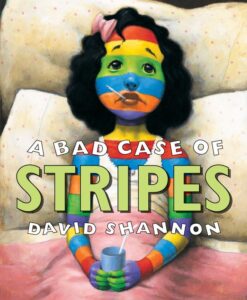

A Bad Case of Stripes by David Shannon (March 1998)

From Goodreads: “‘What we have here is a bad case of stripes. One of the worst I’ve ever seen!’ Camilla Cream loves lima beans, but she never eats them. Why? Because the other kids in her school don’t like them. And Camilla Cream is very, very worried about what other people think of her. In fact, she’s so worried that she’s about to break out in…a bad case of stripes!”

Pages: 32
Reading Age: 3–7
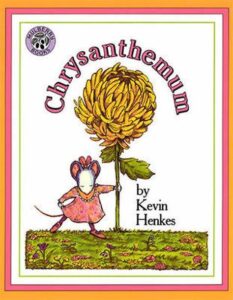

Chrysanthemum by Kevin Henkes (September 1991)

From Goodreads: “Chrysanthemum thinks her name is absolutely perfect—until her first day of school. “You’re named after a flower!” teases Victoria.
“Let’s smell her,” says Jo.

Chrysanthemum wilts. What will it take to make her blossom again?”

Pages: 32
Reading Age: 2–6
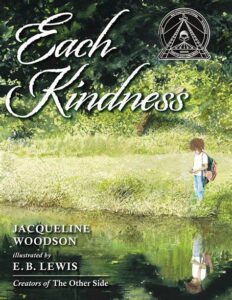

Each Kindness by Jacqueline Woodson, illustrated by E.B. Lewis ? (October 2012)

From Goodreads: “Chloe doesn’t really know why she turns away from the new girl, Maya, when Maya tries to befriend her. And every time Maya asks if she can play with Chloe and the other girls, the answer is always no. So Maya ends up playing alone. And then one day she’s gone.

When Chloe’s teacher gives a lesson about how even small acts of kindness can change the world, Chloe is stung by the opportunity that’s been lost. How much better could it have been if she’d just shown Maya a little kindness and opened her heart to friendship?”

Pages: 32
Reading Age: 6–10
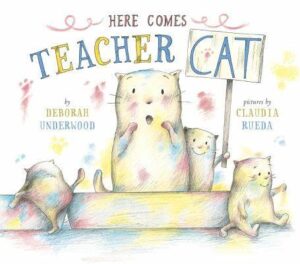

Here Comes Teacher Cat by Deborah Underwood, illustrated by Claudia Rueda (August 2017)

From Goodreads: “It’s back to school for the New York Times bestselling Cat when he steps in as a substitute teacher.

Cat is not pleased to be tapped as substitute teacher. Not only is it cutting into his naptime, but a roomful of kittens is a little … much. At school, Cat follows the lesson plan of music, building, and painting–only in gradually more mischief-​making Cat style. By the end, Cat has learned a thing or two about inspiring others by being himself. But even more heart-​melting and humorous is what these adorable kittens have learned from Cat.”

Pages: 88
Reading Age: 3–5
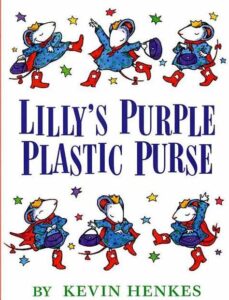

Lilly’s Purple Plastic Purse by Kevin Henkes (May 1996)

From Goodreads: “Hooray For Lilly!

Lilly loves everything about school, especially her teacher, Mr. Slinger. But when Lilly brings her new favorite things

movie star sunglasses (complete with diamonds)
three quarters (shiny ones)
a purple plastic purse (it plays lively music when opened)

to school, and insists on showing them to everyone even though it is not Sharing Time, Mr. Slinger is not amused. In fact, Mr. Slinger confiscates her prized possessions. Lilly’s fury leads to revenge and then to remorse as she sets out to make amends, in this modern classic by the beloved Kevin Henkes.”

Pages: 40
Reading Age: 3–6
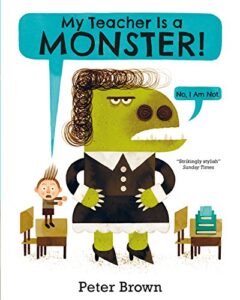

My Teacher Is a Monster by Peter Brown (July 2014)

From Goodreads: “Bobby has a problem. You see, his teacher is a monster. But when Bobby runs into his teacher outside of school, he learns there is more to her than meets the eye.”

Pages: 40
Reading Age: 3–9
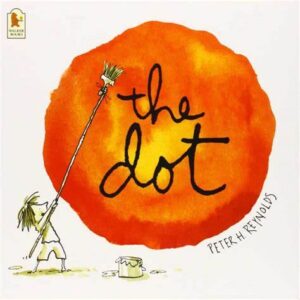

The Dot by Peter H. Reynolds (September 2003)

From Goodreads: “With a simple, witty story and free-​spirited illustrations, Peter H. Reynolds entices even the stubbornly uncreative among us to make a mark — and follow where it takes us.

Her teacher smiled. “Just make a mark and see where it takes you.”

Art class is over, but Vashti is sitting glued to her chair in front of a blank piece of paper. The words of her teacher are a gentle invitation to express herself. But Vashti can’t draw — she’s no artist. To prove her point, Vashti jabs at a blank sheet of paper to make an unremarkable and angry mark. “There!” she says.

That one little dot marks the beginning of Vashti’s journey of surprise and self-​discovery. That special moment is the core of Peter H. Reynolds’s delicate fable about the creative spirit in all of us.”

Pages: 32
Reading Age: 4–7
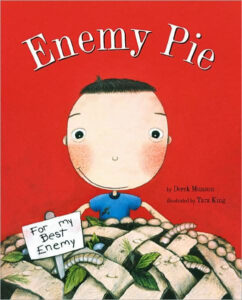

Enemy Pie by Derek Munson, illustrated by Tara Calahan King (September 2000)

From Goodreads: “It was the perfect summer. That is, until Jeremy Ross moved into the house down the street and became neighborhood enemy number one. Luckily Dad had a surefire way to get rid of enemies: Enemy Pie. But part of the secret recipe is spending an entire day playing with the enemy! In this funny yet endearing story, one little boy learns an effective recipes for turning your best enemy into your best friend. Accompanied by charming illustrations, Enemy Pie serves up a sweet lesson in the difficulties and ultimate rewards of making new friends.”

Pages: 40
Reading Age: 3–6
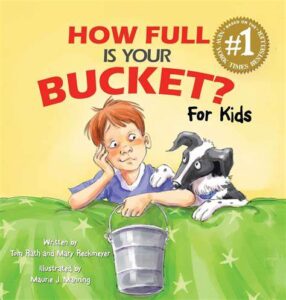

How Full Is Your Bucket? (for kids) by Tom Rath and Mary Reckmeyer, illustrated by Maurie J. Manning (April 2009)

From Goodreads: “Through the story of a little boy named Felix, this charming book explains to children how being kind not only helps others, it helps them, too. As he goes about his day, Felix interacts with different people — his sister Anna, his grandfather, other family and friends. Some people are happy, but others are grumpy or sad. Using the metaphor of a bucket and dipper, Felix’ grandfather explains why the happy people make Felix feel good, while the others leave him feeling bad — and how Felix himself is affecting others, whether he means to or not. This beautifully illustrated adaptation takes the original book’s powerful message — that the way we relate to others has a profound effect on every aspect of our lives — and tailors it to a child’s unique needs and level of understanding.”

Pages: 32
Reading Age: 3–7
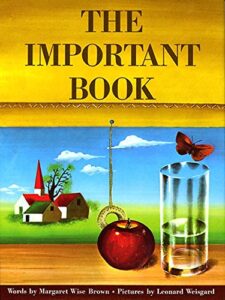

The Important Book by Margaret Wise Brown, illustrated by Leonard Weisgard (May 1999)

From Goodreads: “Goodnight Moon creator Margaret Wise Brown’s The Important Book is a deceptively simple exercise–taking familiar things like an apple, spoon, or shoe, and finding the most basic association with those things. The most important thing about an apple? It is round. A spoon? You eat with it. A shoe? You put your foot in it. But why, according to Brown, is the most important thing about grass “that it is green,” while the most important thing about an apple is “that it is round”? Why is “that it is white” the most important thing about snow and a daisy? Whether or not you’d distill these things in the same way that the author does, Brown makes us think about the essence of everyday entities in new ways. The illustrations, by Caldecott Medal winner Leonard Weisgard (The Little Island), perform the same function–capturing the spoonness of spoons, the roundness of an apple, the motion of wind.”

Pages: 24
Reading Age: 4–9
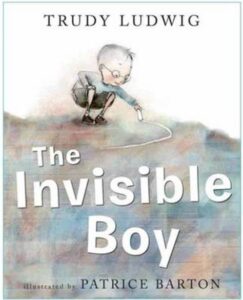

The Invisible Boy by Trudy Ludwig, illustrated by Patrice Barton (October 2013)

From Goodreads: “Meet Brian, the invisible boy. Nobody ever seems to notice him or think to include him in their group, game, or birthday party… until, that is, a new kid comes to class.

When Justin, the new boy, arrives, Brian is the first to make him feel welcome. And when Brian and Justin team up to work on a class project together, Brian finds a way to shine.

From esteemed author and speaker Trudy Ludwig and acclaimed illustrator Patrice Barton, this gentle story shows how small acts of kindness can help children feel included and allow them to flourish. Any parent, teacher, or counselor looking for material that sensitively addresses the needs of quieter children will find The Invisible Boy a valuable and important resource.”

Pages: 40
Reading Age: 5–8
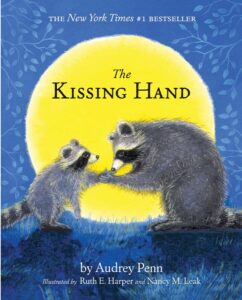

The Kissing Hand by Audrey Penn, illustrated by Ruth E. Harper and Nancy M. Leak (January 2003)

From Goodreads: “Chester Raccoon is very scared and nervous about his first day of school. His mom helps to solve his anxiety in a very special way that involves the kissing hand.”

Pages: 32
Reading Age: 2–6
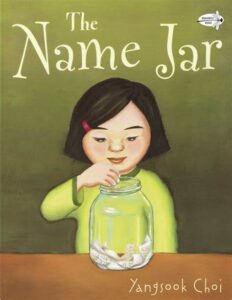

The Name Jar by Yangsook Choi (October 2003)

From Goodreads: “The new kid in school needs a new name! Or does she?

Being the new kid in school is hard enough, but what about when nobody can pronounce your name? Having just moved from Korea, Unhei is anxious that American kids will like her. So instead of introducing herself on the first day of school, she tells the class that she will choose a name by the following week.

Her new classmates are fascinated by this no-​name girl and decide to help out by filling a glass jar with names for her to pick from. But while Unhei practices being a Suzy, Laura, or Amanda, one of her classmates comes to her neighborhood and discovers her real name and its special meaning.

On the day of her name choosing, the name jar has mysteriously disappeared. Encouraged by her new friends, Unhei chooses her own Korean name and helps everyone pronounce it—Yoon-​Hey.”

Pages: 40
Reading Age: 3–6


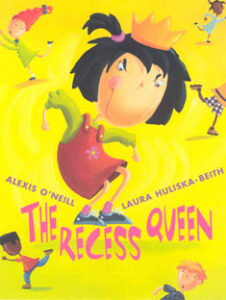
The Recess Queen by Alexis O’Neill, illustrated by Laura Huliska-​Beith (February 2002)

From Goodreads: “A fresh & original twist on the common issue of bullying. Kids will relate, & parents & teachers will appreciate the story’s deft handling of conflict resolution (which happens w/​o adult intervention) Mean Jean was Recess Queen and nobody said any different. Nobody swung until Mean Jean swung. Nobody kicked until Mean Jean kicked. Nobody bounced until Mean Jean bounced. If kids ever crossed her, she’d push ’em and smoosh ’em lollapaloosh ’em, hammer ’em, slammer ’em kitz and kajammer ’em. Until a new kid came to school! With her irrepressible spirit, the new girl dethrones the reigning recess bully by becoming her friend in this infectious playground romp.”

Pages: 32
Reading Age: 5–7
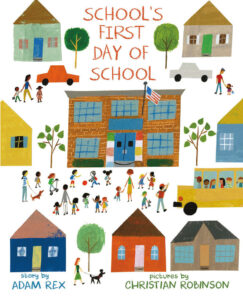

School’s First Day of School by Adam Rex, illustrated by Christian Robinson (June 2016)

From Goodreads: “It’s the first day of school at Frederick Douglass Elementary and everyone’s just a little bit nervous, especially the school itself. What will the children do once they come? Will they like the school? Will they be nice to him?

The school has a rough start, but as the day goes on, he soon recovers when he sees that he’s not the only one going through first-​day jitters.”

Pages: 40
Reading Age: 5–6
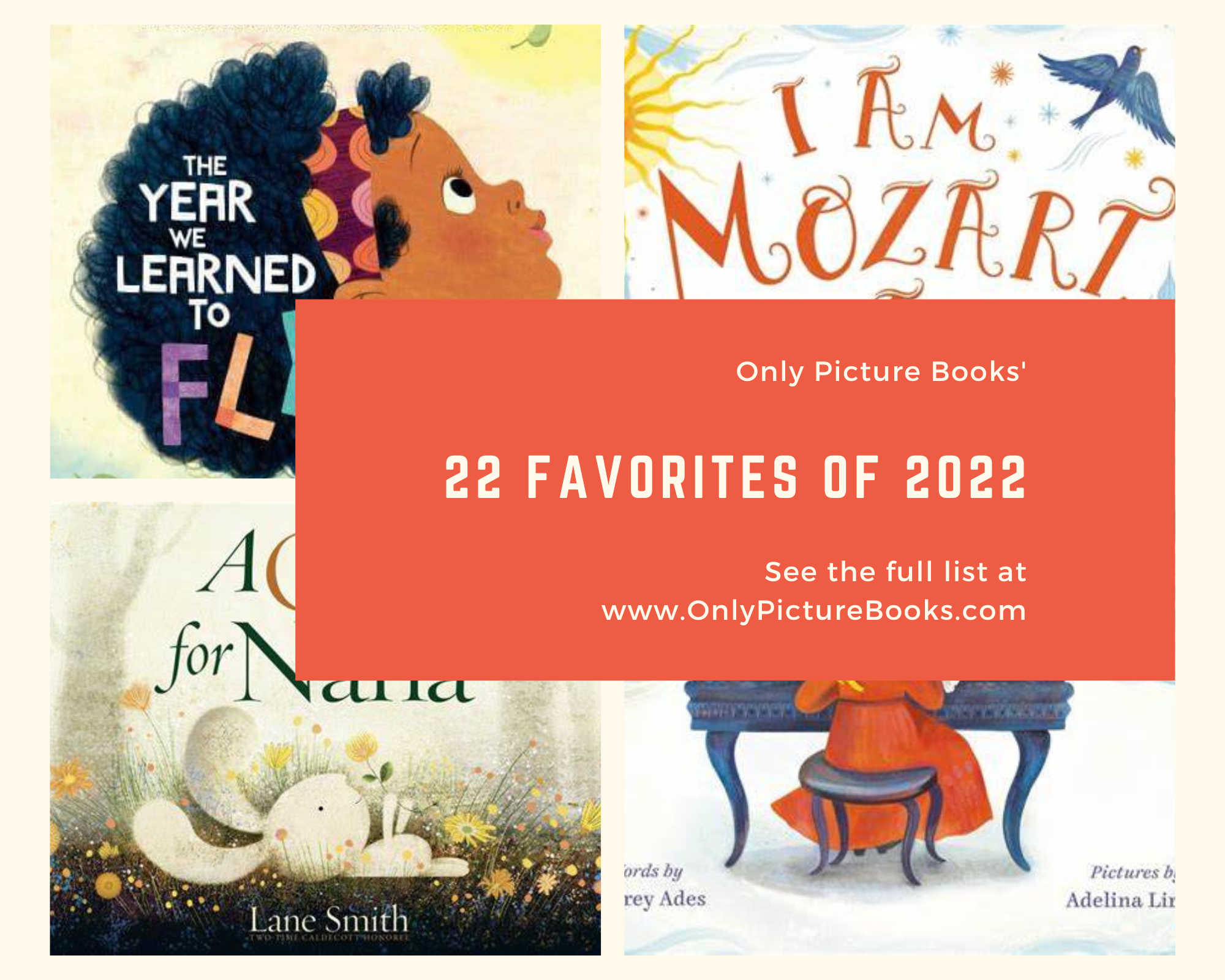
Only Picture Books’ 22 Favorites of 2022

Hello, 2023! While we’re really excited about the kidlit world and all that’s about to happen this year, we wanted to take a moment to reflect on some truly terrific picture books from the past twelve months.

This is a subjective list, so if we missed a great picture book, our apologies. Feel free to add your own suggestions in the comments. We’ll try to include those in future lists, if we can.

One last thing–since we’re running this in our regular Picture Book Review slot of the month, we’ll include our own 5‑word reviews along with a link to the Goodreads reviews. Creating these haiku-​like mini-​reviews is as challenging as it is fun. Try it yourself sometime!


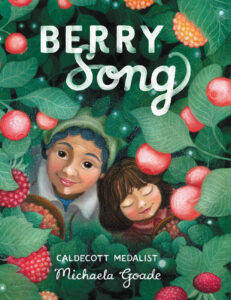
Berry Song by Michaela Goade (19 July 2022)

OPB Five-​Word Review: Luminous, dreamy, pro-​earth joy. Berrytastic.

Goodreads Reviews


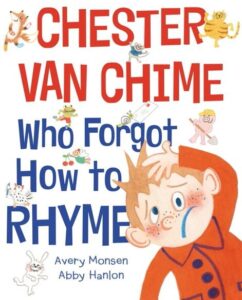
Chester van Chime Who Forgot How to Rhyme by Avery Monsen, illustrated by Abby Hanlon (15 March 2022)

OPB Five-​Word Review: Rhyming read-​a-​loud hilarity. Interactive fun.

Goodreads Reviews


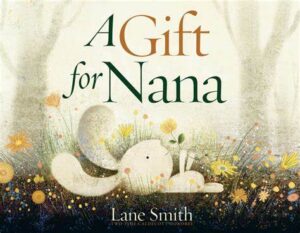
A Gift for Nana by Lane Smith (10 May 2022)

OPB Five-​Word Review: Quirky. Cute. Maybe for adults?

Goodreads Reviews


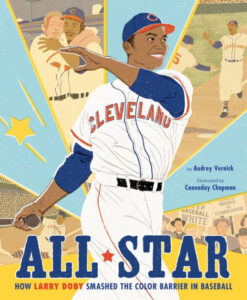
All Star: How Larry Doby Smashed the Color Barrier in Baseball by Audrey Vernick, illustrated by Cannaday Chapman (4 January 2022)

OPB Five-​Word Review: Unsung hero. Door-​opener. Fascinating. Timely.

Goodreads Reviews


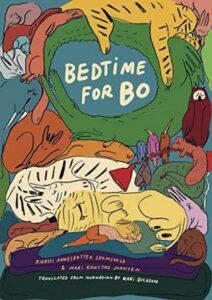
Bedtime for Bo by Kjersti Annesdatter Skomsvold and Mari Kanstad Johnsen, translated by Kari Dickson (9 August 2022)

OPB Five-​Word Review: Joyous, snuggly bedtime love. Imaginative.

Goodreads Reviews


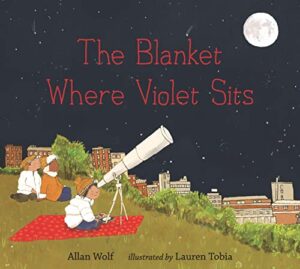
The Blanket Where Violet Sits by Allan Wolf, illustrated by Lauren Tobia (30 August 2022)

OPB Five-​Word Review: Lyrical cumulative rhymes. Picnicky fun.

Goodreads Reviews


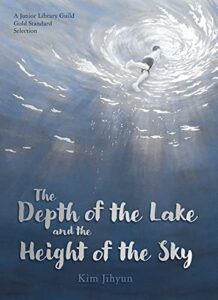
The Depth of the Lake and the Height of the Sky by Kim Jihyun (19 April 2022)

OPB Five-​Word Review: Evocative wordless storytelling. Enchanting debut.

Goodreads Reviews


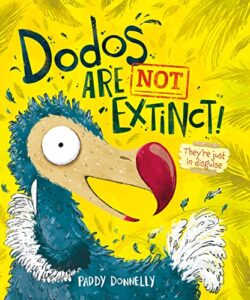
Dodos Are Not Extinct by Paddy Donnelly (8 February 2022)

OPB Five-​Word Review: Extinct animals aplenty. Storytime silliness.

Goodreads Reviews


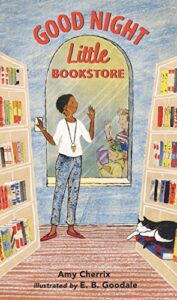
Good Night Little Bookstore by Amy Cherrix, illustrated by E.B. Goodale (29 August 2022)

OPB Five-​Word Review: Cozy, charming Goodnight Moon pastiche.

Goodreads Reviews


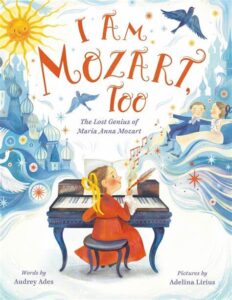
I Am Mozart, Too: The Lost Genius of Maria Anna Mozart by Audrey Ades, illustrated by Adelina Lirius (22 February 2022)

OPB Five-​Word Review: Gender injustice–Mozart’s prodigy sister.

Goodreads Reviews


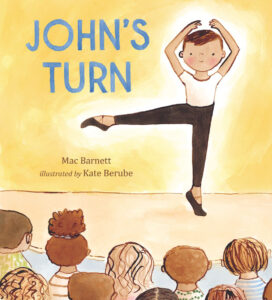
John’s Turn by Mac Barnett, illustrated by Kate Berube (24 February 2022)

OPB Five-​Word Review: Embrace your talent. Gloriously so.

Goodreads Reviews


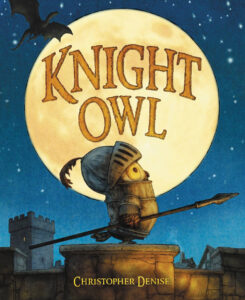
Knight Owl by Christopher Denise (15 March 2022)

OPB Five-​Word Review: Owlish wordplay. Bravery. Radiant art.

Goodreads Reviews


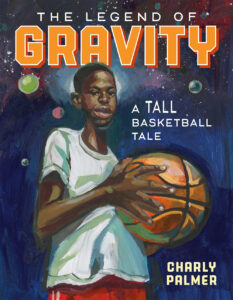
The Legend of Gravity: A Tall Basketball Tale by Charly Palmer (4 January 2022)

OPB Five-​Word Review: Splendrous colors. Fanciful facts. Teamwork!

Goodreads Reviews


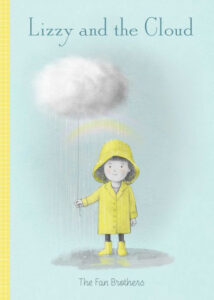
Lizzy and the Cloud by The Fan Brothers (3 May 2022)

OPB Five-​Word Review: Pet clouds are awesome. Beautiful.

Goodreads Reviews


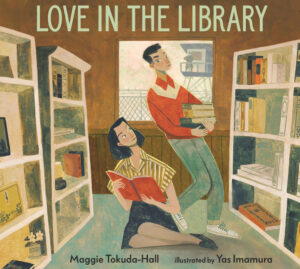
Love in the Library by Maggie Tokuda-​Hall, illustrated by Yas Imamura (8 February 2022)

OPB Five-​Word Review: Detainment camp. History. Heartbreak. Books!

Goodreads Reviews


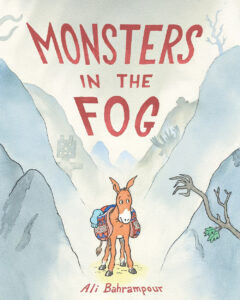
Monsters in the Fog by Ali Bahrampour, illustrated by Cannaday Chapman (14 June 2022)

OPB Five-​Word Review: Humorous mountain journey. Beware “monsters”!

Goodreads Reviews


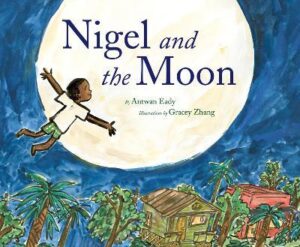
Nigel and the Moon by Antwan Eady, illustrated by Gracey Zhang (19 July 2022)

OPB Five-​Word Review: Childhood dreams. Heart-​melting ending.

Goodreads Reviews


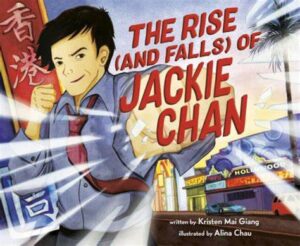
The Rise (and Falls) of Jackie Chan by Kristen Mai Giang, illustrated by Alina Chau (29 March 2022)

OPB Five-​Word Review: Goofball acrobatics. Vibrant art. POW!

Goodreads Reviews


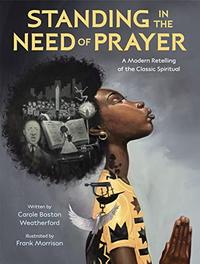
Standing in the Need of Prayer: A Modern Retelling of the Classic Spiritual by Carole Boston Weatherford, illustrated by Frank Morrison (20 September 2022)

OPB Five-​Word Review: Glorious tribute. Discussion-​starting. Ear-​pleasing. Timely.

Goodreads Reviews


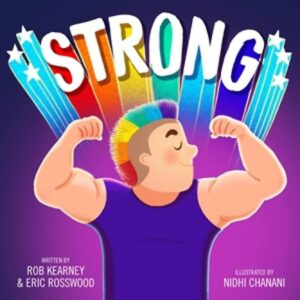
Strong by Rob Kearney and Eric Rosswood, illustrated by Nidhi Chanani (10 May 2022)

OPB Five-​Word Review: Becoming an LGBTQ+ strongman. Empowering.

Goodreads Reviews


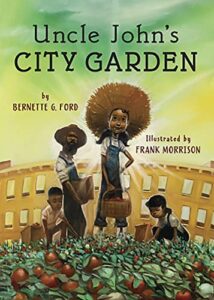
Uncle John’s City Garden by Bernette Ford, illustrated by Frank Morrison (3 May 2022)

OPB Five-​Word Review: City gardens. Family. Recipes. Delicious.

Goodreads Reviews


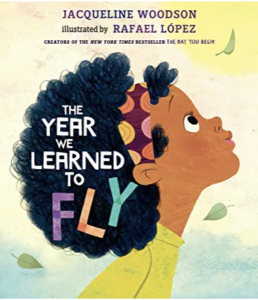
The Year We Learned to Fly by Jacqueline Woodson, illustrated by Rafael López (4 January 2022)

OPB Five-​Word Review: Lyrical history lifts up readers.

Goodreads Reviews


I got so excited going through my shelf of 2022 picture books for this end-​of-​year list that I completely forgot to go back through the books we reviewed here at OPB (which I keep on a different shelf in a different room). I’m not bumping any of the 22 above books because they all belong here, but so do the following three titles.

I supposed that makes this post more accurately “Only Picture Books’ 22 25 Favorites of 2022.”


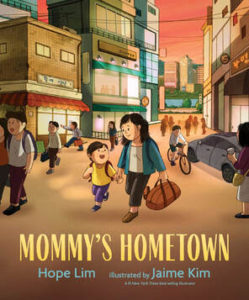
Mommy’s Hometown by Hope Lim, illustrated by Jaime Kim (12 April 2022)

OPB Five-​Word Review: Hits me just right. Sensitive.

See the original OPB review here.


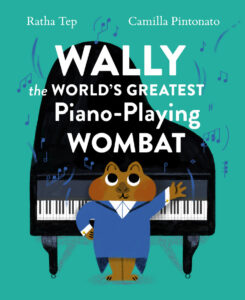
Wally, the World’s Greatest Piano-​Playing Wombat by Ratha Tep, illustrated by Camilla Pintonato (18 October 2022)

OPB Five-​Word Review: Passion. Pride. Participation. Pianos. Potent!

See the original full OPB review here.


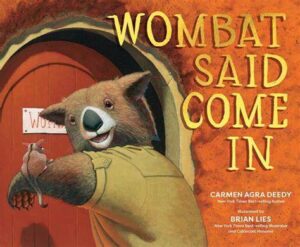
Wombat Said Come In by Carmen Agra Deedy, illustrated by Brian Lies (6 October 2022)

OPB Five-​Word Review: Friendship. Empathy. Safe and secure.

See the original full OPB review here.

Educational Activities: The Year We Learned to Fly by Jacqueline Woodson

The Year We Learned to Fly
Author: Jacqueline Woodson
Illustrator: Rafael López
4 January 2022
Nancy Paulsen Books
32 pages

Book description from Goodreads: “On a dreary, stuck-​inside kind of day, a brother and sister heed their grandmother’s advice: ‘Use those beautiful and brilliant minds of yours. Lift your arms, close your eyes, take a deep breath, and believe in a thing. Somebody somewhere at some point was just as bored you are now.’ And before they know it, their imaginations lift them up and out of their boredom. Then, on a day full of quarrels, it’s time for a trip outside their minds again, and they are able to leave their anger behind. This precious skill, their grandmother tells them, hearkens back to the days long before they were born, when their ancestors showed the world the strength and resilience of their beautiful and brilliant minds. Jacqueline Woodson’s lyrical text and Rafael López’s dazzling art celebrate the extraordinary ability to lift ourselves up and imagine a better world.”


Need some reviews of The Year We Learned to Fly?


Educational Activities inspired by Jacqueline Woodson’s The Year We Learned to Fly:

  • Before Reading–From looking at the front and back cover: 
    • Where and when do you think this story takes place?
    • What do you think this story will be about?
    • What emotion is the child on the cover feeling?
    • Why do you think there are butterflies on the back cover?
  • After Reading–Now that you’ve read the story: 
    • Have you ever been as bored as the kids were at the start of the story? 
      • How did it feel?
      • What did YOU do about it?
    • Why weren’t the kids stuck in the apartment anymore once they closed their eyes?
    • How did you react to the kids fighting, frowning, and promising never to speak to each other again?
    • What is grandmother talking about when she says “cuffed in iron”?
    • Why does learning to fly come to mean here?
    • How did these two teach other kids to fly?
  • History–Grandmother mentions the perseverance of “the people who came before,” meaning Africans who were enslaved and brought to America. Here’s a short classroom-​friendly video to provide some context.
  • Imagining–Since the kids in this book learned to use their imagination, use YOUR imagination to fill in the blanks here:
    • A question I’d like to ask the illustrator is________________.
    • If I were a character in this book, I’d be_________________.
    • If this book had a sequel, I’d expect to see ________________.
  • Crafting–Since The Year We Learned to Fly is about kids who overcome boredom with creativity and imagination, let’s try some fun creative crafts to engage your creativity and imagination! Get an adult to help, just to be on the safe side: 
  • Further Reading–Enjoy more picture books about the power of the imagination. Which of these have you already read? Which do you want to read first? (Click on any book cover for more information on these titles!)