
Author Interview: Beth Ferry

When I saw that Beth Ferry’s website had this quote from Albus Dumbledore (“Words are, in my not-​so-​humble opinion, our most inexhaustible source of magic”), I knew she’d be a terrific choice for the February 2021 Author Interview at OPB.

Plus, she was already on my radar thanks to my trip to Book Expo America in May 2019.

Hmm…I wonder why…
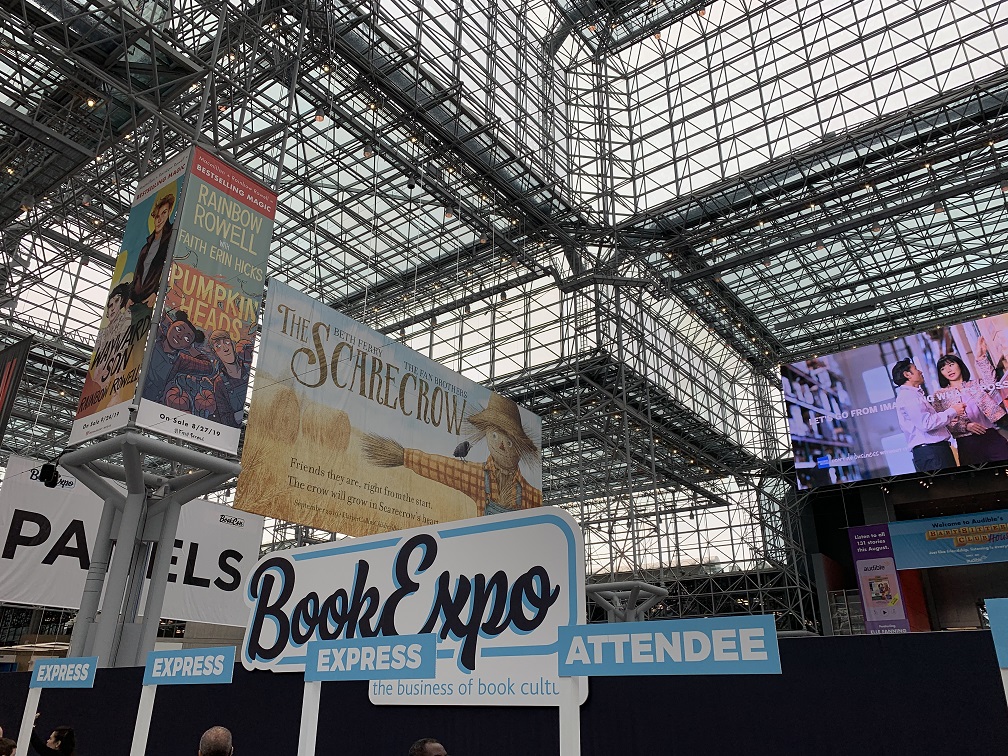
In case you don’t see the fun here, the banner (above) for Beth’s book (below) was about fifty feet long. Maybe bigger.
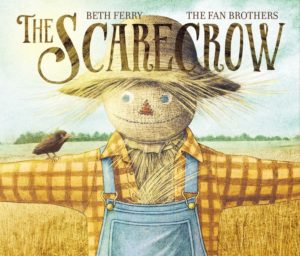
Before we get to Beth directly, let’s do a little more backgrounding.

Beth:

  • loves every shade of purple
  • has mad love for bulldogs
  • lives within a stone’s throw of a New Jersey beach
  • only grows pumpkins in her garden
  • can never have enough lemon cookies and hot tea
  • adores Anne Shirley of Anne of Green Gables

And she’s the author of more than a dozen picture books including these fine titles (which I heartily endorse).
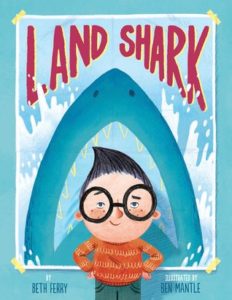
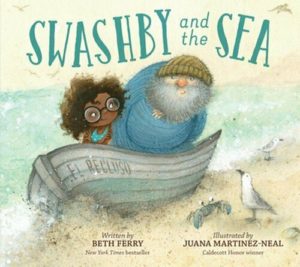
Okay, now that we’ve gotten a good sense of who Beth is and what she’s about, let’s dive into the interview.

Website: www.bethferry.com

Twitter: @bethferry1

Instagram: @bethferry1


RVC: What role did SCBWI (Society of Children’s Books Writers and Illustrators) play in your writing journey?

BF: SCBWI was the first real resource that helped me understand how publishing works. It answered the many questions I had and showed me how much I really needed to learn. SCBWI taught me to treat my writing as a profession. Once I approached writing that way, it helped focus me.
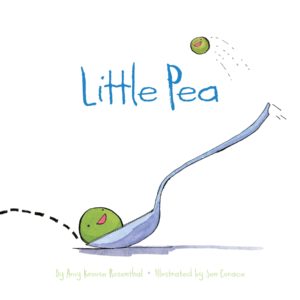
RVC: What were some crucial mentor texts in those early years of writing?

BF: The first book that comes to mind is Little Pea by Amy Krouse Rosenthal. That book made me realize the simplicity, the complexity, the brilliance, and the sublime silliness inherent in the best picture books. It was the book I remember having on my desk when I wrote Stick and Stone.
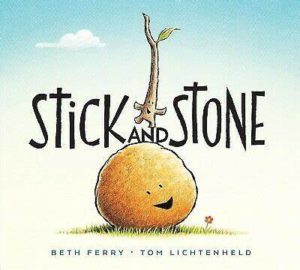
RVC: What’s the story behind Stick and Stone, your first picture book sale?

BF: I brought Stick and Stone to NJ SCBWI’s June 2011 conference. I had a one-​on-​one with an editor from Penguin who gave me some really positive feedback. He encouraged me to get an agent.

RVC: Is that how you ended up with super-​agent Elena Giovinazzo at Pippin Properties?

BF: Like I said, I was told: “Get an agent.”

Three little words.

One BIG task.

RVC: Totally agree!

BF: I submitted Stick and Stone to Pippin in the fall of 2011 and Elena pulled it from the slush pile and sold it in December. How’s that for crazy?

RVC: I often tell my students that hard work + timing + luck is the winning combo. Clearly it was for you, too!

But back to that first book. The hardest part of writing Stick and Stone was __________.

BF: …keeping to the word count I set for myself. I gave myself the goal of writing a story in under 200 words. I began writing Stick and Stone in prose, but couldn’t keep to the word count, so I decided to try it in rhyme. Once I switched over to rhyme, it just worked.

RVC: What surprised you most about Tom Lichtenheld’s illustrations?

BF: How perfect they were. Tom sent 3 different versions of the book for us to consider. I’m sure that every author you interview will tell you that the feeling of seeing the art for your very first book for the very first time is magical, indescribable, euphoric. And it is. Tom’s illustrations brought the story to life in the most perfect way. What surprised me even more is what a great guy he is. I’m extremely lucky to get to work with someone as talented and wise as he is.

RVC: Picture books are a whole bunch of collaborations of one type or another, but perhaps the most important is the author + agent combo. Why are you and Elena such a great fit?

BF: Elena understands that I’m prolific and supports me fully, no matter how many manuscripts I send her. She often pushes me to write things I may not have considered writing, such as graphic novels and chapter books. I know she believes in me and that helps me through the ups and downs of publishing.

RVC: What’s Elena’s superpower?

BF: Persistence! She never gives up on a story that we both love, or that I feel very strongly about. If it gets rejected a number of times, we might take a break from submission, but I know she’ll never give up on it, which really translates to knowing she’ll never give up on me.

If that’s not a superpower, I don’t know what is.

RVC: When did you realize that you could do this for a living? And how did you know?

BF: That’s a great question with not a great answer. I write because I love it, because I can’t not write. I would do it even if I couldn’t make a living at it. There’s no magic moment where you believe you’ve made it or done it. There’s always just the next book. The next great idea.
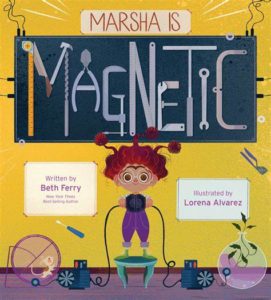
RVC: You just had a new book come out in January—Marsha Is Magnetic. When I first read it, I was struck by the pace of the book. When you turn in a manuscript like this, are you marking the page breaks yourself? How conscious are you of crafting effective page turns?

BF: I never paginate any of my manuscripts and actually don’t consciously consider page turns. I know how important they are, yet I focus more on making sure the story is satisfying. That’s my favorite word to describe a successful picture book – satisfying!

RVC: It seems as if you like rhyme even though you write plenty of books that don’t use it. In those non-​rhyming books (like Marsha Is Magnetic) how much do you tinker with the text to get the sound and rhythm satisfying?

BF: I love writing in rhyme and I always try to have some type of rhyme in all my books, whether it’s internal rhyme or just a rhyming couplet thrown in there somewhere. But you’re totally right that there’s a rhythm and pace to all picture books and I work really hard to make sure that my books have this. I spend most of my time tweaking my stories until I love how they sound when I read them aloud.
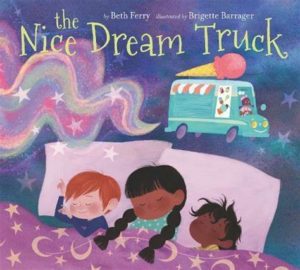
RVC: And…you’ve got a new book coming out in just over a month. It’s a bedtime story entitled The Nice Dream Truck. Care to give us a little teaser?

BF: Oh, how I love everything about this book. Playing with the words ice cream was the spark for the story and anything that has to do with ice cream and words is pretty excellent in my book. And this book explores the idea that nice dreams can be served up just like ice cream. It’s a bedtime story that encourages children to choose what they want to dream about right before going to sleep. I’ll have a triple scoop of bulldog puppies, please!

RVC: Me, too! Sounds sleepily scrumptious.

How do you handle making a bedtime book engaging while not revving a kid up so much that they (ironically) can’t get to sleep?

BF: I think the moments right before we fall asleep are when our minds are open to anything. We revisit parts of our day or we think of things we’re looking forward to. The idea that children can and should dream about goals or hopes or even fantastical romps with narwhals seems like such a satisfying way to head into dreamland.

RVC: In what ways did illustrator Brigette Barrager expand your original vision for The Nice Dream Truck?

BF: Brigette’s color palette is so dreamy and perfect. It totally captured the nighttime feel I had imagined, but her use of popsicles and ice cream scoops and cones for all the dream scenarios was such a wonderful surprise. Every page is full of ice cream! It makes so much sense, but it still surprised me!

RVC: You seem like you’ve got a very full plate in terms of your writing—witness five picture books coming out in 2021, and four in 2022! Congrats on all that success. How do you balance new work and under-​contract projects? Between your writing and non-​writing life?

BF: Time is such a strange thing. They say, if you want something done, ask a busy person. Which used to be me. But my three little “busys” have grown up, so now there’s not much difference between my writing life and my non-​writing life.

RVC: One last question for this part of the interview. Clearly, you’re a Harry Potter fan. If you had JK’s blessing to do a Potter-​themed picture book, what would you do?

BF: What a fun question! I think I’d have to do an unexpected friendship story, possibly between Hedwig and another owl. I’ve always wanted to do an owl book!

RVC: As JK might say, “Aparecium Interview Part 2!” which means, of course, that it’s now time for the SPEED ROUND. Zippy questions and zappy answers. Ready? 

BF: Hit me!

RVC: Best place in Jersey for slice of pizza?

BF: Carmen’s Pizzeria in Neptune, a.k.a. Pete and Elda’s.

RVC: What’s your biggest time waster?

BF: Watching Top Chef. I don’t even like to cook.

RVC: Which of your picture book characters thinks they’re most like you?

BF: Swashby!
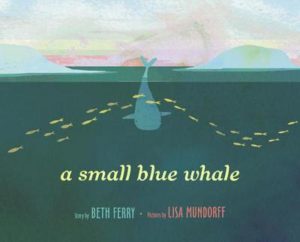
RVC: Which of your picture book characters is ACTUALLY most like you?

BF: The whale from A Small Blue Whale.

RVC: What are some recent picture books that really got your attention?
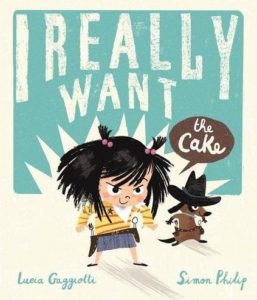
BF: I just read The Infamous Ratsos by Kara LaReau and loved it so much (although technically, it’s a chapter book.) I also thoroughly enjoyed the sweetness of Truman by Jean Reidy. I Really Want the Cake by Simon Philip made me laugh. And Tom Lichtenheld’s Louis, which he wrote, but did not illustrate, completely charmed me.

RVC: Best compliment a child ever gave your books?

BF: The very first time I read Stick and Stone to a group of 4‑year olds, they clapped. I was so surprised and delighted. I will never forget that day.

RVC: Thanks so much, Beth! Best of luck with your new titles this year!

BF: Thank you, Ryan, for these wonderful questions. I really enjoyed this.
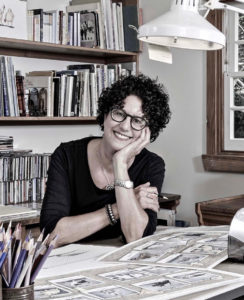
 

Author/​Illustrator Interview: Marla Frazee

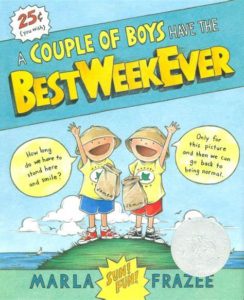
It’s always a treat when we get a picture book author who illustrates as well, and that’s exactly what we have with our January interview with Marla Frazee. (Witness two Caldecott Honors for her fine illustration work!) She was born and raised in LA, and has three grown sons who are off in the world, making her proud.
To get to know her a little bit better, let’s play seven truths and one lie. Here we go!

Marla:

  1. created the artwork for Sara Pennypacker’s bestselling Clementine series.
  2. had a childhood pet—a dog named Pappy who ran away at top speed every chance he got.
  3. refused to go to nursery school (and found kindergarten terrifying!).
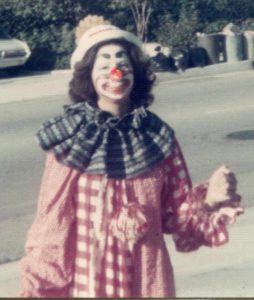
  4. had to go to detention for wearing a clown costume to a high school assembly.
  5. was a contestant on Art Linkletter’s “Kids Say the Darnedest Things” TV show.
  6. has a Little Free Library in her front yard.
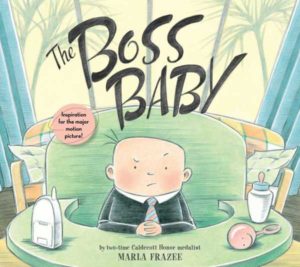
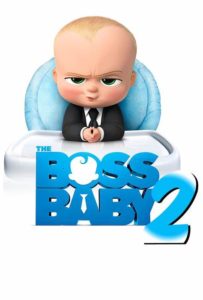
  7. authored The Boss Baby, which was adapted into a Dreamworks movie of the same name.
  8. works in a red-​doored studio in her backyard beneath an avocado tree.

Want to know which one is the falsehood? Read on and find out! The answer will be in the interview below.


RVC: What was the picture book that set you on the path to being a picture book maker?

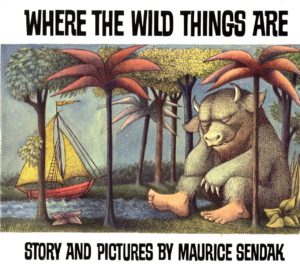
MF: It was, without a doubt, Where the Wild Things Are. I was 8 years old when it came out. I loved books, loved to draw, and was already planning to be a children’s book author and illustrator, but the moment I saw Max’s bedroom turn into a forest in just three page turns, well… it sealed the deal. I just wanted to learn how to make that sort of magic happen.

It’s still my favorite book of all time and I’m still trying to figure out how Sendak did what he did in it.

RVC: I’m sure you’ve been asked this before—are you a writer who does art, or an artist who writes? 

MF: I’m an illustrator who tells stories with pictures—and often words.

RVC: What kind of training did you have for your writing and your art?

MF: I went to ArtCenter College of Design in Pasadena, CA, and received a BFA in Illustration. I’ve attended as many SCBWI (Society of Children’s Writers and Illustrators) conferences as I could. I’m also a long-​time subscriber to The Horn Book Magazine which has given me a sense of both publishing history and its current state, notable books and the people who make them, and some understanding about why certain books get great reviews and others don’t. When I had children and read a bazillion books to them over the years, I developed my own passionate opinions about which children’s books worked and which didn’t. That’s been my training!

RVC: It took a while for you to break into picture books.

MF: It did take a while! No one could ever say I was an overnight success!

RVC: What kinds of things did you do along the way before landing that first book deal?

MF: I worked at Disney Studios after I graduated and quickly realized it wasn’t for me. I quit after 6 weeks to become a freelancer—and that’s what I’ve been doing ever since. In the years after that, I did whatever kind of illustration job I could get: textbook and mass-​market books for kids, editorial illustration, advertising, greeting cards, and stuff like McDonald’s Happy Meals boxes and kid-​friendly mascots for every team in the National Football League. But during all those years, I was trying to get published. I just wanted to make picture books.

RVC: You’ve had incredible success as an illustrator for picture books, having received a Caldecott Honor for All the World and A Couple of Boys Have the Best Week Ever. How aware were you of those books being special during their making?

MF: I’m not sure how this will sound, but I always think the book I’m working on is special. If I don’t, I’ll keep revising until I do. And if I still don’t, as painful as it is, I put it away. The thing I am most surprised about, honestly, is which of my books do end up connecting more than others. I am the worst judge of how a book of mine will do once it is out in the world.

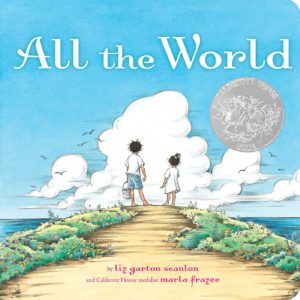
RVC: Liz Garton Scanlon did an interview with OPB in 2018—she’s terrific. What was the biggest challenge you faced in illustrating her manuscript All the World?

MF: Liz IS terrific. I’m with you on that!

RVC: Absolutely!

MF: Back to the previous question, I was immediately aware that her manuscript for All the World read like a classic. The biggest challenge I faced was getting my head around the title. I mean, a book about ALL the world? I knew I couldn’t illustrate a book about all the world. So I thought about what it was like to feel a part of the world—to be somewhere you love with people you love—and illustrated that.

It took a while to figure out. I dumped a nearly finished sketch dummy and started over. Our editor, Allyn Johnston of Beach Lane Books, kept both Liz and me on track through a number of revisions. Allyn had a sense of the emotional power of All the World from the start. She was instrumental in how that book came to be.

RVC: How is the process different with illustrating your own books versus the books of others?

MF: I love alternating between doing one of my own books and then illustrating someone else’s words. The process is very different. If it’s my own, I’m moving back and forth between pictures and words. It’s usually a big mess and I often don’t know it will come together. On the other hand, when I say yes to a manuscript, it’s already written. And it intrigues me, challenges me, and isn’t anything that I could’ve come up with myself. My job is to bring the picture story to a place where it is an equal partner to the words. It feels acrobatic.

RVC: How many books are you typically working on at the same time, and how long do they generally take?

MF: I typically work on one book at a time and once I’m actively in process (as opposed to marinating), each book usually takes a year.

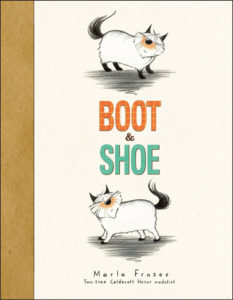
RVC: Let’s talk about Boot & Shoe. On one paw, it’s a funny dog bromance, but on the other paw—like so much of your work—there’s wit and wisdom, as well. How did this interesting story come about?

MF: Ha! Well asked!

Let’s see. I was teaching my Children’s Book Illustration class at ArtCenter, something I’ve done on and off for 25 years, and I listened as a student read Blueberries for Sal to the class. I love that book and it’s been a major influence in my own work, but this was the first time since I was a child that anyone read it aloud to me. I was thinking about how hilarious it is when we, the reader, know what’s going on but the characters don’t. Little Sal is following Little Bear’s mom and Little Bear is following Little Sal’s mom, and they don’t know it yet! But we do!

I decided right then that I wanted to make a book like that. I remembered how fun and funny it was to play hide-​and-​seek around a tree; one person going one way, the other person going the opposite way. That’s how the idea started.

RVC: Which of your books surprised you the most in terms of how it came out?

MF: The Boss Baby was one of the hardest books to figure out. It was funny in concept but unfunny for a long time in execution. The baby character needed to be cute, but not-​cute. The tone needed to be understood by a child, but sophisticated. The setting needed to be contrived, but realistic. I almost gave up on it. Obviously, I’m very glad it finally worked.

RVC: I think it’s fair to say that you might be best known–beyond the kidlit world—for The Boss Baby movie. How did that all happen?

MF: I heard that DreamWorks animation was interested in optioning The Boss Baby right before the book was published. I was thrilled, of course, but didn’t take this to mean a feature length film would actually be made. I know there are a lot of hurdles. But we just kept hearing good news about where it was in first the development process, and then in the production process.

During these years, DreamWorks invited me to the studio a number of times to meet the filmmakers and see the progress. It was an incredible experience to watch how much love, care, and talent went into it all. I always left completely blown away and inspired.

RVC: Just the other day, I saw that the movie sequel is coming out in late 2021, and there’s the Netflix TV show that’s been going for a few years now. How involved are you in the spinoffs?

MF: I was invited to see the sequel a few months ago when it was about 60% finished and had a great conversation with the producer afterward, but I have no creative involvement with the Boss Baby films or TV show. I’m more like a soccer mom. I sit on the sidelines and cheer.

RVC: You once said that kids read the pictures in a picture book in a way that adults no longer can. What does that mean? 

MF: Kids really read pictures. For story. For meaning. They see everything. No detail escapes them. They’re experts at it.

I think that once we learn to read words, this picture-​reading skill lessens and words take precedence. By the time we’re grownups, we aren’t all that great at reading pictures. We see them, sure, but we don’t study them the way kids do. I feel honored and humbled to be working for an audience of picture-​reading experts.

RVC: You’re really good at working the page turn—something would-​be picture book writers often ignore or struggle with. What’s your secret?

MF: What a nice thing to say! I work on thumbnails sketches for months and months to get the pagination right. The picture book form is a beautiful challenge and the page turn is one of its most unique and important features.

RVC: One final question for the “serious” part of the interview. What’s something you’re working on now that you’re really excited about?

MF: I’m trying to get a project to work. And I’m afraid it might not work. So “excited” isn’t something I’m feeling yet. More like determined. I’m really determined. I can’t talk about it yet.

RVC: I understand completely. With my own writing, I keep things quiet until that’s no longer an option, one way or another. Best of luck with it!

MF: Thanks!

RVC: Okey dokey, Marla. You’ve been waiting for it, and now it’s here—the Speed Round! Zoomy questions and zippy answers, please! Are you ready?

MF: I’m not too zippy, but sure…

RVC: Star Trek, Star Wars, or Stargate?

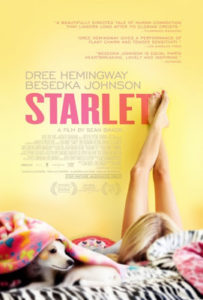
MF: None of the above. But have you ever seen the 2012 Sean Baker film Starlet? I loved that!

RVC: Best place in Pasadena for California pizza? 

Casa Bianca Pizza Pie in Eagle Rock (which is Pasadena-​adjacent; the neighboring town). Get the eggplant pizza.

RVC: Who would’ve been your Dream Author to illustrate for? 

MF: Ruth Krauss.

RVC: What’s your go-​to art tool?

MF: An eraser, maybe? I erase A LOT!

RVC: What’s the last picture book you read that totally WOWed you?

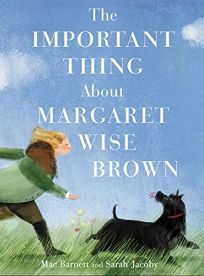
MF: I was blown away by The Important Thing About Margaret Wise Brown, written by Mac Barnett and illustrated by Sarah Jacoby. The way it was written and the way it was illustrated and the person it is about. My god. I felt that it was an innovative and expertly crafted as Margaret Wise Brown’s work was and because of that, it honored her legacy in every way possible.

RVC: Three words that sum up your picture book philosophy.

MF: Go for emotion.

RVC: Thanks so much, Marla! And for those who really want to know which of the bio “facts” in the introduction was actually a falsehood, the answer is…

MF: I wasn’t on Art Linkletter’s TV show, but my best friend Lisa Gilden was. She won a bunch of prizes that we played with together. I recall a toy vacuum cleaner and a croquet set. Obviously the croquet set was more fun!

RVC: For those of you who didn’t notice, the above falsehood means that Marla WAS sent to detention “for wearing a clown costume to a high school assembly.” And Marla was nice enough to include a photo by way of proof. What better way to end this interview than that? Thanks, Marla!!

Author Interview: Doreen Cronin

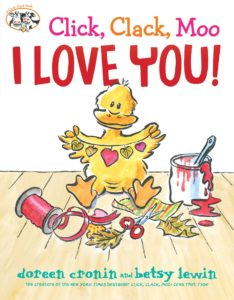
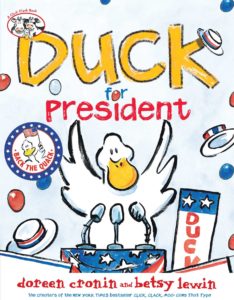
Talk about ending the year strong! This month’s author interview is with bestselling, award-​winning author Doreen Cronin, who’s known for (among other things) her Click, Clack series. If you don’t know these books, please remedy that immediately because they are truly first-​rate. Here are just a few of my faves from that series:
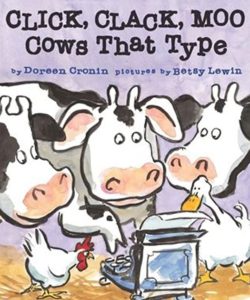
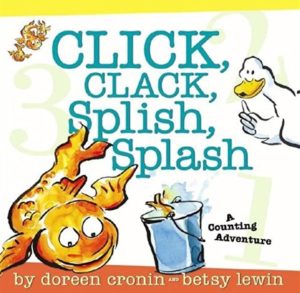
Doreen’s also the author of Rescue Bunnies, Bloom, Smick!, and many other books. She currently resides in New York City with her husband, two daughters, and a dog named Buster.

Let’s get on with the interview!


RVC: You were lucky enough to receive some very early encouragement from a teacher. What was it, and what did it mean to you?

DC: I was a very quiet, very studious six year old–with a deep fear of speaking up in class. My first-​grade teacher, Mrs. Cooper, couldn’t really get me to open up in class, so she started to give me writing assignments. Funny thing is, I didn’t consider them work since they were chances to “speak” in poem, in song, and in stories. She was just brilliant.

After quite a few of these “assignments,” which were really just opportunities to be heard, she said, “Ah, I see now. You’re a writer.”

I didn’t know “writer” could be a job. I’m not even sure I connected it with books, per se, but I knew she was right.  “I am a writer.”  On the hard days now, I still have to remind myself.

RVC: You took a sidetrack from Mrs. Cooper’s plan for you becoming a writer. You went to St. John’s Law School in the late 1990s and practiced law in downtown Manhattan for a few years. What appealed about that type of career?

DC: The research–and the writing! A career where I get to bury myself in these giant, gorgeously bound law books and analyze cases and then write pages and pages of a position or an argument? That was, at its core, a writing job, and I absolutely loved it.

RVC: How long were you juggling the two careers? Were you writing the entire time you were practicing law?

DC: I wrote so much when I was practicing law. When time is scarce, you make the most of it. And when your brain is going all day, it just doesn’t shut off at night (as we all know.).

Luckily for me, my brain could review documents and read cases and write briefs all day–and many nights and weekends–and then when I got home, she wanted to talk about cows. I let her talk.

RVC: Your dual-​career story reminds me a good bit of John Grisham, who also moved from a successful legal career to a successful writing one. How did you know when it was time to stop juggling and take the literary plunge?

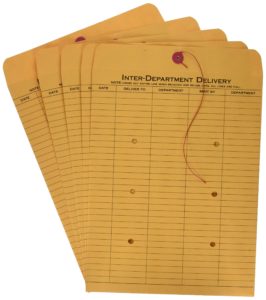
DC:  I don’t know how many readers are familiar with the “interoffice envelope,” but it is (was?) a large, manila-​type envelope with printed lines of “To” and “From” on front and back, to be re-​used over and over again.  At the top of the envelope was a deep maroon “paper button” and a string that looped around it (to secure the contents, ha!).  The mailroom would drop off piles of these and inside were memos, of course, and briefs you worked on that have now been red-​inked to within an inch of their original arguments (and not nearly as kindly as your editor’s remarks. Think “CRONIN, THIS IS NONSENSICAL GARBAGE” as opposed to “I’m not sure what you’re saying here.”).

Something happened a few months after Click Clack Moo was published and I would unloop the paper button on the  interoffice envelope and letters addressed Doreen Cronin, Author, would spill out. Readers were asking me what Duck was going to do next. And did I visit schools? And what was my favorite color?

That’s when I started to think about writing full time. I had lunch with two of my publishing colleagues and asked them if I should quit my day job. They both said “absolutely not.” So, of course, I did, because I don’t like being told what to do.

RVC: Let’s talk about Betsy Lewin. When did you first see the illustrations for Click, Clack, Moo?

DC: Oh, boy, very late in the game. I had never spoken to the art director or to Betsy. I was sent a copy of the sketches (by REAL MAIL, with STAMPS) and I was speechless. I had no idea what any of the characters looked like when I wrote the story. I didn’t even think about what they might look like.

Then I opened my envelope (another big manila one), and there they were.

It felt like they had been born. I actually cried. It was an extraordinary feeling to see them and meet them for the first time. Even if it meant crying alone through a fog of cigarette smoke. (Yes, I quit a long time ago.)

RVC: Why do you think her art works so well with the Click Clack books?

DC: Because she’s brilliant and funny and generous and so is her art. Betsy speaks in pictures and I speak in words and they just work together. Our written story and our illustrated story just understand each other and complement each other. I don’t know how else to explain it.

RVC: How collaborative is the storymaking process between the two of you?

DC: It isn’t! I like to write and then get out of the way.

There have been a few occasions over the years where Betsy will call me and say, “Can we talk about this page? I’m having some difficulty.” On every single one of those occasions, the problem was the text.

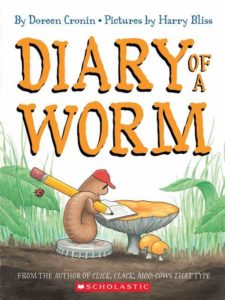
RVC: My kids really got a kick out of the Bug Diary series. The first one, Diary of a Worm, came out in 2003. What’s the story of how that book came about?

DC: I was trying to write a book about a girl with a really annoying kid brother (hello, autobiography). So when he bothered her, she would call him a pest and then…name the pest.  So, “You’re so annoying, you’re like…a worm!”  Then kid brother, being full of grit and resilience, would look up the pest and find out what makes the pest “good.”

Yes, pretty boring.

After about six months of writing that, I wrote a page where the kid brother writes in his journal as a worm, having been hurled that insult by his rude sister (hello, autobiography). After revising and revising that manuscript, that single page was the only page I liked, thus, Diary of a Worm was born.

RVC: I’m glad you stuck with the idea long enough to find the story you intended. Sometimes those things hide forever!

You’ve been fortunate to have earned a lot of honors, awards, and successes for your writing. Which meant the most to you?

DC: The first one, the Caldecott Honor for Betsy and the book for Click Clack Moo. Why? Because I didn’t even know what it was–I was blissfully unaware in the most innocent and ignorant way. Wasn’t aware of the ALA awards, wasn’t aware what was happening on that Monday in January. I had the day off from lawyering and I slept in. When the phone rang, I had absolutely no assumptions about who would be calling.

Ignorance really is bliss sometimes. Once you become aware of it–YOU WANT IT.

RVC: One last question for this part of the interview. You seem to be drawn to animal characters. Which of them do you feel is most like you?

DC: Ha! Duck and Worm. Duck is the side of my personality that has a problem with authority, and Worm is the side of my personality that needs to write to be heard.

RVC: Okey dokey, it’s time to get serious with a capital S—that’s because it’s the Speed Round. Zoomy questions and lickety-​split answers, please. Are you ready, Doreen?

DC: Always ready…

RVC: The best place in NYC for bagels? Pizza? Smoothies?

DC: My kitchen! It’s the most boring of answers ever given to the NYC’s best question, but due to an autoimmune condition, I live a dairy-​free, gluten-​free life. So I make my own GF bagels, GF pizza, and dairy-​free smoothies. ALL DAY LONG.

I would like to take this opportunity to plug the enormous, counter-​hogging air fryer–because it has transformed my soggy, gluten-​free life into a crispy extravaganza!

RVC: On a scale of 1 to 84, how much did you intend Click, Clack, Moo to be a sneaky lesson in collective bargaining?

DC: Ha! ZERO. I thought it was about the power of the written word–and how language changes everything. My then-​husband called me a socialist after he read it.

RVC: If Duck ran for President in 2020, what would’ve been his campaign promise?

DC: 2020–Back the Quack!

RVC: Five words that describe your writing process.

DC: Chaotic, sporadic, hilarious, inspired, tiring.

RVC: What was your favorite picture book of 2019?

DC: I couldn’t possibly!

RVC: Best compliment a child ever gave your books?

DC: Compliments from children make me cry. The best one is probably “I want to be a writer now, too!” Mrs. Cooper strikes again!

The funniest inquiry I ever got was, “Are you okay?”

RVC: Thanks so much, Doreen! We really enjoyed having you swing by to wrap up 2020 in style!

Author Interview: Lisa Katzenberger

This month’s Author Interview is with Illinois author Lisa Katzenberger. I learned about her via the Perfect 2020 Picture Book Group—a “group of picture book authors and illustrators debuting throughout 2020” (which includes July’s Author Interviewee, Kristen Schroeder, and last month’s Author Interviewee, Anita Amin—who, like Lisa, also has twins!).
Let’s prepare for the real interview with a mini-​interview! How’s that for ten bio-​focused questions of fun?

  1. Hometown: Midlothian, Illinois
  2. Age you knew you were a writer: 3rd grade
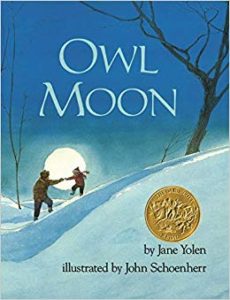
  3. First magical experience with a picture book: I don’t remember reading picture books as a child, so my memory is reading to my kids and I will never forget the first time I read Jane Yolen’s Owl Moon—that wordless spread always gets me!
  4. First non-​book-​related job you’ve had: Shampoo girl at Fantastic Sam’s
  5. Best late-​night reading beverage: Water (or I’ll fall asleep)
  6. Story plotting style: Story spine
  7. Query # that landed your first agent: 103
  8. Secret place you like to read: Not very secret, but the left-​hand corner of my couch is best.
  9. Current writing-​adjacent volunteer position: Social Media Coördinator for SCBWI Illinois
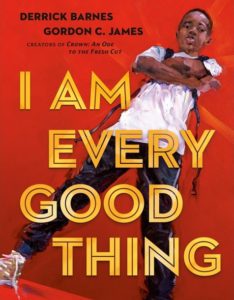
  10. The picture book you’re recommending to everyone right now: I Am Every Good Thing, written by Derrick Barnes and illustrated by Gordon C. James


Alright, I think we’re ready. On to the main attraction!

Website: http://www.lisakatzenberger.com/

Instagram: https://www.instagram.com/lisakatz17/?hl=en

Twitter: https://twitter.com/fictioncity


RVC: You’ve got a brilliant story about your start as a writer. Wanna share it?

LK: In third grade, we had a writing assignment and I got to work on a story about a haunted house. I remember covering front and back of pages of notebook paper in that very smeary blue erasable pen!

RVC: Oh, I LOVED those smeary pens. I made such a mess.

LK: When the writing session was finished, my story wasn’t. So I told my wonderful, very 80s teacher with big blonde permed hair and stonewashed jeans, Mrs. Nagratski, that I wasn’t finished, and she replied, “Well, keep writing then.” So I did, right through the very next lesson.

I haven’t stopped since!

RVC: Love that story. I tell a similar one about how I got a Ph.D. No one told me to stop attending classes after I got a B.A., so I just kept going.

Back to you–you earned a degree in Journalism and did work as a technical writer. How did those experiences help prepare you for success in writing kidlit?

LK: My degree in Journalism taught me how to interview people, listen, and learn that everyone has a story to tell. It also taught me how to write tightly and lose the fluff, something that is critical for writing picture books. As a technical writer, I had to learn to take complex subjects like telecommunications or insurance regulations and boil it down to its simplest meaning. I learned how to express big ideas in simple, clear language.

RVC: I’m a fan of the Adventures tab on your website, not just because you’ve seen/​done cool things, but—and it’s going to get spooky-​weird here—because you have Northern Illinois University’s Northern Star newspaper listed there. That school’s where I did my undergrad (eons ago), and I also had an early publication with the paper there, too! (An irate letter to the editor, if memory serves.)

LK: Thanks! My husband and I love to travel and we really miss it during the pandemic. I’ve had more than a few stories inspired by my trips. And my time at The Northern Star was critical to my development as a writer and editor. I learned to write on deadline and take feedback from others.

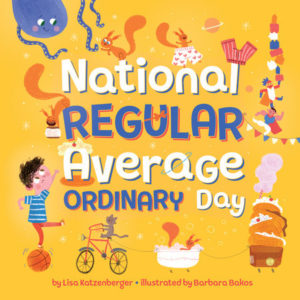
RVC: Your picture book, National Regular Average Ordinary Day, came out this June, right during all the COVID-​19 quarantining. What did you do to promote the book (versus the live interactions and events you originally planned)?

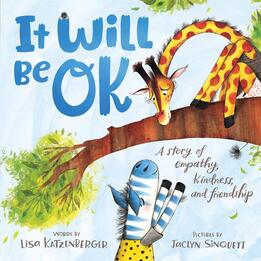
LK: Oh, the Zooms! I did a virtual book launch at The Writing Barn, and storytimes for my local library and Chicago area independent bookstores. I wish I could have done more, but crossing my fingers that I will be able to with my next book, It Will Be OK, coming out in February 2021.

RVC: National Regular Average Ordinary Day landed on the Today Show’s list of great summer reads. Congrats on that! Any idea how that happened?

LK: I shared early review copies with lots of people in my network, and my publicist reached out to media outlets as well.

RVC: How did it feel to be listed among so many kidlit greats?

LK: Oh my gosh, amazing. I was flabbergasted to be on the same list at authors whose work I admire so much like Christian Robinson, Jessie Sima, and Miranda Paul.

RVC: The book seems to mesh text plus image especially well. Did you use art notes when you submitted the manuscript?

LK: I did actually. It was submitted with art notes about the rating system. Then once it was acquired, my editor put in more art notes before it went out for illustration.

RVC: What holidays did Peter–the book’s main character–make up that didn’t quite make the cut and appear in the pages?

LK: I looked back on previous revisions and the holidays Peter made up were always there—I didn’t cut any! What I did change were the real holidays that Peter celebrated.

Sorry, National Button Day, but you didn’t make the cut!

RVC: If I asked Peter what you got most right about him, what’d he say?

LK: He’s honest. Like any kid he gets bored, and he’s not afraid to admit it. Even pout a little. But he’s open to letting inspiration strike and running with it!

RVC: What picture-​book-​writing lesson did this book teach you?

LK: I think it taught me the importance of a cast of characters. Once my editor paginated the book, she asked for two more spreads of content. So I added Devin, a friend for Peter to interact with. I think having someone to share his frustration with then later apologize to helped make Peter a more rounded character.

RVC: Not only are you in Perfect 2020 Picture Book Group, but you’re also in the 2021 Picture Book Scribblers promo group. How has being in those groups helped?

LK: It’s so nice to have a support system of people who are going through the same thing as you are at exactly the same time. I love having a private place where I can ask silly newbie questions! It has also introduced me to great books and wonderful friends.

RVC: You’ve done something I’ve seen more and more—you had an agent for years, then you changed to another one. What advice do you have for those thinking of making a similar move?

LK: It was a really, really hard decision to leave my first agent and search for a new one. I agonized over it for months. My advice is to really evaluate the relationship—both what’s not working and what is—and determine if you will be happy if the relationship is in the same place in two months, six months, a year. Do you see it growing and changing? Are you getting what you need? Are the lines of communication open? Have you had a talk with your current agent about all this? Really be introspective, questioning, and honest. I talked to other friends in the industry who had also moved on from an agent, and while I hoped they would give me the golden answer, it was really something I had to figure out for myself.

RVC: Your new agent is OPB friend Wendi Gu (her interview with us happened here not so long ago). How did you know she was the right fit? What kind of evidence helped make the case?

LK: I felt very comfortable with Wendi, and I was really impressed with how serious she took the agent-​author relationship and my work. She asked me a lot of questions, and had ideas on how some of my stories could be sharpened. She came across as thoughtful, smart, professional, and kind. Having been her client for a year and a half now, I can confirm she is all those things, a joy to work with, and my constant cheerleader. She will tell me, kindly, when my stories aren’t quite there yet, push me to dig deeper, and then celebrate with me once I get it right.

RVC: In 2021, we’ll see the publication of It Will Be OK. Care to give us a hint of what that picture book will be about?

LK: It Will Be OK is story of an anxious, overwhelmed giraffe and his loyal zebra friend whose patience and presence help him face his greatest fear head-on.

RVC: Sounds both terrific and timely.

Now, one final question for this part of the interview. If you had to “do it all over again” in terms of launching a picture book career, what’s one thing you’d do differently?

LK: I wouldn’t have sent out queries on those early cringe-​worthy manuscripts. We all kind of go through this, and it’s part of the learning process, but yikes those early stories were bonkers!

RVC: Lisa, it’s time! “For what?” you ask. “For velocity, haste, and alacrity!” is our answer. And that’s because it’s indeed the moment for the much-​awaited, never-​equaled, always-​surprising SPEED ROUND

Blasty-​fasty questions and zippy-​skippy answers, please. Lisa, are you ready?

LK: Yeppity-​yep-​yep!

RVC: Best place in Chicago for deep dish?

LK: Giordano’s.

RVC: Favorite exhibit at the Field Museum of Natural History?

LK: SUE the T. rex.

RVC: Best IPA you’ve ever had?

LK: Lagunitas IPA.

RVC: Three of your fave Chicago writers?

LK: Sarah Aronson, Kate Hannigan, and Patty Toht.

RVC: Best picture book of 2019?

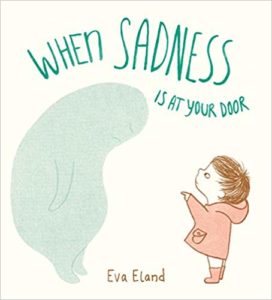
LK: When Sadness Is at Your Door, written & illustrated by Eva Eland.

RVC: Three words that get to the heart of what a great picture book is.

LK: Heartfelt, honest, re-readable.

RVC: Thanks so much, Lisa! It’s always a hoot to hang out with a fellow Chicagoan, NIU alum, and kidlit writer.

Author Interview: Anita Amin

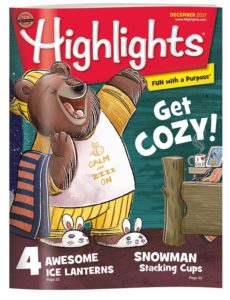
This month’s Author Interview is with Tampa Bay writer Anita Amin, an Indian American author of many kidlit books, with more than 100 published short stories and articles in children’s literary magazines (like Ladybug, Spider, Humpty Dumpty, and Highlights) and education resources. And if that doesn’t make you think she’s a hard worker, when I invited her to do this interview, she confessed that she has eleven (11!) chapter and leveled readers books going to be published between now and the end of 2021.

To help us get to know her a bit more, here are five facts about Anita:

  1. Born and raised in the US, she’s the daughter of Indian immigrants. “My family roots stretch across North India, from the royal desert of Rajasthan to the bustling river city of Kolkata.”
  2. She has a Biomedical Engineering and Electrical Engineering degree (from Duke) and an MS in Computer Engineering (NC State).
  3. She used to design microcomputers, and then had a long career in the IT field before becoming a writer.
  4. Her travel bucket list includes: Antarctica, Egypt, Iceland, and Morocco.
  5. She writes secret coded messages for her kids.

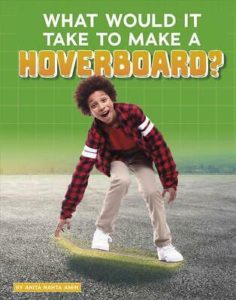
One final thing. Anita had two STEM books come out in 2020, and let me tell you, What Would It Take to Make a Hoverboard? is a book I would’ve loved as a kid, though I probably would’ve torn apart my mom’s station wagon to get the parts to try to build it, so maybe it’s a good thing it didn’t come out back then!

In any case, now that we’re all pals, let’s get to the interview and find out more about what makes Anita so prolific!


RVC: In 2006, you left a long-​time career in information technology to become a writer. Was that a sudden thing or had it been brewing for a long time?

AA: Actually, I left my job in 2006 to focus on family. I had no idea I would eventually become a writer, even though that had been my childhood dream.

As a child, I wrote short stories every day. I wanted to attend young writer workshops, instead of summer camps. I remember pausing by the barely open door of a high school literature class, wondering what they were discussing, wishing I could live in their world too. It was the only AP class, for which I hadn’t qualified; I was always stronger in math and science, and so in college, I pushed my dreams aside, believing I could never make it as a writer. I became a business consultant in information technology instead.

But deep down, my passion for writing never completely extinguished. After I left my job, I started to play around with words, writing short stories just for my own fun. Writing became my retreat. It made me feel happy and whole – just like when I was a child.

RVC: How did it actually happen for you?

AA: As I began to write more and more again, I started thinking maybe I could try to get a story published. But I had no idea where to start. Were my stories publishable? Were they the right format for submission? Was I even writing the “right” way? And what market did I want to write for? This is when I started to take classes, and as I learned more, I became serious about writing for children and writing for publication as my goal.

RVC: I think you’re the first OPB interviewee who’s taken classes at the Institute of Children’s Literature. Tell us about that organization, and how did it help you get your start? 

AA: The Institute of Children’s Literature (ICL) was a great way to start learning about the basics of writing for the children’s market. I took three classes: two about writing for magazines and one about picture book writing. In each course, ICL matched me with an experienced children’s editor or author, who critiqued my outlines, manuscripts, and revisions. Communication about assignments was through email.

After ICL, I continued revising many of my assignments through other workshops and critique groups. Many of these revised stories were later published in print magazines and online educational resources such as Super Teacher Worksheets, which provides worksheets to teachers and homeschoolers all over the world. It’s always fun when I see a child bring home one of my stories as a homework assignment!

RVC: What kind of other things did you do to improve your writing skills in those early post-​IT career days?

AA: I joined the Society of Children’s Book Writers & Illustrators (SCBWI), an international organization of children’s writers and illustrators, representing every stage from beginner to seasoned and published. Their discussion boards are helpful for learning more about the craft and industry and for asking questions. They also offer great learning and book promotion opportunities.

During my early post-​IT days, I gravitated toward the magazine market because my first writing course was about short story writing. I identified the magazines I wanted be published in – like Humpty Dumpty and Highlights. I pulled apart the short stories in those magazines. How many sentences did each paragraph typically have? How many words per line and per paragraph? Did they typically run humorous or serious stories? I studied these stories for character growth and plot arcs. Analyzing mentor texts helped me learn how to write.

RVC: One of your early writing career highlights was, aptly enough, landing a short story in Highlights–one of those mags you studied so carefully. Tell us the story of that big success.

AA: Over four years, I tried getting published in Highlights. After several rejections, I took a break from submitting there. Even though I was slowly building up from first reader passes to personal rejections directly from the fiction editor, I had little hope that Highlights would ever accept one of my stories. It just felt impossible.  So, I focused on magazines which had higher acceptance rates.

One ezine needed stories about Valentine’s Day. This theme inspired me to start writing a story, but I missed the ezine’s submissions deadline. I kept working on the story for several months more. Once it had been polished enough, I thought to myself, I really like this story. Maybe I should try submitting it to Highlights. So off it went in the mail (this was before electronic submissions). Imagine my surprise when I received a Bear Card back! Back then, Highlights used to send a “Bear with us” postcard – basically meaning it was seriously being considered for publication. Still, I didn’t want to get my hopes up. Another couple of months went by. And then I received my self-​addressed stamped envelope back from them. I noticed the envelope had been carefully taped so nothing would fall out. But it was thick like several pages of a manuscript had been sent back to me. I opened the envelope and there was my letter. Highlights had accepted my short story, “A Valentine for Nanima,” which was published in their February 2013 issue.

RVC: Congrats on that. But that publication story has a hard-​to-​believe cool bonus element to it. Wanna share?

AA: My acceptance to Highlights came the same day I found out I was going to be a mama – of twins! A boy and a girl, complete opposites and best friends.

RVC: In 2016, you decided to expand your writing to include picture books. How did that transition go?

AA: It was harder than I realized! Initially, I thought writing picture books would be similar to writing magazine stories, because the word counts are about the same. But after taking classes and workshops and analyzing other picture books, I found out I was wrong! Chapter books (I write these as well) are probably a more natural transition from magazines.

In picture books, page turns (how the text ends on a page to make the reader want to turn to the next page) are important. The book relies on art work to tell the story as much as the text. You don’t need to worry about these with short stories.

Joining an organization like Julie Hedlund’s 12 x 12 Picture Book Writing Challenge has been fundamental in learning more about picture book writing and keeping up with the market. Through this organization, I’ve also learned about work-​for-​hire opportunities and have written several leveled readers and chapter books, including What Would It Take to Make a Hoverboard? and What Would It Take to Make a Jet Pack? (Capstone Press, January 2020). It felt good to put my STEM skills to use again.

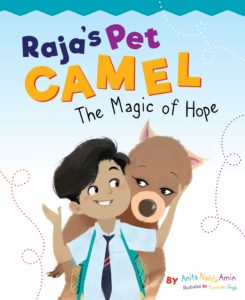
RVC: Your debut picture book, Raja’s Pet Camel: The Magic of Hope, came out last week.

AA: My publisher, Cardinal Rule Press, organized a live virtual launch on October 1, 2020, the release day for Raja’s Pet Camel: The Magic of Hope. I read the book to viewers, showed some photographs of the Thar Desert, which is where the book is set, and answered questions from my publisher as well as the audience.

RVC: How did the launch go?

AA: The launch went great – above my expectations! This is in large part due to the strength of my publisher and her team, and the amazing support of my family and friends, the kidlit community, my debut picture book group, critique partners, and my launch team. Launching a book is definitely a community effort.

RVC: What’s the elevator pitch for the story?

AA: Raja is a little boy in India who loves his new pet: a mischievous, date-​loving, baby camel named Kamal. But his father is fed up and determined to sell the camel at the next fair. Raja must use the power of hope to try and change his father’s mind or he might lose Kamal forever.

RVC: What was the breakthrough moment with this manuscript? When did it all finally work?

AA: The process for this book spanned 11 years! I happened to come across a photo I had taken in the Thar Desert in Rajasthan, India of a little boy playing with his camel. This inspired me to write a couple of lines in my writing journal: a little boy throws his arms around his camel, not wanting to sell her, while his dad makes a campfire. (This would later form the desert scene in Raja’s Pet Camel.) The idea was for a short story for ages 8 to 12.

My thoughts sat in that notebook for a few years. Then I took an advanced class at the Institute of Children’s Literature and realized maybe my short story idea would make a better picture book.

At around the same time, I started remembering how there are a lot of animals in India, but hardly any pets. My kids had been asking for a pet, but I kept worrying about how much mischief a pet could make.

This is when the pieces fell together, and I realized the story should be a picture book about a little boy in India trying to stop his mischievous pet camel from being sold at the next fair. This story continued to change through workshops and critiques but the theme stayed the same.

RVC: Rumor has it you had a memorable childhood experience with a camel.

AA: Yes! My first trip to India was when I was three years old. I was in awe of all of the camels and wanted to ride one. My dad set me on a camel’s back, and I was just fine – until the camel stood up! It’s pretty high up there for a three-​year-​old. I started crying and screaming, and this is when we realized I’m terrified of heights – and still am.

RVC: Raja’s Pet Camel has interesting back matter about the Thar Desert. What are your goals for back matter? Got a good mentor text or two that uses back matter in a way you admire?

AA: I see back matter as a way to explain cultural elements found in the story or to supplement the story with additional information.

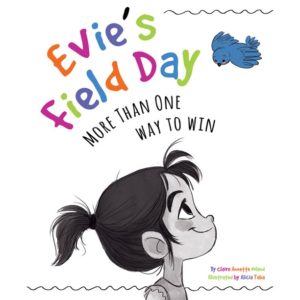
When my publisher asked me to include the top 10 facts about the Thar Desert, I was happy because most of the facts I’ve personally experienced. I drew inspiration from my memories and experiences, when deciding which facts to include so they also have a personal connection to me. I used Evie’s Field Day by Claire Noland as a mentor text for my book; it’s published by Cardinal Rule Press too, so I could see what type of back matter and how much detail my publisher likes.

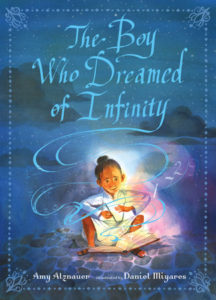
For back matter I also enjoy reading author notes because they often tell their own story. Some of my favorites have been in Numenia and the Hurricane: Inspired by a True Migration Story by Fiona Halliday and The Boy Who Dreamed of Infinity: A Tale of the Genius Ramanujan, written by Amy Alznauer and illustrated by Daniel Miyares. It was fascinating to learn about the inspiration behind both books.

RVC: Daniel Miyares is one of our grads here from Ringling College. He’s done some great work!

AA: I definitely liked the illustrations for that book!

RVC: I’m watching the #OwnVoices movement in kidlit with great interest. Beyond the obvious—opening the door for more diverse voices to find audiences—what else do you see happening as a result?

AA: Aside from the beauty of seeing more diverse voices and building bridges with other cultures, I think the #OwnVoices movement will help preserve cultural history and track how cultures change over time. Verbal stories can get lost over time. But if we write them down and they’re published for all to see, it will be that much harder to erase a culture and their stories from history.

RVC: What’s your writing process like? How involved is husband Jay and the kids?

AA: Very involved! My husband is my first Editor-​in-​Chief and often critiques my stories. My kids love to be involved, from helping to pick character names to reading my stories and providing feedback. They have some great ideas! My family has been amazingly supportive. I’m so lucky.

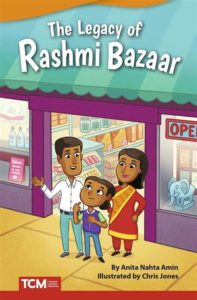
My writing process starts with my notebook and pen, even for my longer books like The Legacy of Rashmi Bazaar (Teacher Created Materials, 2019), a short chapter book for middle graders. I detest typing on the computer, so I write as much as I can in my notebook: fragments of ideas, outlines, paragraphs. On the rare occasion I’ll write out the whole story in my notebook, but normally I move to the computer for that. Once I’ve written a full draft, I let it sit for a few days at least – often weeks – and then go back and revise. I’ll let it sit again, revise, repeat, until the manuscript feels right.

RVC: A final question for this part of the interview. Looking back at when you switched to a writing career, where did you think it’d lead you?

AA: My plan in 2006 was to write short stories and eventually have one published in a magazine. I never expected to have one book published, much less seven by the end of 2020, with more forthcoming and so many short stories published in magazines and educational resources. I’ve been lucky and blessed so far!

RVC: Okay, we’ve reached that point in the interview where the point values are doubled, the stakes are raised, and it’s all about zippiness, because…it’s the SPEED ROUND

Anita, are you ready?

AA: Ready!

RVC: Best place in Tampa for Indian food?

AA: Gateway to India, though it’s actually in St. Pete.

RVC: If you had to live the life of a picture book character for a day, who’d it be?

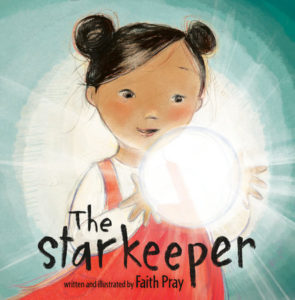
AA: The little girl in Faith Pray’s The Starkeeper because she spreads hope to everyone

RVC: You’re caught singing in the shower. What song’s the likeliest culprit?

AA: None. That’s prime brainstorming time!

RVC: Which of your twins is most likely to become a kidlit writer?

AA: Both. They both love to write short stories and short chapter books.

RVC: What’s the wear-​it-​out favorite picture book in your family?

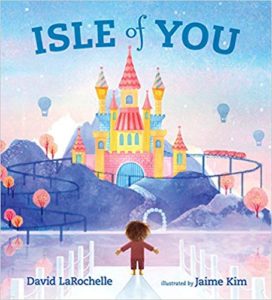
AA: There are so many! Hmm… My children’s favorites are Isle of You written by David LaRochelle and illustrated by Jaime Kim and Finding Winnie: The True Story of the World’s Most Famous Bear, written by Lindsay Mattick and illustrated by Sophie Blackall.

RVC: The writing motto/​quote you’ve found most useful over the years?

AA: “The purpose of a writer is to keep civilization from destroying itself.” –Albert Camus

RVC: Thanks so much, Anita! 

Author Interview: Josh Funk

Photo Credit: Carter Hasegawa

Dear OPB family, it’s with great pleasure that I’m able to bring you an all-​time OPB fave, Josh Funk. (Please note references in previous posts such as Jamie LB Deenihan’s interview, a review of one of Josh’s books, and this interview by literary agent Kaitlyn Sanchez, which reveal just a bit of the Funkalicious fan clubbing we’ve got going on here!).

With a writing career as big as Josh has (coupled with a full-​time day job!), getting this interview to work out took some finessing, but we did it thanks to his generosity and some fortuitous timing related to his new book, Short & Sweet, coming out. So, yay! And a syrupy hooray!

You probably know a lot about him already, but just in case not, he provides a Mad-​libs-​style bio on his website. Here’s the template:

Josh enjoys _​_​_​_​_​_​_​ during _​_​_​_​_​_​_​_​ and has always loved _​_​_​_​_​_​_​_​_​_​. He has played _​_​_​_​_​_​_​_​_​_​_​_​ since age _​_​ and his biggest fear in life is being eaten by a __________.

And here are what I can only assume are the totally-​true-​fact answers he fully expects everyone to come up with from this interactive bio.

Josh enjoys living one day at a time powered by the awesomeness of a freshly baked cookie during his weekly attempt to make the Kessel Run in less than twelve parsecs, and has always loved putting the “elation” in writerly “public relations.” He has played the role of a passionate cherry limeade lover since the moment he reckoned to be a force to reckon with, and his biggest fear in life is being eaten by a vampire porpoise that sometimes just wants to give it all up and become a handsome aquatic billionaire.

Just in case that’s not yet enough of a deep dive into All Things Josh, I’ll add these final even-​truer-​than-​those-​facts facts sleuthed up by our crack research team (consisting of a single penguin intern named Lefty who’s an especially gifted napper), with a little help from Josh himself.

Josh is:

  • a member of The Writer’s Loft in Sherborn, MA
  • a former fantasy football wunderkind
  • a long-​time vegan
  • a musician who created songs to pair with his picture books 
  • a candy corn aficionado
  • a fan of sewing
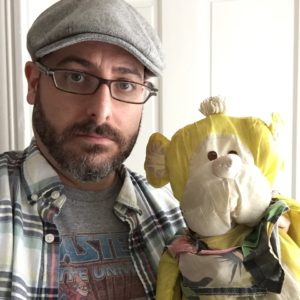
  • someone who still sleeps with the same stuffed animal he’s had since he was a kid (a Tropical Puffalump named Monkey Dude).
Josh and Monkey Dude. BFFs in action.

Alright, let’s get to it. Unleash the interview! (But if you want some Funky social media stuff, here are places to go, too.)


RVC: Welcome to the world of Only Picture Books, Josh!

JF: Thanks for all of the kind words, Ryan! It’s a pleasure to join you.

RVC: Once people knew you were visiting OPB, they all insisted I ask you about rhyme, so let’s start with that. While I realize you can talk for days on the topic, help us understand a specific way or two that we might move from amateur rhymes to elegant ones. 

JF: Great question! The most important thing you need to consider is that to be a successful book, loads of different people are going to be reading these words (agents, editors, reviewers, librarians, teachers, parents). However, not everyone pronounces words the same way you do. The English language, even just in the U.S., has many different accents and you want ALL of those accents to pronounce your words properly. So pay attention to each word and each syllable and each whatever-​is-​less-​than-​a-​syllable (I’m not a linguist)!

There are only ~549 words in a picture book–take the time to make sure each one is PERFECT.

RVC: What’s more important? Rhythm or rhyme?

JF: That’s a trick question. The most important aspect of a rhyming picture book is the STORY. If it’s not a good book without the rhyme, it won’t be good when you add the rhyme.

But between rhythm and rhyme, RHYTHM is more important. It’s harder to learn and more important to focus on. Any first grader can rhyme. Rhythm can be very tricky.

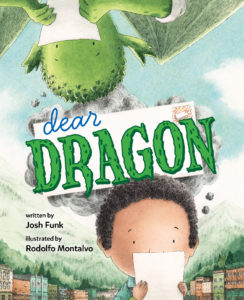
RVC: Which of your books gave you the most trouble in terms of getting rhymes to really sync up in the way you need them to? I’m going to guess Dear Dragon because of all those pen pal letters. But, you know, pastries! And fairy tale folk!

JF: I don’t really think of rhymes as tricky. Writing a rhyming picture book is more like a puzzle–and I enjoy solving puzzles. There’s always another way to say something. If I can’t get a word to rhyme properly, I’ll use a thesaurus and replace it with another that will work.

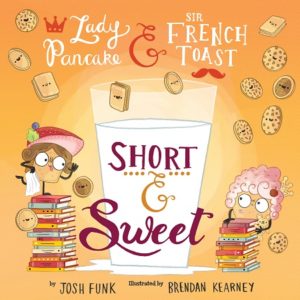
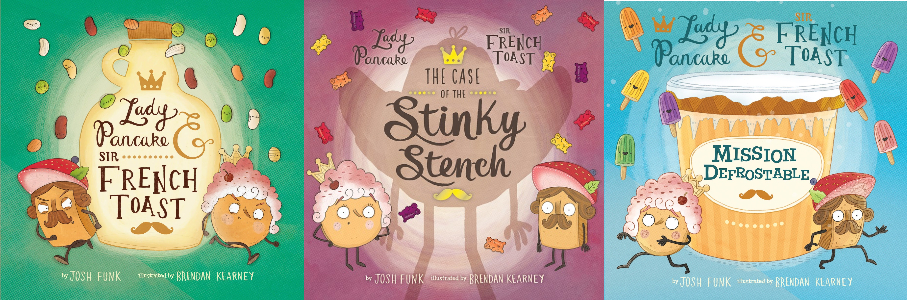
RVC: Volume four of the Lady Pancake & Sir French Toast series comes out this month—Short & Sweet. Congrats on that! Is it getting harder or easier to write sequels for your various series?

JF: In general, as long as I have a good story mapped out for characters I’ve written about previously, writing sequels gets easier. I have a sense of what the pacing will be, what the illustrator will be able to add, and a general sense of what I want to do to differentiate one book in each series with the next.

RVC: Just curious—are the publishers asking for sequels beyond those required in your contract, or are you pitching new ideas to extend any of your series beyond what anyone initially expected?

JF: It’s a combination of both. Usually my agent and I approach the publisher with ideas to see if they’re interested. And most of the time, the answer is based on two factors:

1) Did the previous book do well?
2) Is the new story one worth telling?

I’ve been very fortunate that several of my books have performed well enough that publishers considered the sequels.

RVC: What’s the elevator pitch for Short & Sweet?

JF: Each book in the series is a different genre, which I think keeps each of the stories fresh (pun intended). Lady Pancake & Sir French Toast is a race. The Case of the Stinky Stench is a mystery. Mission Defrostable is an action-​adventure/​spy-​thriller.

And Short & Sweet is a combination of a scifi-​comedy (think Honey, I Shrunk the Kids or The Absentminded Professor) mixed with a magical-​bodyswap (like Freaky Friday or Big). In this one, Lady Pancake and Sir French Toast begin to grow stale and visit Professor Biscotti who has a DE-​spoiling ray. Unfortunately, they shrink back into toddlers and run amuck through the fridge causing culinary chaos once again.

If I get to write more, maybe it’ll be an alien invasion or horror. Who knows?

RVC: If might suggest a genre, I’d say Western featuring their Old West ancestors in a breakfast saloon. “There’s not enough room on this here plate for the two of us…”

But let’s circle back to you. What was the biggest challenge you had in writing Short & Sweet?

JF: The ending. Not the plot part of the ending (Lady Pancake and Sir French Toast return to normal), and not the final page (of course there’s a party at the end and a gatefold), but the emotional wrap-​up. Figuring out how to show the character changes and saying it concisely–that spread took several emails back and forth to and from my editor–and she was right to keep pushing me, because it took a while to get right.

RVC: Got a favorite rhyme from Short & Sweet?

JF: Not yet. But maybe after I read it a few hundred times I’ll be able to pick one. Ask me again in a few years.

RVC: Will do. I’ve got you down for an interview part II thing in October 2022. Put it in your Google calendar, please!

JF: Actually, I’m washing my hair that month. Maybe November?

RVC: Deal.

Now, while every author is in some way every character they write, who has more Josh Funk DNA—Lady Pancake or Sir French Toast?

JF: Baron von Waffle.

Lady Pancake and Sir French Toast were inspired by my kids–but deep down, I know that I’d sacrifice myself and have the last drop of syrup if it stops my kids from bickering.

RVC: What else are you working on these days? What books should we be looking for from you in the near-​ish future?

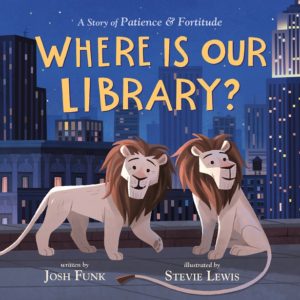
JF: I have two books coming out on October 27th, 2020. Where Is Our Library?: A Story of Patience & Fortitude, the sequel to Lost in the Library, in which the two lion statues that guard the New York Public Library on 5th Avenue venture into the children’s room one night, only to find that all of their books have gone missing. Together they search throughout all of Manhattan for their books, visiting literary statues (like Alice in Wonderland and Hans Christian Andersen) and other library branches before finding them … well, you’ll have to read the book to find out.

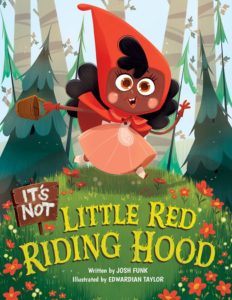
On that same day, the third book in the It’s Not a Fairy Tale series is being released: It’s Not Little Red Riding Hood. In this tale, our beleaguered narrator tries to tell the traditional story of Little Red Riding Hood, but Red rips her hood and borrows her sister’s blue one, the Wolf calls in sick and is replaced by Captain Hook, and pretty much nothing goes according to plan.
RVC: Sounds like a frolicking good time. I’ll be sure to check it out.

Now, you’re often noted as someone who handles book PR better than most. What are two specific things most authors don’t do (or don’t do right) when it’s time to get out there and plug new books?

JF: Well, it’s important to start building your network early. Like now. Before you have an agent or a book deal. Or at the latest, as SOON as you have a book deal–before it’s announced for sure. If you don’t build your network soon, you’ll run into problem number two, which is: don’t say “buy my book.” Ever.

You can share all the good news you have (“I sold a book!” or “I got a good review!” or “Here’s my cover reveal!”), but never say “buy my book.”

RVC: Book trailers. What kind of mileage are you getting out of them?

JF: It’s nearly impossible to tell. But I figure every little thing could possibly help get word of my books out there. And I enjoy making trailers. Some of the best marketing advice I ever received is to do what you like–and conversely, don’t do what you don’t like.

I like making musical book trailers. So I keep making them. I have no idea if they lead to many book sales. But, going back to the previous question, saying “check out my book trailer!” is not saying “buy my book”–yet it still gets my book out there … so why not make them?

RVC: One last question for this part of the interview. What’s the one question you’ve been waiting for someone to ask in an interview, but no one’s teed it up for you yet?

JF: What were Lady Pancake & Sir French Toast going to do with the syrup if they got it?

RVC: How can I NOT ask that question now, right? So, what’s the answer? What WOULD they do?

JF: I don’t know.

RVC: Alrighty, Josh. It’s time to shift gears from Standard Interview Mode to all that’s required of you to succeed in the Sudden-​Death-​Quadruple-​Overtime-​No-​Holds-​Barred Wrap Up. Are you READY?

JF: Maybe?

RVC: Favorite picture book villain?

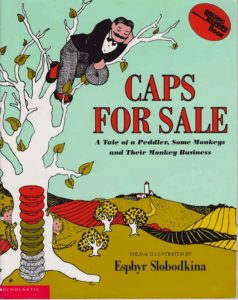
JF: The monkeys in Caps for Sale.

RVC: What secret talent does Sir French Toast have that nobody would ever suspect?

JF: He’s a musical theater triple threat.

RVC: What does Baron von Waffle do for fun when he wants to get away from the world of books and breakfast?

JF: Plays NBA2K.

RVC: Rumor has it Lady Pancake’s secretly writing a tell-​all. Any idea what the title might be?

JF: Fresh Takes: From Flour to Fame

RVC: I’ve got a universal translator for catspeak on backorder at Indiegogo. If it ever arrives and I pop in the bio your cat wrote for you, what will it say?

JF: “Josh Funk cleans my poop and feeds me.”

RVC: Five things we’d see if we checked out your fave writing place.

JF: Coffee, Sharpies, coffee, laptop, and coffee.

RVC: A recent picture book where you absolutely loved the rhyming.

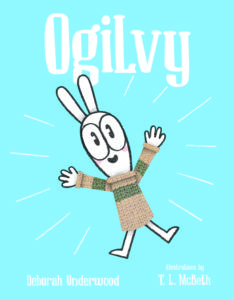
JF: Ogilvy by Deborah Underwood and T. L. McBeth.

RVC: Two lines that sum up your picture book aesthetic. (FYI—if this isn’t a rhyming couplet, the comment section below might explode like an overfilled jelly donut that got squooshed by a woolly mammoth!)

JF:

Goofy, silly, sometimes smart,

Funny with a little heart.

RVC: Thanks a zillion for swinging by today, Josh. Best of luck with the new books! And if you’d ever like to be part of a non-​Monday Bonus Goody for OPB, let me know. We’ll cook something up! I’ll bring the blog, you bring the pastries.


About Lady Pancake & Sir French Toast: SHORT & SWEET