
Educational Activities: Mending the Moon by Emma Pearl

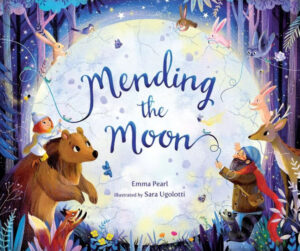
Mending the Moon
Author: Emma Pearl
Illustrator: Sara Ugolotti
1 November 2022
Page Street Publishing
32 pages

Book description from Goodreads: “One fateful night, the moon shines so big and so bright that it is too heavy to hold itself up in the sky. When it tumbles down and breaks into many glimmering pieces, Luna sees the whole thing. Her grandfather Poppa warns that without the moon in the sky, the oceans will stop moving and the earth will start to wobble. Luna and Poppa must mend it, but they may not be able to do it all on their own.

The mountain is alive with creatures big and small whose watchful eyes also saw the moon fall. Together, can they find all the shards, stick them together, and get the moon safely back into the sky?

In this enchanting tale with a timeless, folklore feel, a girl, her grandfather, and all the animals of the mountain hold the power to set the world right and forever leave their mark on the moon.”


Need some reviews on Mending the Moon?


Educational Activities inspired by Mending the Moon:

  • Before Reading–From looking at the front and back cover: 
    • What do you think of when you think about the moon?
    • What’s different about the moon on the front and back cover?
    • Where and when does this story seem to take place?
    • What does it mean to “mend” something?
    • What questions would you like to ask the author before you read the book?
  • After Reading–Now that you’ve read the story: 
    • What do you think caused the moon to shatter?
    • The moon is more important than you can imagine,” says Poppa. Why?
    • The child’s name is “Luna.” Why might that be an especially appropriate name?
    • What did you think of the book’s ending?
    • Have you ever seen moon smudges before?
    • Which picture did you like the most? Why?
    • Did you like this book? Why/​why not?
  • Drawing–How do you like the illustrations of the moon? Does it look like what YOU think the moon looks like? Use colored pencils, crayons, or markers to create your own moon art for this story or simply to be art all on its own. Is the moon broken or whole in your art? Does it have smudges or not? Consider sharing your work with a friend or family member.
  • Crafting–Since the moon plays such a big role in this story, let’s enjoy some moon crafts! (For those of you who enjoyed last month’s moon-​themed crafts, these are all new ones!) 
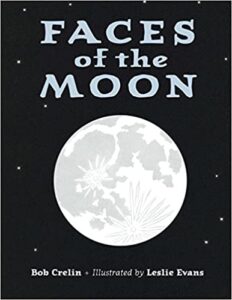
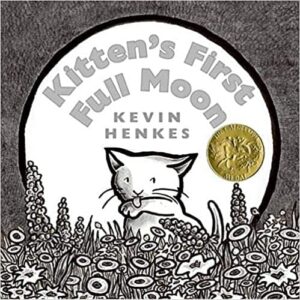
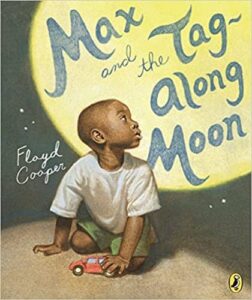
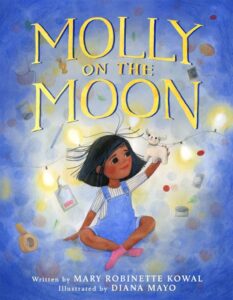
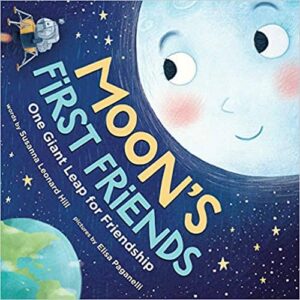
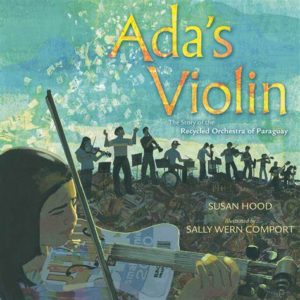
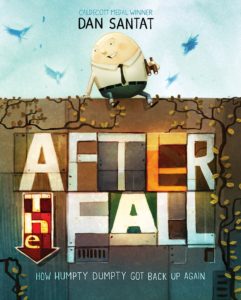
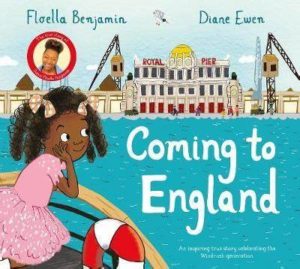
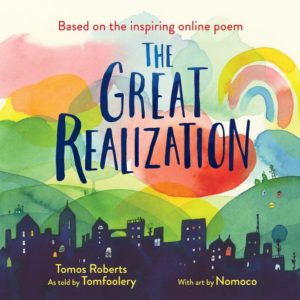
  • Further Reading–Learn more about the moon by reading these related books. Which of these have you already read? Which of the others would you want to read first? (Click on any book cover for more information on these titles!)
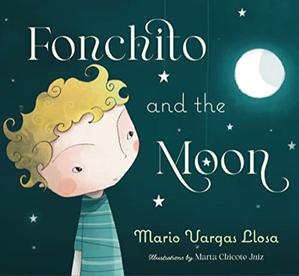
Educational Activities: Fonchito and the Moon by Mario Vargas Llosa

Fonchito and the Moon
Author: Mario Vargas Llosa
Illustrator: Marta Chicote Juiz
18 October 2022
Kales Press
32 pages

Book description from Goodreads: “Fonchito falls in love for the very first time and discovers that there is nothing one cannot do for a loved one, even if what they wish for is the moon!”


Need some reviews on Fonchito and the Moon?


Educational Activities inspired by Fonchito and the Moon:

  • Before Reading–From looking at the front and back cover: 
    • What do you think of when you think about the moon?
    • What’s happening on the front cover?
    • What’s interesting about the back cover?
    • Where and when does this story seem to take place?
    • What questions would you like to ask the author before you read the book?
  • After Reading–Now that you’ve read the story: 
    • How did you react when Nereida said she’d only let Fonchito kiss her on the cheek if he got the moon and gave it to her?
    • What other ways can you think of that Fonchito could get the moon for her?
    • Do you think Nereida really wanted him to kiss her?
    • Which picture did you like the most? Why?
    • What did you think of the book’s ending?
    • Did you like this book? Why/​why not?
  • Drawing–How do you like the illustrations of the moon? Does it look like what YOU think the moon looks like? Use colored pencils, crayons, or markers to create your own moon art for this story or simply to be art all on its own. Consider sharing your work with a friend or family member.
  • Crafting–Since the moon plays such a big role in this story, let’s enjoy some moon crafts! 
  • Further Reading–Learn more about the moon by reading these related books. Which of these have you already read? Which of the others would you want to read first? (Click on any book cover for more information on these titles!)
Educational Activities: Super Pizza & Kid Kale by Phaea Crede

Super Pizza & Kid Kale
Author: Phaea Crede
Illustrator: Zach Smith
27 September 2022
Viking Books for Young Readers
40 pages

Book description from Goodreads: “With great flavor, comes great responsibility.

Super Pizza and Kid Kale have been delicious do-​gooders and the best of friends since the day they came aleaf in the oven of the Baker Elementary cafeteria. But as they heroically foil one dastardly deed after another, Super Pizza’s popularity begins to go to their crust, and it leaves their veggie pal feeling rotten. The growing frustration that begins to drive a wedge in their friendship is now threatening to take the students of the school down with them! It’ll be up to Super Pizza and Kid Kale to patch things up so that they can get back to being the heroes that these kids knead.

For fans of Lady Pancake and Sir French Toast comes a hilarious and punny new picture book about navigating the ups and downs of friendship and the unintended consequences that actions can have on others, starring the Batman and Robin of food.”


Educational Activities inspired by Super Pizza & Kid Kale:

  • Before Reading–From looking at the front and back cover: 
    • What do you think about pizza?
    • What do you think about kale?
    • Where and when do you think this story takes place?
    • What differences do you see between the two superheroes on the front cover and the back cover?
    • What questions would you like to ask the author before you read the book?
  • After Reading–Now that you’ve read the story: 
    • How did you react when Kid Kale got upset about being ignored and undervalued?
    • Super Pizza & Kid Kale has a graphic novel/​comic illustration style. Why do you think the artist chose this style for this story?
    • Which of the pictures did you enjoy the most?
    • The book is full of puns (jokes that come from possible different meanings of a word, or words that have multiple meanings). Which were your favorites?
    • Did you like this book? Why/​why not?
  • Writing–The origin story of these unusual superheroes is a “freak cafeteria accident” on page one. What other school-​based superheroes might emerge from a different freak accident? Write one of those origin stories, and if you want, write one of their adventures, too. Use colored pencils, crayons, or markers to create your own story art, whether it’s comic-​style like Super Pizza & Kid Kale or something else entirely. Consider sharing your school superhero story with a friend or family member.
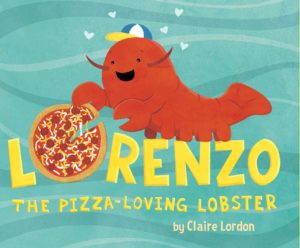
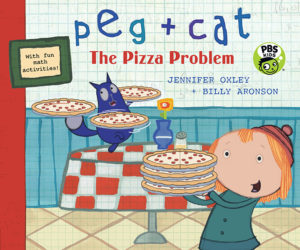
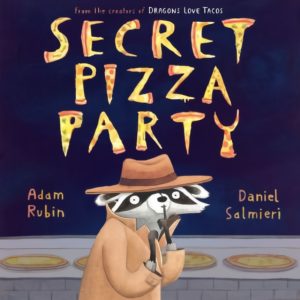
  • Crafting–Who knew there were so many kid crafts about pizza! OPB did, and here are a few of our favorites: 
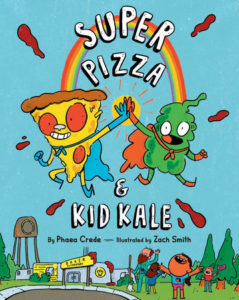
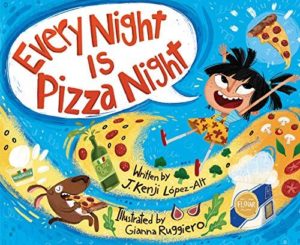
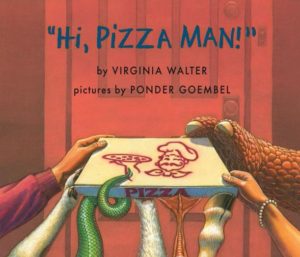
  • Further Reading–Which of these books about pizza have you already read? Which of the others would you want to read first? (Click on any book cover for more information on these titles!)
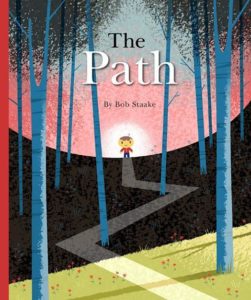
Educational Activities: The Path by Bob Staake

The Path: A Picture Book About Finding Your Own True Way
Author: Bob Staake
Illustrator: Bob Staake
5 April 2022
minedition US
32 pages

Book description from Goodreads: “From New Yorker cover artist Bob Staake, this inspirational guide to finding your authentic self through life’s challenges is a hip new take on the graduation book.

Award-​winning author and New Yorker cover artist Bob Staake’s lyrical words and stunning illustrations will lead children and adults alike to discover the encouraging truth that our path through life is not only challenging and beautiful—it is all our own to discover and invent. With a bonus The Path poster from Bob Staake inside the jacket!

You will walk. You will walk along a well-​worn path that many people have taken—and long before you.” So begins this inspirational journey over gentle, grassy hills, through fields of wildflowers, over raging rivers, up steep mountains, and even through a dark, chilly cave. When it splits in two, you will have to decide what to do next—and you’ll create a path that’s unique to you.”


Need some reviews on The Path?

As a bonus, here’s the book trailer for The Path.


Educational Activities inspired by The Path:

  • Before Reading–From looking at the front and back cover: 
    • What’s happening on the cover?
    • What do you think of when you think of paths?
    • Where and when do you think this story takes place?
    • What differences do you notice between the front and back cover?
    • What questions would you like to ask the author before you read the book?
  • After Reading–Now that you’ve read the story: 
    • Which part of the journey was most surprising?
    • Which picture did you like the most? Why?
    • What did you think of the book’s ending?
    • Did you like this book? Why/​why not?
  • Writing–When have you created your own path in life? If you have, write down the story of what happened. If you haven’t, imagine what you might have done differently in the past and write that story. Use colored pencils, crayons, or markers to create your own art, if you want. Consider sharing your work with a friend or family member.
  • Crafting–A lot of what happens in The Path happens in the woods, so here are some crafts related to that environment: 
  • Further Reading–Learn more about finding your own path and overcoming challenges by reading these related books. Which of these have you already read? Which of the others would you want to read first? (Click on any book cover for more information on these titles!)
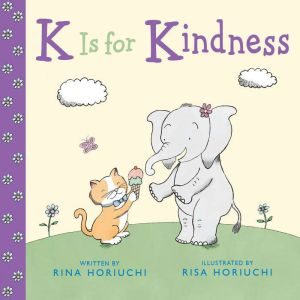
Educational Activities: K is for Kindness by Rina Horiuchi

K Is for Kindness
Author: Rina Horiuchi
Illustrator: Risa Horiuchi
26 April 2022
Viking Books for Young Readers
32 pages

Book description from Goodreads: “From aardvark to zebra, this delightful cast of animal characters illustrates the many ways to show kindness to others, while teaching the youngest readers their ABCs.

Debut author/​illustrator and sister duo Rina Horiuchi and Risa Horiuchi have crafted a warm and tender gift that affirms kindness can be found anywhere.”


Need some reviews on K Is for Kindness?

As a bonus, here’s a Storytime Read-​a-​loud of K Is for Kindness.


Educational Activities inspired by K Is for Kindness:

  • Before Reading–From looking at the front and back cover: 
    • What’s happening on the cover?
    • What does “kindness” mean to you?
    • What does “empathy” mean to you?
    • What questions would you like to ask the author before you read the book?
  • After Reading–Now that you’ve read the story: 
    • Which of the animals were you most surprised to see in this book?
    • Which rhyme was your favorite? Why?
    • Which picture did you like the most? Why?
    • The book asks “What’s something nice that you might do today?” What’s your answer?
    • What did you think of the book’s ending?
    • Did you like this book? Why/​why not?
  • Writing–What other acts of kindness might have been included in this story? Write your own scene with animal characters doing their own kind actions. See if you can match the rhyme pattern found in the book. Use colored pencils, crayons, or markers to create your own art, if you want. Consider sharing your work with a friend or family member.
  • Crafting–This book includes a lot of animal characters. Let’s stick with that theme and make crafts that feature some of the animals from K Is for Kindness.
  • Further Reading–Learn more about kindness by reading these related books. Which of these have you already read? Which of the others would you want to read first? (Click on any book cover for more information on these titles!)
Educational Activities: Sarah Rising by Ty Chapman

Sarah Rising
Author: Ty Chapman
Illustrator: DeAnn Wiley
24 May 2022
Beaming Books
40 pages

Book description from Goodreads: “Sarah starts her day like any other day: she eats her toast and feeds her bugs. But today isn’t a day like any other day. Today, her dad brings her to a protest to speak out against police violence against Black people. The protesters are loud, and Sarah gets scared. When Sarah spots a beautiful monarch butterfly and follows it through the crowd, she finds herself inside the no-​man’s land between the line of police and protesters. In the moments that follow, Sarah is confronted with the cruelty of those who are supposed to protect her and learns what it feels like to protect and be protected.

Inspired by the protests that happened during the Minneapolis Uprising after the police killing of George Floyd, Sarah Rising provides a child’s-​eye view of a protest and offers an opportunity for children to talk about why people take to the streets to protest racial injustice. Readers will gain a new appreciation for how important it is to be part of a community of people who protect each other.

Backmatter includes a note from the author about his experience growing up as a Black boy in the Twin Cities, information about the Minneapolis Uprising, and practical ways kids can get involved in activism.”


Need some reviews on Sarah Rising?

As a bonus, here’s an interview with the author at Tara Lazar’s blog.


Educational Activities inspired by Ty Chapman’s Sarah Rising:

  • Before Reading–From looking at the front and back cover: 
    • When and where do you think this story takes place?
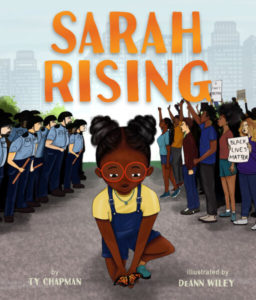
    • What is the child doing on the front cover?
    • What emotion is that child feeling? Are the other people feeling the same thing?
    • What do you think this story will be about? What makes you think that?
    • What questions would you like to ask the author before you read the book?
  • After Reading–Now that you’ve read the story: 
    • Were you surprised by the pets that Sarah had? What type of person has pets like that?
    • What did you predict was going to happen when Sarah’s dad said she wasn’t going to school that day but instead was going with him to a protest?
    • How did you react when the policeman smacked the butterfly?
    • When Sarah ran off with the injured butterfly and got lost, how did the art change?
    • At the end of the book, Sarah was yelling along with everyone else? Why didn’t she yell and chant before?
    • Which picture did you think was the most powerful? Why?
    • Did you like this book? Why/​why not?
  • DiscussingSarah Rising is a story about a very challenging topic. What questions do you have? How did it make you feel? Is there any part you didn’t understand? If you were Sarah, would you have done anything different? Whatever you think, feel, or wonder is perfectly okay. Read the book again with an adult family member or friend, then talk about what you think, feel, and wonder. Listen to what they think, feel, and wonder, too.
  • Writing–If this book had a sequel, what would it be? Write that story yourself in any way that you choose. Use colored pencils, crayons, or markers to create your own art, if you want. Consider sharing your story with a friend or family member.
  • Listening–Many real-​world kids are involved in real-​world activism. In the video below, how does Michael’s story connect with Sarah Rising?

  • Further Reading–Learn more about children and activism by reading these exciting books. Which of these have you already read? Which of the others would you want to read first? (Click on any book cover for more information on these titles!)