
Reading Activities: A Walk in the Words by Hudson Talbott

A Walk in the Words
Author: Hudson Talbott
Illustrator: Hudson Talbott
14 September 2021
Nancy Paulsen Books
32 pages

Book description from Goodreads: “When Hudson Talbott was a little boy, he loved drawing, and it came naturally to him. But reading? No way! One at a time, words weren’t a problem, but long sentences were a struggle. As his friends moved on to thicker books, he kept his slow reading a secret. But that got harder every year. He felt alone, lost, and afraid in a world of too many words.

Fortunately, his love of stories wouldn’t let him give up. He started giving himself permission to read at his own pace, using the words he knew as stepping-​stones to help draw him into a story. And he found he wasn’t so alone–in fact, lots of brilliant people were slow readers, too. Learning to accept the fact that everyone does things in their own unique way, and that was okay, freed him up and ultimately helped Hudson thrive and become the fabulous storyteller he is today.”

Want some reviews of A Walk in the Words?

Reading Activities inspired by A Walk in the Words:

  • Before Reading–From looking at the front cover: 
    • What are you most curious about before opening the book?
    • Why do you think there are so many words on the tree branches?
    • What might it mean to “walk” in words instead of read them?
    • The character looks small compared to the words. How does that size difference make you feel?
    • This book is written and illustrated by the same person. What might that tell you about the story you’re about to hear?
  • After Reading–Now that you’ve read the story: 
    • At the beginning, what feels safe for the narrator, and what feels threatening?
    • When the narrator feels stuck, what specific choice helps him move forward?
    • The book uses pictures to show feelings like fear and feeling overwhelmed. Which image stayed with you the most, and why?
    • Where do you see the shift from fear to curiosity? What changes right before that moment?
    • What does this book suggest about reading slowly—or doing anything at your own pace?
    • Would you recommend this book to a friend? Why or why not?
  • Wall of Words Snapshot:
    In the story, a full page of text feels like a wall keeping him out. Draw your own “wall of words” on one side of a page. On the other side, draw what helps you get through a hard moment: a person, a tool, a habit, a thought. Add labels if you want!
  • Break a Big Word:
    The narrator takes “overwhelm” and makes it smaller by breaking it apart. Let’s do something similar! Choose one big feeling word and play with it. 
    • Write your word in BIG letters across the page.
    • Circle a part you know.
    • Underline the part that makes the word feel intimidating or too big.
    • Rewrite the word in a way that feels more your size.
    • Then write one sentence that begins: “I can handle this by…”
  • Stepping-​Stone Reading:
    Pick a short paragraph from any book. On a separate sheet of paper, write down the words you recognize instantly as you read. Those are your stepping stones. 
    • Read just those words in order to see what you can understand about the paragraph.
    • Then read the full paragraph at your own pace.
    • What felt different the second time? What helped you move forward?
  • Fear vs. Curiosity Tug-​of-​War:
    Draw a line down the middle of a page. Title one side Fear and the other Curiosity. 
    • On the Fear side, list what fear says about reading or learning.
    • On the Curiosity side, list what curiosity says.
    • Circle the one curiosity thought that feels strongest. Keep it as a “bookmark sentence” you can return to.
  • Paint with Words:
    The narrator says learning words is like finding new colors for art. Choose one scene you love (a storm, a birthday, a soccer game, a quiet night). Write two versions:
    Version 1 uses only simple words.
    Version 2 adds five “new colors,” more specific words, stronger verbs, sharper sensory details.
    Compare the two. Which version feels more alive to you, and why?
  • Books, Books, and More Books!: Check out these picture books about learning differences, self-​trust, and finding your way with words:

Aaron Slater, Illustrator by Andrea Beaty, illustrated by David Roberts
Aaron struggles with reading, but drawing is where his ideas come alive.


I Talk Like a River by Jordan Scott, illustrated by Sydney Smith
A boy describes what it feels like to stutter, using metaphor instead of explanation.


Just Ask! Be Different, Be Brave, Be You by Sonia Sotomayor, illustrated by Rafael López
Kids speak directly about their bodies, brains, and needs in a relatable way.


Thank You, Mr. Falker by Patricia Polacco
A girl carries deep shame about reading until one teacher finally sees what’s going on.
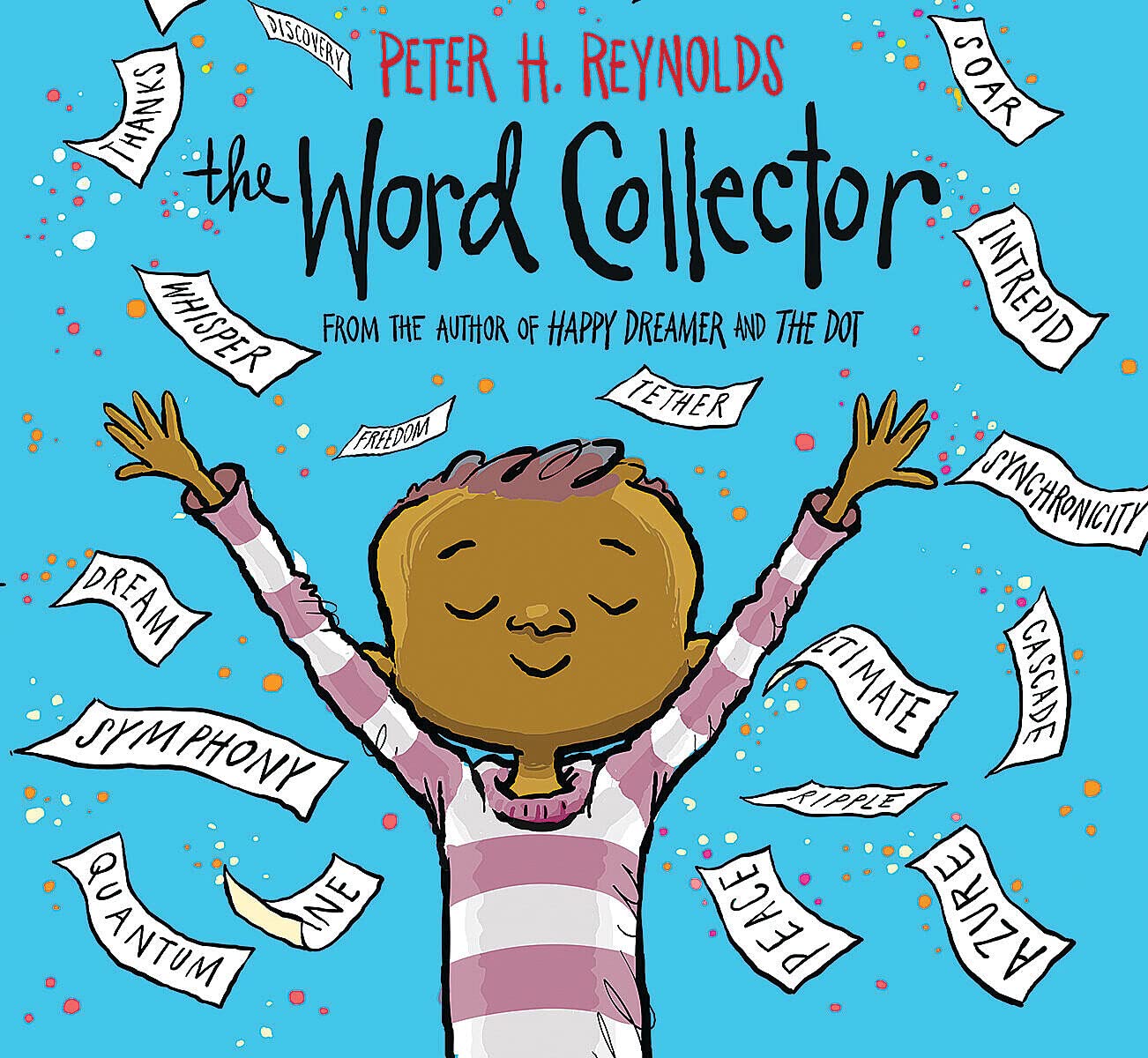

The Word Collector by Peter H. Reynolds
Jerome loves gathering words and noticing how they sound and feel.

Reading Activities: Girls on the Rise by Amanda Gorman, illustrated by Loveis Wise

Girls on the Rise
Author: Amanda Gorman
Illustrator: Loveis Wise
7 January 2025
Viking Books for Young Readers
32 pages

Book description from Goodreads: “Who are we? We are a billion voices, bright and brave; we are light, standing together in the fight.

Girls are strong and powerful alone, but even stronger when they work to uplift one another. In this galvanizing original poem by presidential inaugural poet Amanda Gorman, girls and girlhood are celebrated in their many forms, all beautiful, not for how they look but for how they look into the face of fear. Creating a rousing rallying cry with vivid illustrations by Loveis Wise, Gorman reminds us how girls have shaped our history while marching boldly into the future.”

Need some reviews of Girls on the Rise?

Here’s an NPR interview with Gorman about this title.


Reading Activities inspired by Girls on the Rise:

  • Before Reading–From looking at the front cover: 
    • What do you notice about the art, colors, faces, clothing, background details?
    • What does the word “rise” make you picture, movement, emotion, or both?
    • Who do you think this book is speaking to, one person, or a whole group?
    • What questions would you like to ask the author or illustrator before reading the book?
  • After Reading–Now that you’ve read the story: 
    • What does “being brave” mean in this book, and what does it look like?
    • Where do you see teamwork or community in the words and pictures?
    • How do the illustrations add to the meaning of the poem?
    • What lines felt like a chant or a cheer you could say out loud?
    • What does the book suggest about fear, and what helps girls move through it?
    • Would you recommend this book to a friend? Why or why not?
  • Rise Chant Remix: Write three new lines that match the book’s voice. Start each with one of these stems.
    We are…
    We can…
    We will…
    Read your lines out loud like a chant. Try it whisper-​quiet, then proud-​and-​strong. Which version fits your message best?
  • Courage Map: Draw a simple path across a page. Label the start Fear and the finish Rise. Along the path, add 5 stepping-​stones a girl might use to move forward, such as a friend, practice, asking for help, deep breath, telling the truth. Consider illustrating each stepping-​stone with a small symbol.
  • Bravery Portrait Gallery: Create a portrait of a girl who is being brave in an everyday way, raising her hand, joining a game, learning something hard, standing up for someone. Add three labels around the portrait.
    Her strength
    Her voice
    Her support
  • Make a Community “We” Mural: On one big sheet (or taped pages), draw a crowd of many different kids standing together. Each person gets one speech bubble with a short line, such as “I help,” “I try again,” “I tell the truth,” “I listen.” This turns the poem into a classroom or family chorus.
  • History Ripple Cards: The book nods toward how girls shape the future. Make three cards.
    Card 1: A girl who changed something in your family or community
    Card 2: A girl who changed something in history
    Card 3: A girl who will change something tomorrow (imagined)
    On the back of each card, write one sentence about the change and one sentence about the courage it took.
  • Books, Books, and More Books! Check out these picture books about confidence, courage, and girls using their voices:

The impressive true story of Clara Lemlich, a young immigrant who stood up, spoke out, and helped spark a massive labor movement when the stakes were high and the risks were real.


I Am Enough by Grace Byers, illustrated by Keturah A. Bobo
An affirming poem that centers self-​worth, kindness, and belonging, inviting readers to slow down and see themselves as whole and valuable just as they are.


Malala’s Magic Pencil by Malala Yousafzai, illustrated by Kerascoët
Malala reflects on her childhood wish for a magic pencil and how that wish grew into the courage to speak up for education and change, even when it was dangerous to do so.

She Persisted by Chelsea Clinton, illustrated by Alexandra Boiger
Short portraits of women who faced obstacles, refused to quit, and reshaped history by continuing to push forward when others told them to stop.


Sulwe by Lupita Nyong’o, illustrated by Vashti Harrison
A tender rich story about a girl learning to see her own beauty, exploring colorism, self-​acceptance, and the quiet power of self-love.

Reading Activities: Sleep Tight, Disgusting Blob by Huw Aaron

Sleep Tight, Disgusting Blob
Author: Huw Aaron
Illustrator: Huw Aaron
1 July 2025
Viking Books for Young Readers
32 pages

Book description from Goodreads: “Whether you are a vampire or a ghost, a werewolf or a yeti, a bedtime routine is absolutely essential for a good night’s sleep. Adults and children will fall in love with Blob and the whole cast of monsters as they brush their teeth, put on their pajamas, and get tucked up in bed.

Warm, loving and slimy, this hilarious rhyming picture book is the perfect addition to bedtime reading, ending with a kiss and sweet dreams for all.”


Need some reviews of Sleep Tight, Disgusting Blob?


Reading Activities inspired by Sleep Tight, Disgusting Blob:

  • Before Reading–From looking at the front cover: 
    • What kind of creature do you think the “disgusting blob” is?
    • How does the cover mix scary and funny details?
    • What do the colors on the cover make you feel? Cozy? Creepy? Something else?
    • What bedtime items can you spot? What do they tell you about this world?
    • What questions would you like to ask Huw Aaron before reading the book?
  • After Reading–Now that you’ve read the story: 
    • How does the parent blob show love, even while calling the child “disgusting”?
    • What bedtime routines in the story are like yours?
    • Which part of the rhyme made you laugh or cringe the most?
    • What do the pictures show that the words don’t say?
    • Why do you think the author ends the story with “I love you, disgusting blob”?
    • How does this book make bedtime feel less scary and more funny?
    • If you could ask the author one question about this story work, what would it be?
  • Night Check Patrol: In the story, bedtime is a full operation — teeth, pajamas, settling the chaos of many different monsters. Pretend you’re Head of Night Patrol. Walk through your bedroom with a clipboard and list 3 things that need to be “secured for the night.” (Example: “All crayons capped,” “Lego trap cleared,” “Snacks moved away from ooze.”)
  • Gross-​but-​Sweet Poetry: The book uses bouncy rhyme to tuck a monster in with love and patience. Try writing a 4‑line bedtime rhyme to a creature of your choice.
    Example:
    “My little swamp goblin, it’s time to lie down.
    Wipe off the grave dirt, remove your frown…”

    Challenge yourself to mix gross details and actual tenderness, the way Mummy Blob does.
  • Create Your Own Disgusting Blob: Fold a blank page in half. On the left, draw your blob during the day (chaotic, sticky, maybe throwing slime). On the right, draw the same blob at bedtime (pajamas, story time, tucked into a “lovely damp” pillow). Add labels like “bed goo,” “eyestalk warmer,” “charging cable,” etc.
  • Make a Monster Bedtime Chart: Draw a list of nighttime steps for a new monster: brushing fangs, folding wings, feeding pets, etc. Add silly drawings and sound effects for each step.
  • Monster Room Design: Imagine what the Blob’s bedroom looks like. Sketch or collage it. What’s on the walls? What’s under the bed? What counts as “cozy” in a monster world?
  • Books, Books, and More Books! Check out these picture books that celebrate bedtime, comfort, and slightly chaotic evenings:

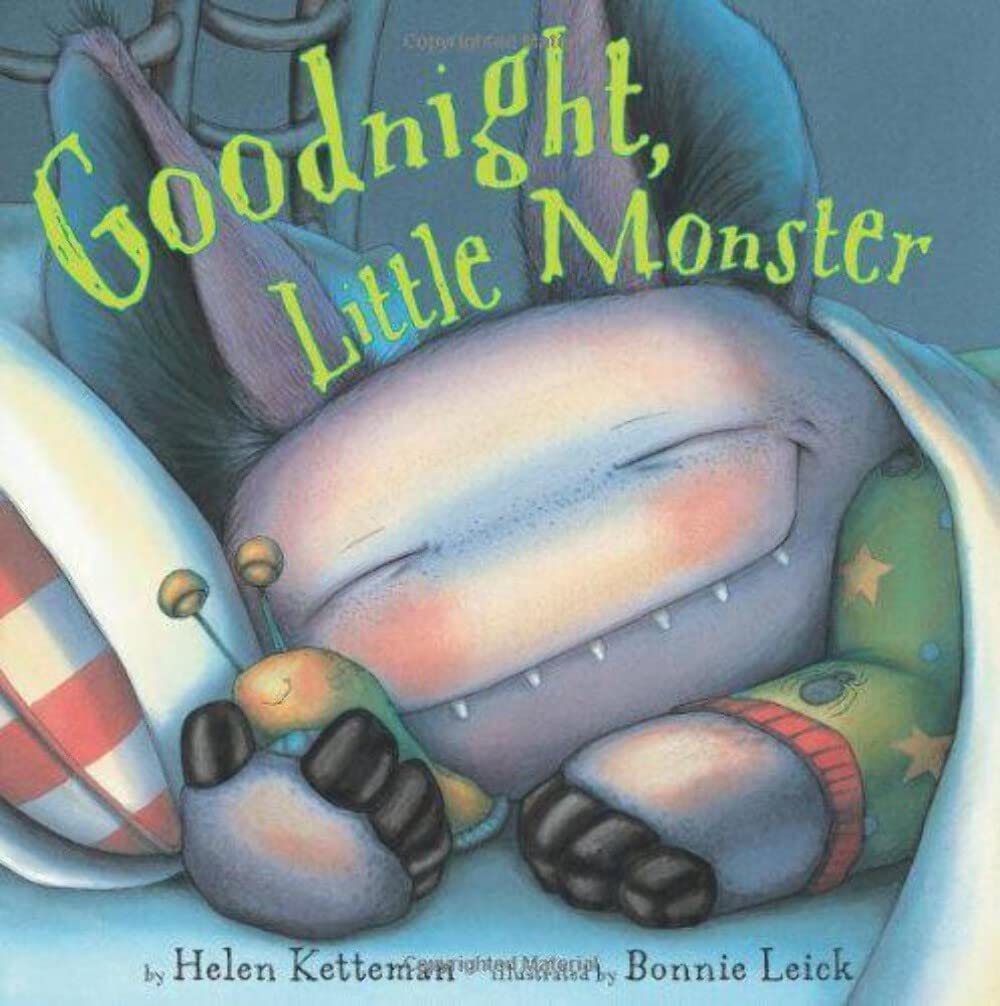
Good Night, Little Monster by Helen Ketteman, illustrated by Bonnie Leick
A bedtime routine book where a young monster resists sleep while Monster Mama patiently guides the process.


Library Lion by Michelle Knudsen, illustrated by Kevin Hawkes
A gentle, love-​the-​library story about calm, rules, and care at closing time.


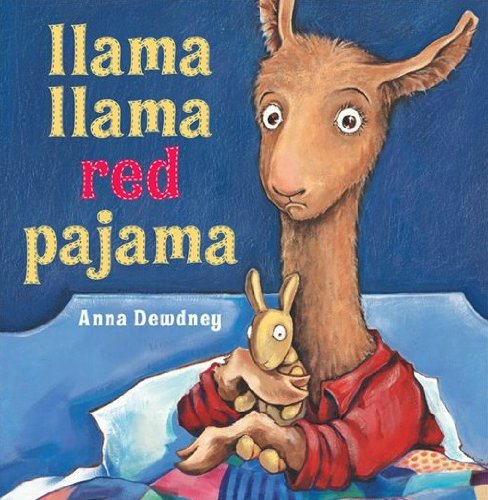
Llama Llama Red Pajama by Anna Dewdney
Classic panic-​at-​bedtime energy filled with big feelings, reassurance, and a loving reminder that comfort always returns.


Pigeon Needs a Bath! by Mo Willems
One very opinionated pigeon insists he’s perfectly clean until bath time finally turns into bubbles, calm, and bedtime readiness.


The Quickest Bedtime Story Ever! by Louise Fitzgerald, illustrated by Kate Hindley
A fast-​talking narrator tries to rush a kid to sleep in record time, with silly interruptions and increasingly desperate bargaining — great for bedtime power struggles.

Reading Activities: The Glass Pyramid: A Story of the Louvre Museum and Architect I.M. Pei


The Glass Pyramid: A Story of the Louvre Museum and Architect I.M. Pei
Author: Jeanne Walker Harvey
Illustrator: Khoa Le
27 May 2025
Atheneum Books for Young Readers
40 pages

Book description from Goodreads: “In 1981, I. M. Pei was on a mission. A successful architect known for his modern designs, Pei was asked by the French president to redesign the Louvre Museum in Paris, home to the Mona Lisa and now famous for the glass pyramid at its center. At the time, the Louvre had many problems and no pyramid.

Pei faced many obstacles, including discrimination because he was Chinese American. Determined to succeed and make the Louvre a welcome place for all, Pei worked hard—and sometimes in secret. This is the story of a visionary who worked patiently and persistently to solve problems and achieve his to plant and grow a glass pyramid.”


Need some reviews of The Glass Pyramid?


Reading Activities inspired by The Glass Pyramid:

  • Before Reading–From looking at the front cover: 
    • What might the title The Glass Pyramid suggest about what’s inside?
    • What shapes and patterns stand out most on the cover? What do they make you think of?
    • The book shows both an old museum and a modern pyramid. How do you think those two things might fit together?
    • What do you already know (or wonder) about the Louvre Museum or the artist I.M. Pei?
    • What questions would you like to ask the author or illustrator before reading the book?
  • After Reading–Now that you’ve read the story: 
    • What problem was I.M. Pei asked to solve, and how did his design address it?
    • What parts of his childhood or heritage influenced his ideas for the pyramid?
    • How did Pei respond when people criticized or doubted his plan
    • What do you notice about how the illustrator balanced old and new throughout the pages?
    • What message about creativity or persistence do you think the author wants readers to remember?
    • If you could ask I.M. Pei one question about his work, what would it be?
  • Design Your Own Landmark: Imagine you’re an architect like I.M. Pei. Choose a famous place that feels too crowded or confusing. On blank paper, sketch a new entrance or structure that could make it better. Label the materials you’d use and explain what inspired your design.
  • Light & Reflection Experiment: The Louvre pyramid is all about glass and light. Using a flashlight, mirror, or window, explore how light changes when it hits different materials—clear plastic, foil, colored cellophane. What patterns or reflections do you see?
  • Shape Scavenger Hunt: Walk around your home or classroom and find shapes that repeat in Pei’s architecture—triangles, squares, and diamonds. Take photos or draw what you find. Which shape seems most powerful to you?
  • Letter to a Visionary:
    Write a short note to I.M. Pei thanking him for something you learned from his story. What lesson from his life could help you face your own challenges?
  • Bridge of Cultures Collage: Pei connected Eastern and Western ideas through his design. Create a collage with magazine images or digital art showing two styles—old vs. modern, natural vs. man-made—and find a way to blend them into one harmonious picture.
  • Books, Books, and More Books! Check out these picture-​book biographies that celebrate design, creativity, and problem-solving:


Dreaming Up: A Celebration of Building by Christy Hale
A poetry-​plus-​photography celebration linking kids’ building play to real architecture.

The inspiring journey of Mae Jemison, whose persistence lifted her all the way to space.

Prairie Boy: Frank Lloyd Wright Turns the Heartland into a Home by Barb Rosenstock, illustrated by Christopher Silas Neal
A lyrical portrait of young Frank Lloyd Wright, whose love of prairie light and open spaces shaped the way he imagined buildings forever.

A joyful story about creativity, courage, and finding your own shade of inspiration.

The World Is Not a Rectangle: A Portrait of Architect Zaha Hadid by Jeanette Winter
An engaging look at how an Iraqi-​born woman re-​imagined what buildings could be.

Reading Activities: The Truth About Dragons by Julie Leung, illustrated by Hanna Cha

The Truth About Dragons
Author: Julie Leung
Illustrator: Hanna Cha
13 August 2023
Henry Holt and Co. Books for Young Readers
40 pages

Book description from Goodreads: “An unforgettable lyrical picture book that celebrates biracial identity from the award-​winning author of Paper The Inspiring Story of Tyrus Wong, Immigrant and Artist.

Lean in close,
my darling bao bei,
and I will whisper
a most precious secret
about a powerful magic
that lives inside you.

Brought to life with lavish and ornate illustrations, The Truth About Dragons follows a young child on a journey guided by his mother’s bedtime storytelling. He quests into two very different forests, as his two grandmothers help him discover two different, but equally enchanting, truths about dragons.

Eastern and Western mythologies coexist and enrich each other in this warm celebration of mixed cultural identity.”


Need some reviews of The Truth About Dragons?


Reading Activities inspired by The Truth About Dragons:

  • Before Reading–From looking at the front cover: 
    • What do you notice about the two different dragons on the cover? How are they alike or different?
    • Why do you think the title is The Truth About Dragons? What kind of truth might the book explore?
    • What do the trees, sky, and mountains in the background suggest about where the story takes place?
    • What feelings do the colors on the cover give you?
    • What questions would you like to ask the author or illustrator before reading the book?
  • After Reading–Now that you’ve read the story: 
    • What are the two worlds the boy travels between? How does he feel in each one?
    • How do the two dragons reflect different parts of the boy’s identity?
    • What does the fire inside represent for him?
    • Have you ever felt like you had to choose between two sides of yourself? What helped you figure it out?
    • Why do you think the author chose dragons to tell this story?
    • What does the ending suggest about the boy’s journey and how he sees himself now?
  • Dragon Duo Drawing: The boy meets two dragons, one from each of his worlds. Draw your own version of each dragon. What colors, powers, or personalities do they have? Add labels or speech bubbles to bring them to life.
  • Bridge Between Worlds: The story shows a bridge between the boy’s two worlds. Fold a piece of paper in half. On one side, draw or write about one part of your identity, like your family, culture, or language. On the other side, draw or write about another. Then create a bridge in the middle that connects them. What do you carry across?
  • Dragon Flame Poem: “There’s a fire that burns inside me,” the boy says. Write a short poem about your own inner flame. What makes you strong, creative, or unique? You can shape your poem like a flame or a dragon tail if you want.
  • Truth Teller Mask: The dragons help the boy speak his truth. Make your own truth-​teller mask with paper, string, or a paper plate. Use colors and patterns that show who you are. On the back, write one sentence about something true and important to you.
  • Family Fire Storytime: Sit with a family member and ask them to tell you a story from their past, something they’ve never shared before. Then retell it in your own words, adding dragon-​like details to turn it into a magical tale.
  • Books, Books, and More Books! Check out these real-​world picture books about identity, culture, and embracing all the parts of who you are:

Eyes That Kiss in the Corners by Joanna Ho, illustrated by Dung Ho
A lyrical celebration of Asian identity, family connection, and seeing beauty in yourself.


The Many Colors of Harpreet Singh by Supriya Kelkar, illustrated by Alea Marley
A gentle story about a boy who expresses his feelings through color while adjusting to a new place.


My Two Border Towns by David Bowles, illustrated by Erika Meza
A touching story of a boy who moves between two countries and learns the power of community and care.


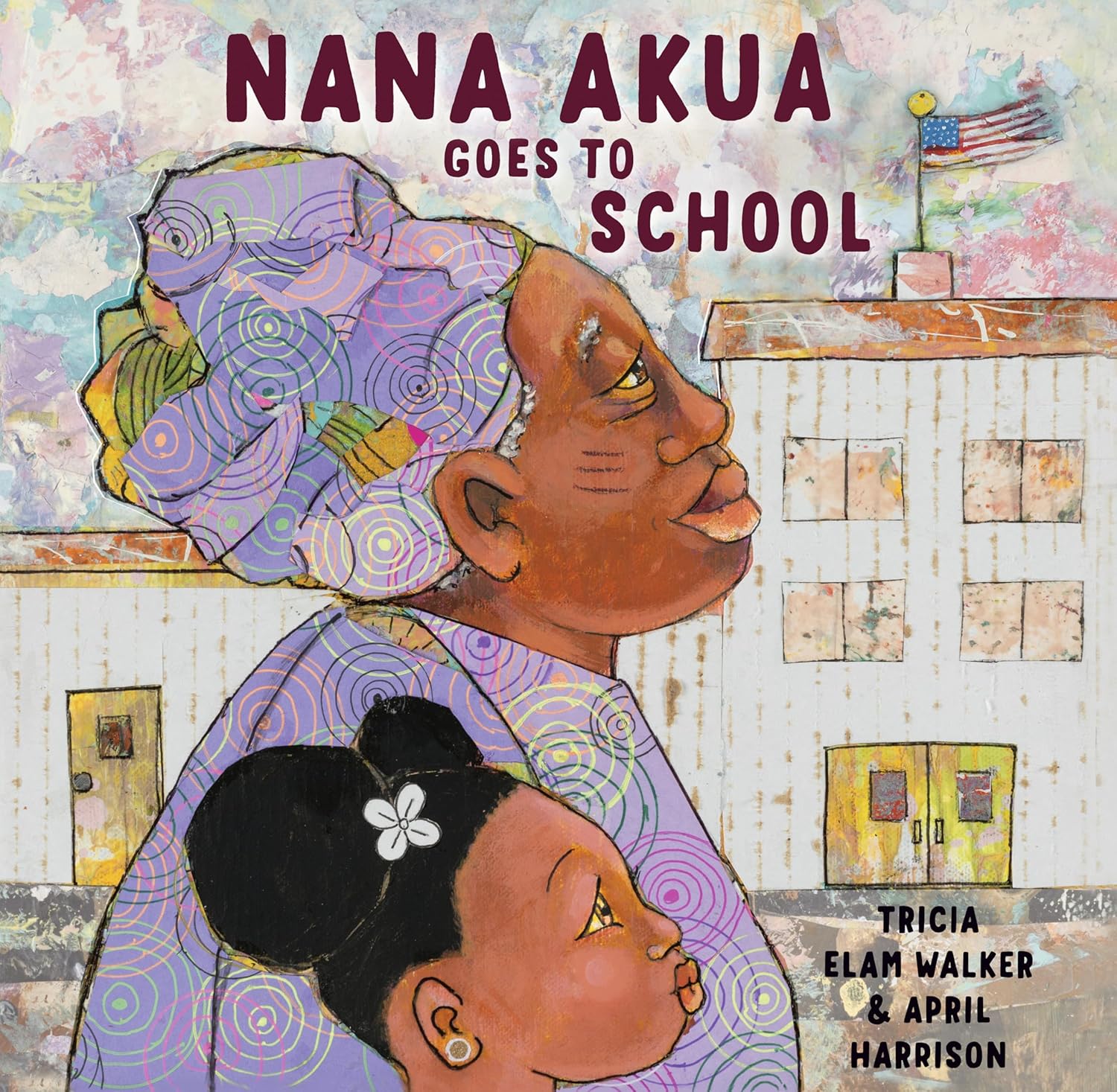
Nana Akua Goes to School by Tricia Elam Walker, illustrated by April Harrison
Zura’s grandmother shares a cultural tradition that at first seems different—but turns out to be a gift.


Where Are You From? by Yamile Saied Méndez, illustrated by Jaime Kim
A moving conversation between a girl and her abuelo about where she comes from and who she is..

Reading Activities: Shark Girl by Kate Beaton

Shark Girl
Author: Kate Beaton
Illustrator: Kate Beaton
25 February 2025
Roaring Brook Press
48 pages

Book description from Goodreads: “When Shark Girl is captured by an evil fishing captain’s net, she makes a vow… for REVENGE!

With the sea witch’s help, Shark Girl becomes a human sailor and launches a plan… for MUTINY!

But Shark Girl needs the help of her crew mates before she can enact her plan. Will Shark girl SINK… or SWIM?

Bestselling creator Kate Beaton has created a subversive and hilarious spin on the classic little mermaid fairy tale that will inspire little readers to seek their own revenge on behalf of justice!”


Need some reviews of Shark Girl?


Reading Activities inspired by Shark Girl:

  • Before Reading–From looking at the front cover: 
    • What words come to mind when you think about fireworks?
    • What do you notice first about Shark Girl’s appearance? How is she the same as—or different from—a typical mermaid?
    • The word shark can feel scary; how does the art make Shark Girl seem friendly, fierce, or both?
    • Where do you think this story takes place—deep in the ocean, on a ship, or somewhere else? What clues help you decide?
    • If you could ask Shark Girl one question before opening the book, what would it be?
    • The tagline says she’s “part shark and part human.” What challenges or adventures might that create?
    • Look at the background colors and shapes. What mood do they set for the story you’re about to read?
  • After Reading–Now that you’ve read the story: 
    • What makes Captain Barrett’s fishing practices harmful to the ocean?
    • Why does Shark Girl think revenge is the answer at first—and what changes her mind?
    • How does the crew react to Shark Girl over time? What helps them become allies?
    • Where do you see humor in the artwork or dialogue, even during tense moments?
    • The sea witch “lives for drama.” How does this character move the plot forward?
    • What panels or spreads were the most exciting or surprising? Why?
    • What does the ending teach about teamwork and ethical choices?
  • Sea-​Change Comic Strip
    Using six small panels, retell a key moment—Shark Girl breaking the net, meeting the sea witch, or launching the mutiny. Add “sound-​word” effects like SNAP! or WHOOSH! and bright colors to match Kate Beaton’s comic style.
  • Captain’s Catch: Sustainable or Not?
    Draw two buckets. Label one Overfishing and the other Ethical Catch. Cut out or sketch different sea creatures (tuna, shark, sea turtle, etc.). Research (or guess together) which catches are sustainable and place them in the right bucket. Discuss why some choices protect the ocean better than others.
  • Shark Teeth Smile Masks
    Fold cardboard or heavy paper into a half-​mask that covers just the mouth. Cut zig-​zag “shark teeth,” paint it ocean-​blue, and attach string to wear. Practice three Shark Girl expressions: determined, surprised, and triumphant. What emotions do those pointy teeth show?
  • Mutiny Map
    On a big sheet, draw the ship Jellyfish and the crew. Plan your own (kinder!) mutiny: list five changes you’d make to help the ocean—maybe recycling on board or rescuing bycatch. Illustrate each change with simple icons or mini-scenes.
  • Sea-​Witch Bargain Jar
    Decorate a clear jar with sea colors and glitter. Write small “promises to the planet” on scraps of paper—use less plastic, pick up beach litter, learn about sharks. Each time you fulfill a promise, add a shell, bead, or pebble to the jar until it sparkles like magic.
  • Books, Books, and More Books! Check out these real-​world picture books about ocean wonders, identity, and standing up for what’s right:


The Brilliant Deep: Rebuilding the World’s Coral Reefs by Kate Messner, illustrated by Matthew Forsythe
The true story of Ken Nedimyer, who sparked a movement to restore damaged coral—showing kids that one person’s passion can help the sea thrive.


Flotsam by David Wiesner
A wordless seaside adventure where a mysterious camera reveals hidden ocean life—perfect for sparking curiosity about underwater worlds.


Julián Is a Mermaid by Jessica Love
After seeing dazzling mermaids on the subway, Julián dreams of being one too—and finds loving acceptance in his abuela’s embrace.


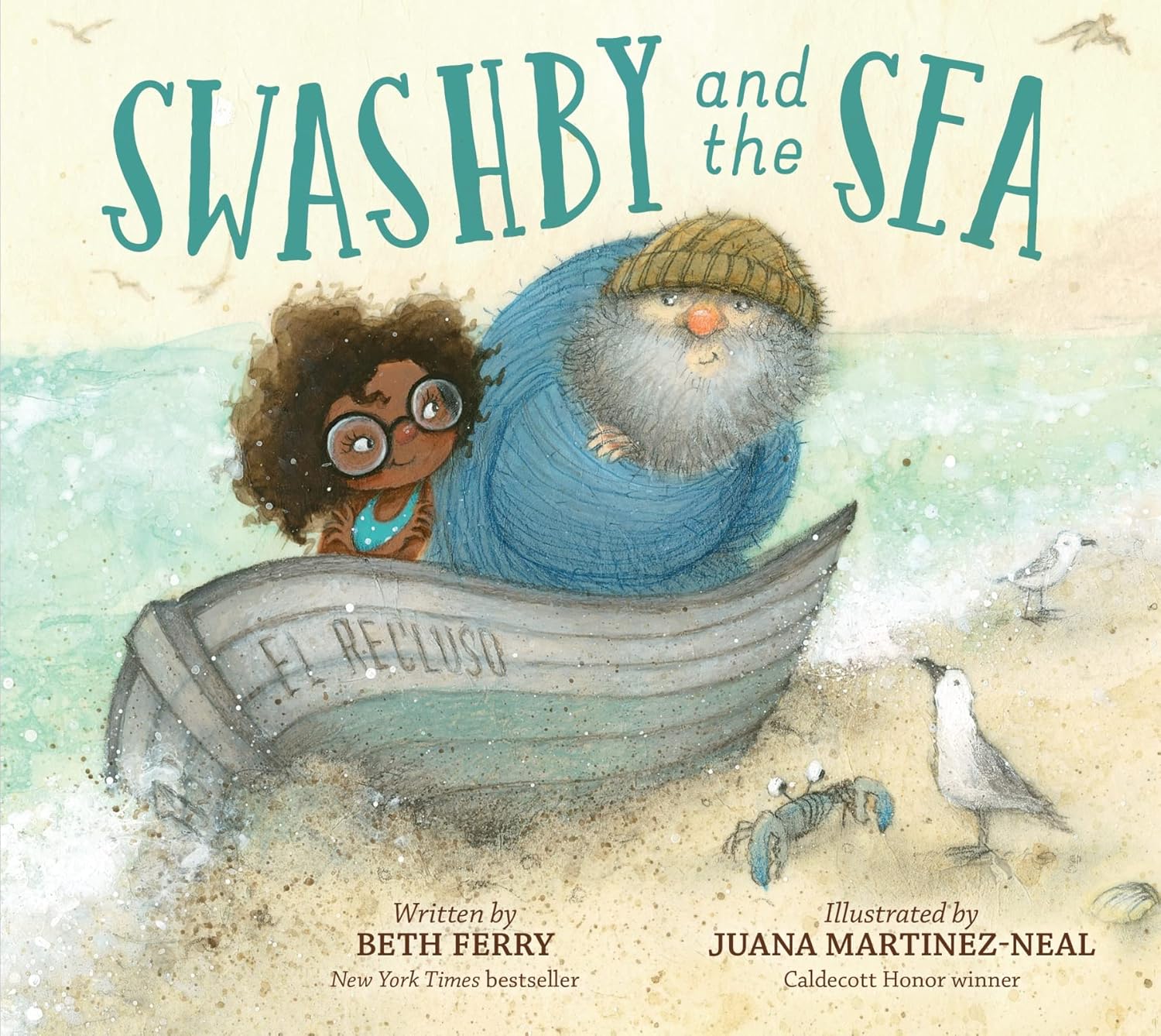
Swashby and the Sea by Beth Ferry, illustrated by Juana Martinez-​Neal
A salty sea captain thinks he prefers solitude, until a lively girl and the ocean itself nudge him toward friendship.


Thank You, Earth: A Love Letter to Our Planet by April Pulley Sayre
Stunning photographs and poetic lines create a heartfelt “thank-​you letter” to our planet, inviting readers to notice and protect nature.