Reading Activities: A Walk in the Words by Hudson Talbott

A Walk in the Words
Author: Hudson Talbott
Illustrator: Hudson Talbott
14 September 2021
Nancy Paulsen Books
32 pages

Book description from Goodreads: “When Hudson Talbott was a little boy, he loved drawing, and it came naturally to him. But reading? No way! One at a time, words weren’t a problem, but long sentences were a struggle. As his friends moved on to thicker books, he kept his slow reading a secret. But that got harder every year. He felt alone, lost, and afraid in a world of too many words.

Fortunately, his love of stories wouldn’t let him give up. He started giving himself permission to read at his own pace, using the words he knew as stepping-​stones to help draw him into a story. And he found he wasn’t so alone–in fact, lots of brilliant people were slow readers, too. Learning to accept the fact that everyone does things in their own unique way, and that was okay, freed him up and ultimately helped Hudson thrive and become the fabulous storyteller he is today.”

Want some reviews of A Walk in the Words?

Reading Activities inspired by A Walk in the Words:

  • Before Reading–From looking at the front cover: 
    • What are you most curious about before opening the book?
    • Why do you think there are so many words on the tree branches?
    • What might it mean to “walk” in words instead of read them?
    • The character looks small compared to the words. How does that size difference make you feel?
    • This book is written and illustrated by the same person. What might that tell you about the story you’re about to hear?
  • After Reading–Now that you’ve read the story: 
    • At the beginning, what feels safe for the narrator, and what feels threatening?
    • When the narrator feels stuck, what specific choice helps him move forward?
    • The book uses pictures to show feelings like fear and feeling overwhelmed. Which image stayed with you the most, and why?
    • Where do you see the shift from fear to curiosity? What changes right before that moment?
    • What does this book suggest about reading slowly—or doing anything at your own pace?
    • Would you recommend this book to a friend? Why or why not?
  • Wall of Words Snapshot:
    In the story, a full page of text feels like a wall keeping him out. Draw your own “wall of words” on one side of a page. On the other side, draw what helps you get through a hard moment: a person, a tool, a habit, a thought. Add labels if you want!
  • Break a Big Word:
    The narrator takes “overwhelm” and makes it smaller by breaking it apart. Let’s do something similar! Choose one big feeling word and play with it. 
    • Write your word in BIG letters across the page.
    • Circle a part you know.
    • Underline the part that makes the word feel intimidating or too big.
    • Rewrite the word in a way that feels more your size.
    • Then write one sentence that begins: “I can handle this by…”
  • Stepping-​Stone Reading:
    Pick a short paragraph from any book. On a separate sheet of paper, write down the words you recognize instantly as you read. Those are your stepping stones. 
    • Read just those words in order to see what you can understand about the paragraph.
    • Then read the full paragraph at your own pace.
    • What felt different the second time? What helped you move forward?
  • Fear vs. Curiosity Tug-​of-​War:
    Draw a line down the middle of a page. Title one side Fear and the other Curiosity. 
    • On the Fear side, list what fear says about reading or learning.
    • On the Curiosity side, list what curiosity says.
    • Circle the one curiosity thought that feels strongest. Keep it as a “bookmark sentence” you can return to.
  • Paint with Words:
    The narrator says learning words is like finding new colors for art. Choose one scene you love (a storm, a birthday, a soccer game, a quiet night). Write two versions:
    Version 1 uses only simple words.
    Version 2 adds five “new colors,” more specific words, stronger verbs, sharper sensory details.
    Compare the two. Which version feels more alive to you, and why?
  • Books, Books, and More Books!: Check out these picture books about learning differences, self-​trust, and finding your way with words:

Aaron Slater, Illustrator by Andrea Beaty, illustrated by David Roberts
Aaron struggles with reading, but drawing is where his ideas come alive.


I Talk Like a River by Jordan Scott, illustrated by Sydney Smith
A boy describes what it feels like to stutter, using metaphor instead of explanation.


Just Ask! Be Different, Be Brave, Be You by Sonia Sotomayor, illustrated by Rafael López
Kids speak directly about their bodies, brains, and needs in a relatable way.


Thank You, Mr. Falker by Patricia Polacco
A girl carries deep shame about reading until one teacher finally sees what’s going on.


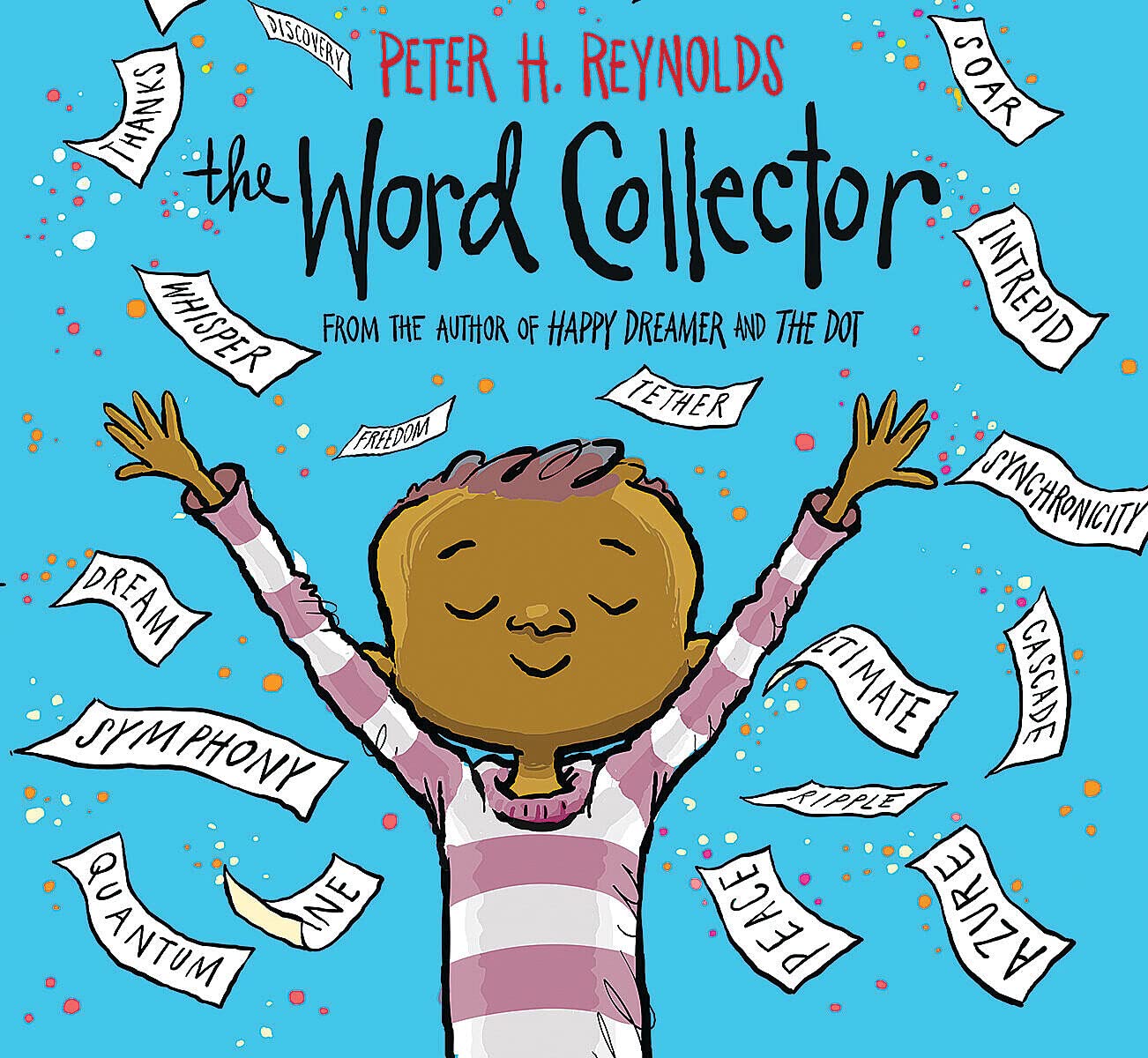
The Word Collector by Peter H. Reynolds
Jerome loves gathering words and noticing how they sound and feel.

Five-​Word Reviews: November Picks

Fresh releases, sharp impressions—five-word snapshots of picture books worth noticing.

Turns out, five words go a long way. I’ve done quite a few of these picture book speed-​dates this year, and they’re still one of the most-​requested features on the blog. No theme this time—just a fresh mix of the funny, strange, and beautifully told. Maybe one will follow you home.


And They Walk On
Author: Kevin Maillard
Illustrator: Rafael López
Roaring Brook Press
14 October 2025
4o pages

Ryan’s five-​word review: Grief walks beside us, gently.

4.5 out of 5 memory seeds 🌱


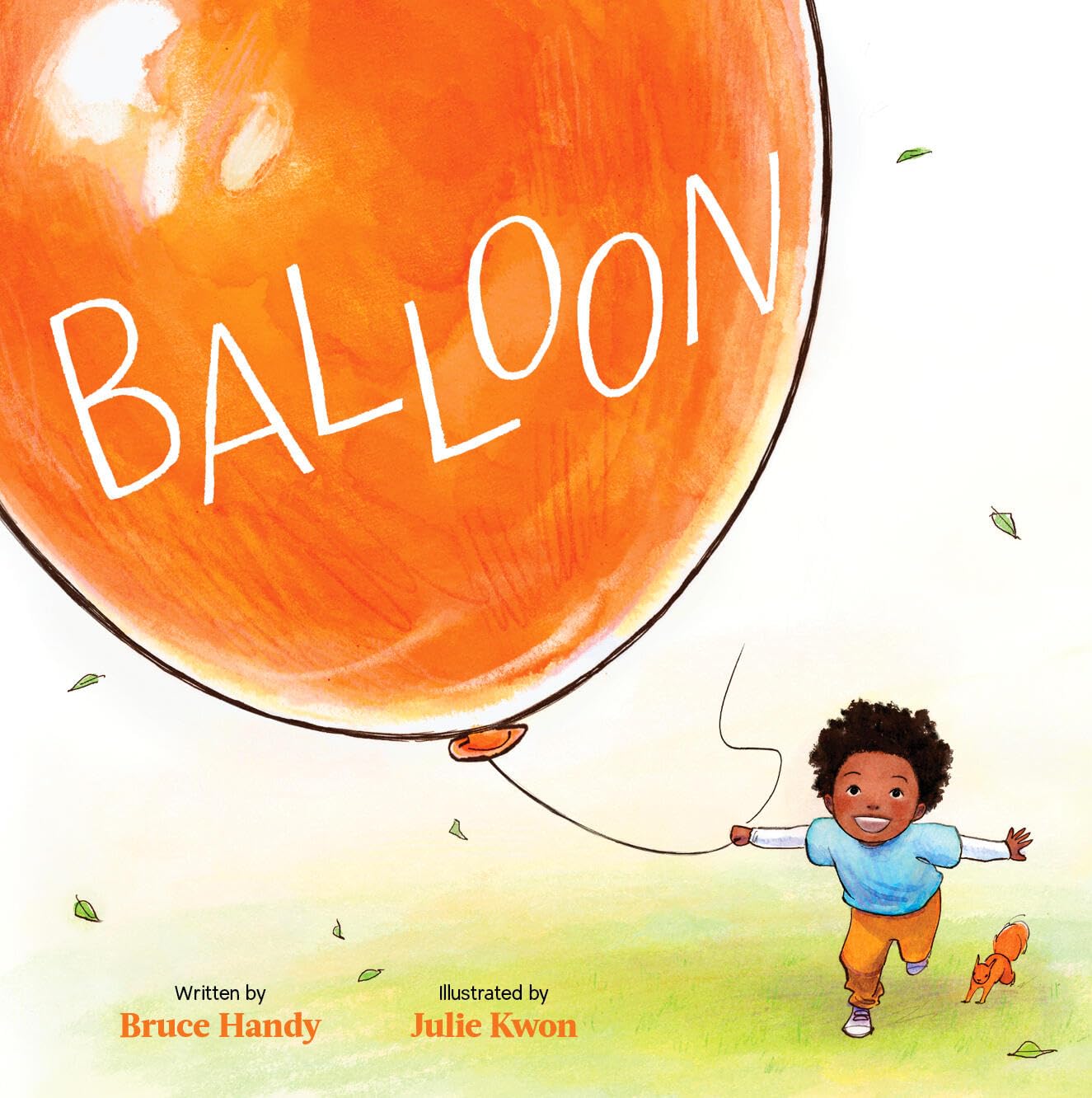
Balloon
Author: Bruce Handy
Illustrator: Julie Kwon
Chronicle Books
14 October 2025
44 pages

Ryan’s five-​word review: Tender hearts float, then land.

4.5 out of 5 orange strings 🎈


Moon Song
Author: Michaela Goade
Illustrator: Michaela Goade
Little, Brown Books for Young Readers
7 October 2025
40 pages

Ryan’s five-​word review: Dark woods glow with wonder.

4.5 out of 5 moonlit paths 🌕


Seven Babies
Author: Forest Xiao
Illustrator: Forest Xiao
Candlewick
26 August 2025
32 pages

Ryan’s five-​word review: Baby blitz. Love multiplies fast.

4.25 out of 5 bath splashes 🛁


Yellow Is a Banana
Author: John Himmelman
Illustrator: John Himmelman
Harry N. Abrams
7 October 2025
40 pages

Ryan’s five-​word review: Sibling logic spirals. Language mayhem.

4.25 out of 5 sibling standoffs 🧦

Reading Activities: Nearly Exactly Almost Like Me by Jennifer Bradbury, art by Pearl AuYeung

Nearly Exactly Almost Like Me
Author: Jennifer Bradbury
Illustrator: Pearl AuYeung
11 February 2025
Atheneum/​Caitlyn Dlouhy Books
40 pages

Book description from Goodreads: “A loyal big brother makes a case for why his adopted little brother is just like him when a pesky kid on the playground questions their physical differences in this charming picture book.

When they hear the singsong tune of an ice cream truck, two brothers race to get in line! Big brother beats little brother and holds their spot. But when little brother catches up, another kid challenges him joining his brother in no cutting! Everyone knows that cutting doesn’t count when you’re siblings, but the kid doesn’t believe they can be brothers when they don’t look anything alike.

The brothers may not be biologically related, but they’re still brothers, and they have so much else in common! They both like candy way too much, love swimming but hate baths, and know their parents love them. Big brother knows that differences on the surface don’t matter when in his heart, his little brother is just like him.”


Need some reviews of Nearly Exactly Almost Like Me?


Reading Activities inspired by Nearly Exactly Almost Like Me:

  • Before Reading–From looking at the front cover: 
    • What do you think the title Nearly Exactly Almost Like Me means? What does it suggest about the characters?
    • Look at the two kids on the cover—how do they seem alike? How do they seem different?
    • What does it mean to be part of a family? Does everyone in a family have to look alike? Why or why not?
    • Have you ever had someone assume something about you that wasn’t true? How did it make you feel?
    • What are some ways people in a family can be similar besides their appearance?
    • Why do you think the author wanted to tell this story? What message do you think it will have?
    • What questions would you like to ask the author before reading the book?
  • After Reading–Now that you’ve read the story: 
    • How did the big brother react when someone questioned whether Dev was really his brother?
    • What were some of the things the brothers had in common? What were some ways they were different?
    • How do you think Dev felt when the other child didn’t believe they were brothers?
    • Why do you think it was important for the big brother to show that family is about more than just looking alike?
    • What was your favorite moment in the book? Why did it stand out to you?
    • How did the illustrations help tell the story? What details in the pictures stood out to you?
    • How do you think the skeptical kid at the playground felt at the end of the story? Did their view change?
    • Would you recommend this book to a friend? What would you tell them about first?
  • The “Almost Like Me” Sibling Challenge: Grab a friend, sibling, or family member and write down ten things about yourselves—your favorite foods, hobbies, pets, bedtime routines, anything! Then, compare your lists. How many things do you have in common? What surprised you? Just like Dev and his big brother, you’ll probably find that the things that matter most go beyond appearances!
  • Family Portrait—Remixed!: Most people think of family portraits as everyone smiling for a photo together, but what if a portrait captured something deeper? Instead of drawing a picture of just how your family looks, make a family portrait that shows what makes you all unique. Maybe you love the same food, play the same games, or share inside jokes. Include those details in your artwork to celebrate what really makes your family yours!
  • What’s in a Name? A Family Storytime: In the book, Dev and his brother share family traditions and history. Now, let’s explore your own family’s story! Ask a parent, grandparent, or guardian about your family history. Do you have a name with a special meaning? Are there stories about how you became part of your family? Write down what you learn and share it with someone close to you.
  • You Can’t Tell By Looking!” Discovery Game: People often assume things about others based on how they look, but appearances don’t tell the whole story! Play this game with friends or classmates: Everyone writes down one fact about themselves that others wouldn’t guess by looking at them. Then, mix up the papers and take turns reading them aloud, guessing who wrote each one. It’s a fun way to see how much more there is to people than what we see!
  • The Love List: What Really Makes a Family?: Dev and his brother know that family is about love, not just looks. Think about what makes your own family special—whether it’s a family you were born into, adopted into, or chosen. Make a list of ten things that show love in your family. Do you have special traditions? Do you help each other in different ways? Decorate your list and keep it as a reminder that family is about what we do, not just what we look like!
  • Letters of Belonging: A Note to Someone Who Feels Left Out: In the book, Dev faces a moment where someone doesn’t believe he and his brother belong together. Write a letter to someone (real or imaginary) who might feel left out or different. What would you say to make them feel welcome? Decorate your letter and share it with a friend, family member, or teacher to spread kindness!
  • Books, Books, and More Books!: Check out these real-​world picture books about family, adoption, and sibling bonds:

The Day You Begin by Jacqueline Woodson, illustrated by Rafael López

This heartfelt story is about feeling different but finding connections with others. Like Nearly Exactly Almost Like Me, it reminds us that even when we don’t look like those around us, we all have something in common.


A Family Is a Family Is a Family by Sara O’Leary, illustrated by Qin Leng

This book introduces a classroom full of children, each with a different type of family. Some have two dads, some live with grandparents, and some are adopted. It beautifully illustrates that what makes a family is love.


We Belong Together: A Book About Adoption and Families by Todd Parr

A warm and simple book that explains adoption in a way young kids can understand. It celebrates how families come together in different ways and the love that binds them.


Big Brothers Don’t Take Naps by Louise Borden, illustrated by Emma Dodd

A sweet story about an older brother passing on wisdom to his younger sibling. It highlights the joys of having a little brother—whether they look alike or not!


Real Sisters Pretend by Megan Dowd Lambert, illustrated by Nicole Tadgell

Two sisters play pretend, reminding each other that even though they weren’t born into the same family, their bond is real. Like Nearly Exactly Almost Like Me, this story affirms that love is what makes a family.

Picture Book List: 4 Picture Books That Showcase Kidlit Agents’ Favorite Elements—and Why They Shine

Last month, I shared a list of picture books that kidlit editors frequently mention, and I got a lot of nice notes about it! So, I’m bringing back the concept—this time with insights from some of the wonderful literary agents who are friends of the blog.

I asked four agents to name a picture book they often reference when talking to clients or writers about what makes a story shine. Each book showcases qualities that agents admire, from compelling narratives to unforgettable art. While I’m keeping their names private to avoid any unintended favoritism, their thoughtful feedback is reflected in the commentary below.

If the language is in quotation marks, it’s directly from the agents. The rest is from me. Enjoy!


Julian Is a Mermaid by Jessica Love

Why Agents Love It:

  • Economy of Text: “This book is proof that less can truly be more. Every word is purposeful, and the space between the lines lets the illustrations tell so much of the story.”
  • Celebration of Individuality: Julian’s journey of self-​expression is told with tenderness and authenticity, making it a standout example of how inclusive stories can feel universal without being preachy. “It’s the kind of book that shows you don’t need to explain everything—sometimes the best stories trust the reader to feel the message.”
  • Art That Transports You: The lush, painterly illustrations are a visual feast. “Every page feels like stepping into Julian’s world, and the quiet magic of the art lingers long after you close the book.”

Thank You, Omu! by Oge Mora

Why Agents Love It:

  • Timeless Themes: Omu’s generosity and the community’s gratitude create a feel-​good story that celebrates kindness and connection. “It’s one of those books that feels like it’s been around forever—and I mean that as the highest compliment.”
  • Unique Art Style: Mora’s collage illustrations are rich, textured, and vibrant. “There’s a warmth and energy to the artwork that makes every page feel alive. You can almost smell the stew simmering!”
  • Perfect for Read-​Alouds: With its rhythmic, repetitive structure, this book practically begs to be read aloud. “The storytelling cadence makes it a go-​to for libraries and classrooms—it’s a crowd-​pleaser every time.”

The Day You Begin by Jacqueline Woodson, illustrated by Rafael López

Why Agents Love It:

  • A Universal Yet Personal Theme: This book speaks to anyone who’s ever felt like they didn’t belong. “It’s a quiet powerhouse of a story—one that gives kids (and adults) permission to embrace their differences and share their truths.”
  • Lyrical Text: Woodson’s poetic language lends the story an emotional depth that lingers long after the last page. “The writing is so lyrical and beautiful, you almost want to read it aloud just to hear the words again.”
  • Stunning Illustrations: López’s bold, vibrant illustrations perfectly complement the text, capturing the emotions of the characters and drawing readers into the story. “The interplay between the words and art is magical—this is what picture books are all about.”

We Don’t Eat Our Classmates by Ryan T. Higgins

Why Agents Love It:

  • Humor with Heart: This hilarious story about a dinosaur learning to navigate the social challenges of school strikes the perfect balance between funny and heartfelt. “It’s laugh-​out-​loud funny, but it also sneaks in such a sweet message about kindness and empathy.”
  • Relatable Concept: Starting school is a major milestone, and this book cleverly addresses first-​day jitters in a way that feels fresh and engaging. “It’s such a smart take on school anxiety—familiar, but with a totally unexpected twist.”
  • Lasting Appeal: Its humor and relatability ensure that it’s a favorite for both kids and adults. “The kind of book parents don’t mind reading over and over—and believe me, that matters.”

If you’re a picture book creator, take note of what makes these books shine—they might just inspire your next project!

Picture Book List: 15 Picture Books About Books

Calling all bookworms and bibliophiles!

Today, we’re turning the pages on a delightful collection of picture books that celebrate the magic of stories. From heartwarming tales about libraries to whimsical journeys into the world of words, these 15 gems are sure to spark a love of reading in young hearts.

So snuggle up with your little ones, open a book, and let the adventure begin!

**If I missed your favorite picture book that’s about books, tell me in the comments!**


Book Fiesta!: Celebrate Children’s Day/​Book Day by Pat Mora, illustrated by Rafael López (March 2016)

From Goodreads: “Take a ride in a long submarine or fly away in a hot air balloon. Whatever you do, just be sure to bring your favorite book! Rafael López’s colorful illustrations perfectly complement Pat Mora’s lilting text in this delightful celebration of El día de los niños/​El día de los libros; Children’s Day/​Book Day. Toon! Toon!

Includes a letter from the author and suggestions for celebrating El día de los niños/​El día de los libros; Children’s Day/​Book Day.”

  • 40 pages
  • Reading Age: 4–8 years

The Book with No Pictures by B.J. Novak (Sept 2014)

From Goodreads: “Warning! This book looks serious but it is actually completely ridiculous!

A book with no pictures?

What could be fun about that?

After all, if a book has no pictures, there’s nothing to look at but the words on the page.

Words that might make you say silly sounds… In ridiculous voices…

Hey, what kind of book is this, anyway?

At once disarmingly simple and ingeniously imaginative, ‘The Book With No Pictures’ inspires laughter every time it is opened, creating a warm and joyous experience to share—and introducing young children to the powerful idea that the written word can be an unending source of mischief and delight.

If a kid is trying to make you read this book, the kid is playing a trick on you. You will end up saying silly things and making everybody laugh and laugh!

Don’t say I didn’t warn you…”

  • 48 pages
  • Reading Age: 4–8 years

Charlie Cook’s Favorite Book by Julia Donaldson, illustrated by Axel Scheffler (June 2006)

From Goodreads: “Charlie Cook has a favorite book. It’s about a pirate, who also has a favorite book … about Goldilocks, who also has a favorite book … about a knight, who also has a favorite book .… This hilarious pattern continues throughout the story, right to the satisfying and surprising end.”

  • 32 pages
  • Reading Age: 2–4 years

Fantastic Flying Books of Mr. Morris LessmoreThe Fantastic Flying Books of Mr. Morris Lessmore by William Joyce, illustrated by Joe Bluhm (June 2012)

From Goodreads: “Morris Lessmore loved words.
He loved stories.
He loved books.
But every story has its upsets.

Everything in Morris Lessmore’s life, including his own story, is scattered to the winds.
But the power of story will save the day.”

  • 56 pages
  • Reading Age: 4–8 years

How Rocket Learned to Read by Tad Hills (July 2010)

From Goodreads: “Learn to read with this New York Times-bestselling picture book, starring an irresistible dog named Rocket and his teacher, a little yellow bird. Follow along as Rocket masters the alphabet, sounds out words, and finally … learns to read all on his own!

With a story that makes reading fun—and will even help listeners learn to read—this book is ideal for kindergarten classrooms and story hour or as a gift for that beginning reader. Fresh, charming art by Tad Hills, the New York Times bestselling author/​illustrator of Duck & Goose, will make this a favorite.”

  • 40 pages
  • Reading Age: 3–6 years

How to Read a Story by Kate Messner, illustrated by Mark Siegel (May 2015)

From Goodreads: “Step One: Find a story. (A good one.)
Step Two: Find a reading buddy. (Someone nice.)
Step Three: Find a reading spot. (Couches are cozy.)
Now: Begin.
Accomplished storytellers Kate Messner and Mark Siegel chronicle the process of becoming a reader: from pulling a book off the shelf and finding someone with whom to share a story, to reading aloud, predicting what will happen, and—finally—coming to The End . This picture book playfully and movingly illustrates the idea that the reader who discovers the love of reading finds, at the end, the beginning.”

  • 36 pages
  • Reading Age: 5–7 years

The Incredible Book Eating Boy by Oliver Jeffers (April 2007)

From Goodreads: “Like many children, Henry loves books. But Henry doesn’t like to read books, he likes to eat them. Big books, picture books, reference books … if it has pages, Henry chews them up and swallows (but red ones are his favorite). And the more he eats, the smarter he gets—he’s on his way to being the smartest boy in the world! But one day he feels sick to his stomach. And the information is so jumbled up inside, he can’t digest it! Can Henry find a way to enjoy books without using his teeth? With a stunning new artistic style and a die-​cut surprise, Oliver Jeffers celebrates the joys of reading in this charming and quirky picture book. It’s almost good enough to eat.”

  • 32 pages
  • Reading Age: 3–7 years

Let Me Finish! by Minh Lê, illustrated by Isabel Roxas (July 2016)

From Goodreads: “When our young hero settles in to read, the last thing he wants is for some noisy animals to ruin the ending of the story.

But ruin it they do.

And as it turns out, the boy is quickly approaching a surprise ending of his own! Maybe he should have listened to the animals after all.…

This silly, timeless picture book with a clever meta twist introduces debut author Minh Lê’s witty text and Isabel Roxas’s eye-​catching illustrations.”

  • 40 pages
  • Reading Age: 3–6 years

The Library by Sarah Stewart, illustrated by David Small (April 1995)

From Goodreads: “Meet an unforgettable bibliophile.

Elizabeth Brown doesn’t like to play with dolls and she doesn’t like to skate. What she does like to do is read books. And now that she’s grown up, her collection has gotten so big all the shelves are collapsing. Her front door has disappeared entirely. What in the world will she do? The reclusive Elizabeth Brown surprises everyone wit her splendid solution.

In charming verse and elegant watercolors Sarah Stewart and David Small celebrate one of America’s grandest institutions.”

  • 40 pages
  • Reading Age: 5–9 years

Library Lion by Michelle Knudsen, illustrated by Kevin Hawkes (July 2006)

From Goodreads: “An affectionate storybook tribute to that truly wonderful place: the library.

Miss Merriweather, the head librarian, is very particular about rules in the library. No running allowed. And you must be quiet. But when a lion comes to the library one day, no one is sure what to do. There aren’t any rules about lions in the library. And, as it turns out, this lion seems very well suited to library visiting. His big feet are quiet on the library floor. He makes a comfy backrest for the children at story hour. And he never roars in the library, at least not anymore. But when something terrible happens, the lion quickly comes to the rescue in the only way he knows how. Michelle Knudsen’s disarming story, illustrated by the matchless Kevin Hawkes in an expressive timeless style, will win over even the most ardent of rule keepers.”

  • 32 pages
  • Reading Age: 1–3 years

Little Red Reading Hood and the Misread Wolf by Troy Wilson, illustrated by Ilaria Campana (July 2019)

From Goodreads: “A retelling of the classic Little Red Riding Hood, starring our bookish heroine Red and a misunderstood, book-​loving wolf desperate for a good story.

Little Red Reading Hood loves–you guessed it–reading! She applies everything she learns from books to the real world. So, when she sets off to take her sick grandmother a homemade treat, she’s prepared for anything that comes her way. In keeping with the original story, Red is in for a surprise when she arrives to find a wolf disguised as her grandmother. But this is no ordinary wolf… This is the Misread Wolf, who’s after something more delicious than your average snack. He’s desperate for a bedtime story and knows Little Red Reading Hood might just be his only hope.”

  • 32 pages
  • Reading Age: 4–8 years

Lola at the Library by Anna McQuinn, illustrated by Rosalind Beardshaw (June 2006)

From Goodreads: “Learn about the library, checking out books, and story time with Lola.  Every Tuesday Lola and her mommy go to the library. Lola meets her friends there. They share books and don’t have to be quiet all the time. The nice librarian tells stories. There is a big machine that buzzes Lola’s books in and out, and she can take any books she wants home with her. Lola and her mommy always stop for a treat on the way home. No wonder Lola loves the library.

This gentle story of growing with books encourages little ones to discover the joy of reading as well as getting them ready and excited to visit the library.

Sweet, bright illustrations are from a kids-​eye point of view. Perfect for a lap read or story time, the first in Lola series, LOLA AT THE LIBRARY is a book young readers will fall in love with.”

  • 32 pages
  • Reading Age: 1–3 years

Read the Book, Lemmings! by Ame Dyckman, illustrated by Zachariah OHora (Nov 2017)

From Goodreads: “Aboard the S.S. Cliff, First Mate Foxy reads an interesting fact: “Lemmings don’t jump off cliffs.” But Foxy can’t get the lemmings on the Cliff to read his book, too. They’re too busy jumping off.

After a chilly third rescue, exasperated Foxy and grumbly polar bear Captain PB realize their naughty nautical crew isn’t being stubborn: The lemmings (Jumper, Me Too, and Ditto) can’t read. And until Foxy patiently teaches his lemmings to read the book, he can’t return to reading it, either!”

  • 40 pages
  • Reading Age: 2–8 years

Tomás and the Library Lady by Miranda Paul, illustrated by Nate Wragg (Feb 2000)

From Goodreads: “Tomás is a son of migrant workers. Every summer he and his family follow the crops north from Texas to Iowa, spending long, arduous days in the fields. At night they gather around to hear Grandfather’s wonderful stories. But before long, Tomás knows all the stories by heart. “There are more stories in the library,” Papa Grande  tells him.  The very next day, Tomás meets the library lady and a whole new world opens up for him.

Based on the true story of the Mexican-​American author and educator Tomás Rivera, a child of migrant workers who went on to become the first minority Chancellor in the University of California system, this inspirational story suggests what libraries–and education–can make possible.  Raul Colón’s warm, expressive paintings perfectly interweave the harsh realities of Tomás’s life, the joyful imaginings he finds in books, and his special relationships with a wise grandfather and a caring librarian.”

  • 40 pages
  • Reading Age: 3–7 years

Wolf! by Becky Bloom, illustrated by Pascal Biet (March 1999)

From Goodreads: “A wolf learns to read in order to impress a group of farmyard animals he has met.”

  • 32 pages
  • Reading Age: 4–8 years

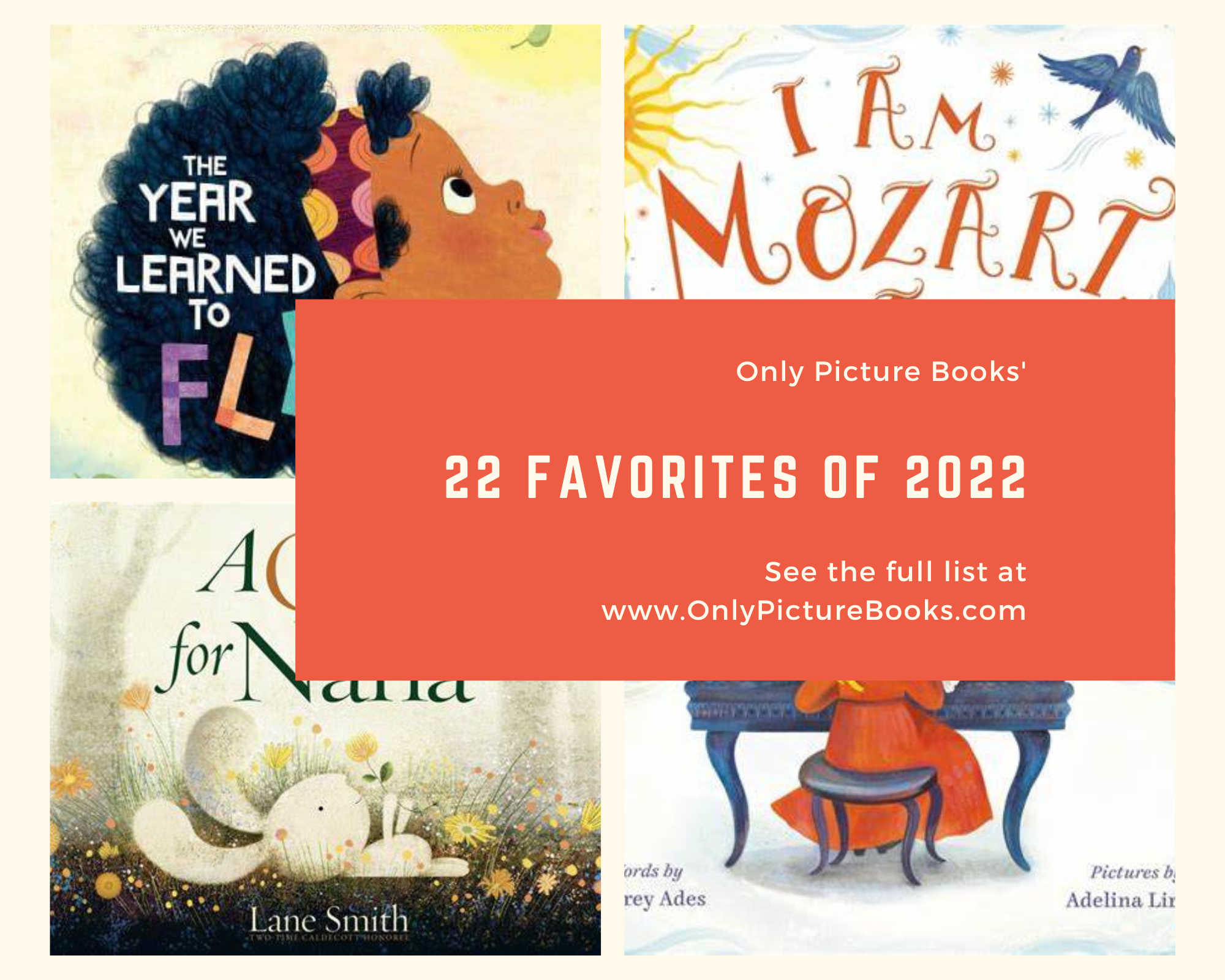
Only Picture Books’ 22 Favorites of 2022

Hello, 2023! While we’re really excited about the kidlit world and all that’s about to happen this year, we wanted to take a moment to reflect on some truly terrific picture books from the past twelve months.

This is a subjective list, so if we missed a great picture book, our apologies. Feel free to add your own suggestions in the comments. We’ll try to include those in future lists, if we can.

One last thing–since we’re running this in our regular Picture Book Review slot of the month, we’ll include our own 5‑word reviews along with a link to the Goodreads reviews. Creating these haiku-​like mini-​reviews is as challenging as it is fun. Try it yourself sometime!


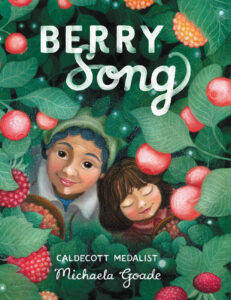
Berry Song by Michaela Goade (19 July 2022)

OPB Five-​Word Review: Luminous, dreamy, pro-​earth joy. Berrytastic.

Goodreads Reviews


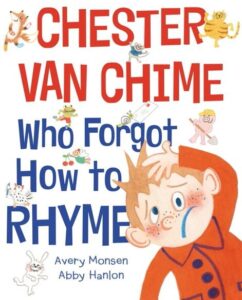
Chester van Chime Who Forgot How to Rhyme by Avery Monsen, illustrated by Abby Hanlon (15 March 2022)

OPB Five-​Word Review: Rhyming read-​a-​loud hilarity. Interactive fun.

Goodreads Reviews


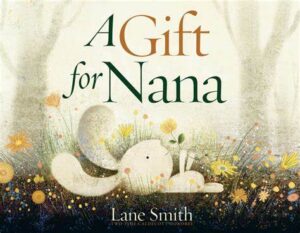
A Gift for Nana by Lane Smith (10 May 2022)

OPB Five-​Word Review: Quirky. Cute. Maybe for adults?

Goodreads Reviews


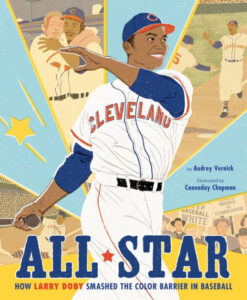
All Star: How Larry Doby Smashed the Color Barrier in Baseball by Audrey Vernick, illustrated by Cannaday Chapman (4 January 2022)

OPB Five-​Word Review: Unsung hero. Door-​opener. Fascinating. Timely.

Goodreads Reviews


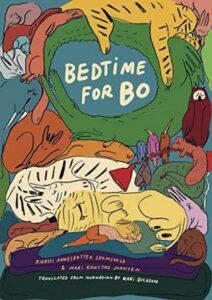
Bedtime for Bo by Kjersti Annesdatter Skomsvold and Mari Kanstad Johnsen, translated by Kari Dickson (9 August 2022)

OPB Five-​Word Review: Joyous, snuggly bedtime love. Imaginative.

Goodreads Reviews


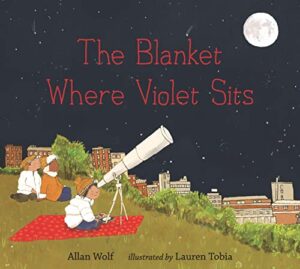
The Blanket Where Violet Sits by Allan Wolf, illustrated by Lauren Tobia (30 August 2022)

OPB Five-​Word Review: Lyrical cumulative rhymes. Picnicky fun.

Goodreads Reviews


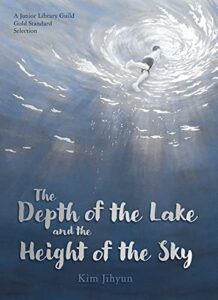
The Depth of the Lake and the Height of the Sky by Kim Jihyun (19 April 2022)

OPB Five-​Word Review: Evocative wordless storytelling. Enchanting debut.

Goodreads Reviews


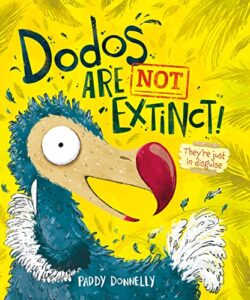
Dodos Are Not Extinct by Paddy Donnelly (8 February 2022)

OPB Five-​Word Review: Extinct animals aplenty. Storytime silliness.

Goodreads Reviews


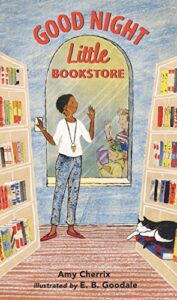
Good Night Little Bookstore by Amy Cherrix, illustrated by E.B. Goodale (29 August 2022)

OPB Five-​Word Review: Cozy, charming Goodnight Moon pastiche.

Goodreads Reviews


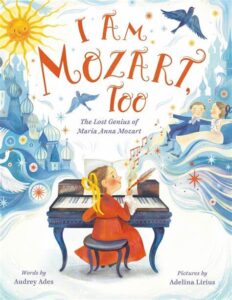
I Am Mozart, Too: The Lost Genius of Maria Anna Mozart by Audrey Ades, illustrated by Adelina Lirius (22 February 2022)

OPB Five-​Word Review: Gender injustice–Mozart’s prodigy sister.

Goodreads Reviews


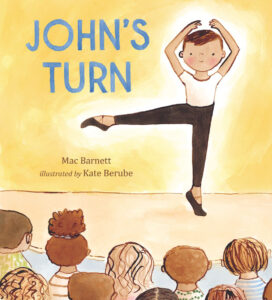
John’s Turn by Mac Barnett, illustrated by Kate Berube (24 February 2022)

OPB Five-​Word Review: Embrace your talent. Gloriously so.

Goodreads Reviews


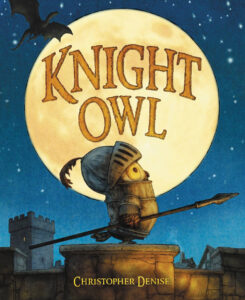
Knight Owl by Christopher Denise (15 March 2022)

OPB Five-​Word Review: Owlish wordplay. Bravery. Radiant art.

Goodreads Reviews


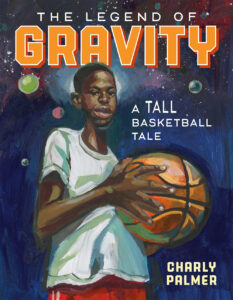
The Legend of Gravity: A Tall Basketball Tale by Charly Palmer (4 January 2022)

OPB Five-​Word Review: Splendrous colors. Fanciful facts. Teamwork!

Goodreads Reviews


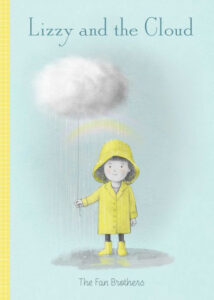
Lizzy and the Cloud by The Fan Brothers (3 May 2022)

OPB Five-​Word Review: Pet clouds are awesome. Beautiful.

Goodreads Reviews


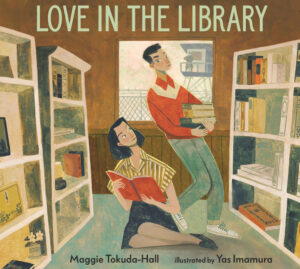
Love in the Library by Maggie Tokuda-​Hall, illustrated by Yas Imamura (8 February 2022)

OPB Five-​Word Review: Detainment camp. History. Heartbreak. Books!

Goodreads Reviews


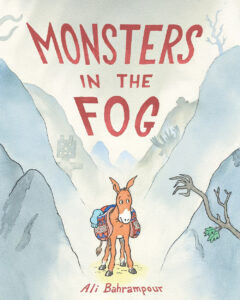
Monsters in the Fog by Ali Bahrampour, illustrated by Cannaday Chapman (14 June 2022)

OPB Five-​Word Review: Humorous mountain journey. Beware “monsters”!

Goodreads Reviews


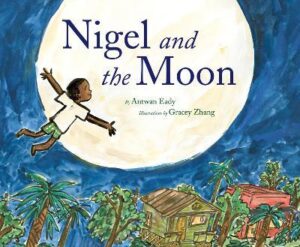
Nigel and the Moon by Antwan Eady, illustrated by Gracey Zhang (19 July 2022)

OPB Five-​Word Review: Childhood dreams. Heart-​melting ending.

Goodreads Reviews


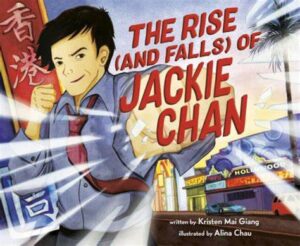
The Rise (and Falls) of Jackie Chan by Kristen Mai Giang, illustrated by Alina Chau (29 March 2022)

OPB Five-​Word Review: Goofball acrobatics. Vibrant art. POW!

Goodreads Reviews


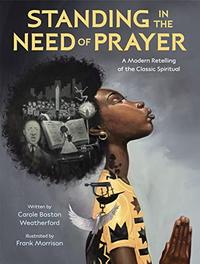
Standing in the Need of Prayer: A Modern Retelling of the Classic Spiritual by Carole Boston Weatherford, illustrated by Frank Morrison (20 September 2022)

OPB Five-​Word Review: Glorious tribute. Discussion-​starting. Ear-​pleasing. Timely.

Goodreads Reviews


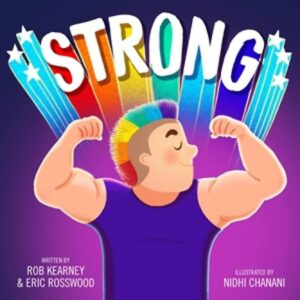
Strong by Rob Kearney and Eric Rosswood, illustrated by Nidhi Chanani (10 May 2022)

OPB Five-​Word Review: Becoming an LGBTQ+ strongman. Empowering.

Goodreads Reviews


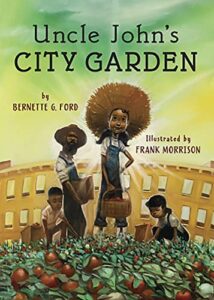
Uncle John’s City Garden by Bernette Ford, illustrated by Frank Morrison (3 May 2022)

OPB Five-​Word Review: City gardens. Family. Recipes. Delicious.

Goodreads Reviews


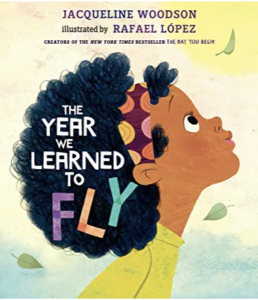
The Year We Learned to Fly by Jacqueline Woodson, illustrated by Rafael López (4 January 2022)

OPB Five-​Word Review: Lyrical history lifts up readers.

Goodreads Reviews


I got so excited going through my shelf of 2022 picture books for this end-​of-​year list that I completely forgot to go back through the books we reviewed here at OPB (which I keep on a different shelf in a different room). I’m not bumping any of the 22 above books because they all belong here, but so do the following three titles.

I supposed that makes this post more accurately “Only Picture Books’ 22 25 Favorites of 2022.”


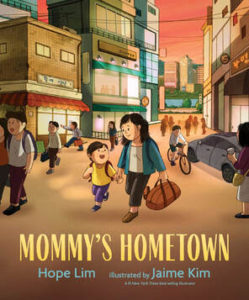
Mommy’s Hometown by Hope Lim, illustrated by Jaime Kim (12 April 2022)

OPB Five-​Word Review: Hits me just right. Sensitive.

See the original OPB review here.


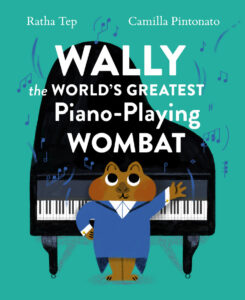
Wally, the World’s Greatest Piano-​Playing Wombat by Ratha Tep, illustrated by Camilla Pintonato (18 October 2022)

OPB Five-​Word Review: Passion. Pride. Participation. Pianos. Potent!

See the original full OPB review here.


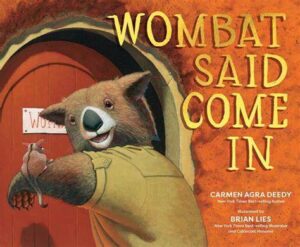
Wombat Said Come In by Carmen Agra Deedy, illustrated by Brian Lies (6 October 2022)

OPB Five-​Word Review: Friendship. Empathy. Safe and secure.

See the original full OPB review here.