Reading Activities: Sleep Tight, Disgusting Blob by Huw Aaron

Sleep Tight, Disgusting Blob
Author: Huw Aaron
Illustrator: Huw Aaron
1 July 2025
Viking Books for Young Readers
32 pages

Book description from Goodreads: “Whether you are a vampire or a ghost, a werewolf or a yeti, a bedtime routine is absolutely essential for a good night’s sleep. Adults and children will fall in love with Blob and the whole cast of monsters as they brush their teeth, put on their pajamas, and get tucked up in bed.

Warm, loving and slimy, this hilarious rhyming picture book is the perfect addition to bedtime reading, ending with a kiss and sweet dreams for all.”


Need some reviews of Sleep Tight, Disgusting Blob?


Reading Activities inspired by Sleep Tight, Disgusting Blob:

  • Before Reading–From looking at the front cover: 
    • What kind of creature do you think the “disgusting blob” is?
    • How does the cover mix scary and funny details?
    • What do the colors on the cover make you feel? Cozy? Creepy? Something else?
    • What bedtime items can you spot? What do they tell you about this world?
    • What questions would you like to ask Huw Aaron before reading the book?
  • After Reading–Now that you’ve read the story: 
    • How does the parent blob show love, even while calling the child “disgusting”?
    • What bedtime routines in the story are like yours?
    • Which part of the rhyme made you laugh or cringe the most?
    • What do the pictures show that the words don’t say?
    • Why do you think the author ends the story with “I love you, disgusting blob”?
    • How does this book make bedtime feel less scary and more funny?
    • If you could ask the author one question about this story work, what would it be?
  • Night Check Patrol: In the story, bedtime is a full operation — teeth, pajamas, settling the chaos of many different monsters. Pretend you’re Head of Night Patrol. Walk through your bedroom with a clipboard and list 3 things that need to be “secured for the night.” (Example: “All crayons capped,” “Lego trap cleared,” “Snacks moved away from ooze.”)
  • Gross-​but-​Sweet Poetry: The book uses bouncy rhyme to tuck a monster in with love and patience. Try writing a 4‑line bedtime rhyme to a creature of your choice.
    Example:
    “My little swamp goblin, it’s time to lie down.
    Wipe off the grave dirt, remove your frown…”

    Challenge yourself to mix gross details and actual tenderness, the way Mummy Blob does.
  • Create Your Own Disgusting Blob: Fold a blank page in half. On the left, draw your blob during the day (chaotic, sticky, maybe throwing slime). On the right, draw the same blob at bedtime (pajamas, story time, tucked into a “lovely damp” pillow). Add labels like “bed goo,” “eyestalk warmer,” “charging cable,” etc.
  • Make a Monster Bedtime Chart: Draw a list of nighttime steps for a new monster: brushing fangs, folding wings, feeding pets, etc. Add silly drawings and sound effects for each step.
  • Monster Room Design: Imagine what the Blob’s bedroom looks like. Sketch or collage it. What’s on the walls? What’s under the bed? What counts as “cozy” in a monster world?
  • Books, Books, and More Books! Check out these picture books that celebrate bedtime, comfort, and slightly chaotic evenings:
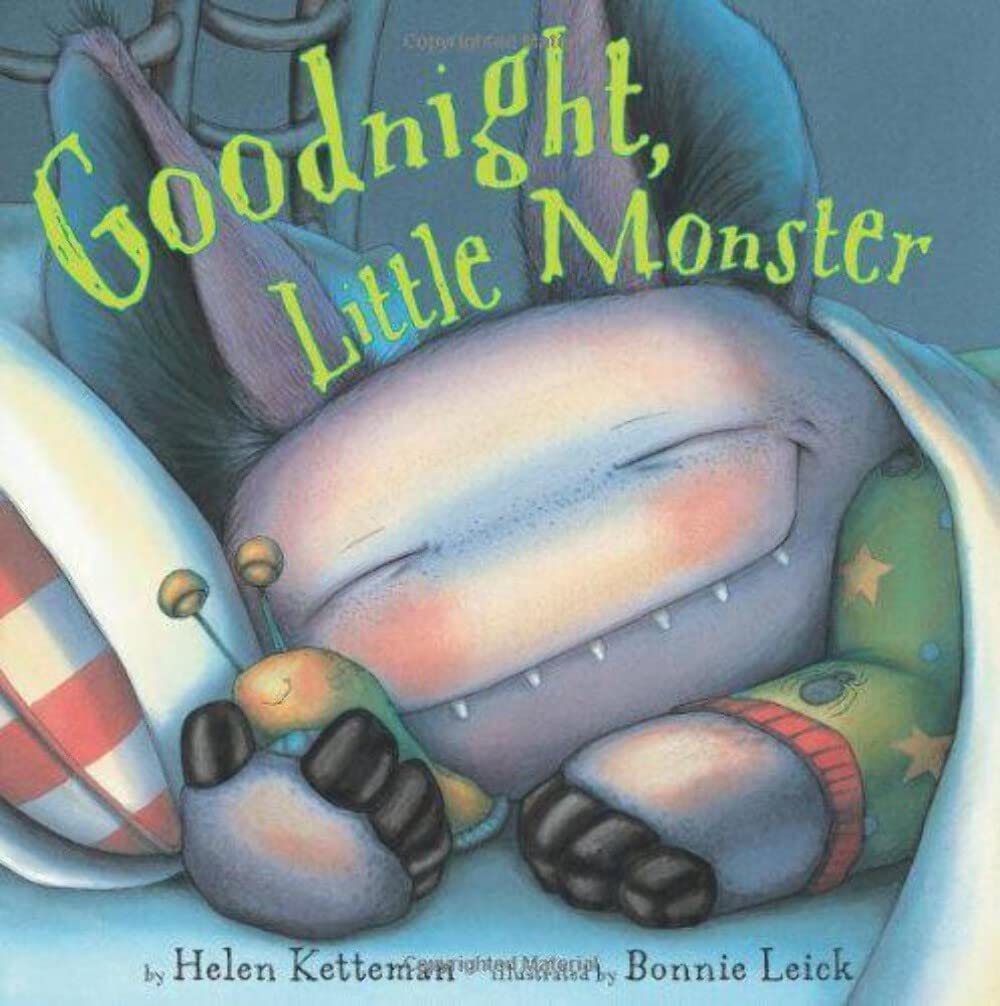
Good Night, Little Monster by Helen Ketteman, illustrated by Bonnie Leick
A bedtime routine book where a young monster resists sleep while Monster Mama patiently guides the process.


Library Lion by Michelle Knudsen, illustrated by Kevin Hawkes
A gentle, love-​the-​library story about calm, rules, and care at closing time.
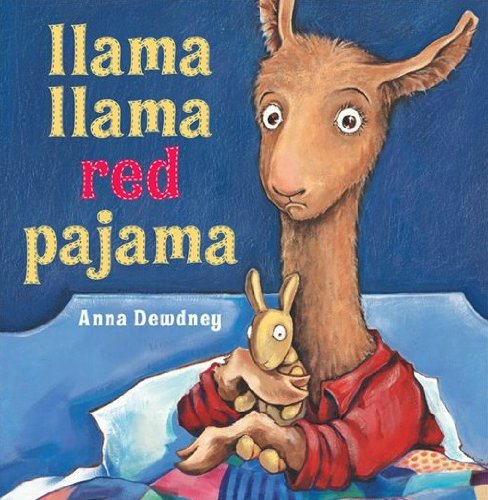

Llama Llama Red Pajama by Anna Dewdney
Classic panic-​at-​bedtime energy filled with big feelings, reassurance, and a loving reminder that comfort always returns.


Pigeon Needs a Bath! by Mo Willems
One very opinionated pigeon insists he’s perfectly clean until bath time finally turns into bubbles, calm, and bedtime readiness.


The Quickest Bedtime Story Ever! by Louise Fitzgerald, illustrated by Kate Hindley
A fast-​talking narrator tries to rush a kid to sleep in record time, with silly interruptions and increasingly desperate bargaining — great for bedtime power struggles.

Industry Insights: Books, Booths, and Beautiful Moments at ALA 2025

I had other plans for today’s post, but after spending the weekend in Philadelphia at the 2025 ALA Annual Conference—surrounded by thousands of books, dozens of creators, and more creative joy than anyone can believe—I knew I had to share.

Here’s a visual love letter to the books, booths, and beautiful moments that caught my eye. I’ll even stick in a caption now and then, too. Enjoy!


Kwame’s new book looks great!


Like the comically oversized cover of Mifflin Lowe’s new Bushel & Peck book, Art: An Interactive Guide?


Have you seen a copy of Earhart: The Incredible Flight of a Field Mouse Around the World?


This bird gave me a copy of Will the Pigeon Graduate? Thanks, Pigeon (& Mo Willems)!


Laura Piper Lee signing Hannah Tate, Beyond Repair.


Matt Forrest Esenwine signing his terrific new poetry anthology, A Universe of Rainbows!


Eric Lied signing Dragon Forged: Sword of the Champion.


Me signing Decide & Survive: Agent 355 at the Junior Library Guild booth.


Signing copies of Transformers: Worst Bot Ever: Meet Ballpoint!


Greg Pizzoli signing Earl & Worm #2: The Big Mess and Other Stories.


Signing One Day at the Bottom of the Deep Blue Sea.


Joyce Uglow signing Stuck!: The Story of La Brea Tar Pits.


Taylor Robin signing Hunger’s Bite.


Daniel Minter signing And She Was Loved: Toni Morrison’s Life in Stories.


Signing Legendarios: Wrath of the Rain God.


Jamiel Law with Jimmy’s Rhythm & Blues.


Kon Tan signing We’re All Gonna Die-​nosaur!


Scott Campbell signing Cabin Head and Tree Head.


Signing Hollow.


Anna North signing Bog Queen.


Philip C. Stead and Erin E. Stead signing A Snow Day for Amos McGee.


Lots of intriguing 5e/​RPG titles from Hit Point Press.


So much tasty food at Reading Market…


Industry Insights: Decoding Editorial Feedback (with Real Picture Book Examples)

Hello, OPB friends!

This month, we’re doing something a little different for our Industry Insider post. Instead of featuring an interview, I wanted to dig into a question that comes up often during critique sessions, revision conversations, and email threads with clients, friends, and fellow kidlit writers:

What do editors really mean when they say things like “This feels quiet” or “I didn’t quite connect with the voice”?

As Editorial Director at Bushel & Peck Books—and a kidlit writer myself for the past ten years—I’ve heard these phrases from both sides of the table. I’ve also talked about them at length with my own agent, with critique partners, and with other editors across the industry. So, today’s post is a kind of translation guide: a short, honest look at some of the most common editorial phrases and what they often (but not always!) mean under the hood.


This feels quiet.”

This doesn’t mean “bad.” It usually means the concept doesn’t feel immediately marketable. Maybe the theme is lovely but soft, or the stakes feel internal rather than plot-​driven. Sometimes it means the story is tender or subtle, but doesn’t stand out in a crowded submission pile.

What might help:
Sharpen the hook. Raise the stakes. Consider whether the emotional arc or character journey could be more compelling or surprising.

Example: The Rabbit Listened by Cori Doerrfeld
This is a quiet book, yes, but it works because the emotional core is crystal-​clear and universally resonant. Note how the hook—how kids process big feelings—feels urgent and relatable, even though the plot is minimal.


It’s well-​written, but I didn’t fall in love.”

This is often code for “I admire this, but I don’t have a vision for how to sell it.” Editors have to advocate hard for every book they acquire, and that requires real enthusiasm. No one wants to take on a project they feel lukewarm about, even if the writing is strong.

What might help:
Nothing, necessarily. This one isn’t about a fixable flaw, but rather more about fit. Keep querying. The right person might fall hard.

Example: Julian Is a Mermaid by Jessica Love
This debut book is lyrical, quiet, and elegant—easily one an editor could have passed on for being “lovely, but maybe too subtle.” But its emotional depth and visual storytelling made the right editor fall in love, and champion it all the way to success.


There’s not quite enough here for a picture book.”

This might mean there’s not a full arc, or that the story leans more toward vignette or concept than narrative. It can also mean the emotional or plot payoff isn’t big enough to justify 32, 40, or 48 pages.

What might help:
Dig deeper into the character’s journey. Add tension, reversals, or a turning point. Picture books (even/​especially quiet ones!) need structure to shape the reader’s experience.

Example: A Sick Day for Amos McGee by Philip C. Stead and Erin E. Stead
This story is gentle, but it has a clear beginning, middle, and end. Amos takes care of animals at the zoo. One day he’s sick—and they return the favor. The role reversal adds narrative weight to what could’ve been a flat concept.


I wasn’t quite connecting with the voice.”

This is a gentle way of saying that something in the tone, language, or narrative feel simply didn’t land. The voice might feel too adult, too generic, or inconsistent. Or maybe it didn’t match the story’s intended mood or audience.

What might help:
Read it aloud. Is the rhythm strong? Does it sound like a real person? Could the narrator be more specific, distinctive, or emotionally resonant?

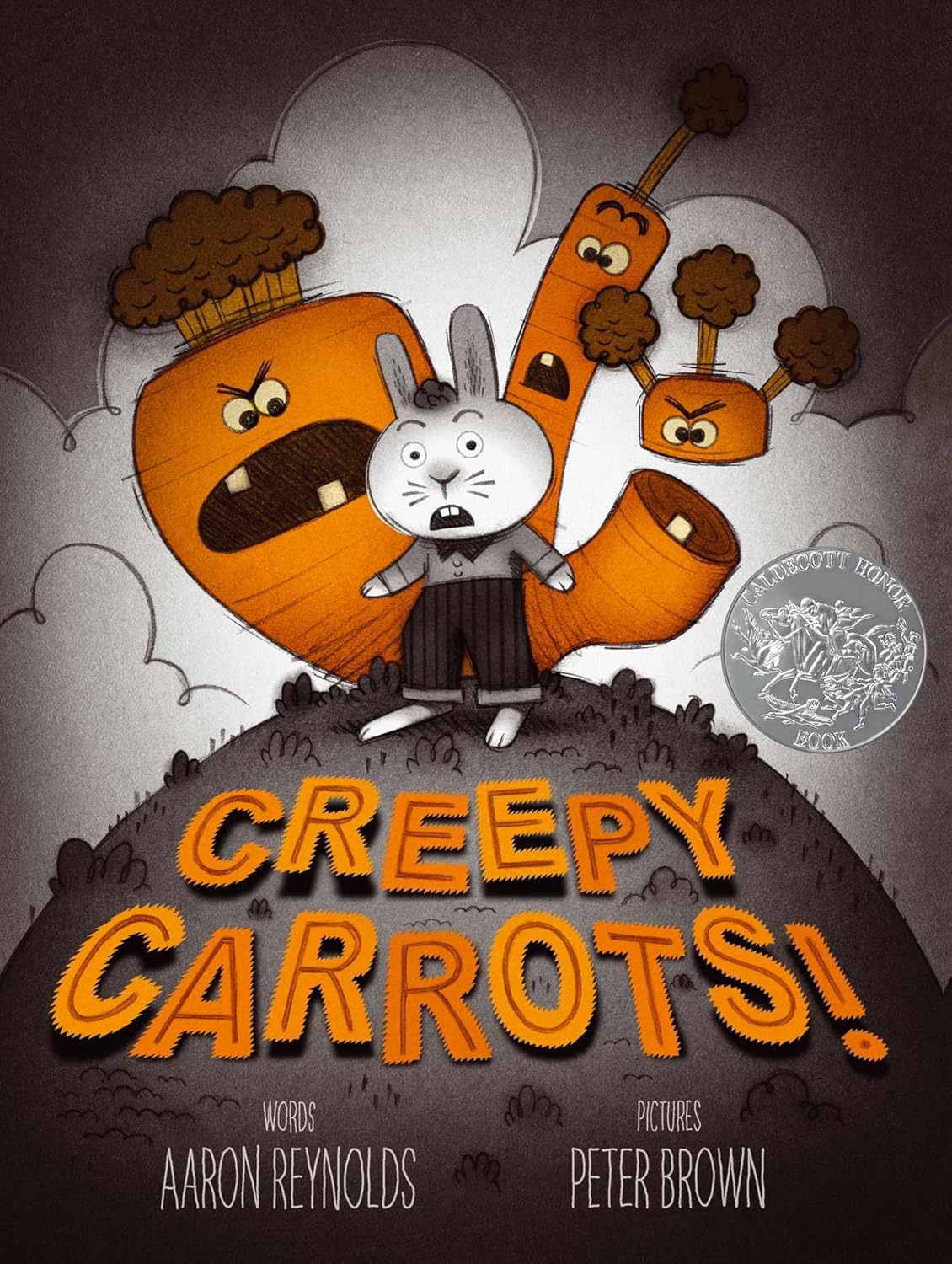
Example: Creepy Carrots! by Aaron Reynolds, illustrated by Peter Brown
The voice here is spot-​on: cinematic, dramatic, and a perfect match for the mock-​horror tone. The exaggerated seriousness is what sells the humor…and the book.


It’s too similar to something else on our list.”

This is rarely personal. More times than not, it’s strategic. Editors have to balance their list across themes, formats, tones, and audiences. If they just acquired a book about ballet-​loving dinosaurs, they’re probably not going to take another one. I run into this a lot at my press because we’re a small press with a small list. I can’t buy a second book about penguins if we’ve already got one in the pipeline, or just published one…even though I’d love to do an all-​penguin imprint!

What might help:
Check your comps. Make sure your book fills a different niche, or offers a fresh twist that feels essential, not adjacent.

Example: Don’t Let the Pigeon Drive the Bus! by Mo Willems
A story about a demanding character trying to get their way? Done a zillion times before. But the second-​person narration, meta structure, and pigeon personality made this feel wildly new, even though the premise is simple.


We’re being really selective right now.”

Always true. But also: sometimes it’s a way of softening a pass without going into detail. Budgets, list size, market trends, team bandwidth, and internal priorities all play a role.

What might help:
This is nothing you can control. It’s just not a reflection on you or your work. Keep going. The right project will hit the right desk at the right time.

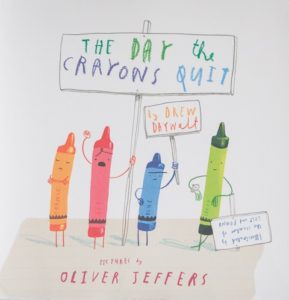
Example: The Day the Crayons Quit by Drew Daywalt and Oliver Jeffers
A book like this may have felt risky at the wrong time: epistolary format, multiple voices, no central plot. But with the right champion at the right moment, it broke through—and became a bestseller.


Final Thoughts:
Rejections don’t always mean “no forever.” And editorial speak isn’t meant to be mysterious, though it can MOST DEFINITELY feel that way in the moment for a while. As writers, it helps to hear what’s often behind the phrases. As editors, it helps to be honest about what we mean. The more we can bridge that gap, the stronger the books (and the industry) become.

Got a phrase you’d like help decoding? Leave a comment or reach out! I’m happy to demystify where I can.

Picture Book List: 12 Books that (Wonderfully!) Break the Fourth Wall

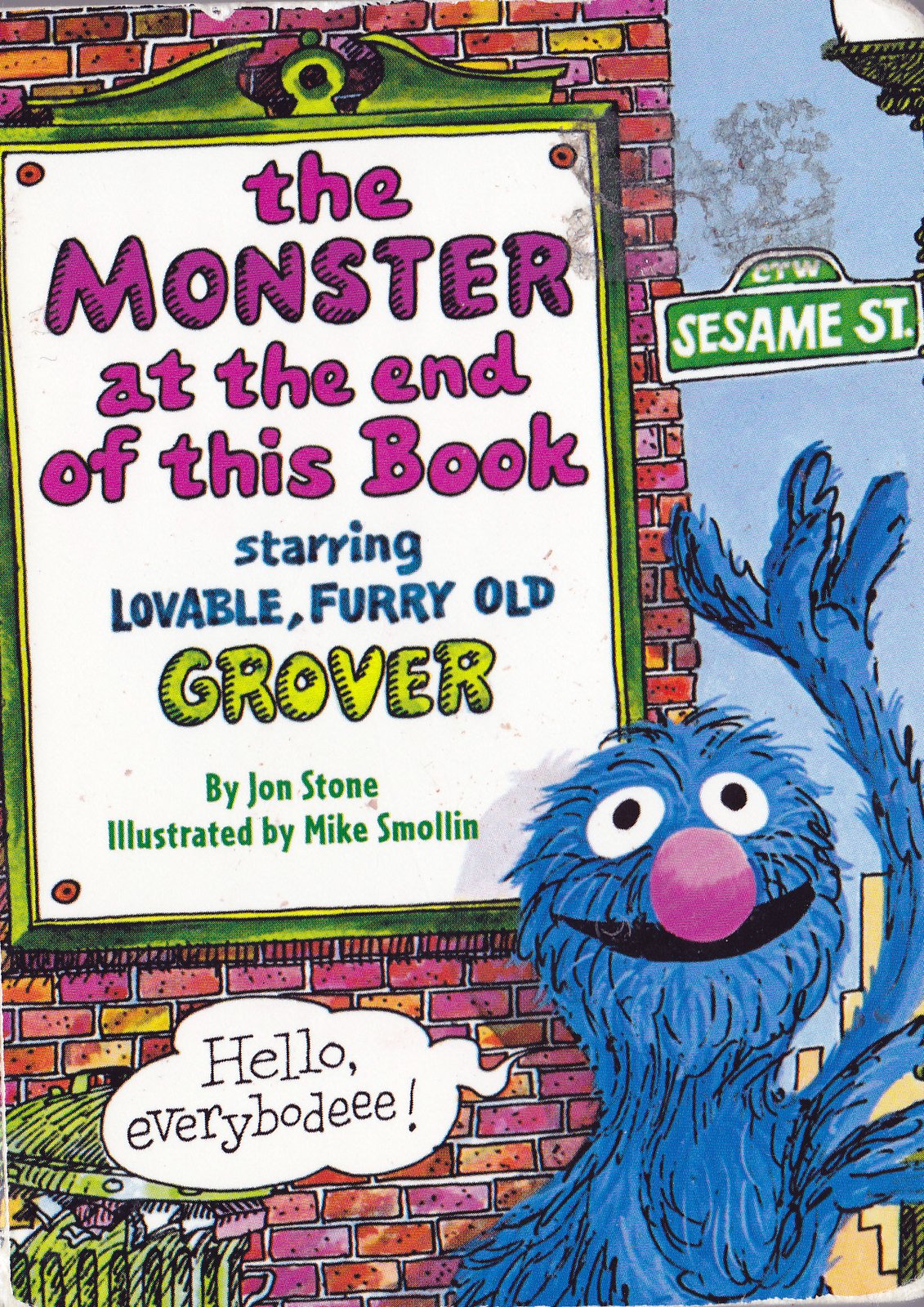
See the source imageOne of the books we (quite literally) wore out in our family was The Monster at the End of this Book written by Jon Stone and illustrated by Michael Smolin. My kids simply loved how Grover “talked” to them from the pages, begging them not to keep reading because he was 100% sure that at the end of the book, there’d be a monster. Yikes! As a parent reading with my kids, I loved how when Grover asked my kids questions (like “Do you know that you are very strong?”), my kids always roared and flexed their little girl muscles in response. Fun for everyone!

For those who like fancy terms, we’re talking about a type of metafiction here, meaning a book that’s fully aware that it’s a book, which allows the author and/​or illustrator to play with the normal conventions of a book. (Here are some wise words and explanations about breaking the fourth wall from Romelle Broas’ blog.) When used in a picture book, breaking the fourth wall often results in a great read-​aloud experience since kids are invited to be part of the plot. Who doesn’t want to join in with a terrific story, right?

I went through my PB bookshelf the other day with the idea of organizing them not by title or author name, but by type of book. And what I found was this–I have a LOT of books that break the fourth wall.

So, here are a few OPB favorites, plus a couple of ones you might not yet know, but surely will come to love. Did I miss your favorite? If so, tell me in the comments. I’ll make sure to get a copy so I can add it to my Fourth Wall shelf.


Six Classic Fourth-Wall-Breakers

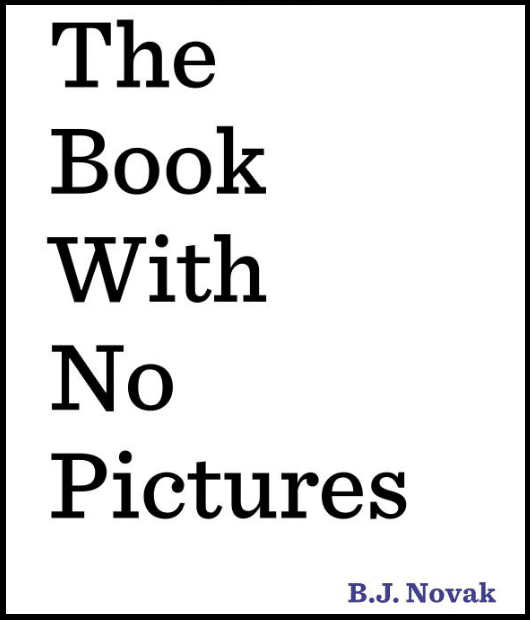
See the source imageThe Book with No Pictures by B.J. Novak

He was terrific as Ryan the Temp in The Office, but he’s proven to be equally amusing as a picture book writer, too. Wait until the adults have to say “BLORK” or “GLIBBITY GLOBBITY” or “BLURRF”! Fun, fun, fun.


The Day the Crayons Quit by Drew Daywalt

If you’ve ever felt that some crayons–like some people–don’t get their fair shake, then this book will prove satisfying. My fav is green, the real people-​pleaser of the entire box. You’ll never look at crayons the same way again!


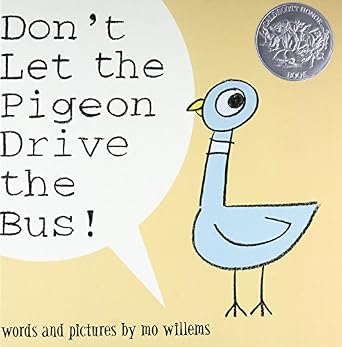
See the source imageDon’t Let the Pigeon Drive the Bus! by Mo Willems

The fact that it’s a Caldecott Honor winner is reason enough to give it a shot. But kids LOVE being put in charge, and that’s what the bus driver does when he has to step out. And wow, that pigeon is willing to do or say anything to get his shot behind the wheel. Good, silly fun all around.


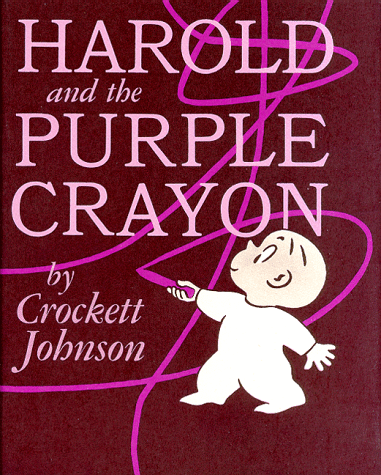
See the source imageHarold and the Purple Crayon by Crockett Johnson

This timeless classic–written 60+ years ago–still lands well with readers today. As Harold takes his oversized crayon through the woods and past dragons before returning to bed, we see just how wonderful one’s imagination can be.


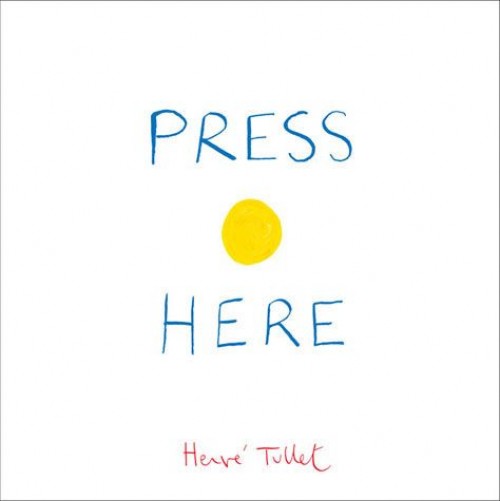
See the source imagePress Here by Hervé Tullet

Kids who appreciate tactile interactions will love this book, which asks them to push buttons, shake the book, tilt it, and more. You might want to consider the board book version so you can be sure it’ll survive all the physical interactions. My nephew is wearing out his copy fast–it doesn’t sit for more than a day on his bookshelf before he’s enjoying it again.


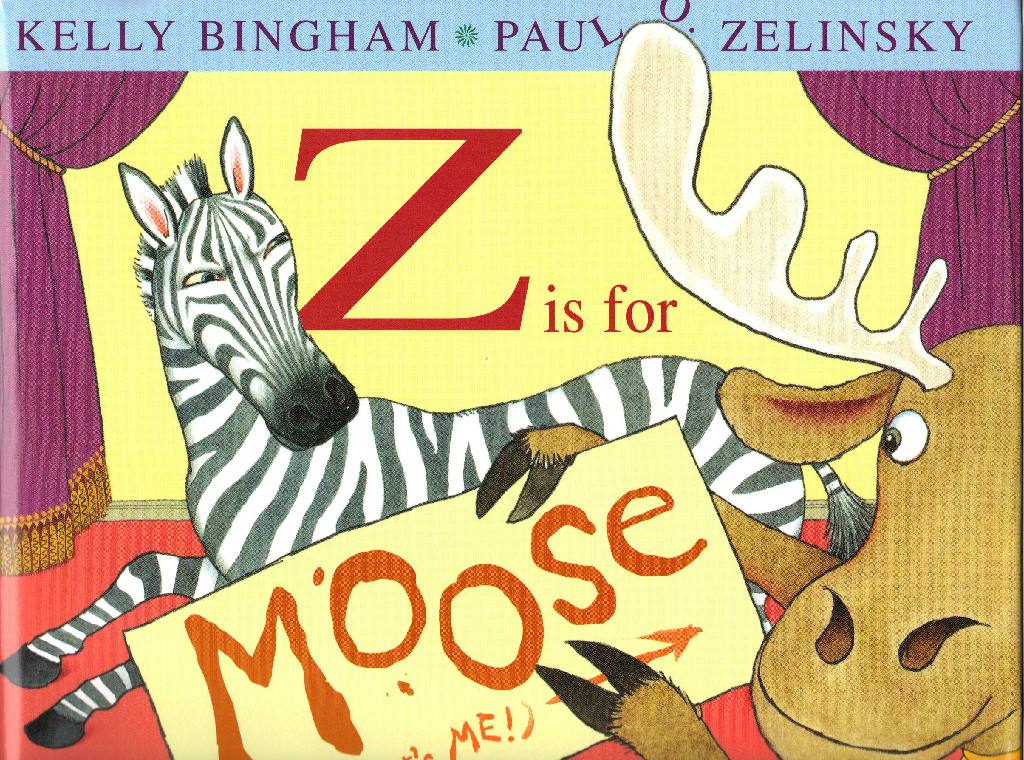
See the source imageZ is for Moose by Kelly Bingham

Zebra wants the alphabet to be simple. A is for apple, etc., but Moose is far too excited to wait his turn. This comedy of errors is loads of fun that’s made all the better by Caldecott medalist Paul Zelinsky’s outrageous images.


Six Wall-​Busting Picture Books You Might Not Know
(But Definitely Should!)

See the source imageThis Book Is Magic by Ashley Evanson

If you like Tullet’s Press Here, then this book is a must-​read. Tap a hat to make a bunny appear. Utter the words to a spell to make a book–POOF–get bigger! Just watch out, though. Magic tricks don’t always end up the way one expects!


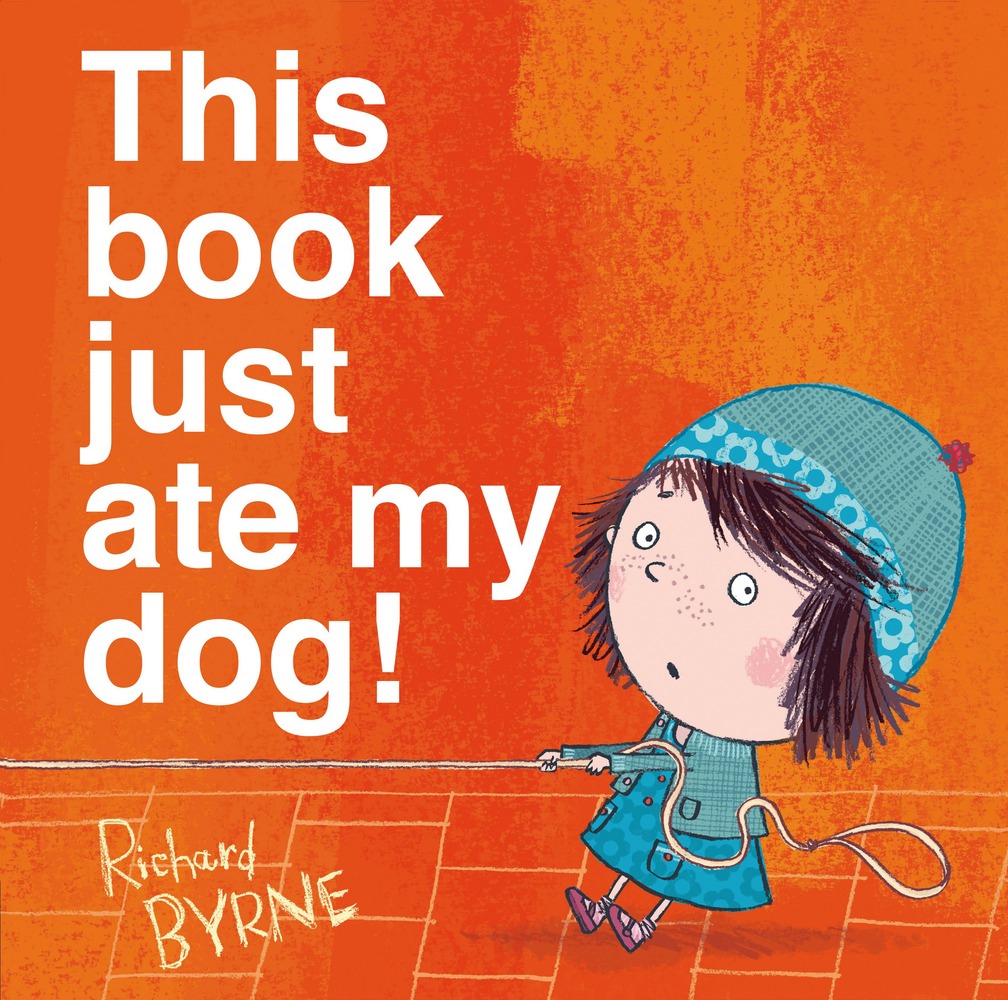
See the source imageThis Book Just Ate My Dog by Richard Byrne

Want to learn what the gutter of a book is? You will in Richard Byrne’s book., because this girl’s poor pooch disappears in the gutter—the gap between pages in the center. It’ll take far more than a hard tug on the leash to make things go right in this curious story.


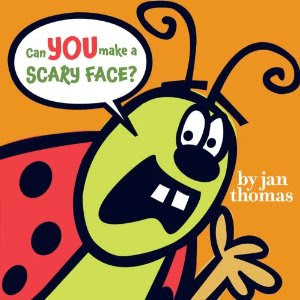
See the source imageCan You Make a Scary Face? by Jan Thomas

This bossy little ladybug will keep readers having fun. The bold, cartoon style and wild, bright backdrops help make this a memorable, vivid reading experience. Wiggling, blowing, doing the chicken dance? There’s a lot of kid fun here.

Be warned, though–this is not a good book for quiet time. Kids will make a lot of noise.


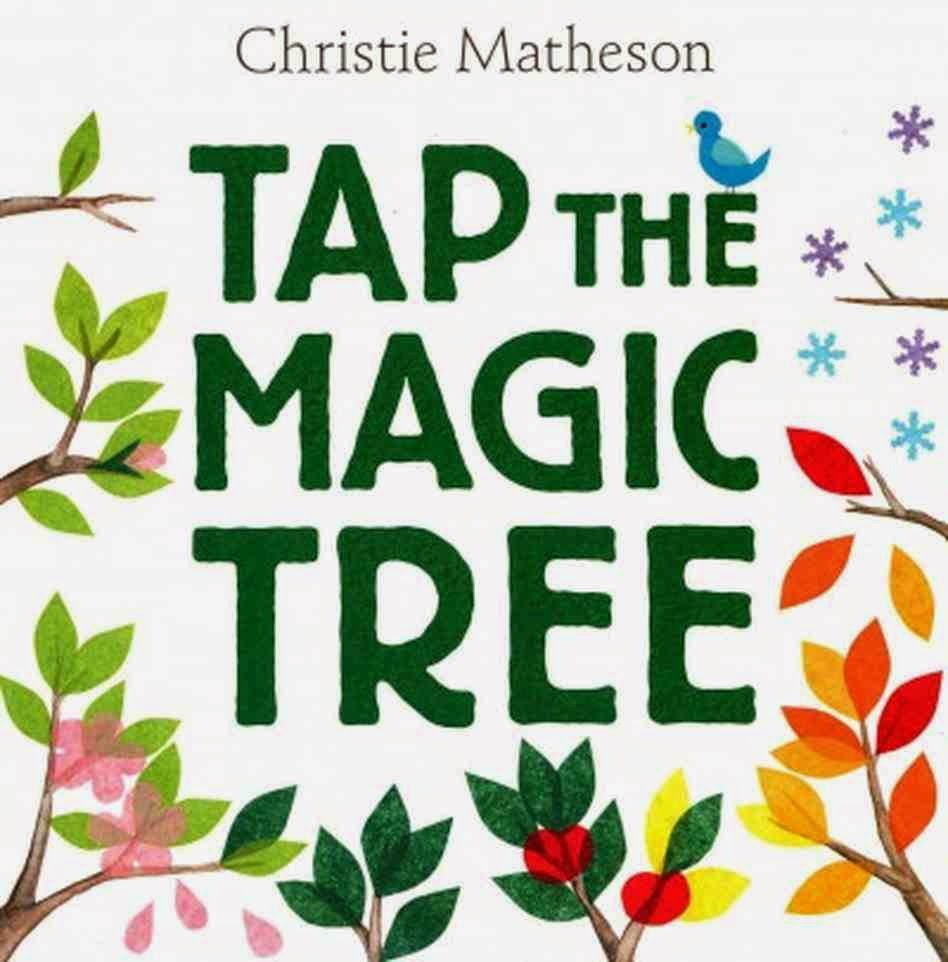
See the source imageTap the Magic Tree by Christie Matheson

In this fine book, readers are asked to interact with a tree. Every page turn rewards that action, with the tree changing in some manner. While many fourth wall breakers are more about fun than anything else, this one invites contemplation and reflection.


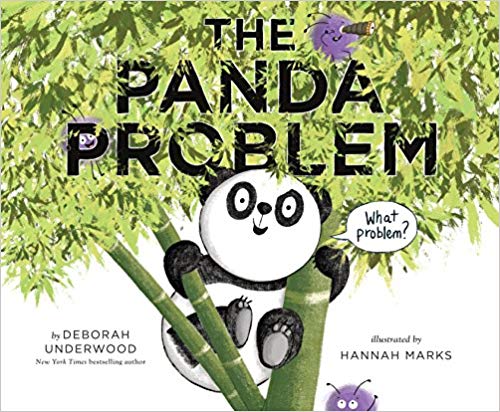
See the source imageThe Panda Problem by Deborah Underwood (lllustrated by Hannah Marks)

We all know how stories work, right? So does the narrator in this story, only Panda isn’t playing along. What’s a narrator to do now?

Check out the OPB review of this title for more details.


See the source imageWolves by Emily Gravett

Rabbits shouldn’t believe what they read in fairy tales, and neither should you. This story is pro-​library and pro-​fun. And if it seems a bit too dark at times, there’s a bonus alternate ending for the sensitive reader.