Industry Insights: 11 Green Lights (and 5 Red Flags) in Editorial Assistant Applications

I recently hired an editorial assistant at my press, and the submissions were pouring in—hundreds of emails from eager applicants hoping to land a first job in publishing. After combing through the first few dozen, patterns start to leap off the screen. Some made me think yes, please. Others sank themselves before I even opened the attachment.

That made me realize this was a timely topic for an Industry Insights piece. So, here we go! Your mileage may vary with the following, but if you gave me a root beer and asked for my advice, this is more or less what I’d offer if you asked me.


If you’re applying for an entry-​level editorial role—or any publishing position that involves words, organization, and people—these are the signals that stand out for all the right reasons.


Green lights

  1. A subject line that says the job and your value
    “Editorial Assistant application – copyediting + kidlit marketing experience.”

  2. A three-​sentence opener that orients me
    Who you are, what you’ve done, what you can do for this role. Clear and human.

  3. Evidence you understand children’s books
    Name two or three recent picture books by title and publisher and one sentence on why they work.

  4. Proof you can handle details
    One paragraph describing how you track tasks, version files, and meet deadlines.

  5. Clean, calm formatting
    Consistent headers, white space, one font. No design experiments.

  6. A real line about why this press
    Show me you looked at our list. Mention a title and connect it to your skills.

  7. Transferable skills with receipts
    “Managed a 200-​entry submissions inbox with a 48-​hour acknowledgment target.”

  8. Comfort with the tools
    State proficiency levels for Google Workspace, Track Changes, Airtable, or Sheets, Zoom.
  9. Professional presence online
    If you include a website or LinkedIn link, make sure it’s current, typo-​free, and reflects the kind of work you want to do. I always check.

  10. Service mindset
    One sentence that shows you anticipate needs: scheduling, prep docs, recap notes.

  11. A respectful close with one ask
    “I’m glad to complete a short paid task if helpful. Thank you for the consideration.”


Red flags

For every polished, intentional application, there’s another that goes sideways in seconds. None of these mistakes are fatal—but each one quietly signals inexperience or carelessness.

  1. Generic cover letters that could go anywhere
    If I can swap in another press name and nothing breaks, I assume you didn’t prepare.
  2. Fuzzy timelines
    If your résumé lacks dates or uses vague ranges, I wonder what’s missing.
  3. Attachments named “Resume.pdf” or “document”
    Files without your name disappear fast in busy inboxes.
  4. Samples I cannot open
    Make sure permissions are appropriately set. Test them while logged out.
  5. Over-​promising
    Keep claims specific and verifiable. Confidence is welcome. Inflating is not.

One last thing

Every job in publishing starts with trust. Can you handle words carefully? Can you manage people’s work and time respectfully? Those answers begin forming the moment your email lands. The best applications feel like a preview of how you’d operate on the job—organized, thoughtful, and aware that someone’s time is on the other end of the screen.

Publishing is a relationship business, even at the inbox level. The way you apply becomes the first example of how you’ll edit, communicate, and collaborate once you’re in the door.

I tell my students this all the time. EVERYONE remembers the candidates who made their job easier. That’s the real first impression.

Industry Insights: Read and Write in Spreads

My Writing Picture Books class is building picture book dummies this week, so spread planning is on my desk and in my head. We had a great time folding paper and stapling up dummies in class last week, too.

If you’re new to making dummies, start with these two resources:

How to Craft a Picture Book Dummy

Picture Book Dummy, Picture Book Construction: Know Your Layout

As the students work with their dummies this week, I’ve asked them to assign a job to every spread. One spread, one purpose. Why? Weak spreads and soft page turns become hard to ignore. A dummy makes each spread’s job visible.

Use your dummy to shape spreads

Label the job for each spread, then place lines from your current draft that best serve that job. Keep only lines that serve a spread’s job. Move others to a better spread or copy them into a “cuts” file for possible reuse.

My spread job checklist

  • Promise: who or what the book is about and the energy it carries
  • Pattern: the everyday or plan we’ll soon disrupt
  • Tilt: the first small change
  • Escalate: effort increases or stakes rise
  • Breath: a quiet beat to reset attention
  • Surprise or Cost: the twist or the price of trying
  • Climax: the most charged action or reveal
  • Resonance: a final image that lingers

I tell my students to use this as a quick gut check while working on their dummies. When a moment is small, two jobs might even share one spread. If the book runs longer, the same spread logic applies. You can repeat Pattern, Tilt, Escalate, and Surprise or Cost until you reach the Climax and the final Resonance.

What editors and art directors notice

Here’s my advice for beginning and early career picture book writers. After two or three revision passes, make a quick paper dummy for yourself. Use that exercise to shape the manuscript you eventually submit because editors and art directors can tell when a story has been dummy tested. How do they know? Because it reads like a book.

  • Page turns feel intentional. The opening starts delivering the cover promise. A real breath appears where listeners need it. Reveals land on turns.

  • Lines leave room for pictures. You aim the feeling and the beat. The illustrator invents the staging.

  • Pacing fits the format. It reads cleanly in 32 pages because empty spreads were cut or combined.

  • The book is easy to picture in layout. Conversations move faster and decisions come easier.

That’s the point of making a dummy first, folks. It’s a simple craft step that signals professional readiness. Plus, it’s a good excuse to break out the glue sticks, scissors, staplers, and crayons and have some fun.

Industry Insights: Books, Booths, and Beautiful Moments at ALA 2025

I had other plans for today’s post, but after spending the weekend in Philadelphia at the 2025 ALA Annual Conference—surrounded by thousands of books, dozens of creators, and more creative joy than anyone can believe—I knew I had to share.

Here’s a visual love letter to the books, booths, and beautiful moments that caught my eye. I’ll even stick in a caption now and then, too. Enjoy!


Kwame’s new book looks great!


Like the comically oversized cover of Mifflin Lowe’s new Bushel & Peck book, Art: An Interactive Guide?


Have you seen a copy of Earhart: The Incredible Flight of a Field Mouse Around the World?


This bird gave me a copy of Will the Pigeon Graduate? Thanks, Pigeon (& Mo Willems)!


Laura Piper Lee signing Hannah Tate, Beyond Repair.


Matt Forrest Esenwine signing his terrific new poetry anthology, A Universe of Rainbows!


Eric Lied signing Dragon Forged: Sword of the Champion.


Me signing Decide & Survive: Agent 355 at the Junior Library Guild booth.


Signing copies of Transformers: Worst Bot Ever: Meet Ballpoint!


Greg Pizzoli signing Earl & Worm #2: The Big Mess and Other Stories.


Signing One Day at the Bottom of the Deep Blue Sea.


Joyce Uglow signing Stuck!: The Story of La Brea Tar Pits.


Taylor Robin signing Hunger’s Bite.


Daniel Minter signing And She Was Loved: Toni Morrison’s Life in Stories.


Signing Legendarios: Wrath of the Rain God.


Jamiel Law with Jimmy’s Rhythm & Blues.


Kon Tan signing We’re All Gonna Die-​nosaur!


Scott Campbell signing Cabin Head and Tree Head.


Signing Hollow.


Anna North signing Bog Queen.


Philip C. Stead and Erin E. Stead signing A Snow Day for Amos McGee.


Lots of intriguing 5e/​RPG titles from Hit Point Press.


So much tasty food at Reading Market…


Industry Insights: Decoding Editorial Feedback (with Real Picture Book Examples)

Hello, OPB friends!

This month, we’re doing something a little different for our Industry Insider post. Instead of featuring an interview, I wanted to dig into a question that comes up often during critique sessions, revision conversations, and email threads with clients, friends, and fellow kidlit writers:

What do editors really mean when they say things like “This feels quiet” or “I didn’t quite connect with the voice”?

As Editorial Director at Bushel & Peck Books—and a kidlit writer myself for the past ten years—I’ve heard these phrases from both sides of the table. I’ve also talked about them at length with my own agent, with critique partners, and with other editors across the industry. So, today’s post is a kind of translation guide: a short, honest look at some of the most common editorial phrases and what they often (but not always!) mean under the hood.


This feels quiet.”

This doesn’t mean “bad.” It usually means the concept doesn’t feel immediately marketable. Maybe the theme is lovely but soft, or the stakes feel internal rather than plot-​driven. Sometimes it means the story is tender or subtle, but doesn’t stand out in a crowded submission pile.

What might help:
Sharpen the hook. Raise the stakes. Consider whether the emotional arc or character journey could be more compelling or surprising.

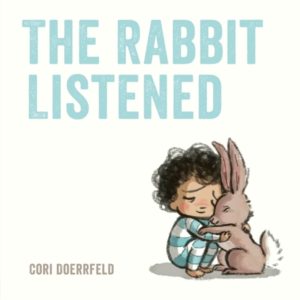
Example: The Rabbit Listened by Cori Doerrfeld
This is a quiet book, yes, but it works because the emotional core is crystal-​clear and universally resonant. Note how the hook—how kids process big feelings—feels urgent and relatable, even though the plot is minimal.


It’s well-​written, but I didn’t fall in love.”

This is often code for “I admire this, but I don’t have a vision for how to sell it.” Editors have to advocate hard for every book they acquire, and that requires real enthusiasm. No one wants to take on a project they feel lukewarm about, even if the writing is strong.

What might help:
Nothing, necessarily. This one isn’t about a fixable flaw, but rather more about fit. Keep querying. The right person might fall hard.

Example: Julian Is a Mermaid by Jessica Love
This debut book is lyrical, quiet, and elegant—easily one an editor could have passed on for being “lovely, but maybe too subtle.” But its emotional depth and visual storytelling made the right editor fall in love, and champion it all the way to success.


There’s not quite enough here for a picture book.”

This might mean there’s not a full arc, or that the story leans more toward vignette or concept than narrative. It can also mean the emotional or plot payoff isn’t big enough to justify 32, 40, or 48 pages.

What might help:
Dig deeper into the character’s journey. Add tension, reversals, or a turning point. Picture books (even/​especially quiet ones!) need structure to shape the reader’s experience.

Example: A Sick Day for Amos McGee by Philip C. Stead and Erin E. Stead
This story is gentle, but it has a clear beginning, middle, and end. Amos takes care of animals at the zoo. One day he’s sick—and they return the favor. The role reversal adds narrative weight to what could’ve been a flat concept.


I wasn’t quite connecting with the voice.”

This is a gentle way of saying that something in the tone, language, or narrative feel simply didn’t land. The voice might feel too adult, too generic, or inconsistent. Or maybe it didn’t match the story’s intended mood or audience.

What might help:
Read it aloud. Is the rhythm strong? Does it sound like a real person? Could the narrator be more specific, distinctive, or emotionally resonant?

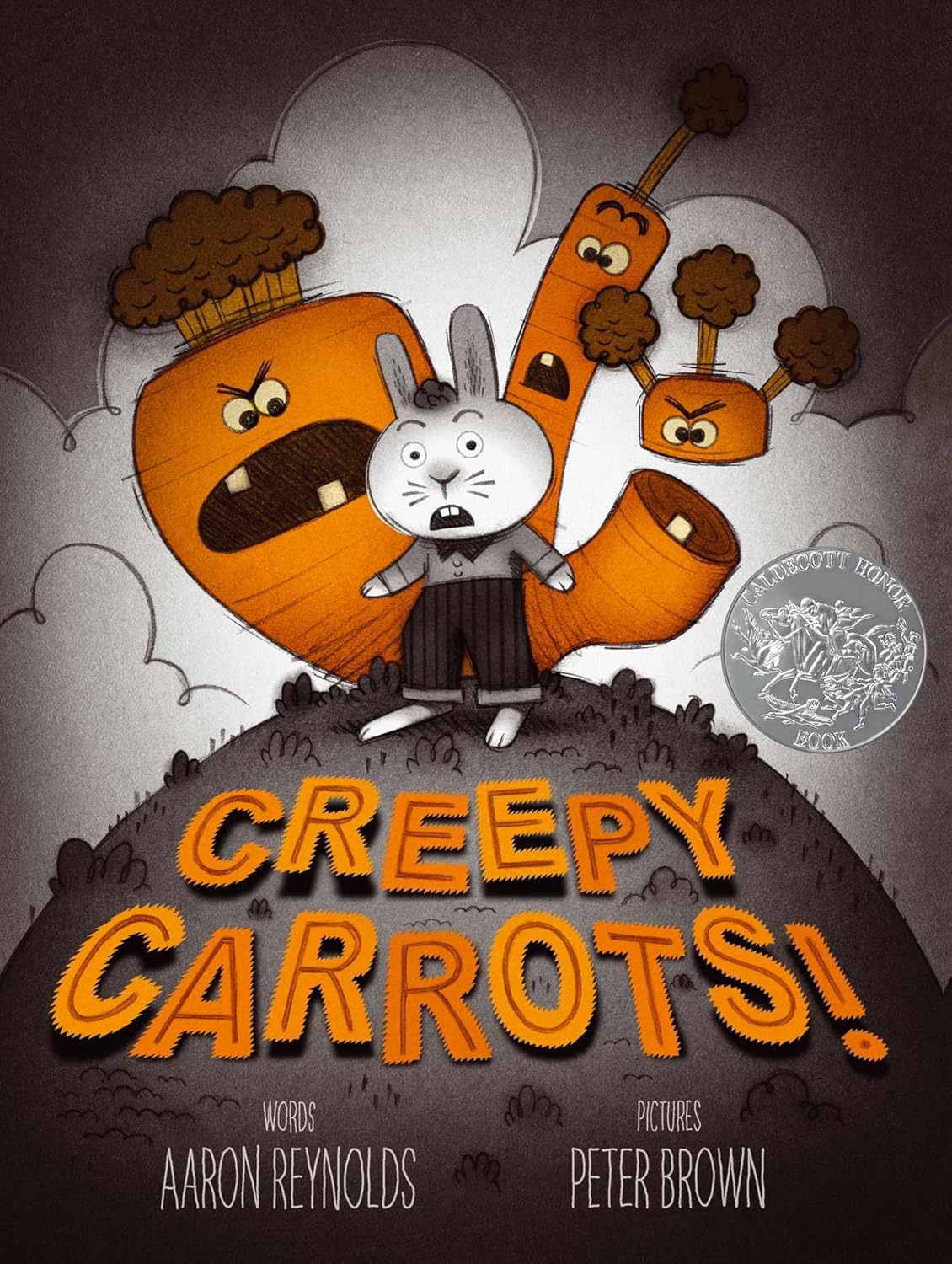
Example: Creepy Carrots! by Aaron Reynolds, illustrated by Peter Brown
The voice here is spot-​on: cinematic, dramatic, and a perfect match for the mock-​horror tone. The exaggerated seriousness is what sells the humor…and the book.

It’s too similar to something else on our list.”

This is rarely personal. More times than not, it’s strategic. Editors have to balance their list across themes, formats, tones, and audiences. If they just acquired a book about ballet-​loving dinosaurs, they’re probably not going to take another one. I run into this a lot at my press because we’re a small press with a small list. I can’t buy a second book about penguins if we’ve already got one in the pipeline, or just published one…even though I’d love to do an all-​penguin imprint!

What might help:
Check your comps. Make sure your book fills a different niche, or offers a fresh twist that feels essential, not adjacent.

Example: Don’t Let the Pigeon Drive the Bus! by Mo Willems
A story about a demanding character trying to get their way? Done a zillion times before. But the second-​person narration, meta structure, and pigeon personality made this feel wildly new, even though the premise is simple.


We’re being really selective right now.”

Always true. But also: sometimes it’s a way of softening a pass without going into detail. Budgets, list size, market trends, team bandwidth, and internal priorities all play a role.

What might help:
This is nothing you can control. It’s just not a reflection on you or your work. Keep going. The right project will hit the right desk at the right time.

Example: The Day the Crayons Quit by Drew Daywalt and Oliver Jeffers
A book like this may have felt risky at the wrong time: epistolary format, multiple voices, no central plot. But with the right champion at the right moment, it broke through—and became a bestseller.


Final Thoughts:
Rejections don’t always mean “no forever.” And editorial speak isn’t meant to be mysterious, though it can MOST DEFINITELY feel that way in the moment for a while. As writers, it helps to hear what’s often behind the phrases. As editors, it helps to be honest about what we mean. The more we can bridge that gap, the stronger the books (and the industry) become.

Got a phrase you’d like help decoding? Leave a comment or reach out! I’m happy to demystify where I can.