
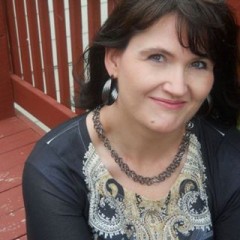
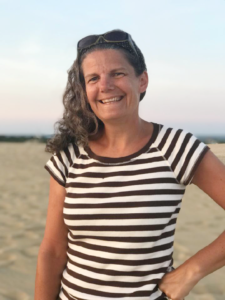
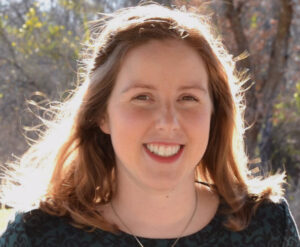
 Today, we’re diving into the imaginative world of Heather Cashman, a seasoned literary agent at Storm Literary Agency, whose dynamic career spans across the evocative realms of Picture Books, Middle Grade, Young Adult, and Adult fiction and nonfiction. Heather’s enthusiasm for boundary-pushing narratives and her commitment to fostering books that evoke a sense of wonder make her a distinguished figure in the literary community.
Heather brings a unique blend of scientific background and creative zest to her role, embodying a true nomadic spirit that seeks out the unexplored and unexpected in literature. Whether it’s a new twist on historical fiction or a fresh perspective in a picture book, Heather is on a quest to discover stories that do things she never knew books could do.
For those who craft narratives with layered hooks and genre blends, or those who write with a blend of commercial appeal and literary elegance, Heather’s insights today will be especially enlightening. Stay tuned as we explore her journey from biochemist to literary agent, her passion for non-didactic, empowering children’s literature, and her advice for aspiring authors navigating the complex currents of the publishing world.
Let’s get inspired by Heather’s story and learn how we, too, can think outside the book!
- Storm Literary Agency
- Heather’s website
- Heather @ LinkedIn
- Heather @ Manuscript Wish List
- Heather @ MS Wish List
- Heather @ Publisher’s Marketplace
RVC: You earned a degree in biochemistry, but that career path didn’t take. What’s the story here?
HC: I love biochemistry! It’s fascinating and a wonderful career path. However, I had three kids in four years and chose to stay home with them, during which time I began writing. And writing. And I just didn’t want to stop! And I started studying editing, became a CP for people, loved the process, and after years of studying and interning, I became a professional editor. By then my kids were in middle school and high school, and I had to make a choice. But I was so passionate about all things writing and editing, I just kept going.
RVC: Your website lists three main areas of creative efforts—literary agent, podcast host, and way-word writer. Which came first, and how do these roles inform each other?
HC: Writer, then editing and interning and working as the host of Pitch Wars with Brenda Drake got me into the conference circuit, which is where I met Vicki Selvaggio, the owner of Storm Literary.
Writing informs everything. Knowing what it’s like to be a writer in the query trenches, knowing what it’s like to struggle for the words, to pour your heart and soul into a book—it all helps me help my clients. I understand what it’s like, but I also understand how tough it is, how difficult it is to stay motivated, and what the industry takes from you. But I also know that you won’t make it if you don’t put your boots back on, dust yourself off, and get back on the horse.
Being an agent, I hope to understand the industry side, the business side of writing. The sales, the marketing, the hoops you jump through with acquisitions, the contracts, the editing, the selling, the hooks, making your manuscript stand out. All of these things inform my own writing, influences the advice I give my clients and how we strategize selling their books, and also helps me assess each query submission.
The podcast ties all this together for me. As a writer, I need community. As an agent, I feel like I have a way to help writers, but also know intimately what writers navigating publishing today would like to hear about. Knowledge is the key to power—to success. I hope the podcast empowers writers in every facet of a writer’s life, from mental health to craft, the business side of things, the shifting that constantly occurs in this industry, as well as the community. I want it to break down the barriers and stigmas associated with the different paths to publishing. And I hope it provides a nurturing environment for people looking to connect in a real way. We need each other.
 RVC: We’ll circle back to the other topics soon, but let’s talk podcasts. Way-word Writers is very new. Why tackle this big project?
HC: I needed it. I needed to get out of my own small world and talk to writers out there. Every podcast guest has amazed me, informed me, taught me, and been so fun to talk to. I’ve laughed, cried, expanded my own horizons. Even if nobody listened to it, I would want to keep doing it.
RVC: What’s the most difficult aspect of hosting a podcast?
HC: I guess not wanting to do it all the time. I would be interviewing twice as many people if I could afford the time. I absolutely love these guests.
RVC: Way-Word is more than just a podcast or website, though. What other things do you do/offer?
HC: We began with just the podcast. But many of our listeners have asked for workshops, retreats, and conferences. So we’re introducing workshops first, probably slowly. Then we’re having an online conference Fall 2024 and then an in-person retreat in Spring 2025. We’ll see how those go, and if they go well, we’ll try to do them on a regular basis. Fingers crossed!
RVC: If I asked your colleagues at Way-Word Writers, what would they say is your superpower?
HC: I asked my colleagues, because I don’t see myself as having any superpowers. They said that my superpowers are kindness and compassion, and that I’m dependable, thoughtful, and a good listener. *blushing bright pink!*
RVC: You’re not just a champion of writers—you’re a writer of science fiction and fantasy for adults and young adults, and “the occasional picture book.” What’s your current project?
HC: I have a book on submission right now with my agent that studies the line where preference becomes prejudice, about a young woman who loves the taste of oranges, the sound of a cello, and a certain boy, but her AI-run government and society demands randomness, so that prejudice can’t ever happen. I’m also working on a picture book about traditions and how different traditions around the world can unify families.
RVC: What do you enjoy most about writing your own picture books?
HC: I love remembering what it was like to be a little child, without all the experiences that jade us, when it was just me napping on the back of my horse while she ate grass out behind the wash shed.
RVC: Let’s talk about being an agent. You came up via the internship route, right? How did you make that happen?
HC: It was a combination really. I’d been interning at an agency and then a publishing house, and I was doing the conference circuit. So things came together for me in a way—a perfect Storm!
Basically I worked A LOT for free for many years.
RVC: Prior to joining Storm Literary Agency, you worked as an editor at Cornerstones UK. How did you fare in the editorial role?
HC: I loved editing and still do! But it always made me sad when I fell in love with a manuscript and then didn’t get to see it through to the selling and publishing stage.
RVC: Talk a bit about how editorial you are in your work as an agent.
HC: When I first started as an agent, I was very editorial. The busier I get with things though, the less time I have to do detailed line or copy edits to really elevate the writing. But I still read and give as much feedback as I possibly can. I always want to give my authors the very best chance at a sale!
RVC: You landed at Storm Literary Agency. What’s the most important thing people should know or understand about that agency?
HC: We’re very much a team. We’re collaborative, have a family atmosphere, and we foster agents and clients alike to be the best they can. This industry takes a village, because books are like children: they’re complex, they grow, they need nurturing and advocates to fight for them. Storm is that village.
RVC: Why is Storm Literary Agency a great fit for you?
HC: I need nurturing too! Also, I love to help the other agents and writers, and Vicki and Essie are so supportive and offer their wealth of knowledge and experience freely. It’s a wonderful place to work.
RVC: What was the first picture book you sold? What’s the story behind that?
HC: The first picture book I sold was a nonfiction picture book by my client Nathalie Alonso titled My Name is Roberto (Calkins Creek, 2025), and it’s been a long time coming! I fell in love with Nathalie’s writing. She’s a fireball with so much heart and soul, and that gets poured right into her books.
RVC: What’s the most useful lesson that first picture book sale taught you?
HC: I could do it. And if I sold one book, I could do it again.
RVC: You’ve mentioned that you love “timeless picture books.” Could you discuss a few examples and what, in your view, contributes to their timelessness?
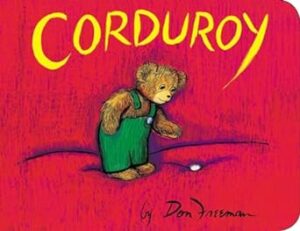 HC: Corduroy by Don Freeman. As timeless as corduroy itself, it’s a book about finding the perfect someone. We all need that.
Where the Wild Things Are by Maurice Sendak. Everyone has an inner monster, and that inner monster gets in trouble, and I love that this book teaches us to identify that inner monster and acknowledge it without letting it keep us from our dinner.
If You Give A Mouse A Cookie by Laura Joffe Numeroff. So fun, and we are all that mouse.
To me, timeless books universally resonate with us because they reveal ourselves—they reveal to us the human condition and help us realize that we aren’t the only ones who feel this way—no matter what our age.
RVC: As an agent, you’ve mentioned a love for books that “do things I never knew books could do.” Could you give an example of such a book?
HC: I’ve seen books that can turn into beehives, books that unfold and turn into a map, books that transform the way you live or think.
RVC: Can you talk about a time when a project took a completely different direction after your initial feedback and turned out better because of it?
HC: I gave someone an 18-page edit letter for their YA and they asked me why I even took them on as a client. We worked on another project for a while, but after they went back and did the edits on that first project, it became a NYT Bestseller. And while my edits did help, it was their vision, talent, and perseverance that made the difference.
RVC: What a great story! Now, in your opinion, what are the key components of a successful author-agent relationship?
HC: Communication, understanding, and a willingness to keep learning craft.
RVC: How do you handle the delicate balance of creative input with respecting an author’s artistic vision?
HC: I ask questions, make suggestions, and then let them figure it out. I trust them to know what they’re trying to do and say.
RVC: How do you identify and help authors capitalize on emerging trends in the publishing industry?
HC: My authors have a lot of manuscripts in a folder and I go through them and we discuss, or sometimes I ask them if they have anything an editor is looking for.
RVC: You’ve been involved with Pitch Wars, #PitMad, and Pitch Madness. Why did you get involved?
HC: To find a community of talented authors and creators and surround myself with a community of like-minded people who want to lift rather than tear down.
RVC: What’s your favorite success story from those opportunities?
HC: I loved every author I worked with, both the mentors and my mentees, and I don’t think I have a favorite success story. There were so many talented authors who went on to do great things.
RVC: I confess—I don’t know anyone who lives the RV life, but it’s something you do full time. What’s a typical workday look like for you?
HC: My workday is very similar to anyone else, I think, as far as working around 10 hours and reading at night. I guess the main difference is that when I make my tea and go sit outside, I’m in the wilderness somewhere. And it’s always changing. Sometimes I’ll edit while in my lawn chair by a river. We’re off grid because we are 100% solar, so we often stay in national parks or forests with the deer and squirrels.
RVC: Your bio says you love kayaking, hiking, and motorcycling. How often do you get to do those things?
HC: I sometimes do small hikes in the mornings, but usually we do something on Saturdays and/or holidays.
RVC: Alright, Heather. Let’s jump into the much-beloved, never-equaled, always-exciting LIGHTNING ROUND. Zippity-zoomy questions followed by fasty-blasty answers, please. Are you ready?
HC: Yes!
RVC: Favorite writing/editing snack?
HC: Bengal spice tea with lemon.
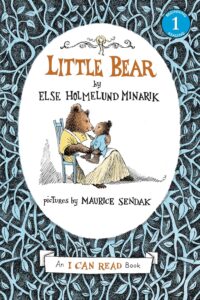 RVC: Which picture book character would be the best mascot for your RV?
HC: Little Bear.
RVC: If you could swap lives with any picture book character for a day, who would you choose?
HC: Christopher Robin.
RVC: What’s a recent picture book gem that didn’t yet get the attention it deserves?
HC: Too many to count!
RVC: Who sets the standard for picture book rhymes?
HC: Experienced editors who know meter and rhyme, and also know what a great read aloud sounds like. If you meant picture book authors, I would say Dr. Seuss.
RVC: Heather Cashman is an agent who…
HC: …wants all the books!
RVC: Thanks so much, Heather!
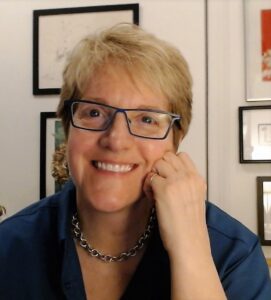 Meet Emma D. Dryden, founder and principal of drydenbks, a premier provider of editorial and coaching services for the children’s publishing industry. Prior to her role as guiding light at drydenbks, Emma was a children’s book editor–first at Random House Children’s Books, and next at McElderry Books, an imprint of Macmillan Children’s Books, where she worked with the legendary Margaret K. McElderry. After Ms. McElderry’s retirement, Emma was made Vice President, Editorial Director of the imprint; in 2005 she became Vice President, Publisher of Atheneum Books for Young Readers and Margaret K. McElderry Books, imprints of Simon
 Welcome to Rachel Orr, a longtime literary agent with Prospect Agency. Instead of going with the standard biography here, I’m going to include a few key things she’s said—or others have said about her—that are especially telling.
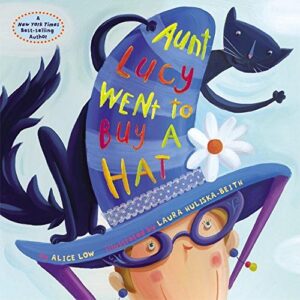
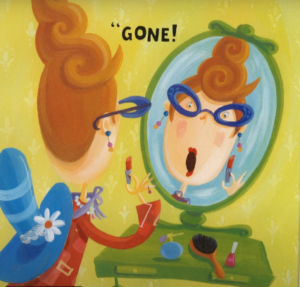 didn’t want it just magically flying behind her on every spread. So Laura came up with the idea to show Aunt Lucy looking in the mirror at the beginning of the book, and she thinks her hat is gone, but it’s really tied around her neck with ribbon and hanging behind her (which the reader can clearly see). It was such a fun solution, and taught me the importance of trusting an illustrator, too.
 Welcome to David Miles, the co-founder and Publisher of Bushel
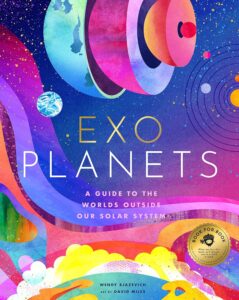
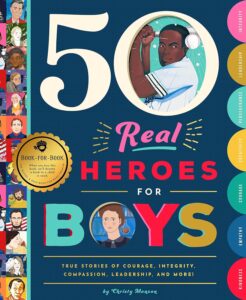
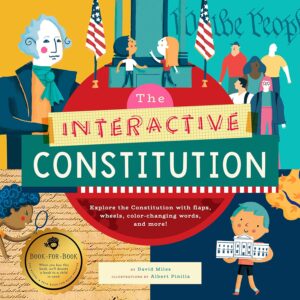
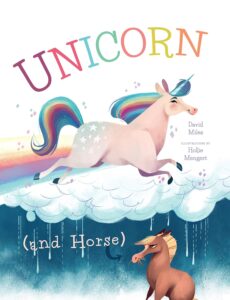
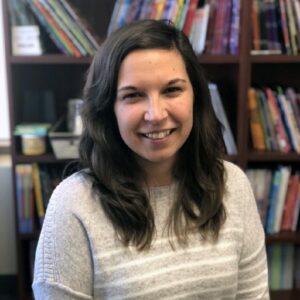 This month’s Industry Insider interview is with Deidra Purvis, an Acquisitions Editor for Free Spirit Publishing, an imprint of Teacher Created Materials. Free Spirit is the “leading publisher of social and emotional learning books for kids, teens, and educators.” The press also notes that it’s “unabashedly pro-kid.” Love that, right?
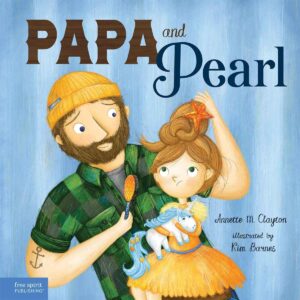
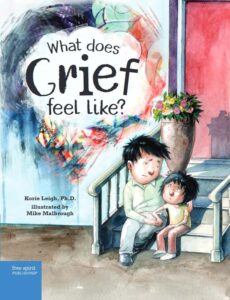
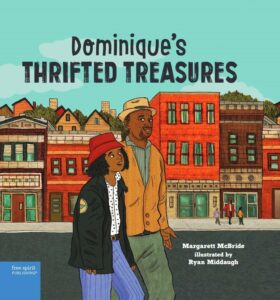
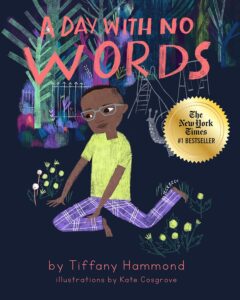
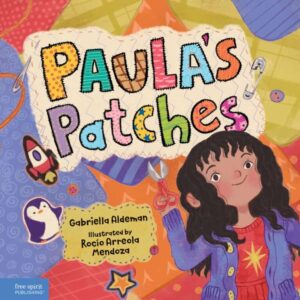 engaging, lyrically written, and include elements of fun and humor–and they cover a broad range of issues important to kids—from celebration of identity and family to tough topics like anxiety and grief. A good example of a Free Spirit book is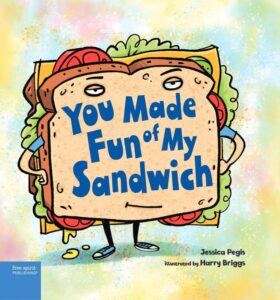
 I do not agree with you “that there are some elements good stories need, like conflict and tension, that keeps the story moving and the reader reading.” I see this all the time in craft books and I disagree. Many cultures do not tell stories this way. Yet, they tell amazingly good stories. We cannot dismiss stories because it doesn’t follow the standards of whiteness. We have to respect cultures and embrace those cultures and their style of storytelling. This is why we are at the point in publishing where there’s a need and cry for “diverse books and stories.” Authentic storytelling is not one way, it isn’t a cookie-cutter narrative. Authentic storytelling is how that culture tells stories and what stories they deem necessary to be told. And I would hope that others would want to experience how different cultures document their stories.
 The takeaway message to self-published authors is to spend a lot of time and thought putting your book together. The Churchmans [a couple who self-published] looked at formats and chose the largest trim size that could fit comfortably on standard shelves. They printed the book on 100lb paper—heavier stock than most traditional publishers can use—and also used extra heavy board for the hardcover case. They hired an editor to help them shape the text. And they mounted a Kickstarter campaign to fund their upfront costs. They took a lot of care.
 I’m most likely to pass on rhyming picture books or picture books that cover ground that’s well-trod (alphabet books, goodnight books). That’s both personal taste and a business decision. For example, it’s extremely hard to pull off rhyme. And in a market flooded with “goodnight” books, it can be hard to make another one stand out in the crowd. Also, just as a matter of personal taste, I don’t like treacly-sweet “I love you” books.
 First, when I started in children’s publishing, we were just beginning to see books like Harry Potter,
  People in children’s book publishing are often drawn to this industry, at least in part, because it offers a chance to do something meaningful and positive in the world. I think it’s safe to say that with the start of the Trump administration, many acquiring editors feel uniquely positioned to help counter some of the policies or currents of opinion—about immigrants, about diversity, about

 I can tell from the first page if I want to read on. I tag as I look through things: yes, no, further investigation needed. I am looking for specific stories now and specific writing qualities. If it is something I might be interested in, I give it three chapters. I need to be compelled in three chapters or I pass. After that, if I am still interested, I request. Once a full manuscript comes in, I read it with an eye for how much work it will need, and if I have a vision or feel compelled. I have perfectly lovely manuscripts that I pass on because I just didn’t find that passion. And passion drives the ship. When you are neck deep in 13 passes from editors, you want to feel that spark of joy that makes you say, “Screw this, I know I am right.”
 I think as writers we often forget how many plates agents have to spin and that most agents still need a day job to survive financially. Being on the other side of things helped me understand timing and what goes into deciding what projects to represent. While there are so many wonderful stories out there that I may fall in love with, there’s also an element of how I can make this book great and if I can sell it. Oftentimes, as writers we idolize the idea of getting an agent and forget that it is a business partnership as well. The reason why it takes so long for agents to get back to writers right away is because clients come first and it takes time to read, to make sure the project will be the right partnership. That being said, I wish I knew how much went into agenting before I started querying because now a rejection isn’t something I worry about and I understand if it takes long, it actually might be a good thing. It’s all about patience, right timing and working on your craft in the meantime.
 A big part of this process for me is trying to make sure that the surface story and takeaway are strong enough to catch an editor’s attention and enable them to see the bigger picture. I’m not an editor in the way that your editor, Frances Gilbert, is and she will definitely make