Industry Insights: Lessons from my Writer’s Digest Conference Picture Book Presentation

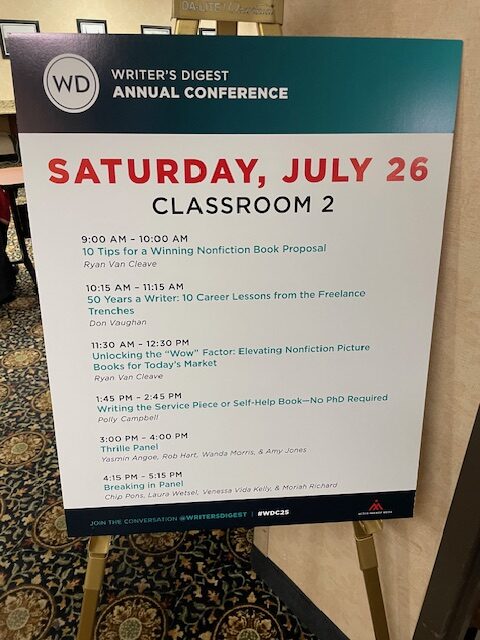
This past weekend, I presented at the 2025 Writer’s Digest Conference in Baltimore, and wow—the energy was electric. Thanks to Amy, Moriah, Taylor, Robert, and all the great folks at Writer’s Digest for putting this together!

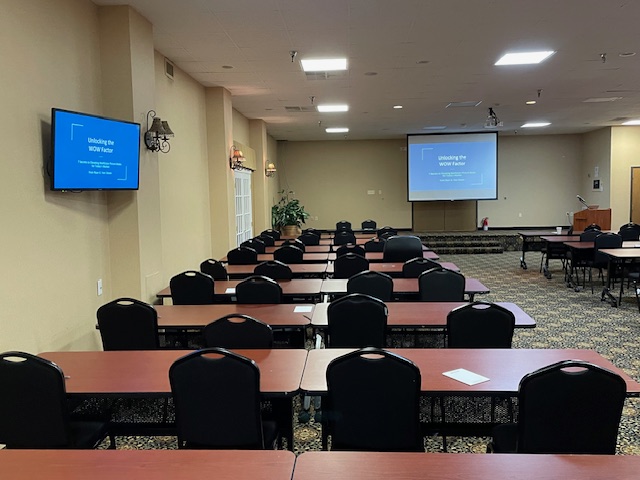
This year’s event was packed with writers hungry to level up their craft. One of my sessions focused on a topic I’m deeply passionate about:

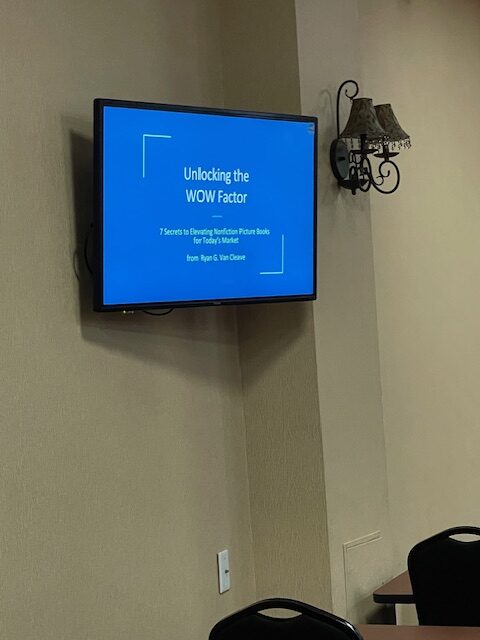
Unlocking the WOW Factor: Elevating Nonfiction Picture Books for Today’s Market.”

I wasn’t there to talk about writing “pretty good” books. I challenged attendees to aim higher—to create exceptional nonfiction picture books that stand out in a crowded market, grab editors by the collar, and genuinely move young readers. Yeah, I was asking for a lot.

So we dug into structure, format, voice, market positioning, and how to balance truth with emotion. I also shared tools and strategies I use with coaching clients to uncover the deeper purpose behind a manuscript—and how to get that purpose on the page without preaching or being pushy (wow that’s a lot of Ps in one breath there–good thing I didn’t try to slip in “keeping things palatable”!).

Since I purposefully didn’t schedule an interview for this week’s post,  I’m sharing a few great questions I got after the session—and how I answered them.


Post-​Talk Q&A: Nonfiction Picture Book Edition

Q: How can I make a STEM topic feel fresh if it’s already well-​covered?
The freshness isn’t in the topic—it’s in the angle. What emotional truth, surprising fact, or kid-​accessible entry point are you bringing that others haven’t?

Example: Honeybee: The Busy Life of Apis mellifera by Candace Fleming (illustrated by Eric Rohmann) doesn’t teach bee science in general. Instead, it tells the story of one specific bee’s life, from birth to death, and that intimacy is what makes it unforgettable. (Its great art helps, too!)

Honeybee: The Busy Life of Apis Mellifera

Warning: A lot of STEM drafts fail because they explain instead of engage. If your manuscript could be rephrased as a Wikipedia page, you’ve missed the “wow.” Facts are the floor of a nonfiction picture book–not the ceiling. Go further.


Q: My manuscript has a lot of information—how do I know what to keep?
To overcome this challenge, I ask my clients one question: What’s the “so what”? If a fact doesn’t serve the emotional or conceptual spine of the story, it probably belongs in the back matter—or the recycling bin. Less is almost always more.

Example: In The Secret Garden of George Washington Carver by Gene Barretta (illustrated by Frank Morrison), the text doesn’t try to summarize his whole life. It focuses on one powerful thread—how his love of nature, nurtured in childhood, shaped everything that came later.

Common trap: Trying to cram in every achievement. You’re writing a story, not a résumé. Focus beats breadth. Read Gene’s book and you’ll witness that in action.


Q: I love my subject. Is it okay if my book is more about sharing that passion than teaching a lesson?
Yes! But the key is making your passion contagious. Passion alone doesn’t sell a manuscript—clarity does. Readers need to know what they’re walking away with. Editors do too.

Example: Just Like Beverly by Vicki Conrad (illustrated by David Hohn) is filled with admiration, but it’s also anchored in story. It shows how Cleary’s struggles as a reader led to her voice as a writer, and it makes that emotional throughline clear for kids.

Myth to bust: Passion ≠ purpose. A glowing tone won’t save a muddy manuscript. Shape your admiration into narrative.


Q: Do editors really care about structure that much?
Absolutely. A well-​structured manuscript shows you understand the picture book form. That doesn’t mean your book has to follow a traditional arc, but it does need a logic, rhythm, and design that supports the story. Strong structure signals strong craft.

Example: The Great Stink by Colleen Paeff (illustrated by Nancy Carpenter) uses the buildup of pollution and pressure in Victorian London as a ticking clock. The structure mirrors the stakes, which makes the whole book more effective (and more fun to read).

Pitfall: Relying on chronology alone. A straight timeline is the easiest structure—and usually the least compelling. Ask what shape your story really wants to be.


I’ll be unpacking more of these ideas and creative challenges in future blog posts, conference workshops, and coaching sessions. If you’re ready to level up your nonfiction picture book game—or finally crack the code on a manuscript that just won’t sell—reach out. This is some the work I love most. Or join me for one of our ACQUIRED! workshops, where we help writers build up a marketable idea from scratch and get them on the path to success with a traditional publisher.

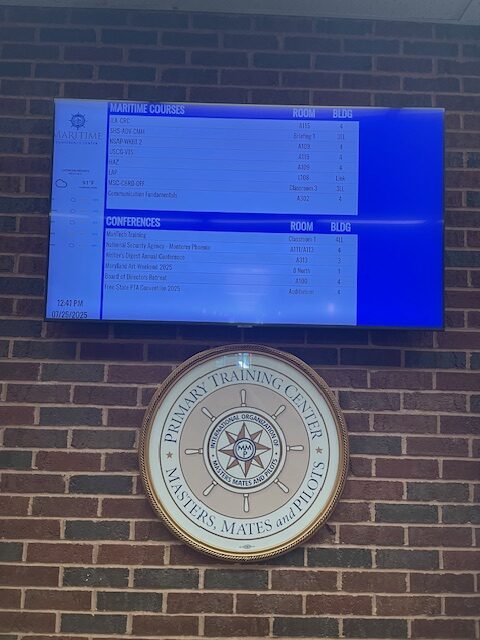
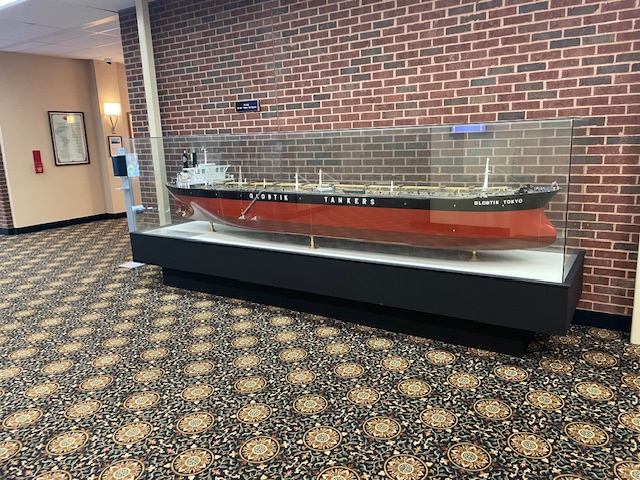
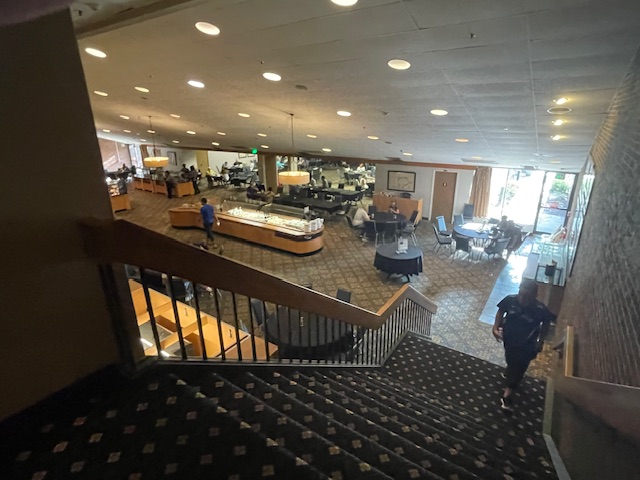
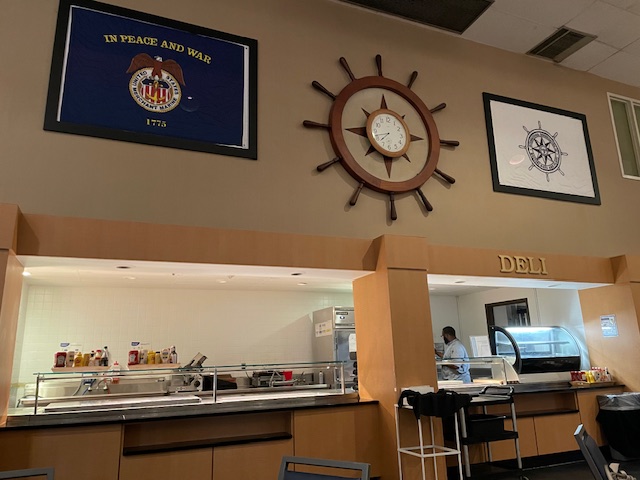
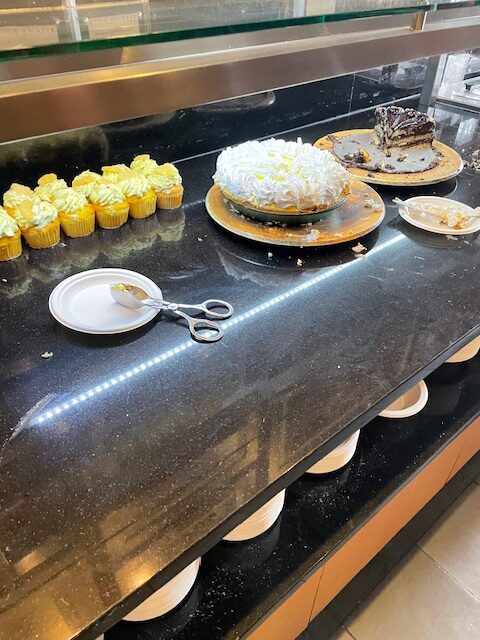
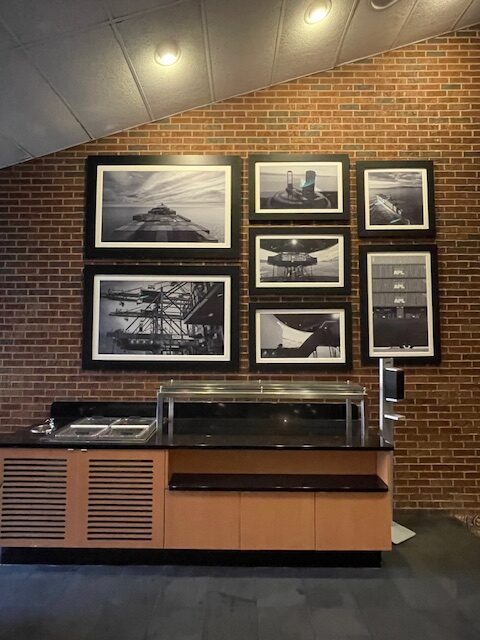
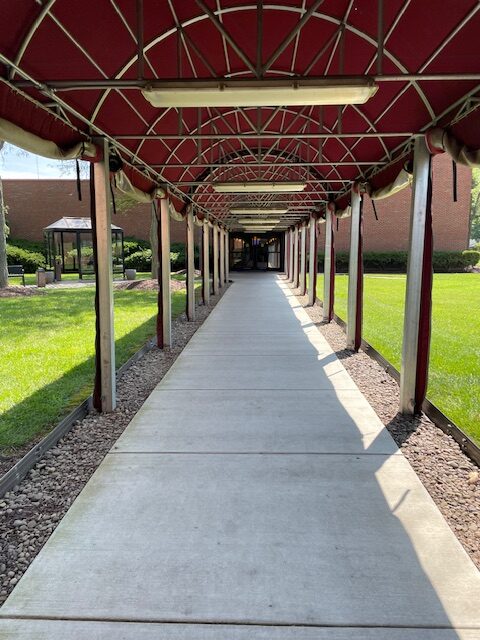
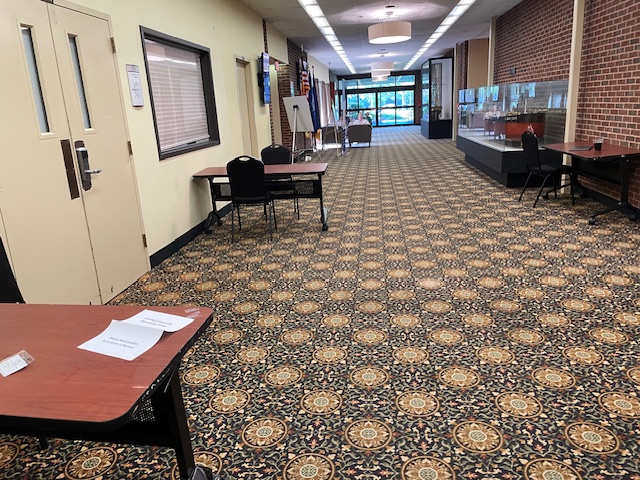
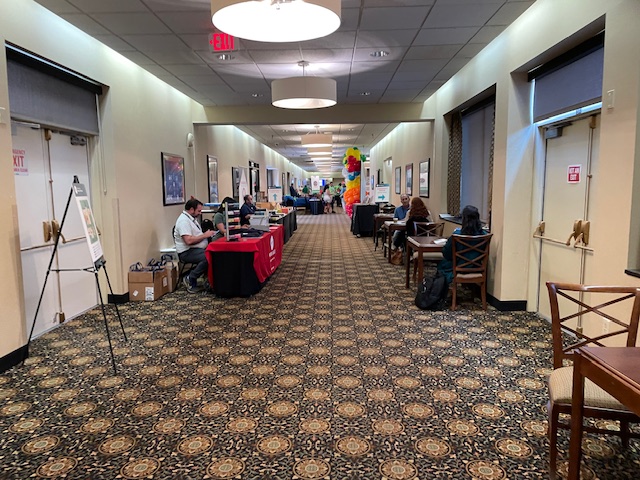
The weekend was packed, the conversations were rich, and the setting? Let’s just say the Maritime Conference Center was a refreshing change of pace—quirky, bright, and oddly perfect for a gathering of creatives. Scroll down for a few snapshots from the event and the vibes that made this conference one to remember.


Industry Insights: Books, Booths, and Beautiful Moments at ALA 2025

I had other plans for today’s post, but after spending the weekend in Philadelphia at the 2025 ALA Annual Conference—surrounded by thousands of books, dozens of creators, and more creative joy than anyone can believe—I knew I had to share.

Here’s a visual love letter to the books, booths, and beautiful moments that caught my eye. I’ll even stick in a caption now and then, too. Enjoy!


Kwame’s new book looks great!


Like the comically oversized cover of Mifflin Lowe’s new Bushel & Peck book, Art: An Interactive Guide?


Have you seen a copy of Earhart: The Incredible Flight of a Field Mouse Around the World?


This bird gave me a copy of Will the Pigeon Graduate? Thanks, Pigeon (& Mo Willems)!


Laura Piper Lee signing Hannah Tate, Beyond Repair.


Matt Forrest Esenwine signing his terrific new poetry anthology, A Universe of Rainbows!


Eric Lied signing Dragon Forged: Sword of the Champion.


Me signing Decide & Survive: Agent 355 at the Junior Library Guild booth.


Signing copies of Transformers: Worst Bot Ever: Meet Ballpoint!


Greg Pizzoli signing Earl & Worm #2: The Big Mess and Other Stories.


Signing One Day at the Bottom of the Deep Blue Sea.


Joyce Uglow signing Stuck!: The Story of La Brea Tar Pits.


Taylor Robin signing Hunger’s Bite.


Daniel Minter signing And She Was Loved: Toni Morrison’s Life in Stories.


Signing Legendarios: Wrath of the Rain God.


Jamiel Law with Jimmy’s Rhythm & Blues.


Kon Tan signing We’re All Gonna Die-​nosaur!


Scott Campbell signing Cabin Head and Tree Head.


Signing Hollow.


Anna North signing Bog Queen.


Philip C. Stead and Erin E. Stead signing A Snow Day for Amos McGee.


Lots of intriguing 5e/​RPG titles from Hit Point Press.


So much tasty food at Reading Market…


Industry Insights: Decoding Editorial Feedback (with Real Picture Book Examples)

Hello, OPB friends!

This month, we’re doing something a little different for our Industry Insider post. Instead of featuring an interview, I wanted to dig into a question that comes up often during critique sessions, revision conversations, and email threads with clients, friends, and fellow kidlit writers:

What do editors really mean when they say things like “This feels quiet” or “I didn’t quite connect with the voice”?

As Editorial Director at Bushel & Peck Books—and a kidlit writer myself for the past ten years—I’ve heard these phrases from both sides of the table. I’ve also talked about them at length with my own agent, with critique partners, and with other editors across the industry. So, today’s post is a kind of translation guide: a short, honest look at some of the most common editorial phrases and what they often (but not always!) mean under the hood.


This feels quiet.”

This doesn’t mean “bad.” It usually means the concept doesn’t feel immediately marketable. Maybe the theme is lovely but soft, or the stakes feel internal rather than plot-​driven. Sometimes it means the story is tender or subtle, but doesn’t stand out in a crowded submission pile.

What might help:
Sharpen the hook. Raise the stakes. Consider whether the emotional arc or character journey could be more compelling or surprising.

Example: The Rabbit Listened by Cori Doerrfeld
This is a quiet book, yes, but it works because the emotional core is crystal-​clear and universally resonant. Note how the hook—how kids process big feelings—feels urgent and relatable, even though the plot is minimal.


It’s well-​written, but I didn’t fall in love.”

This is often code for “I admire this, but I don’t have a vision for how to sell it.” Editors have to advocate hard for every book they acquire, and that requires real enthusiasm. No one wants to take on a project they feel lukewarm about, even if the writing is strong.

What might help:
Nothing, necessarily. This one isn’t about a fixable flaw, but rather more about fit. Keep querying. The right person might fall hard.

Example: Julian Is a Mermaid by Jessica Love
This debut book is lyrical, quiet, and elegant—easily one an editor could have passed on for being “lovely, but maybe too subtle.” But its emotional depth and visual storytelling made the right editor fall in love, and champion it all the way to success.


There’s not quite enough here for a picture book.”

This might mean there’s not a full arc, or that the story leans more toward vignette or concept than narrative. It can also mean the emotional or plot payoff isn’t big enough to justify 32, 40, or 48 pages.

What might help:
Dig deeper into the character’s journey. Add tension, reversals, or a turning point. Picture books (even/​especially quiet ones!) need structure to shape the reader’s experience.

Example: A Sick Day for Amos McGee by Philip C. Stead and Erin E. Stead
This story is gentle, but it has a clear beginning, middle, and end. Amos takes care of animals at the zoo. One day he’s sick—and they return the favor. The role reversal adds narrative weight to what could’ve been a flat concept.


I wasn’t quite connecting with the voice.”

This is a gentle way of saying that something in the tone, language, or narrative feel simply didn’t land. The voice might feel too adult, too generic, or inconsistent. Or maybe it didn’t match the story’s intended mood or audience.

What might help:
Read it aloud. Is the rhythm strong? Does it sound like a real person? Could the narrator be more specific, distinctive, or emotionally resonant?

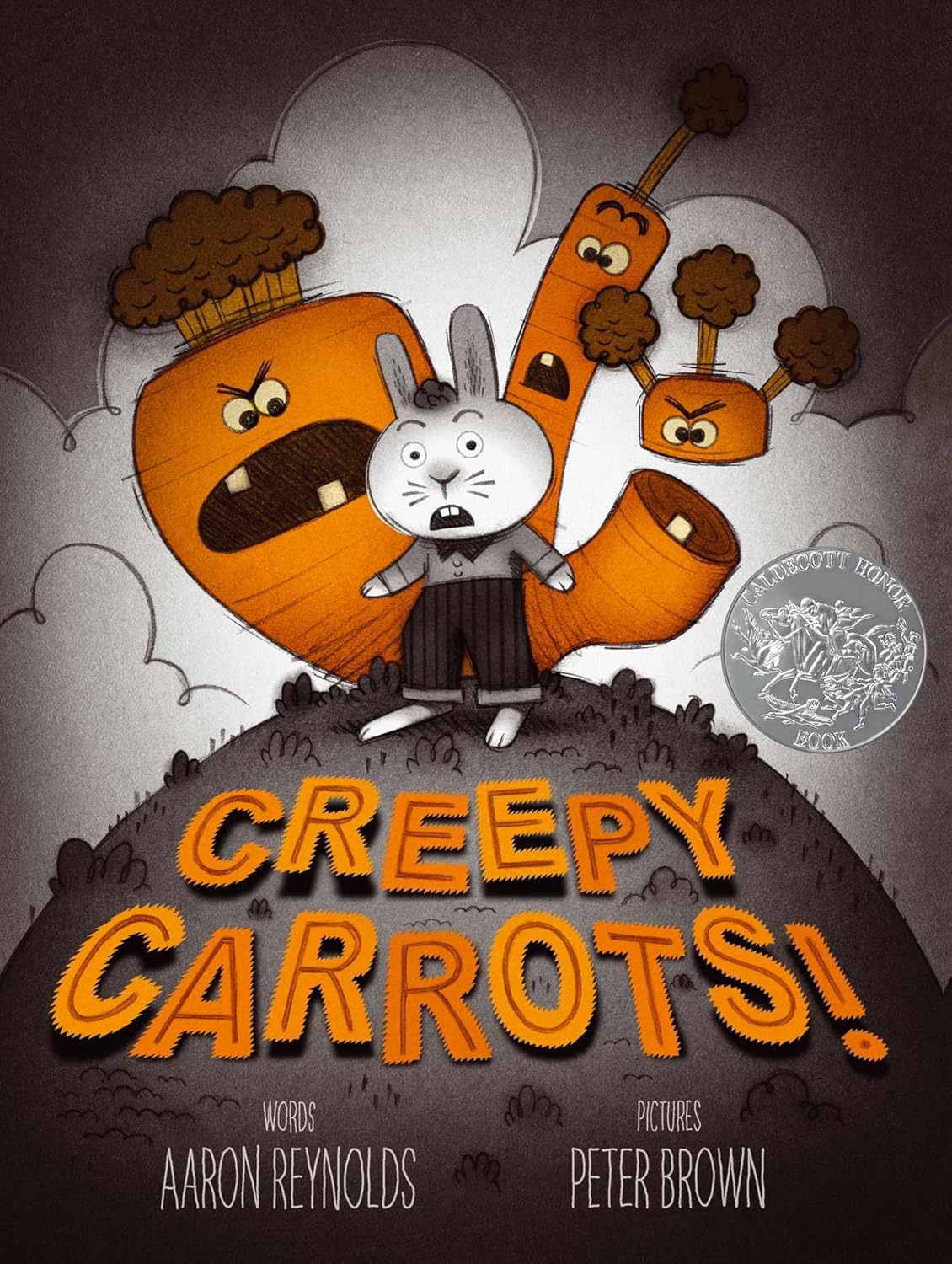
Example: Creepy Carrots! by Aaron Reynolds, illustrated by Peter Brown
The voice here is spot-​on: cinematic, dramatic, and a perfect match for the mock-​horror tone. The exaggerated seriousness is what sells the humor…and the book.


It’s too similar to something else on our list.”

This is rarely personal. More times than not, it’s strategic. Editors have to balance their list across themes, formats, tones, and audiences. If they just acquired a book about ballet-​loving dinosaurs, they’re probably not going to take another one. I run into this a lot at my press because we’re a small press with a small list. I can’t buy a second book about penguins if we’ve already got one in the pipeline, or just published one…even though I’d love to do an all-​penguin imprint!

What might help:
Check your comps. Make sure your book fills a different niche, or offers a fresh twist that feels essential, not adjacent.

Example: Don’t Let the Pigeon Drive the Bus! by Mo Willems
A story about a demanding character trying to get their way? Done a zillion times before. But the second-​person narration, meta structure, and pigeon personality made this feel wildly new, even though the premise is simple.


We’re being really selective right now.”

Always true. But also: sometimes it’s a way of softening a pass without going into detail. Budgets, list size, market trends, team bandwidth, and internal priorities all play a role.

What might help:
This is nothing you can control. It’s just not a reflection on you or your work. Keep going. The right project will hit the right desk at the right time.

Example: The Day the Crayons Quit by Drew Daywalt and Oliver Jeffers
A book like this may have felt risky at the wrong time: epistolary format, multiple voices, no central plot. But with the right champion at the right moment, it broke through—and became a bestseller.


Final Thoughts:
Rejections don’t always mean “no forever.” And editorial speak isn’t meant to be mysterious, though it can MOST DEFINITELY feel that way in the moment for a while. As writers, it helps to hear what’s often behind the phrases. As editors, it helps to be honest about what we mean. The more we can bridge that gap, the stronger the books (and the industry) become.

Got a phrase you’d like help decoding? Leave a comment or reach out! I’m happy to demystify where I can.

Agent Interview: Katie Bircher (Sara Crowe Literary)

Welcome to our conversation with Katie Bircher, Associate Agent at Sara Crowe Literary. Katie may be a new agent, but she’s spent years shaping the conversation around picture books. As an editor and reviewer for The Horn Book, she helped define what makes a standout story. She’s also worked as a bookseller, freelance editor, and manuscript evaluator, bringing a wealth of experience to her role as an agent.

Now, as she builds her client list, Katie is shifting from evaluating picture books to championing them—using her deep storytelling instincts to help authors and illustrators create books that resonate. In this interview, we explore her journey from critic to advocate, what makes a picture book stand out in today’s crowded market, and the unique perspective she brings as an agent who has spent years deep in the world of kidlit.

Learn more about Katie here:
Sara Crowe Literary Website
Archive at The Horn Book


RVC: When you were a kid, what role did books play in your life? Were you a library kid, a bookstore kid, or something else entirely?

KB: I was a “books all the time” kid and would come back from either the library or the used bookstore with a huge stack. I would get in trouble for sneakily reading during class, at the table, or after lights out. I say “get in trouble,” but at one point my parents were hoping to open a children’s bookstore, so I don’t think they were all that mad about it. And clearly I come by my love of kids’ books honestly!

RVC: Good for you! Now, you studied Children’s Literature at Simmons University. What drew you to that, and how did it shape the way you think about picture books?

KB: I was originally a marine biology major in undergrad, and lasted about a year before my terrible math skills convinced me to switch to English lit. I remember telling my high school English teacher that I changed majors and she just laughed; it was so obviously where I should have been to begin with. Then I found myself reading middle-​grade and YA—especially YA fantasy—when I should have been doing my coursework. Eventually I realized I could actually work in children’s and YA books! I got excited, took a few additional classes in children’s books and child development before I graduated, and applied to Simmons.

The late Susan Bloom’s Simmons course on picture books was hugely influential. In one assignment, we read Molly Bang’s invaluable Picture This: How Picture Books Work and created our own limited-​palette picture books based on the principles in it. (Spoiler: It’s really hard!) In another, we analyzed, in-​depth, one spread each from one hundred picture books. Her course showed me both how magical the particular picture book alchemy of words and images can be and how deceptively difficult it is to achieve!

RVC: Sounds terrific!

KB: I also worked at the (deservedly) famous children’s bookstore Curious George in Cambridge’s Harvard Square for about five years, beginning when I started the Simmons MA program. Being surrounded by children’s books and people who LOVE them all day is, in itself, a fantastic education. Several of my co-​workers from that time have gone on to have careers as picture book creators.

RVC: Bookstores are great proving ground for kidlit creatives–no doubt about it. When reviewing picture books at The Horn Book, what was your process?

KB: Read the book many times, including out loud; look carefully at the illustrations; check for any information on the medium; consider whether the endpapers, case, gutters, etc. are used thoughtfully; take copious handwritten notes; type up and organize notes; try to make notes into a coherent review of about 150 words. Then it went on to fact-​checking and at least one round of revision. Sometimes revising involved talking through what I was trying to say with the other editors. Occasionally I would nominate an extra-​special book to receive a star, and then it would be read and discussed by the whole group.

RVC: Wow, thanks for explaining the process. Did you ever get to be part of the bigger award committees?

KB: I chaired the Boston Globe–Horn Book Award committee in 2018. Much of that process was similar, but on steroids—and with picture books only one of three categories! I commend and appreciate anyone who serves on book award committees, especially the ones with a ton of members or multi-​year commitments.

RVC: Were there ever books you personally loved but knew wouldn’t work for The Horn Book’s review standards? What makes a book a better fit for some venues than others?

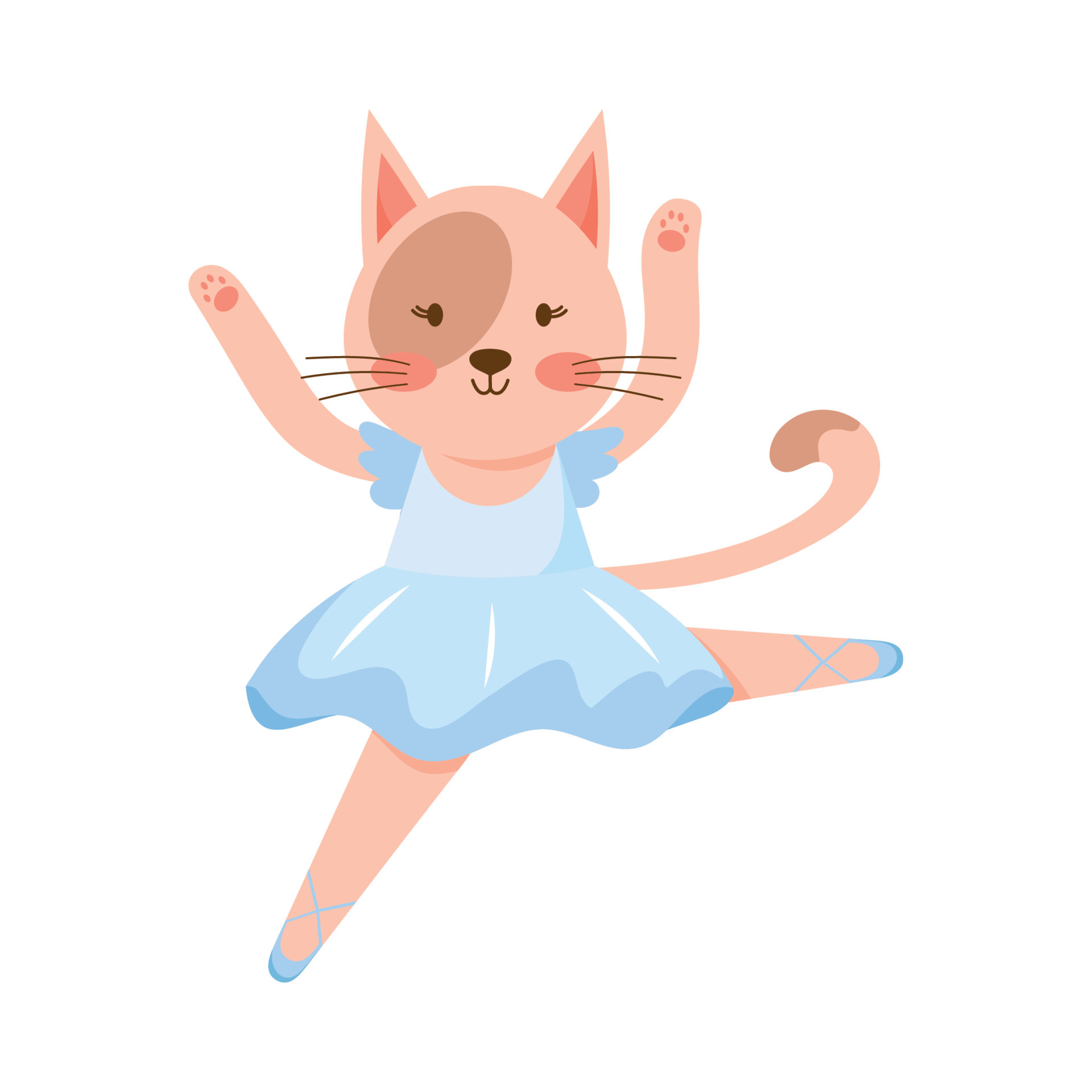
KB: Yes—it taught me to dig into and articulate why I love a particular book. Is it really exceptionally crafted, or is it just that the book hits a sweet spot where some combination of my favorite topics, tropes, formats, authors, etc., intersect? A funny and sweet picture book about, say, a huggably cute cat character with ADHD getting distracted in ballet class (I just made that up) would be super appealing to me personally—but it also has to work in all these other storytelling and structural aspects. There’s also an element of whether a book is needed. I might note but give more grace about a structural flaw if a book reaches an underserved audience or authentically showcases an infrequently represented experience, because ultimately the goal is to get kids good books they need.

For most of the time I was at The Horn Book I worked on two different print publications: the Magazine, which reviews very selectively, and the dearly departed Guide, which had a much broader scope, so part of the process was determining whether a book made the cut to be featured in the mag. The 100-​year-​old Magazine is so distinct in character from SLJ, the Bulletin, Kirkus, or even the Guide, which have their own strong voices. You have to keep in mind the unique mission and audience of the publication.

RVC: What makes for a REALLY great picture book review?

KB: I love when the review complements the tone of the book itself—a funny review for a funny book, for example.

RVC: What’s one misconception people have about professional book reviews?

KB: People often find out you work in any kind of book-​related field and say, “Oh, it must be so great to read all day.” While I was at The Horn Book, there was definitely not time during the workday to read and write reviews! In addition to everything that goes into publishing a trade magazine and running a website, there’s also a lot of admin and editorial work in selecting and organizing the books, assigning them to reviewers, fact-​checking and editing reviews, tracking their status…

I think that’s true of the book world generally. In every job I’ve had in books—whether bookselling, working at The Horn Book, editing, or agenting—there’s just too much else to do to get much reading done during office hours. For me a lot of it is done either on the couch with a cat next to me or in the bathtub.

RVC: You’ve worked as a freelance editor for Pippin Properties and Penguin Random House. What was the most rewarding part of that work?

KB: Getting to work on a wide range of manuscripts all over the place in terms of their stages of publication, from proposal to proofreading.

RVC: Picture book texts are deceptively simple. What’s the most common issue you encountered when editing them?

KB: They have too many words—and/or they do too much “telling” without leaving enough room for the illustrator. Many of my suggestions are to move parts of the text into art notes or take them out entirely.

RVC: In your experience, what’s the hardest thing for picture book authors to get right?

KB: I’ve seen a lot of “picture book” manuscripts that I enjoyed, but didn’t think were really picture books. Just because a story is short, intended for a certain age audience, or illustrated doesn’t necessarily make it a picture book.

RVC: Totally been there. At Bushel & Peck, I sometimes have to alert an author that they’re wrong about what they think the manuscript is. Some don’t believe me when I say it.

KB: I feel the unique magic of picture books is that interplay where neither the text nor the art tells the complete story. I love when you can discover something new on each read. It’s like dance (my other big passion besides books): the music and the movement are each compelling individually, but they come together to make this incredible third thing that’s more than the sum of its parts.

RVC: You’ve worked on manuscripts from submission all the way to publication. What’s something about the picture book process that surprises most first-​time authors?

KB: How long everything takes, especially with picture books! Picture book deals we’re negotiating now are mostly for fall 2027 lists and onward.

RVC: Yep. We’re buying for 2028 now. I wish it weren’t the case! Now, what made you decide that agenting was the right next step in your career?

KB: Sara starting her own agency in 2023 and asking me to join her! At that point I’d been evaluating submissions and offering editorial suggestions on clients’ projects for about six years as part of my freelance work but had never considered agenting. I didn’t start taking on clients right away, but being invited to be the other half of Sara Crowe Literary is what made me feel like I could make that leap. It was both validating and somewhat daunting! But SCL is a great fit for me with my editorial background because Sara is such a hands-​on agent in terms of developing manuscripts and nurturing new authors as they grow in their craft.

About — Sara Crowe Literary

RVC: Now that you’ve stepped into agenting, what’s been the most exciting part so far? Anything that’s surprised you?

KB: It’s so exciting to connect with authors and artists at the beginning of what I believe will be a great career making lots of beautiful books. It’s been surprising how many hats an agent has to wear.

RVC: What’s the story behind your first picture book sale as an agent? How did that deal come together?

KB: I heard my now-​client Christal Presley read a manuscript at a Writing Barn event, requested to see it and any other projects, and then offered representation…and meanwhile, through the same program, editor Carter Hasegawa began mentoring Christal and fell in love with her brilliant PB bio about the first women to train in camouflage techniques. We submitted it formally and he offered, so Christal and her book were signed at basically the same time!

Hidden Women: How Louise Larned and Rose Stokes Became America’s First Women Camouflage Artists, illustrated by Ashley Yazdani, will be published by Candlewick in fall 2027.

RVC: Congrats! How did it feel when you got the offer? Did it match what you expected from your first deal, or were there surprises?

KB: It was very low-​key, and it took a long time for everything to be finalized after the initial flurry of activity. The “champagne pop” moment—even the moment that it felt like it was really happening—didn’t come until the announcement ran in Publishers Weekly.

RVC: Looking back, what’s something you learned from that first sale that will stick with you in your career?

KB: This is probably cliché, but: to stop and savor the moment. Fingers crossed, I will be helping many clients announce deals in Publishers Weekly, and agenting can feel hectic, with a lot of moving parts. I suspect it’s easy to get swept up in the next thing on the endless to-​do list, but I never want to lose the joy and awe of getting to help bring wonderful books for young readers into the world. It is often such a difficult industry, but it can be so fulfilling too.

RVC: You’ve worked alongside Sara Crowe for years. What have you learned from her about the business side of publishing?

KB: So much of what I’ve learned about agenting has come from shadowing Sara! I admire and aspire to show the kind of support, resiliency, and adaptability she offers clients through the inevitable rejections and challenges.

RVC: What’s a personal “wishlist” item that you’re dying to see in submissions?

KB: I love nonfiction picture books on fascinating topics that manage to be both informationally accurate and lyrical. It’s a tricky balance to strike. I’d like to see one about Salt, matriarch of the humpback whale population in the Gulf of Maine, who has been studied since the 1970s. I don’t know how salable it might be, but recently I’ve also been thinking I’d love to see a biography of the extraordinary medieval abbess, composer, artist, visionary, and saint Hildegard of Bingen! She’s so cool.

And if anybody does have a funny and sweet picture book project about an adorable ADHD cat daydreaming in ballet class…well, you know where to find me.
cat ballet dancer 16762596 Vector Art at Vecteezy

RVC: One last question for this part of the interview—what are you most excited about as you continue to build your list?

KB: I can’t wait to share these great books with my nephews and nieces!

RVC: Alrighty, Katie—it’s time for THE SPEED ROUND! Short questions, snappy answers. Ready?

KB: Let’s do it!

RVC: Your go-​to coffee shop order?

KB: Vanilla almond milk latte.

RVC: Favorite literary cat (other than your own, of course)?

KB: Mogget from Garth Nix’s The Old Kingdom series.

RVC: What’s a picture book you think deserves its own theme park ride?
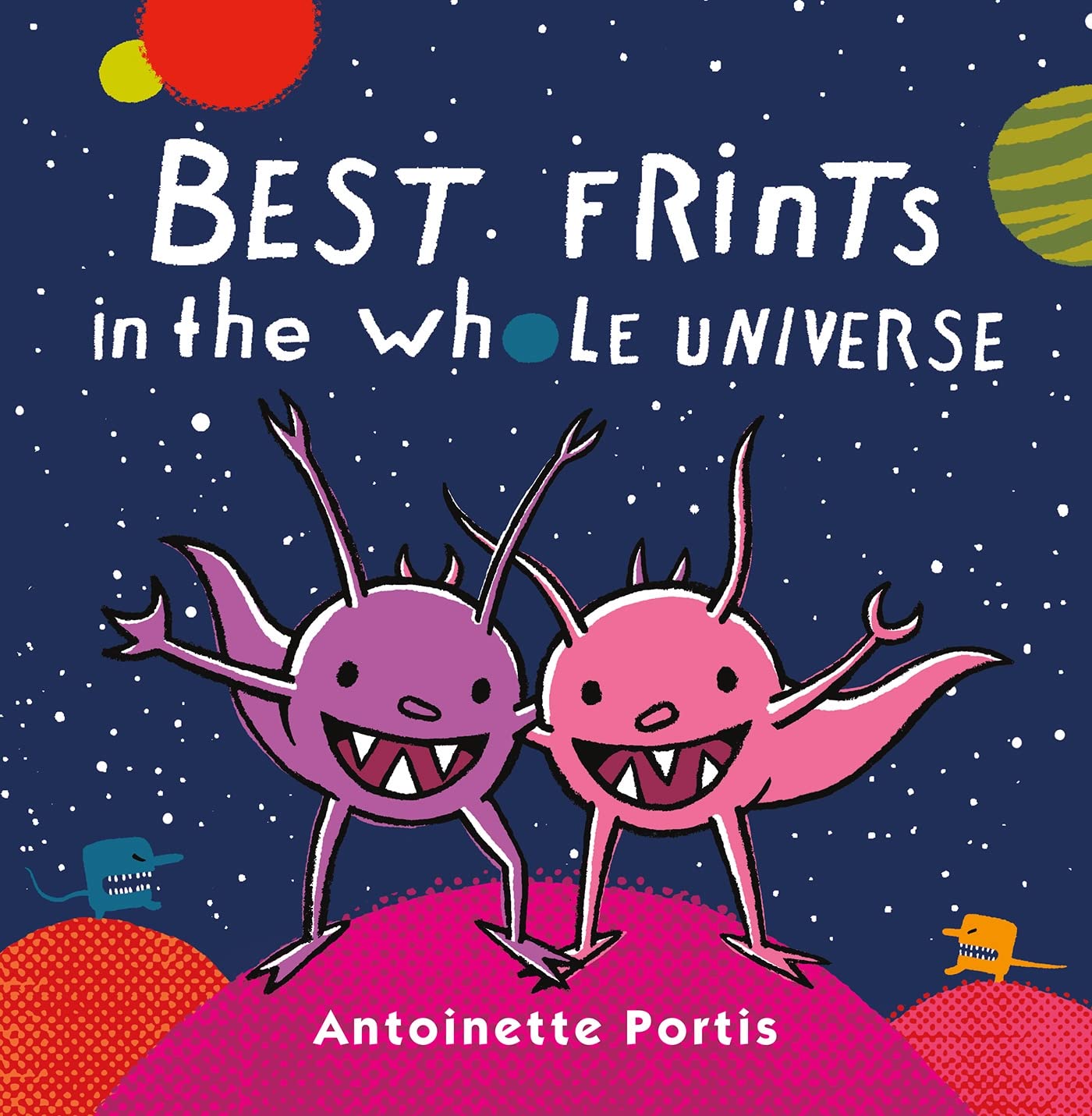
KB: Strollercoaster seems too easy, so…the Best Frints series by Antoinette Portis.

RVC: If you could instantly master one new skill (bookish or not), what would it be?

KB: Cello. Or painting. Or flamenco dance. Or…

RVC: Best bookish gift you’ve ever received?

KB: A print from Sophie Blackall’s wonderfully weird adult book Missed Connections.

RVC: If you could give your past self a single piece of career advice, what would it be?

KB: Get comfortable with networking and developing collaborative relationships. It takes a village to make any book, and you have to put in the effort to nurture and support your village.

RVC: Thanks so much, Katie!

KB: Thanks for having me!
Agent Interview: Janine Le (Janine Le Literary Agency)

Welcome to Janine Le, the founder of Janine Le Literary Agency, “a full-​service agency representing authors and illustrators of award-​winning and critically acclaimed books for children and young adults.” With over a decade of experience in children’s publishing—including her time as an agent at Sheldon Fogelman Agency—Janine brings a blend of editorial insight, business expertise, and deep passion for storytelling.

Her agency, launched in 2022, represents a diverse roster of award-​winning authors and illustrators. Janine is drawn to picture books that beg to be read aloud, feature playful or poetic language, and offer fresh perspectives on childhood experiences. She has an eye for stories that spark joy, celebrate multicultural worlds, and offer creative storytelling twists.

Let’s learn more about her right now!


RVC: When did you first realize you wanted to work in children’s publishing?

JL: In high school, I got an inkling of what an editor was and thought that could be a good fit. I was always a bookworm, and in elementary school I thought I might want to be an author or a librarian. I also considered accounting in high school and professorship in college, but ultimately I wanted to be where the children’s books are made. Thanks to my mom for all the books and library trips and for indulging all my read aloud requests! (And turns out kidlit does not preclude you from doing accounting!)

RVC: That’s a good point about the accounting/​kidlit combo platter! How did studying creative writing at Bucknell University shape your career path?

JL: I was incredibly lucky at the flexibility I had at Bucknell to select my own courses. I was able to take a good mix of writing courses in both poetry and prose and literature courses in a variety of periods and subjects, including children’s literature, as well as to pursue my honors thesis on the scholarly side.

There’s a wonderful literary community outside the classroom as well. I was an officer at a student literary & art magazine, attended many poetry readings, and interned with on-​campus professional literary magazine West Branch. I also became a peer writing consultant. All of this together helped build my foundation of writing and editing tools and confirm that I was more passionate about helping others with their writing and advocating for their success than being a writer myself.

RVC: I assume attending NYU’s Summer Publishing had a real impact as well?

JL: SPI was very helpful in giving a survey of how publishing actually works and building NYC connections. I don’t think I’d heard of agenting before then, but I loved the agent panel. It was at their career fair that I connected with Sterling Lord Literistic, where I would do my internship.

RVC: And that led you to working at Sheldon Fogelman Agency or more than a decade. Now why/​how did you make the decision to launch your own agency after that?

JL: Like any decision of that magnitude, there were a lot of factors (and even a pro and con chart), but the main motivator was flexibility to make my own schedule. The more seriously I thought about it, the more excited I was about focusing on my clients and building something new!

RVC: What’s the biggest difference between working at an established agency and running your own?

JL: SFA was very collaborative, so it was both challenging and freeing to go solo and trust my own instincts. Three years in, I’m so happy with my decision. I can handle most things on my own, and I have networks of agents when I need to phone a friend.

The first new client I signed at JLLA, Shifa Saltagi Safadi, won the 2024 National Book Award for Young People’s Literature for her debut novel Kareem Between, and I’m working on a contract for our ninth book together (including pictures books, chapter books, and MG verse)! I’m so glad I not only trusted myself but that all my clients trusted me to build from the ground up!

I also spent six weeks that first summer doing a camping/​national park roadtrip with my family from New York to California and back, which I don’t think I could have done otherwise. I try to continue using my flexibility for more quality time with family despite having the responsibility that I can’t be fully away from my desk since I don’t have any coverage.

RVC: Can you share the story of the first picture book you sold and what made it stand out?

JL: I connected with Heather Preusser through 12 x 12. Her writing stood out to me for how clever and punny it was. We sold her picture book manuscript A Symphony of Cowbells to Sleeping Bear through an editor request at a conference she attended. It’s a great read aloud with plenty of onomatopoeia and alliteration, beautifully illustrated by Eileen Ryan Ewen. And you can now find even more of Heather’s wit in her chapter book series Hedgehog Whodunit!

RVC: What was the biggest surprise (or lesson) that book provided?

JL: I’d been managing foreign rights, where we split advances 50/​50 between author and illustrator, so I was accidentally overly ambitious with my counter offer after researching what the publisher had paid one of the agency’s illustrators. As I quickly learned, domestic text advances are closer to a third of what an illustrator is advanced, but royalties are still split 50/​50.

RVC: By way of contrast, what was the story of your first picture book sold at your own agency?

JL: Shortly after I opened, Walker Books asked Leanne Hatch to illustrate Angelo & Angelina, The Christmas Angels by Anne Booth. It’s a beautiful story of Christmas, and neighborly love, and little miracles, so it felt like an auspicious start. It turned out gorgeous in Leanne’s hands, of course! That was my fifth book with Leanne, and I’m thrilled we’re now in the double digits in our partnership!

RVC: What’s the first thing that makes you think, “Yes, I need to represent this project”?

JL: It’s sort of like chemistry. I have to connect on an emotional level and want to drop everything I’m doing to work on your project.

The first line in Leanne’s debut Unraveled is “The bond was instant.” Although she’s referring to a baby and his blanket, I think it’s a good metaphor for that must-​have feeling!

RVC: How important is visual pacing in picture book storytelling, and can you share an example of a recent book that does this especially well?

JL: It’s so important, not only to help pull readers through the story but also to give it the rereadability that’s crucial to picture books. Leo and the Pink Marker by Mariyka Foster is a great example. I particularly love the action shots that show the protagonist multiple times in one image to portray movement! She also does a great job keeping the visual interest up with a variety of layouts. Full page art vs spots vs two page spreads, close ups vs wide angle shots. There are even some Easter eggs like a hidden mouse. This book was also recognized in SLJ’s Endies Endpaper Awards, which along with their Undies may be the most fun awards in kidlit!

RVC: How do you guide debut authors and illustrators through the publishing process, especially those selling their first book?

JL: I’m very hands on. We start with a phone or video call to get to know each other and discuss edits in broad strokes, followed by at least one round of written notes and revisions. I then consult with the client on the submission list and pitch, share feedback from editors, and revise and submit further if needed. I am happy to walk debut creators through offers and contracts as much as needed, and I stay copied in all publisher communications throughout the publication process so I can follow their progress and support as needed.

RVC: How do you balance working with debut creators vs. more established clients?

JL: I signed most of my clients with their debuts and we don’t take their place in the industry for granted even as they get more established. I continue to work with them on project development, though editing and submitting sometimes gets easier. On the other hand, we have more backlist to manage.

I love helping debut creators break out and wish I could always keep an open door, but I am closed to submissions most of the time in order to focus on my existing list.

RVC: Are there any trends or innovations in picture books that excite you right now?

JL: One of the things I loved about my background at SFA is that I got to work on classics that are still selling 20, 30+ years later. Although I like books to feel fresh, I don’t really chase trends, which publishers tend to fill up on quickly. I’m most excited about books that feel like they have those enduring qualities.

RVC: One last question for this part of the interview. What’s coming up for your agency that you’re most excited about?

JL: I am genuinely excited about every one of our books, but I want to mention our upcoming author-​illustrator picture book debuts, which include the sensory Nora At Night by April dela Noche Milne, the road tripping Rus & Moose by Chuchu Wang, and a curious capybara in Look Alike by Natali de Mello. Middle grade novelist Kerry O’Malley Cerra also makes her picture book debut with The Gallaudet Eleven: The Story of NASA’s Deaf Bioastronauts, illustrated by Kristina Gehrmann.

RVC: Okay, Janine. It’s time for the much-​anticipated, never-​equaled, always-​surprising LIGHTNING ROUND. Let’s prepare to zing and zap here. Are you ready?

JL: Ready!

RVC: Your go-​to snack while reading submissions?

JL: Reading happens at any hour, so I’m going to go with the one food I consider appropriate for any time: cereal.

RVC: Your biggest timewaster? 

JL: Probably social media, but it also serves its purposes for staying connected and informed.

RVC: Three things you can’t do your job without?

JL: My phone, tablet computer, and notebook.

RVC: What’s the last picture book that made you actually LOL?

JL: We are Definitely Human by X. Fang. I’m partial to dry humor.

RVC: A picture book every picture book maker should study?

JL: Miss Nelson is Missing! by Harry Allard and James Marshall. I loved it as a kid and it holds up really well, as do any of Marshall’s works. Bonus points for the fact that Marshall was a kind and funny person, as I learned from his agent, Sheldon Fogelman. I’m really pleased to be working with the James Marshall Trust again, now as trustee.

RVC: Janine Le is a literary agent who…

JL: is rooting for you. Whether I’m representing you or we meet in passing, I truly appreciate all the creators and professionals who work so hard to bring kids the books they need! I’m rooting for the kids as well!

RVC: Thanks so much, Janine!

Editor Interview: Maria Correa (Random House Children’s Books)

Maria Camila Correa is an editor at Random House Children’s Books, where she acquires and edits innovative and engaging picture books. With experience in multiple aspects of publishing—including editing Dr. Seuss books and international acquisitions—Maria brings a global perspective and an eye for storytelling that captivates young readers.

In addition to her editorial work, Maria is also an author and translator. She’s written several Little Golden Book biographies, including Selena, Bob Ross, and Rita Moreno, as well as Spanish Is My Superpower! As a translator, she’s worked on books like Mi hermano está lejos (My Brother is Away) and Mi Little Golden Book sobre Taylor Swift.

With her unique perspective as an editor, author, and translator, Maria is helping shape the future of children’s literature. Let’s dive into her journey and what excites her most in new projects.


RVC: When you were a child, what role did books play in your life? Did you have a favorite that shaped your love for storytelling?

MC: Books completely shaped the way I saw the world. I was (am?) an only child, and my parents were both big readers—my dad was a journalist, and he read stories to me very theatrically, acting them out and doing voices, so the stories came alive. He also frequently took me to puppet shows, which I loved—and still do (I just saw Song of the North, an Iranian epic told through shadow puppets, at the New Victory Theater in NYC).

I was born and spent the first seven years of my life in Colombia, and a lot of the books I was exposed to were Spanish translations of European books; my very favorite was Ophelia’s Shadow Theatre by Michael Ende, which is now sadly out of print. It was very dark for a picture book—about an old lady who, after being fired from her job in a theater, takes home the shadows left behind from all the plays. Without a job, she becomes homeless, and the shadows form a traveling theater and stage plays to help her earn a living. In the end, the old woman takes in the ultimate shadow—Death.

RVC: Wow, what a story!

MC: Obviously, this isn’t the kind of story we tend to publish here in the US, but it moved me deeply, and I think this kind of emotional depth is something I still look for when acquiring; the memory of this experience also informs my belief in kids’ ability to engage with complex themes, and in their aesthetic sensitivity.

RVC: Let’s talk more about what informs your work. Your academic background is in photojournalism and children’s literature. How do these two fields influence the way you think about picture books?

MC: Well, photojournalism sharpened my eye and gave me a language with which to talk about visual storytelling that is transferable to picture books. It also taught me to be observant, and to consider different ways of approaching the same subject. The master’s in children’s literature gave me context. It was a master’s in education, and there was also a focus on literacies—literacy acquisition in the traditional sense but also visual and digital literacies—so that’s another perspective from which I try to approach my books, especially early readers.

RVC: Your Master’s dissertation focused on postmodern picture books and Suzy Lee’s wordless Border trilogy. What about that type of storytelling fascinates you?

MC: I love storytelling that is open to interpretation. Wordless picture books invite readers to co-​create meaning, and they can be incredible tools for encouraging critical thinking. Without text to guide them, the reader has to determine for themselves what is happening, what the visual cues signify—and each reader will take something different from the story. In Shadow, Mirror, and Wave (aka The Border Trilogy), Korean artist Suzy Lee uses the gutter of the book as a delineation between opposing forces (in Shadow and Mirror, she plays with the real vs the imaginary). My dissertation explored these books from a psychoanalytic lens, which was a fun exercise (she says in hindsight), but at surface level these stories are very accessible for kids—in some ways more accessible than a traditional picture book, since they allow readers to engage with the story without text as a barrier.

RVC: Thanks for this quick dive into the interesting work of Suzy Lee! Now, you’ve worked in both the UK and US publishing industries. What are some key differences in how picture books are developed in each market?

MC: I’d say there are more similarities than there are differences, but two come to mind. One is the cadence to which we publish; in the UK, production timelines are often determined by book fairs, so that projects are ready to be shared at Bologna or Frankfurt, and in the US, that timeline is established based on the publication date of the book.

The other difference is that there is just more money in US publishing—and this is reflected in everything from industry salaries to author and illustrator advances, and, in my experience (though I worked for a then-​indie publisher in the UK that was particularly adept at this model), this is an incentive for British publishers to have their own staff write/​develop books in-house.

RVC: You acquire about 10 picture books per year at Random House. What’s the first thing that makes a manuscript stand out to you?

MC: I look for originality—is there anything new about the concept/​execution, or is this something I’ve read a thousand times before?

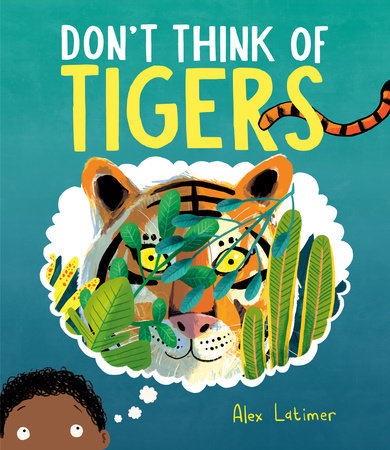
Don't Think of Tigers by Alex LatimerRVC: How do you balance acquiring books that feel fresh and original while still being accessible to young readers? I’m thinking about books like Floor It and Don’t Think of Tigers.

MC: Well, I try to remember the reader, and the experience of reading a picture book, which is usually a shared experience between an adult and a child. Originality is not at odds with accessibility—it can be, if you get really avant-​garde, but even though I personally love those very strange and experimental books, I want the books I publish to be enjoyable to kids first and foremost. I like picture books that are funny and playful and irreverent—that wink at the reader mischievously instead of trying to teach them something.

RVC: You’ve edited Dr. Seuss books, including How the Grinch Lost Christmas! What was it like working within such an iconic brand?

MC: Honestly, it was a full-​circle moment for me. I remember reading Green Eggs and Ham in ESOL class when I moved to the U.S., so having the chance to create new Seuss stories is very special—and I say “is” because I’m still working on a new line of books called Seuss Studios, where we find emerging author-​illustrators from diverse backgrounds and give them access to unpublished Dr. Seuss sketches, which they use as inspiration for their own stories. It’s a cool project that mixes brand legacy with the creators’ unique artistic vision and personal background, and it’s been very exciting to be a part of it.

RVC: That sounds fun! Let’s talk a bit more about emerging authors. What’s something about editing picture books that surprises most debut/​emerging authors?

MC: The timeline! Most picture books publish at least two years after being acquired, so it’s a long, drawn-​out process. When an editor signs up a book, they are committing to spending the next few years of their lives working on that project with that creator.

RVC: What’s the most common revision note you find yourself giving authors?

MC: Let the art say that.

RVC: What kinds of picture books are you hoping to acquire next? Any themes, formats, or storytelling styles you’d love to see?

MC: I’m really intrigued by the idea that the popularity of horror will trickle down into the picture book space, and I’m open to seeing darker, creeper stories that still feel age-​appropriate for kids. I’m also looking for stories by Latin American creators that aren’t necessarily about that cultural experience and that don’t feel like they pander to white readers.

RVC: In addition to editing, you’ve also written several Little Golden Book biographies. What drew you to writing nonfiction for young readers?

MCC: I enjoy the research, and they have a built-​in narrative arc, so in that sense I find them less challenging than writing fiction. But I also think it’s rewarding to shed light on figures whose lives kids can draw inspiration from.

RVC: You’ve translated books like Mi hermano está lejos (My Brother is Away) and Mi Little Golden Book sobre Taylor Swift. What do you find most rewarding about translation work?

MC: Expanding the audience for any book is incredibly rewarding, as is the feeling of having understood and captured the author’s intention behind the original work.

Lately, I find myself thinking about the rise of AI and the threat this poses to translators, but translation is an art—it isn’t mechanical. As Japanese translator Fischer Udagawa said in a recent  PW article, “a translator translating an author’s prose to move an audience is doing something fundamentally creative and artistic, like a musician playing a composer’s piece or an actor speaking the lines of a playwright.”

I am very passionate about the role of translated literature in encouraging cross-​cultural dialogue, and I think translated children’s books open kids’ minds to other experiences and ways of seeing the world. I think, as an industry, we should be looking to other cultures and translating more books into English.

RVC: What’s the biggest challenge when translating a picture book? Are there specific things that are harder to adapt between languages?

MC: Translating rhyme is always challenging but can be equally rewarding. Idioms and slang are also difficult to translate—you have to find an approximation that captures the essence or vibe of the original rather than the literal definition.

RVC: As someone who is not from the US, why do you think it’s important to tell stories by writers from different backgrounds and experiences?

MC: I think editors and publishers have a responsibility to reflect the richness and diversity of the world kids are living in. Especially now, when those books are being challenged and banned. Stories make us feel connected and remind us of our humanity, and by presenting kids with a multiplicity of perspectives, we cultivate empathy.

RVC: What is it you think is special about the picture book as a format?

MC: Picture books are limitless in potential—the dialogue and tension between text and art makes them a uniquely powerful reading experience. They also tend to be quite short, and I love shortform storytelling because it forces the creator to distill their ideas into their most essential form. And often (and certainly in my case), picture books are the foundation for a lifelong love of reading.

I love that Mac Barnett, who was recently named the National Ambassador for Young People’s Literature, is celebrating picture books with his platform Behold, The Picture Book! Let’s Celebrate Stories We Can Feel, Hear, and See.

RVC: One last question for this part of the interview. What upcoming projects at Random House are you especially excited about?

MC: I’ll call out a picture book publishing each season next year: in Spring, I’m excited about Croûton, a very charming picture book about a shelter cat (Croûton) who thinks she’s the one adopting her human; in Summer, To Knit a Ghost features a little witch instructing readers on how to literally knit a ghost, featuring funny and witty interjections by her ghost friends; in Fall, there will be a sequel to Alfie Explores A to Z, an incredibly detailed seek-​and-​find, this time featuring escaped dogs and time travel.

(I am so grateful to get to do what I do.)

RVC: Alright, Maria—it’s time for the fast and fun LIGHTNING ROUND! Super-​quick answers only! Ready?

MCC: Come at me, Ryan.

RVC: What’s your favorite punctuation mark?

MC: The question mark. The design is—let’s face it—sexy, and it signifies curiosity, which—let’s face it—is also sexy.

RVC: You’re stuck in a library overnight—what section are you exploring first?

MC: Picture books (surprise, surprise!).

RVC: What’s a picture book title that would make a great band name?

MC: Julián Is a Mermaid.

RVC: You can collaborate with any historical figure on a book—who’s your pick?

MCC: Frida Kahlo.

RVC: A picture book from your childhood that still holds up today?

MCC: Frog and the Stranger by Max Velthuijs.

RVC: What’s one word you’d use to describe the PERFECT picture book?

MCC: World-​expanding.

RVC: Thanks so much, Maria!