Industry Insights: Lessons from my Writer’s Digest Conference Picture Book Presentation

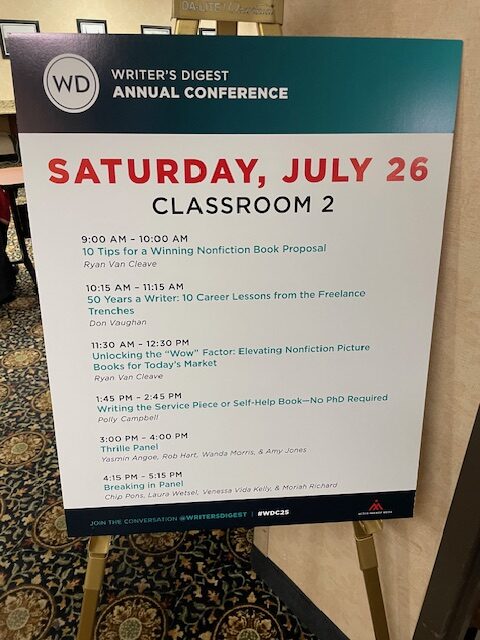
This past weekend, I presented at the 2025 Writer’s Digest Conference in Baltimore, and wow—the energy was electric. Thanks to Amy, Moriah, Taylor, Robert, and all the great folks at Writer’s Digest for putting this together!

This year’s event was packed with writers hungry to level up their craft. One of my sessions focused on a topic I’m deeply passionate about:

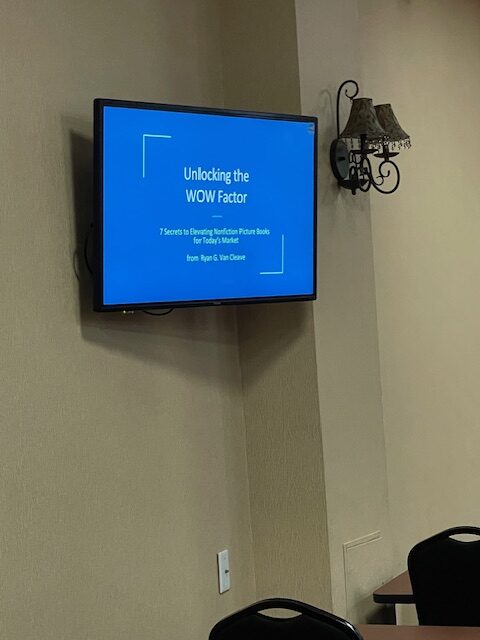
Unlocking the WOW Factor: Elevating Nonfiction Picture Books for Today’s Market.”

I wasn’t there to talk about writing “pretty good” books. I challenged attendees to aim higher—to create exceptional nonfiction picture books that stand out in a crowded market, grab editors by the collar, and genuinely move young readers. Yeah, I was asking for a lot.

So we dug into structure, format, voice, market positioning, and how to balance truth with emotion. I also shared tools and strategies I use with coaching clients to uncover the deeper purpose behind a manuscript—and how to get that purpose on the page without preaching or being pushy (wow that’s a lot of Ps in one breath there–good thing I didn’t try to slip in “keeping things palatable”!).

Since I purposefully didn’t schedule an interview for this week’s post,  I’m sharing a few great questions I got after the session—and how I answered them.


Post-​Talk Q&A: Nonfiction Picture Book Edition

Q: How can I make a STEM topic feel fresh if it’s already well-​covered?
The freshness isn’t in the topic—it’s in the angle. What emotional truth, surprising fact, or kid-​accessible entry point are you bringing that others haven’t?

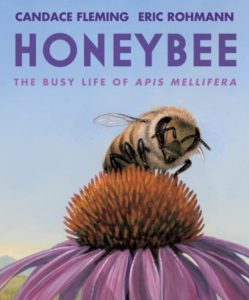
Example: Honeybee: The Busy Life of Apis mellifera by Candace Fleming (illustrated by Eric Rohmann) doesn’t teach bee science in general. Instead, it tells the story of one specific bee’s life, from birth to death, and that intimacy is what makes it unforgettable. (Its great art helps, too!)

Honeybee: The Busy Life of Apis Mellifera

Warning: A lot of STEM drafts fail because they explain instead of engage. If your manuscript could be rephrased as a Wikipedia page, you’ve missed the “wow.” Facts are the floor of a nonfiction picture book–not the ceiling. Go further.


Q: My manuscript has a lot of information—how do I know what to keep?
To overcome this challenge, I ask my clients one question: What’s the “so what”? If a fact doesn’t serve the emotional or conceptual spine of the story, it probably belongs in the back matter—or the recycling bin. Less is almost always more.

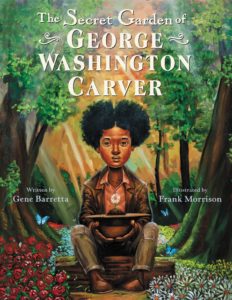
Example: In The Secret Garden of George Washington Carver by Gene Barretta (illustrated by Frank Morrison), the text doesn’t try to summarize his whole life. It focuses on one powerful thread—how his love of nature, nurtured in childhood, shaped everything that came later.

Common trap: Trying to cram in every achievement. You’re writing a story, not a résumé. Focus beats breadth. Read Gene’s book and you’ll witness that in action.


Q: I love my subject. Is it okay if my book is more about sharing that passion than teaching a lesson?
Yes! But the key is making your passion contagious. Passion alone doesn’t sell a manuscript—clarity does. Readers need to know what they’re walking away with. Editors do too.

Example: Just Like Beverly by Vicki Conrad (illustrated by David Hohn) is filled with admiration, but it’s also anchored in story. It shows how Cleary’s struggles as a reader led to her voice as a writer, and it makes that emotional throughline clear for kids.

Myth to bust: Passion ≠ purpose. A glowing tone won’t save a muddy manuscript. Shape your admiration into narrative.


Q: Do editors really care about structure that much?
Absolutely. A well-​structured manuscript shows you understand the picture book form. That doesn’t mean your book has to follow a traditional arc, but it does need a logic, rhythm, and design that supports the story. Strong structure signals strong craft.

Example: The Great Stink by Colleen Paeff (illustrated by Nancy Carpenter) uses the buildup of pollution and pressure in Victorian London as a ticking clock. The structure mirrors the stakes, which makes the whole book more effective (and more fun to read).

Pitfall: Relying on chronology alone. A straight timeline is the easiest structure—and usually the least compelling. Ask what shape your story really wants to be.


I’ll be unpacking more of these ideas and creative challenges in future blog posts, conference workshops, and coaching sessions. If you’re ready to level up your nonfiction picture book game—or finally crack the code on a manuscript that just won’t sell—reach out. This is some the work I love most. Or join me for one of our ACQUIRED! workshops, where we help writers build up a marketable idea from scratch and get them on the path to success with a traditional publisher.

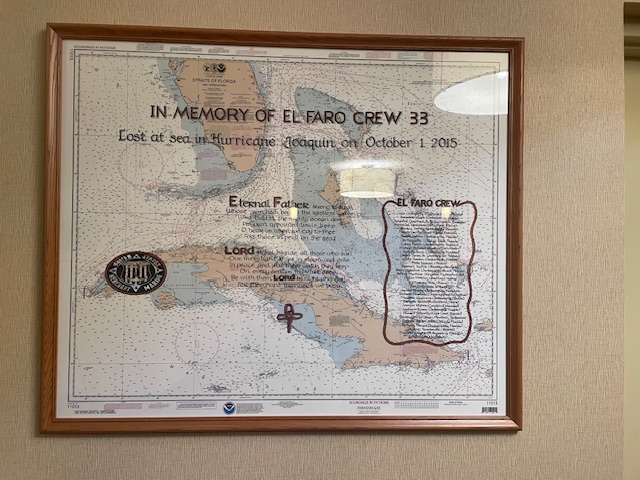
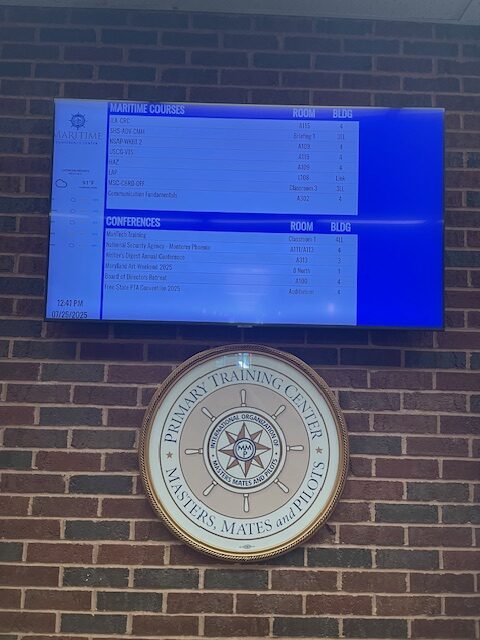
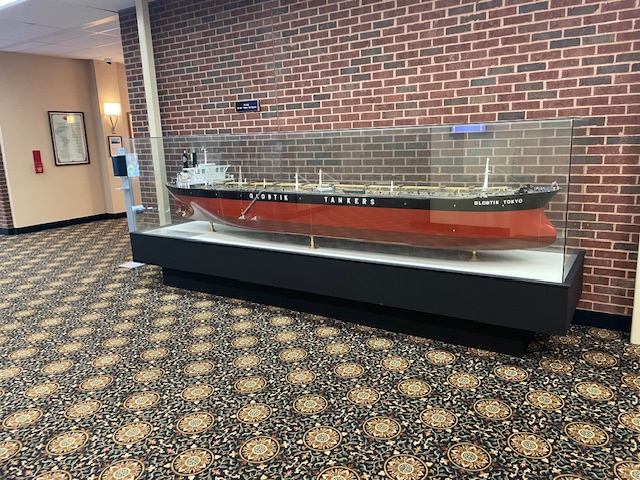
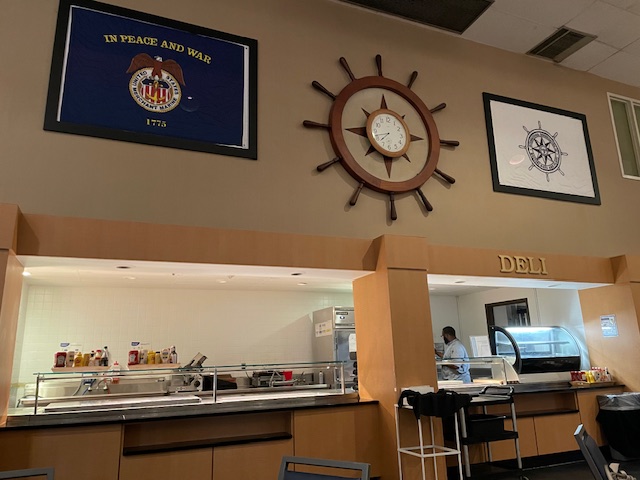
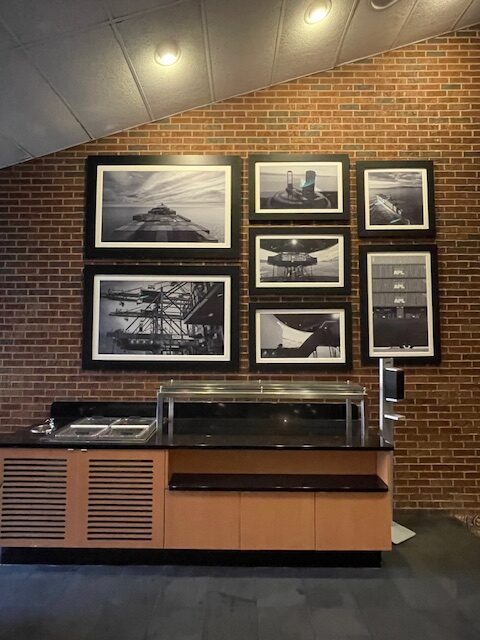
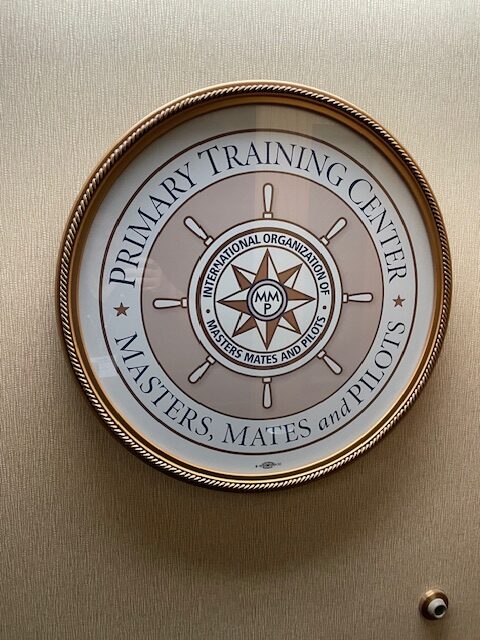
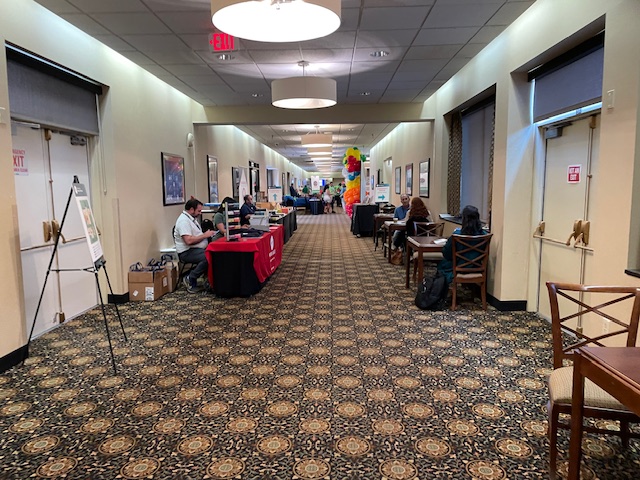
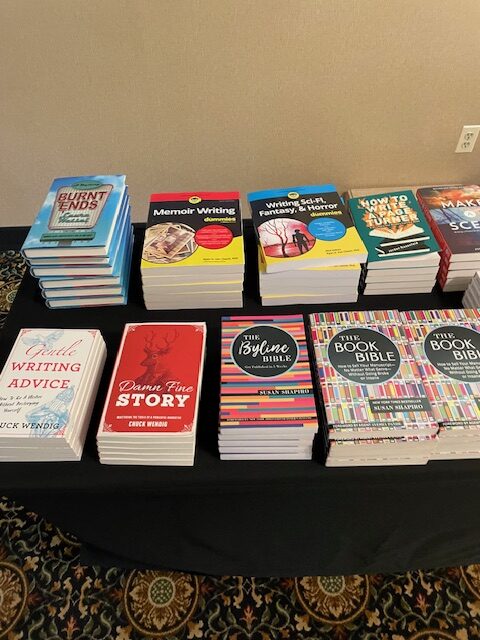
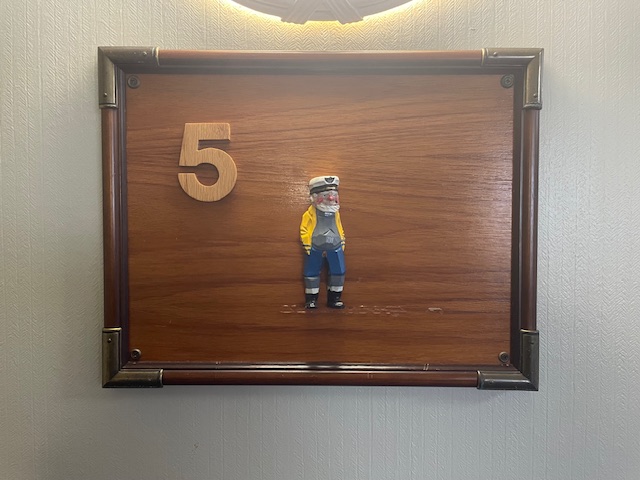
The weekend was packed, the conversations were rich, and the setting? Let’s just say the Maritime Conference Center was a refreshing change of pace—quirky, bright, and oddly perfect for a gathering of creatives. Scroll down for a few snapshots from the event and the vibes that made this conference one to remember.

 

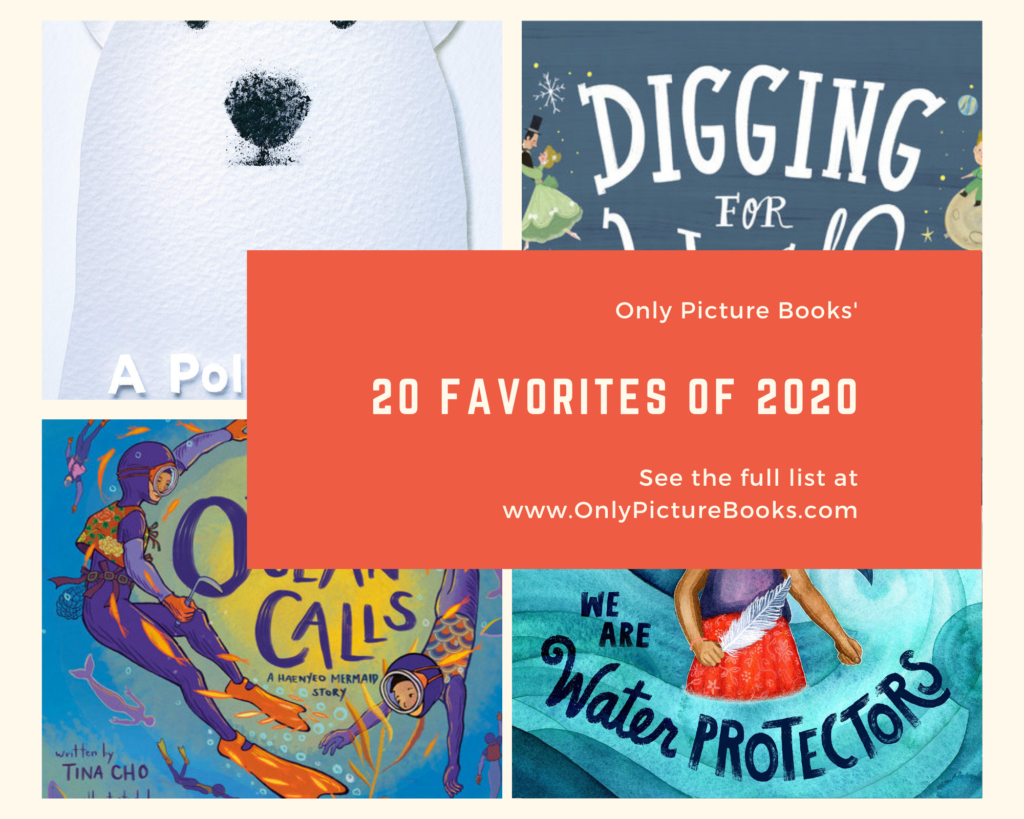
Only Picture Books’ 20 Favorites of 2020

2020 was a rough year–no doubt about it. But at least we had some first-​rate new picture books to help us through it all.

This list is our subjective ranking of 20 books OPB really liked from this past year. If we missed a great book, please take a moment to share your 2020 faves in the comment section

Great work should be recognized, valued, and encouraged.

We hope OPB helps make all that happen.


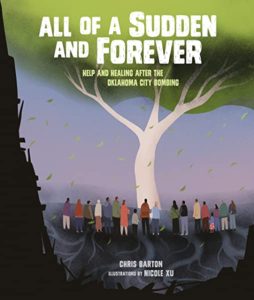
All of a Sudden and Forever by Chris Barton, illustrated by Nicole Xu (4 February 2020)

This nonfiction book tenderly handles the Oklahoma City Bombing of 1995–Barton does a wonderful job of showing how healing happens after a collective tragedy. The art by debut illustrator Xu elevates an already beautiful story.


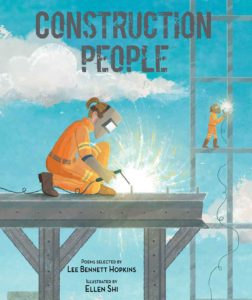
Construction People by Lee Bennett Hopkins (editor), illustrated by Ellen Shi (16 March 2020)

The late Lee Bennett Hopkins assembled 14 poems about the wide range of people needed to build a city high rise. The poems are noisy and fun in all the right ways for young readers–this is a real treat.


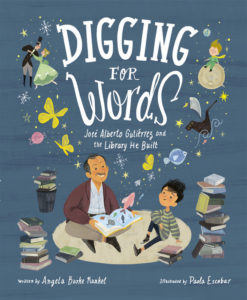
Digging for Words: José Alberto Gutiérrez and the Library He Built by Angela Burke Kunkel, illustrated by Paolo Escobar (8 September 2020)

This book offers a wonderful look at Colombia while telling the amazing story of a garbage collector in Bogotá who created a library that started with a single discarded book that he found on his route. Digging for Words has solid read-​aloud potential, too, which isn’t always the case with nonfiction.


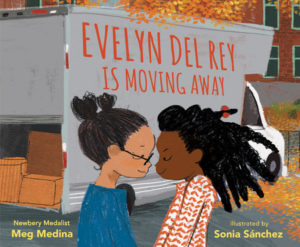
Evelyn Del Rey Is Moving Away by Meg Medina, illustrated by Sonia Sánchez (8 September 2020)

The first-​person present-​tense story is a believable tale of how the friendship of two girls can survive anything–including separation/​change. Sánchez’s mixed-​media art is bright, vibrant, and lovely.


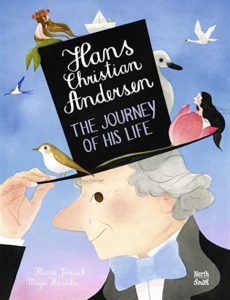
Hans Christian Anderson: The Journey of His Life by Heinz Janisch, illustrated by Maja Kastelic (1 September 2020)

OPB reviewed this book earlier this year, and months later, we still think it’s still a standout. This story-​in-​a-​story biography is simply enchanting.


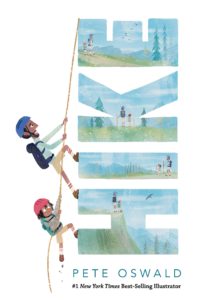
Hike by Pete Oswald (17 March 2020)

There simply aren’t enough quality father-​son picture books, but this one adds to that list. The adventure is nearly wordless, but the journey is marvelous for father, son, and reader. Delightful, and with just a hint of whimsy.


Honeybee: the Busy Life of Apis Mellifera by Candace Fleming, illustrated by Eric Rohmann (4 February 2020)

Fleming crafts language that manages to communicate the facts of the honeybee’s intriguing short life, but it’s Rohmann’s exquisite oil paint illustrations that makes this book soar. The close-​ups can easily be mistaken for photographs! Watch for the gorgeous gatefold at the very end, as well as a backmatter essay on the plight of the honeybees.


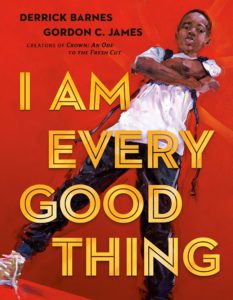
I Am Every Good Thing by Derrick Barnes, illustrated by Gordon C. James (1 September 2020)

There are catchy, memorable lines throughout (“I am good to the core, like the center of a cinnamon roll”) that readers will delight in. But it’s the empowering message of self-​affirmation and value here that makes this a must-​read. James’ oil-​paintings are richly textured and powerful–watch for a cameo from Barack Obama!


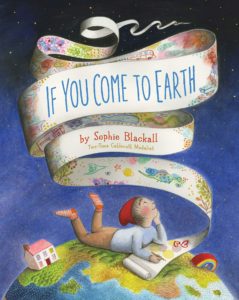
If You Come to Earth by Sophie Blackall (15 September 2020)

While the premise is intriguing (how might you introduce Earth to a visitor from outer space?), it’s no surprise that two-​time Caldecott winner Blackall’s illustrations steal the show. Her stunning attention to detail showcases the diversity of our planet in all of its glory. Simply beautiful.

If you liked Oliver JeffersHere We Are: Notes for Living on Planet Earth, If You Come to Earth will likely be a hit, as well.


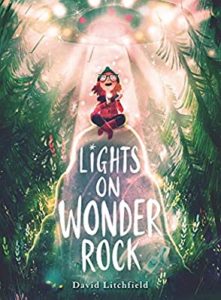
Lights on Wonder Rock by David Litchfield (8 September 2020)

In this story, Heather yearns to go to outer space. But is she truly ready to leave Earth–and everything about it–behind? I think I love this cover (and story) because it reminds me of E.T., but the graphic novel style throughout is equally compelling. Note the numerous wordless spreads that burst with delicious light and color. Litchfield is really, really good.


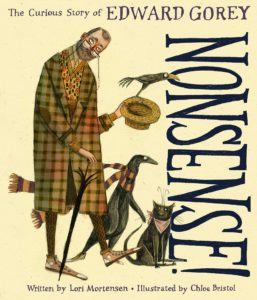
Nonsense!: The Curious Story of Edward Gorey by Lori Mortensen, illustrated by Chloe Bristol (24 March 2020)

A lyrical biography about the curious, strange man who served as inspiration for other curious, strange creatives (like Tim Burton and Lemony Snicket)? Yes, please! Of course, both the lyrical and artistic elements are positively Gorey-​esque. A generous two-​page Author’s Note helps round out a reader’s understanding of Gorey’s amazing life and accomplishments.


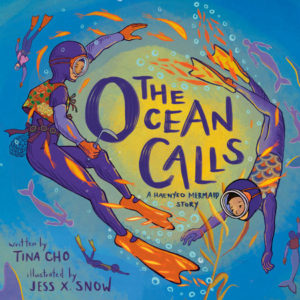
The Ocean Calls: A Haenyeo Mermaid Story by Tina Cho, illustrated by Jess X. Snow (4 August 2020)

Haenyeo” means free diving, and we learn all about that in this lovely story where a Korean girl dreams of being a haenyeo and diving deep to grab treasures from the ocean floor, just as generations have done before, and just as her grandma does now. There’s plenty of STEM appeal here, but it’s also a sweet story about family and tradition.


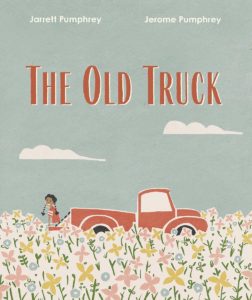
The Old Truck by Jarrett Pumphrey and Jerome Pumphrey (7 January 2020)

The retro design is what first catches my eye, but I’m quickly taken by this eloquent ode to perseverance and grit. OPB is definitely looking forward to more picture books from the Pumphrey brothers.


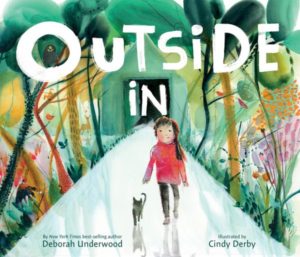
Outside In by Deborah Underwood, illustrated by Cindy Derby (14 April 2020)

Each year, it seems OPB includes a Deborah Underwood story in one way or another, and here’s yet another fine one. The starred review at Kirkus has it right–this book is a “love letter to nature.” Best of all, Outside In isn’t preachy nor heavy-​handed. It’s (appropriately) quiet, wise, and wondrous.


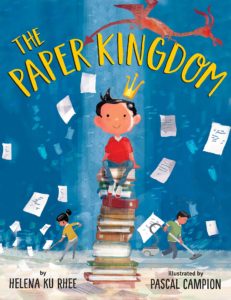
The Paper Kingdom by Helena Ku Rhee, illustrated by Pascal Campion (18 February 2020)

What a cool book! It’s the “simple” story of a parent going to work, but it’s filtered through the wondrous imagination of a child. Yes, there’s social critique tucked away in these pages, but even if a child doesn’t get that, this book will resonate on many levels.


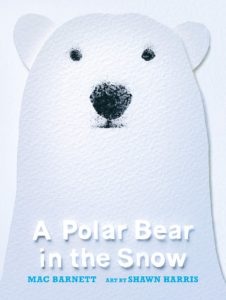
A Polar Bear in the Snow by Mac Barnett, illustrated by Shawn Harris (13 October 2020)

Children will love the in-​text questions about where this polar bear is going–it’s a great way to get them involved in the storytelling. The art is simple and charming, as is this captivating Arctic adventure.


The Secret Garden of George Washington Carver by Gene Barretta, illustrated Frank Morrison (14 January 2020)
I love picture book biographies–especially when it’s about someone I THINK I know, then I come to realize how much more there is to their story. That’s the case here in this dignified and interesting take on the life of George Washington Carver–a “living folk hero.”


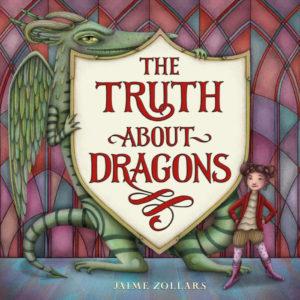
The Truth About Dragons by Jaime Zollars (15 September 2020)

This debut picture book will help readers see beyond their fears to find their own strength/​inner dragon. It’s a delightful take about the anxiety of new experiences.


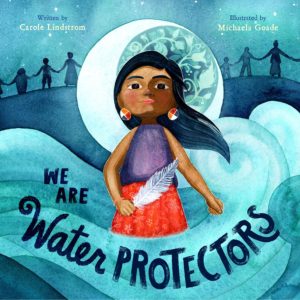
We Are Water Protectors by Carole Lindstrom, illustrated by Michaela Goade (17 March 2020)

It’s hard to say which is more captivating–the potent words of Lindstrom or the lush art of Goade. Regardless, it’s a passionate call for much-​needed environmental stewardship that shows how interconnected our world is. Simply lovely.


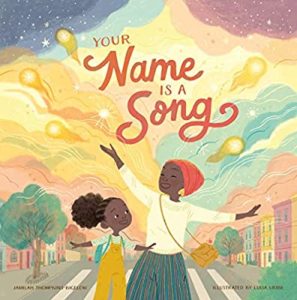
Your Name Is a Song by Jamilah Thompkins-​Bigelow (7 July 2020)

A young girl is understandably unhappy at how people mishandling her name, yet her mother teaches her about the magic and music of names…including her own. It’s a celebration of language and history suitable for all readers.