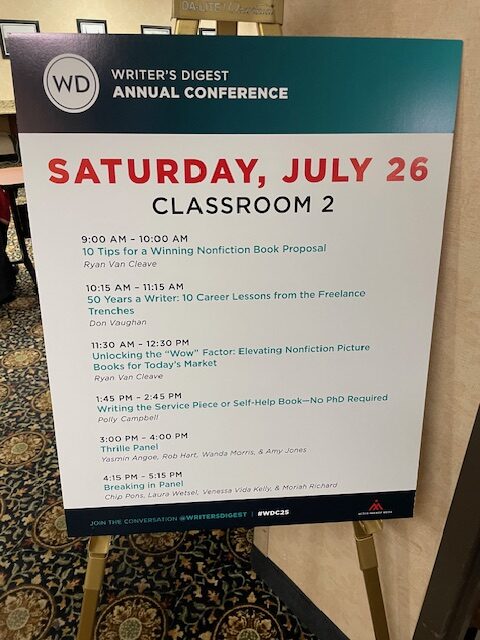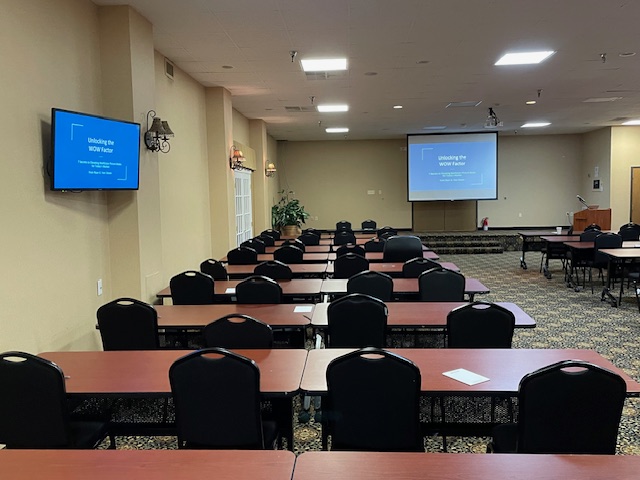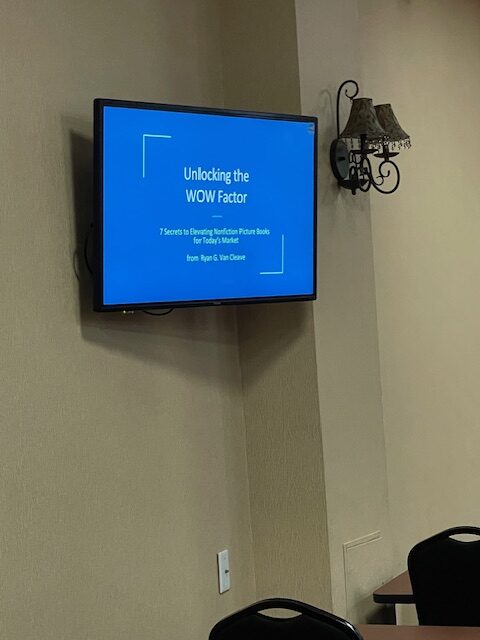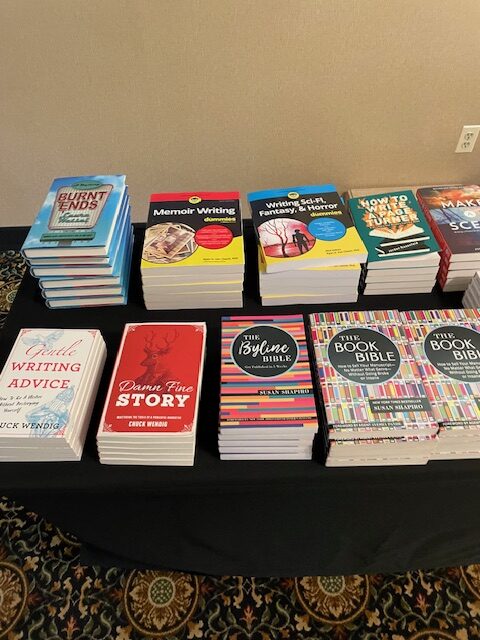

This past weekend, I presented at the 2025 Writer’s Digest Conference in Baltimore, and wow—the energy was electric. Thanks to Amy, Moriah, Taylor, Robert, and all the great folks at Writer’s Digest for putting this together!
This year’s event was packed with writers hungry to level up their craft. One of my sessions focused on a topic I’m deeply passionate about:
“Unlocking the WOW Factor: Elevating Nonfiction Picture Books for Today’s Market.”
I wasn’t there to talk about writing “pretty good” books. I challenged attendees to aim higher—to create exceptional nonfiction picture books that stand out in a crowded market, grab editors by the collar, and genuinely move young readers. Yeah, I was asking for a lot.
So we dug into structure, format, voice, market positioning, and how to balance truth with emotion. I also shared tools and strategies I use with coaching clients to uncover the deeper purpose behind a manuscript—and how to get that purpose on the page without preaching or being pushy (wow that’s a lot of Ps in one breath there–good thing I didn’t try to slip in “keeping things palatable”!).
Since I purposefully didn’t schedule an interview for this week’s post, I’m sharing a few great questions I got after the session—and how I answered them.
Post-Talk Q&A: Nonfiction Picture Book Edition
Q: How can I make a STEM topic feel fresh if it’s already well-covered?
The freshness isn’t in the topic—it’s in the angle. What emotional truth, surprising fact, or kid-accessible entry point are you bringing that others haven’t?
Example: Honeybee: The Busy Life of Apis mellifera by Candace Fleming (illustrated by Eric Rohmann) doesn’t teach bee science in general. Instead, it tells the story of one specific bee’s life, from birth to death, and that intimacy is what makes it unforgettable. (Its great art helps, too!)

Warning: A lot of STEM drafts fail because they explain instead of engage. If your manuscript could be rephrased as a Wikipedia page, you’ve missed the “wow.” Facts are the floor of a nonfiction picture book–not the ceiling. Go further.
Q: My manuscript has a lot of information—how do I know what to keep?
To overcome this challenge, I ask my clients one question: What’s the “so what”? If a fact doesn’t serve the emotional or conceptual spine of the story, it probably belongs in the back matter—or the recycling bin. Less is almost always more.
Example: In The Secret Garden of George Washington Carver by Gene Barretta (illustrated by Frank Morrison), the text doesn’t try to summarize his whole life. It focuses on one powerful thread—how his love of nature, nurtured in childhood, shaped everything that came later.

Common trap: Trying to cram in every achievement. You’re writing a story, not a résumé. Focus beats breadth. Read Gene’s book and you’ll witness that in action.
Q: I love my subject. Is it okay if my book is more about sharing that passion than teaching a lesson?
Yes! But the key is making your passion contagious. Passion alone doesn’t sell a manuscript—clarity does. Readers need to know what they’re walking away with. Editors do too.
Example: Just Like Beverly by Vicki Conrad (illustrated by David Hohn) is filled with admiration, but it’s also anchored in story. It shows how Cleary’s struggles as a reader led to her voice as a writer, and it makes that emotional throughline clear for kids.

Myth to bust: Passion ≠ purpose. A glowing tone won’t save a muddy manuscript. Shape your admiration into narrative.
Q: Do editors really care about structure that much?
Absolutely. A well-structured manuscript shows you understand the picture book form. That doesn’t mean your book has to follow a traditional arc, but it does need a logic, rhythm, and design that supports the story. Strong structure signals strong craft.
Example: The Great Stink by Colleen Paeff (illustrated by Nancy Carpenter) uses the buildup of pollution and pressure in Victorian London as a ticking clock. The structure mirrors the stakes, which makes the whole book more effective (and more fun to read).

Pitfall: Relying on chronology alone. A straight timeline is the easiest structure—and usually the least compelling. Ask what shape your story really wants to be.
I’ll be unpacking more of these ideas and creative challenges in future blog posts, conference workshops, and coaching sessions. If you’re ready to level up your nonfiction picture book game—or finally crack the code on a manuscript that just won’t sell—reach out. This is some the work I love most. Or join me for one of our ACQUIRED! workshops, where we help writers build up a marketable idea from scratch and get them on the path to success with a traditional publisher.
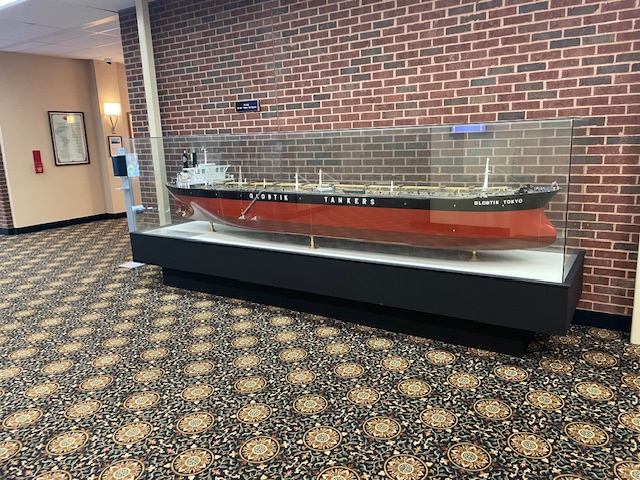
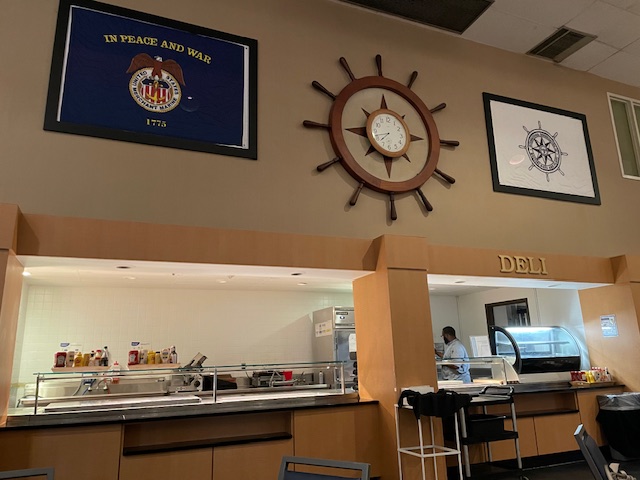
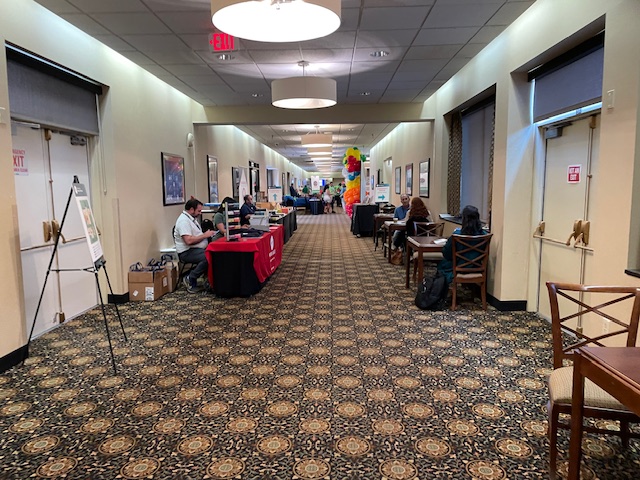
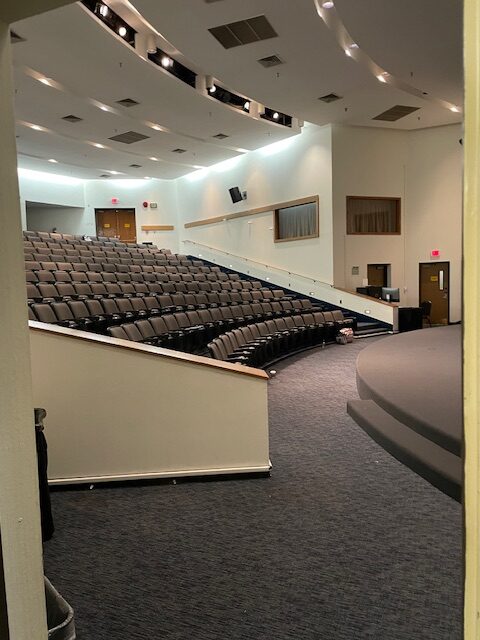
The weekend was packed, the conversations were rich, and the setting? Let’s just say the Maritime Conference Center was a refreshing change of pace—quirky, bright, and oddly perfect for a gathering of creatives. Scroll down for a few snapshots from the event and the vibes that made this conference one to remember.