There’s something unmistakable about September. Apples hit their peak. Crickets chirp louder at night. The light shifts, the air thins, and kids trudge back to school in stiff sneakers. It’s not quite fall—not yet—but the new season is stirring just below the surface.
(And yes, there is fall in Florida. Sort of.)
This Bonus Goody features picture books that echo the feel of September—fresh starts, golden afternoons, a hush settling over the world. These stories invite readers to slow down, lean in, and welcome the season as it arrives.
Curl up with one (or all!), and let September settle in. If I missed your favorite September-ish picture book, let me know in the comments!
 The Apple Pie That Papa Baked by Lauren Thompson, illustrated by Jonathan Bean (July 2007)
From Goodreads: “These are the apples, juicy and red,
that went in the pie,
warm and sweet,
that Papa baked…
for guess who!”
- 32 pages
- Reading Age: 5–8 years
 Before We Eat: From Farm to Table by Pat Brisson, illustrated by Mary Azarian (May 2018)
From Goodreads: “Milk doesn’t just appear in your refrigerator, nor do apples grow in the bowl on the kitchen counter. Before we eat, many people must work very hard―planting grain, catching fish, tending animals, and filling crates. In this book, vibrantly illustrated by Caldecott Medalist Mary Azarian, readers find out what must happen before food can get to our table to nourish our bodies and spirits.”
- 36 pages
- Reading Age: 4–8 years
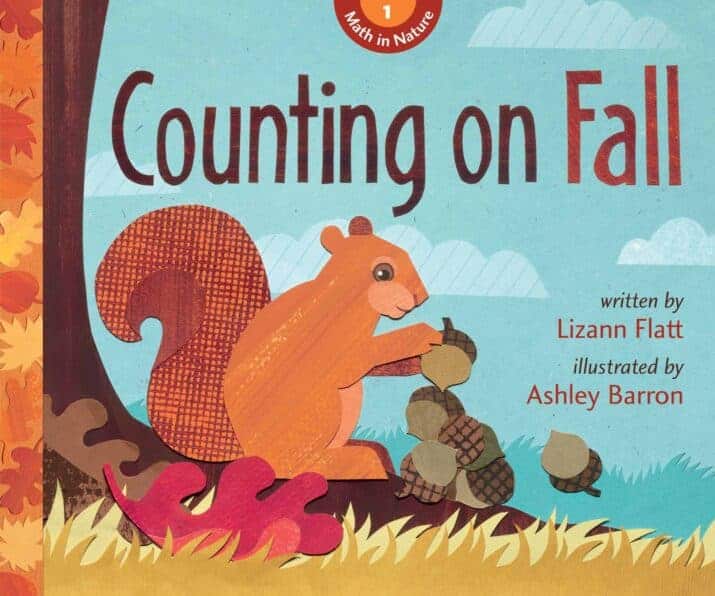 Counting on Fall by Lizann Flatt, illustrated by Ashley Barron (August 2017)
From Goodreads: “As young readers journey into the natural world, they will discover that numbers, patterns, shapes — and much more! — can be found by observing everyday plants and animals.
What if animals and plants knew math, just like you? Would leaves fall in patterns? Would whales enter a race? In Counting on Fall, the first title in the Math in Nature series by award–winning author Lizann Flatt, nature comes to life to help children grasp concepts of number sense and numeration. The engaging “What if?” format of this informational picture book is sure to delight five– to seven– year– olds.”
- 32 pages
- Reading Age: 5–7 years
 Fletcher and the Falling Leaves by Julia Rawlinson, illustrated by Tiphanie Beeke (August 2006)
From Goodreads: “Celebrate fall with the sweet and charming Fletcher the fox!
As the leaves fall from his favorite tree, Fletcher worries that something is terribly wrong. But then winter comes, and with it a wonderful surprise. Do you know what it is? Join Fletcher and find out.… Fletcher the fox is concerned about nature and wants to understand the changing of the seasons. Young readers will share the feelings of wonder and empathy as they curl up with a parent or gather in circle time to enjoy this beautiful picture book.”
- 32 pages
- Reading Age: 2–6 years
 Full of Fall by April Pulley Sayre (August 2017)
From Goodreads: “Discover the magic—and the science—behind fall leaves with this companion to the celebrated Raindrops Roll and Best in Snow .
With gorgeous photo illustrations, award-winning author April Pulley Sayre explores the transformation trees undergo in fall. The book takes readers through the leaves’ initial change from green to red, yellow, and orange, the shedding of the leaves, and the leaves crumbling as winter approaches. Extensive back matter explains the science behind this process to the youngest of budding scientists.”
- 40 pages
- Reading Age: 4–8 years
 Goodbye Summer, Hello Autumn by Kenard Pak (August 2016)
From Goodreads: “As trees sway in the cool breeze, blue jays head south, and leaves change their colors, everyone knows–autumn is on its way!
Join a young girl as she takes a walk through forest and town, greeting all the signs of the coming season. In a series of conversations with every flower and creature and gust of wind, she says good-bye to summer and welcomes autumn.”
- 32 pages
- Reading Age: 2–5 years
 The Great Pumpkin Contest by Angie Rozelaar (July 2019)
From Goodreads: “Two neighboring cats compete for first place in a pumpkin contest, but it takes a cat-astrophe to make them realize there’s a lot more they can win than just a blue ribbon.”
- 40 pages
- Reading Age: 4–8 years

Hello, Harvest Moon by Ralph Fletcher, illustrated by Kate Kiesler (September 2017)
From Goodreads: “While tired farmers and their families are in bed, the harvest moon silently climbs into the sky and starts working its magic. For some, it is the nightly signal to rise and shine. It is time to hunt, to work, or to play in the shadows. For a little girl and her cat, it is an invitation to enjoy the wonders of the night and a last flood of light before the short days of winter set in. With an evocative text and radiant illustrations, this companion to Twilight Comes Twice offers a glimpse of nature’s nightlife long after bedtime.”
- 32 pages
- Reading Age: 4–7 years
 The Hike by Alison Farrell (October 2019)
From Goodreads: “This book tells the story of three girls’ friendship—and their tribulations and triumphs in the great outdoors. Here is the best and worst of any hike: from picnics to puffing and panting, deer-sighting to detours. Featuring a glossary, a sketchbook by one of the characters, abundant labels throughout, and scientific backmatter.”
- 56 pages
- Reading Age: 2–5 years
 The Leaf Thief by Alice Hemming, illustrated by Nicola Slater (August 2021)
From Goodreads: “A brilliantly funny picture book about seasons, written by Alice Hemming and illustrated by Nicola Slater. Squirrel is so cross. Yesterday there were loads of beautiful leaves on his tree, but today? Today some are missing and Squirrel is convinced that someone has stolen them… there’s a leaf thief on the loose! Join Squirrel on a mission to find the culprit, and meet so many fun animals on the way, while you find out how the world takes on different colours as the months pass by. A laugh-out-loud book about the changing seasons, with extra information in the back for especially curious minds Perfect as a companion reader to children learning about seasons in school A brilliant picture book that explores feelings, moods and times where we feel out of control.”
- 32 pages
- Reading Age: 2–5 years
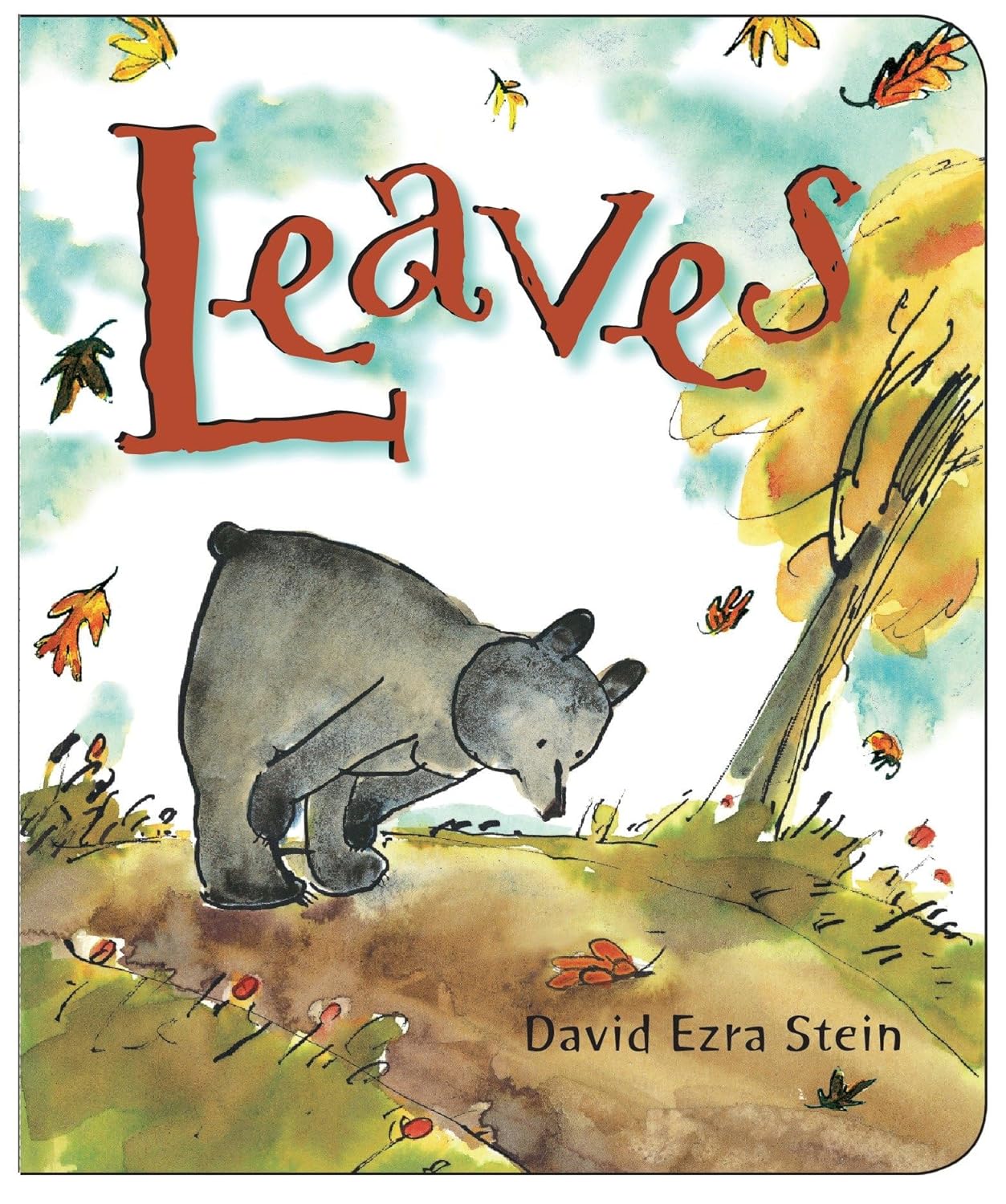 Leaves by David Ezra Stein (October 2019)
From Goodreads: “It’s a young bear’s first autumn, and the falling leaves surprise him. He tries to put them back on the trees, but it doesn’t work. Eventually, he gets sleepy, and burrows into the fallen leaves for a long nap. When he wakes up, it’s spring and there are suddenly brand-new leaves all around, welcoming him. Graceful illustrations and a childlike main character offer the perfect way to talk to children about the wonder of the changing seasons.”
- 32 pages
- Reading Age: 1–3 years
 Oak Leaf by John Sandford (September 2019)
From Goodreads: “An artistic picture book about an autumn leaf’s journey that beautifully evokes the season. A lone autumn leaf falls and flies away on a breeze. It travels up and over the world and down again—where it finally lands on the page of a little girl’s open book and becomes a keepsake.”
- 40 pages
- Reading Age: 5–7 years
 Shark Girl

 Juli
Juli