
Author Interview: Lindsay H. Metcalf

This month, we’re thrilled to welcome Lindsay H. Metcalf to the Only Picture Books Author interview series! Lindsay’s lyrical nonfiction and activist poetry have won plenty of awards—including the Green Earth Book Award and the ILA Social Justice Literature Award—and her growing body of work continues to inspire young readers to care about the world and their place in it.

From Beatrix Potter, Scientist to Farmers Unite!, No Voice Too Small, and the upcoming Tomatoes on Trial, Lindsay tackles unexpected topics with heart, clarity, and a journalist’s curiosity. She’s also just plain fun.

When she’s not researching or writing, Lindsay plays ukulele, sings pop parodies, and hangs out with her family (including a mischievous puppy and an old cat!) in rural Kansas, not all that far from the farm where she grew up.

Let’s get to know Lindsay!


RVC: You started as a journalist. What made you decide to shift from newspapers to children’s books?

LHM: I had two babies in a seventeen-​month span and decided to stay home with them. In those early days, the library and reading fueled our daily rhythm. I hadn’t picked up a picture book since I was a child, and wow, had they evolved! Discovering titles such as Stuck by Oliver Jeffers and I Want My Hat Back by Jon Klassen, I loved them as much as my kids did. I thought, how hard could it be to write one? Boy, was I naïve.

RVC: Been there!

LHM: It took me two years of fumbling with fiction manuscripts to discover that, actually, I’m much better at nonfiction. Duh—I was a journalist. I didn’t enjoy reading nonfiction as a kid, but as an adult I realized my love of narrative nonfiction where the truth comes alive as sensory-​laden story.

RVC: What skills from journalism carry over into your work as a nonfiction author?

LHM: One of my journalism professors used to say, “If your mother says she loves you, check it out.” That emphasis on vetting research has served me well in all kinds of nonfiction writing. I also grew a thick skin as a newspaper reporter. With daily deadlines, my editors didn’t have time to sugarcoat their critiques. I learned to detach my ego from the writing, which has served me well with the endless flow of rejections in kidlit.

RVC: Let’s jump right to your picture book debut, Beatrix Potter, Scientist. How did that project begin?

LHM: I happened upon this post from The Marginalian detailing Beatrix’s early work as a mycologist. She had written a paper for the Linnean Society of London—what?? Although her books were burned into core memories, all I could tell you about her was that her name appeared in all caps on her book covers.

I loved the idea that Beatrix had been more than one thing—a scientist and a children’s author, and later a conservationist and sheep farmer—pivoting just like I had in my own career. When I discovered that her extensive diary detailed her scientific research, I cuddled up with her words not as a child with a bedtime story but more like two friends chatting over tea.

RVC: What surprised you most during your research into Beatrix’s life and work?

LHM: To keep her parents from reading her diary, she wrote it in a letter-​for-​letter substitution code, later cracked by researcher Leslie Linder. She wrote near-​daily entries for sixteen years. Today anyone can read The Journal of Beatrix Potter from 1881 to 1897, a testament to her brilliant mind and determination.

RVC: That’s amazing. Thanks for sharing all of that! Now, let’s talk about Farmers Unite!, which feels especially personal given your Kansas roots. Did you grow up hearing about the 1979 tractorcade?

LHM: I did not! That’s why I was so amazed when I saw this picture of a local farmer’s tractor in 2016.
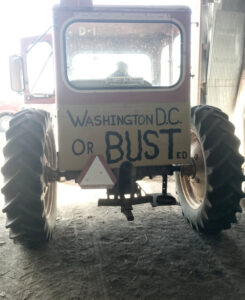
Why on earth would this 1940s tractor be driving from Kansas to Washington, DC? After some Googling, I found out about the American Agriculture Movement protests. In January 1979, farmers from points across the country formed tractor parades—“tractorcades”—thirty miles long en route to the nation’s capital. The movement remained active through the Eighties and inspired Willie Nelson and friends to host the first Farm Aid concert. I remembered the concert but had no knowledge of its roots.

I felt compelled to tell the farmers’ story of fighting to keep their farms alive during the farm crisis—and fighting to continue putting food in the bellies of their fellow citizens. I began writing this story at a time when gun violence protests were sweeping the country and wanted to tell the story of how farmers had found their own way to raise their voices. Today, with tariffs, climate change, and other factors, food producers still face livelihood-​threatening issues each day. Yet their stories are rarely told.

RVC: No Voice Too Small and No World Too Big spotlight youth activism. What did you learn from the young people featured?

LHM: I learned that if young people have the creativity, persistence, and fortitude to speak up and work together to make change, then adults have no excuse.

RVC: Both books have co-​editors working alongside you. How did that process go?

LHM: It went so well that we are currently working on two follow-​up projects together. My co-​anthologists Jeanette Bradley (also the illustrator) and Keila Dawson and I will release a third title in the young activists series in June 2026. It’s called No Brain the Same: Neurodivergent Young Activists Shaping Our Future, and it won’t be long before we can reveal its gorgeous cover! We are also working on a meaty middle-​grade nonfiction project that hasn’t been announced.

RVC: Let’s talk tomatoes! What inspired your almost-​here picture book, Tomatoes on Trial?

LHM: A Facebook friend posted a meme about the 1893 Supreme Court case in which tomatoes were declared a vegetable. My mind churned with the possibilities for a children’s book. Immediately I could see the layers: courts/​debate, food fight humor, history… With my curiosity piqued, I dove into the research rabbit hole and learned the story of produce merchant John Nix, who imported a boatload of Bermudan tomatoes and was slapped with a 10 percent vegetable tariff. Nix believed tomatoes were fruits and took the New York Customs House collector to court.

RVC: What made this story feel important for kids to know?

LHM: When I started working on the story in 2021, I imagined kids using the book as a springboard for learning to research, verify sources, construct an argument, and hold debates. Kids tend to get indignant when I tell them that the Supreme Court declared tomatoes a vegetable.

But as the book releases in August 2025, there’s a whole other layer that I didn’t see coming: tariffs. The Nix v. Hedden case centered on the 1883 Tariff Act. Tariffs fell out of favor for many years, now, under the Trump administration, they’re back. This book is a low-​stakes introduction to that concept.

RVC: Can you share a craft challenge you faced while writing Tomatoes on Trial—and how you solved it?

LHM: No one had written a book about John Nix, so the only information I had about him was the snippets I found in historical newspapers. I had the bones of the Nix v. Hedden case, but not enough to write a picture book biography. So initially I set out to write about the history of tomatoes and how they were plagued by misinformation for centuries. The first drafts had a Magic School Bus feel, with an adult farmer sharing shocking tomato stories (including the Supreme Court case) with two fictional kids. And it wasn’t working.

Finally my friend and nonfiction guru Kirsten Larson helped me see how to cut through the morass with an episodic narrative rather than a full-​fledged biography. This helped me dig into scenes where “Team Fruit” and “Team Vegetable” flung dueling definitions. Nix v. Hedden is a simple case and inherently kid-​friendly, so this approach let me lean into the humor and write something surprising and relevant.

RVC: What’s your favorite part of the research process?

LHM: It’s that moment when, after you think you’ve uncovered every little fact about your subject, you do another search for good measure that turns up new details.

RVC: And the hardest part?
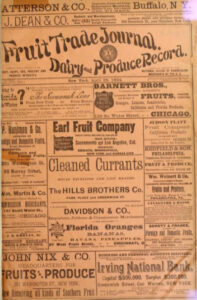
LHM: Image research! For Tomatoes on Trial, I had so little information about Nix that I didn’t know what he looked like. When Calkins Creek acquired the manuscript, they asked me to find images for the back matter, and it became a personal mission to find Nix. Finally, after weeks of searching, I found his obituary in an obscure online archive of the Fruit Trade Journal and Produce Record. To my delight, it included an etched portrait of Nix. I needed only a handful of images for the back matter, but I collected dozens in a secret Pinterest board and eventually shared them with illustrator Edwin Fotheringham. Nonfiction illustrators have such a difficult job, because they have to think about details that aren’t in the text: period clothing, architecture, etc. If I am already doing that research, I may as well share.

RVC: What does a typical writing day look like for you?

LHM: I am a stay-​at-​home mom of two teens, so there is no typical writing day, other than constant interruptions, chores, errands, and appointments. In between I try to list tasks I can do the next time I sit down with my computer. I typically work from the couch, feet up, with my Cavalier King Charles, Gus, and my 21-​year-​old tabby, Gertie, fighting for lap space.

RVC: Do you approach writing differently when the audience skews older (like for your YA title Footeprint)?
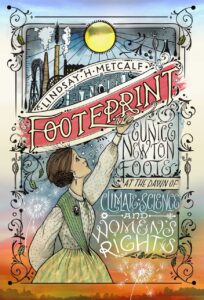
LHM: Yes and no. Footeprint: Eunice Newton Foote at the Dawn of Climate Science and Women’s Rights (February 2026, Charlesbridge), started in my mind as a picture book. Eunice was the first to discover carbon dioxide’s warming properties in 1856, and yet the “father” of climate science is considered to be one of her peers, John Tyndall, who published similar research three years later.

No one had written about her in a traditionally published book and I felt drawn to tell her whole story. It had climate science. The first women’s rights convention at Seneca Falls. Her own patented inventions and her husband as US patent commissioner. Meanwhile, their lives were intertwined with the nascent industrial revolution and the very seeds of climate change.

The best thing I did was write what I needed to write without placing restrictions on myself. I usually start wrapping my head around biography research by making a giant timeline of every fact I know, and then identifying a unifying thread. This book wanted to be more than a picture book, so I shoved my self-​doubt to the side and wrote it as it begged to be written. Her story came out in poems, and I had no idea it would be considered young adult until the book was acquired and my contract specified it.

RVC: A lot of kidlit writers seem to have stories that “came out in poems” these days. Why did this choice seem like the best option for telling this story?

LHM: It worked for several reasons. The subject matter was emotional, with a woman fighting for her right to be a scientist and inventor in an era when married women could not own property or hold patents. While I could feel the emotions behind the facts, I wanted to stick as closely as possible to nonfiction. I found letters written by Eunice and her family later in her life, but I had nothing but her formal patent applications for the time period that formed the crux of the book. Poetic devices—metaphor in particular—create ways to convey emotion without straying from facts.

Another aspect I loved about telling the story in poems was the choppy nature of a novel-​in-​verse. Each poem tells its own miniature story, without the need for much transition. In places where I had gaps in facts—sometimes years—the novel-​in-​verse form helped me bridge those pretty seamlessly through white space and creative poem titles.

RVC: What’s your best tip for writers creating a verse novel?

LHM: The same advice I’d give anyone trying a new type of writing: read great mentor texts, find like-​minded critique partners, and take classes. I learned a ton from Cordelia Jensen, who periodically teaches courses through the Highlights Foundation. Her next course—Revising Your Novel-​in-​Verse—runs November through mid-​December. Cordelia goes deep and offers critiques, and she’s a wonderful verse novelist herself.

RVC: What role do critique partners or writing groups play in your process?

LHM: They are essential! For the young activist books (No Voice Too Small, No World Too Big, and the forthcoming No Brain the Same) three of us work together, almost as a built-​in critique group. Because we’re in touch each day and we have regular calls, we do a lot of problem-​solving and cowriting in real time.

I share solo projects with a critique group that meets monthly, and if those folks have seen a manuscript too many times, I will send it to individual critique partners. Every single project of mine has improved based on astute critique feedback.

RVC: How do you know when a manuscript is done?

LHM: When my agent tells me it’s done. Ha! I find that after I’ve worked on a project for a long time, it’s tough for me to see its strengths and flaws objectively.

RVC: Here’s the last question for this part of the interview. What’s something you’ve learned/​run across recently that made you say, “Yes, yes, yes—THAT’S a book”?

LHM: It’s not my story to tell, but I think someone NEEDS to write about the Indigenous teens who are kayaking the 300-​mile Klamath River after the US government removed a long-​contested dam. This inspiring story of environmental justice and decolonization demands its own book!

RVC: Alright, Lindsay. Step back and take a breath—you’re going to need it. We’re now at THE LIGHTNING ROUND! Fast questions and zippy answers please. Are you ready?

LHM: Hit me.

RVC: What’s your favorite weird tomato fact?

LHM: In the 1800s, people took tomato pills as a cure-​all, from consumption to cholera.

RVC: Kansas sunsets or Kansas thunderstorms?

LHM: Post-​storm sunsets.

RVC: What song do you belt when no one’s listening?

LHM: Right now it’s “Pink Pony Club” by Chappell Roan.

RVC: One writing rule you always break?

LHM: Sentence fragments. And conjunctions at the beginnings of sentences.

RVC: The last great picture book you read that made you stop and reread a line?
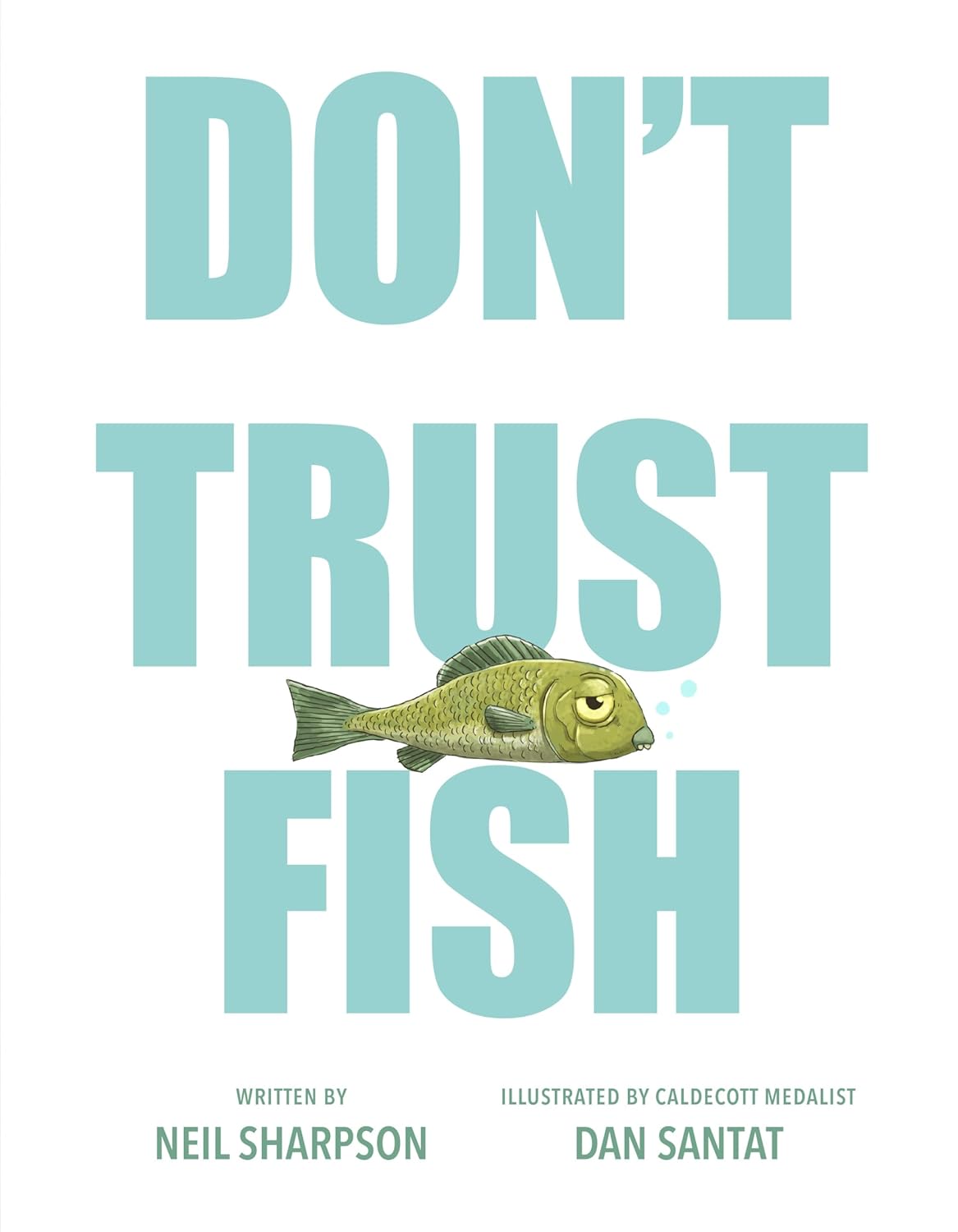
LHM: Don’t Trust Fish by Neil Sharpson, illustrated by Dan Santat.

RVC: One word you hope readers use to describe your work?

LHM: Thought-​provoking. I’m counting that as one word.

RVC: Thanks so much, Lindsay!

LHM: Thanks, Ryan! It’s been an honor.

Picture Book Review: 5‑word reviews (The Bear Out There; Don’t Lose Mr. Cuddles; Island Storm; Put Your Shoes On; What Coco Can Do)

Looking for your next picture book crush? These five-​word reviews cut straight to the heart of what makes each new release stand out—no overthinking, just instinct. They’re not deep dives, but quick snapshots of books that surprised, delighted, or stuck with me for one reason or another.

Let’s see which ones grab you too!


The Bear Out There
Author: Jess Hannigan
Illustrator: Jess Hannigan
Quill Tree Books
29 April 2025
48 pages

Ryan’s five-​word review: Fearless narrator, hilariously unreliable host.

✨ 4.25 out of 5 lights in the darkness


Don’t Lose Mr. Cuddles
Author: Dev Petty
Illustrator: Mike Boldt
Doubleday Books for Young Readers
6 May 2025
32 pages

Ryan’s five-​word review: Emotional wreckage meets feline truce.

🎾 4.25 out of 5 squeaky tennis balls


Island Storm
Author: Brian Floca
Illustrator: Sydney Smith
Neal Porter Books
22 July 2025
32 pages

Ryan’s five-​word review: Two hearts brave a tempest.

🌧️ 4.5 out of 5 drenched rain slickers


Put Your Shoes On
Author: Polly Dunbar
Illustrator: Polly Dunbar
Candlewick
17 June 2025
40 pages

Ryan’s five-​word review: Inner worlds resist outer orders.

🐛 4 out of 5 cool caterpillars


What Coco Can Do
Author: Maribeth Boelts
Illustrator: Stephanie Laberis
Candlewick
1 April 2025
32 pages

Ryan’s five-​word review: Comfort wears a wagging tail.

🐾 4.25 out of 5 paw prints

Industry Insights: Lessons from my Writer’s Digest Conference Picture Book Presentation

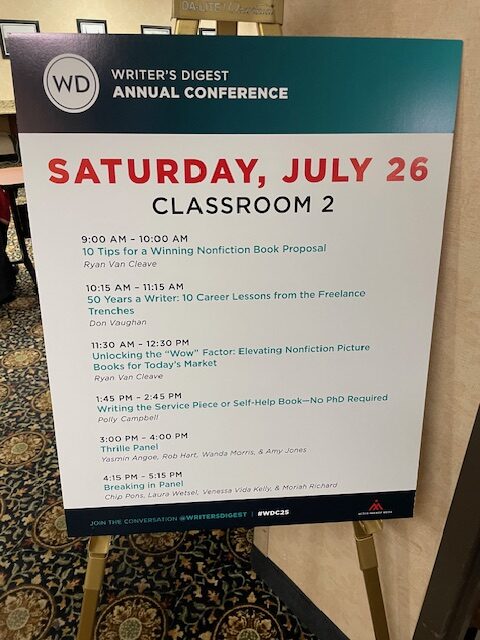
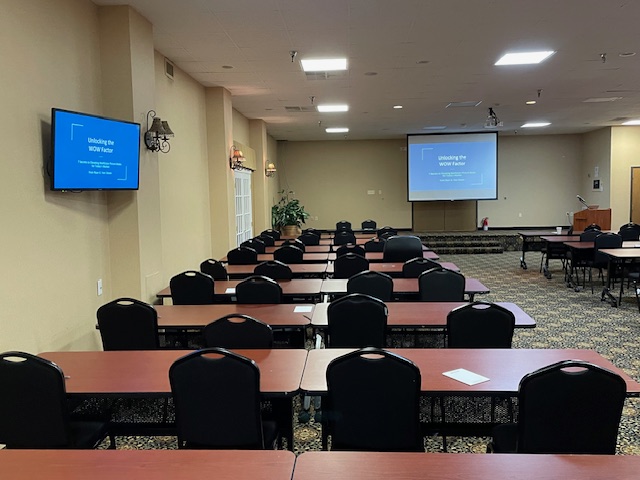
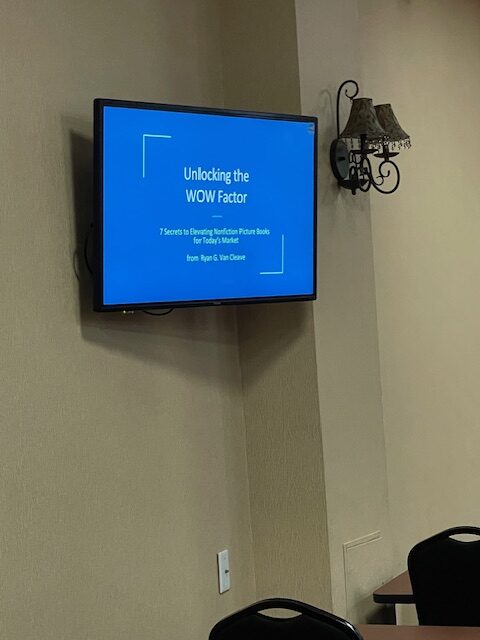
This past weekend, I presented at the 2025 Writer’s Digest Conference in Baltimore, and wow—the energy was electric. Thanks to Amy, Moriah, Taylor, Robert, and all the great folks at Writer’s Digest for putting this together!

This year’s event was packed with writers hungry to level up their craft. One of my sessions focused on a topic I’m deeply passionate about:

Unlocking the WOW Factor: Elevating Nonfiction Picture Books for Today’s Market.”

I wasn’t there to talk about writing “pretty good” books. I challenged attendees to aim higher—to create exceptional nonfiction picture books that stand out in a crowded market, grab editors by the collar, and genuinely move young readers. Yeah, I was asking for a lot.

So we dug into structure, format, voice, market positioning, and how to balance truth with emotion. I also shared tools and strategies I use with coaching clients to uncover the deeper purpose behind a manuscript—and how to get that purpose on the page without preaching or being pushy (wow that’s a lot of Ps in one breath there–good thing I didn’t try to slip in “keeping things palatable”!).

Since I purposefully didn’t schedule an interview for this week’s post,  I’m sharing a few great questions I got after the session—and how I answered them.


Post-​Talk Q&A: Nonfiction Picture Book Edition

Q: How can I make a STEM topic feel fresh if it’s already well-​covered?
The freshness isn’t in the topic—it’s in the angle. What emotional truth, surprising fact, or kid-​accessible entry point are you bringing that others haven’t?

Example: Honeybee: The Busy Life of Apis mellifera by Candace Fleming (illustrated by Eric Rohmann) doesn’t teach bee science in general. Instead, it tells the story of one specific bee’s life, from birth to death, and that intimacy is what makes it unforgettable. (Its great art helps, too!)

Honeybee: The Busy Life of Apis Mellifera

Warning: A lot of STEM drafts fail because they explain instead of engage. If your manuscript could be rephrased as a Wikipedia page, you’ve missed the “wow.” Facts are the floor of a nonfiction picture book–not the ceiling. Go further.


Q: My manuscript has a lot of information—how do I know what to keep?
To overcome this challenge, I ask my clients one question: What’s the “so what”? If a fact doesn’t serve the emotional or conceptual spine of the story, it probably belongs in the back matter—or the recycling bin. Less is almost always more.

Example: In The Secret Garden of George Washington Carver by Gene Barretta (illustrated by Frank Morrison), the text doesn’t try to summarize his whole life. It focuses on one powerful thread—how his love of nature, nurtured in childhood, shaped everything that came later.

Common trap: Trying to cram in every achievement. You’re writing a story, not a résumé. Focus beats breadth. Read Gene’s book and you’ll witness that in action.


Q: I love my subject. Is it okay if my book is more about sharing that passion than teaching a lesson?
Yes! But the key is making your passion contagious. Passion alone doesn’t sell a manuscript—clarity does. Readers need to know what they’re walking away with. Editors do too.

Example: Just Like Beverly by Vicki Conrad (illustrated by David Hohn) is filled with admiration, but it’s also anchored in story. It shows how Cleary’s struggles as a reader led to her voice as a writer, and it makes that emotional throughline clear for kids.

Myth to bust: Passion ≠ purpose. A glowing tone won’t save a muddy manuscript. Shape your admiration into narrative.


Q: Do editors really care about structure that much?
Absolutely. A well-​structured manuscript shows you understand the picture book form. That doesn’t mean your book has to follow a traditional arc, but it does need a logic, rhythm, and design that supports the story. Strong structure signals strong craft.

Example: The Great Stink by Colleen Paeff (illustrated by Nancy Carpenter) uses the buildup of pollution and pressure in Victorian London as a ticking clock. The structure mirrors the stakes, which makes the whole book more effective (and more fun to read).

Pitfall: Relying on chronology alone. A straight timeline is the easiest structure—and usually the least compelling. Ask what shape your story really wants to be.


I’ll be unpacking more of these ideas and creative challenges in future blog posts, conference workshops, and coaching sessions. If you’re ready to level up your nonfiction picture book game—or finally crack the code on a manuscript that just won’t sell—reach out. This is some the work I love most. Or join me for one of our ACQUIRED! workshops, where we help writers build up a marketable idea from scratch and get them on the path to success with a traditional publisher.

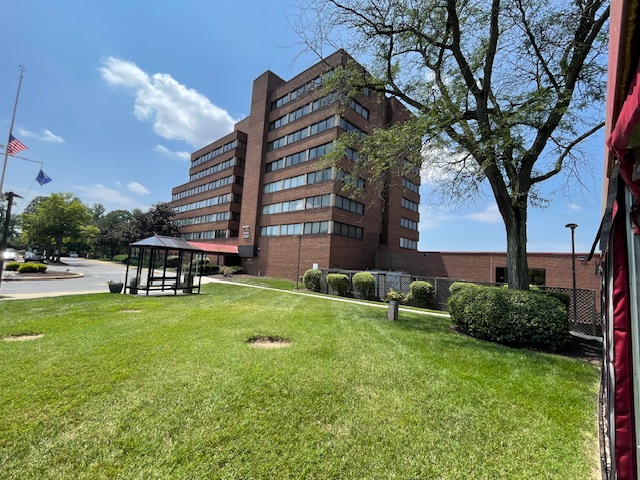
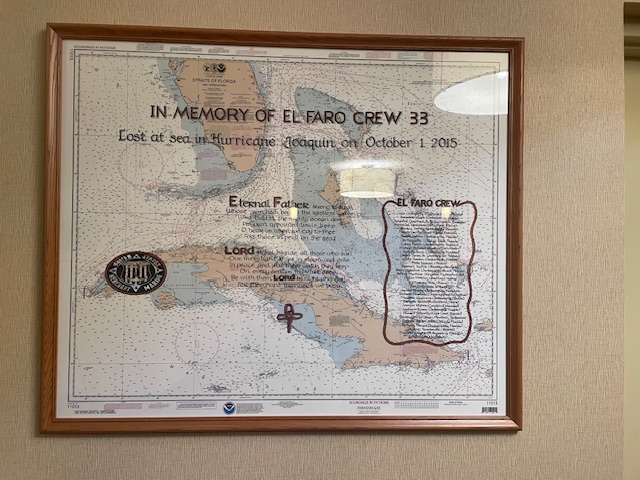
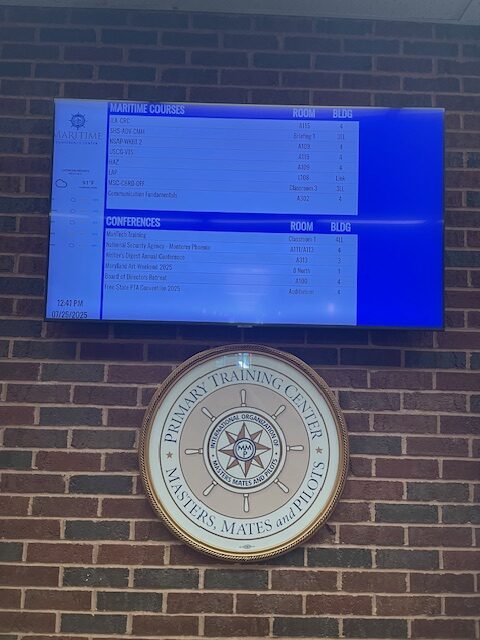
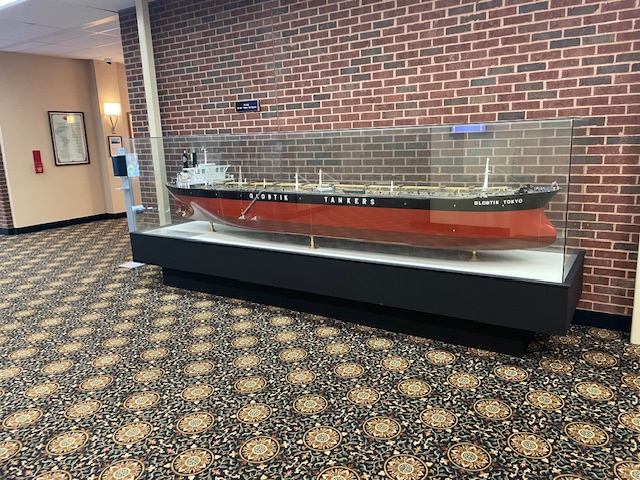
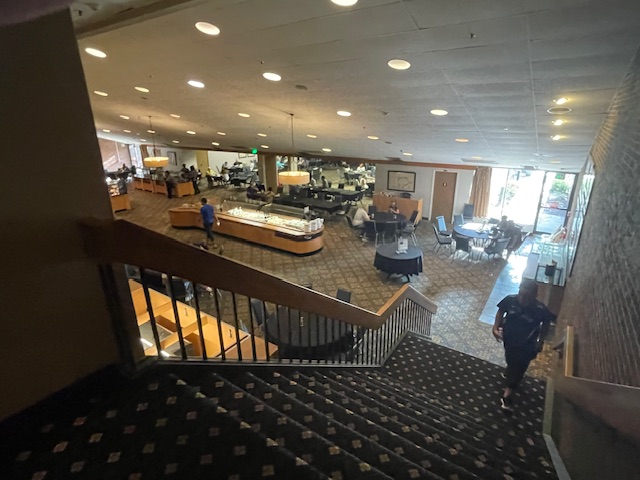
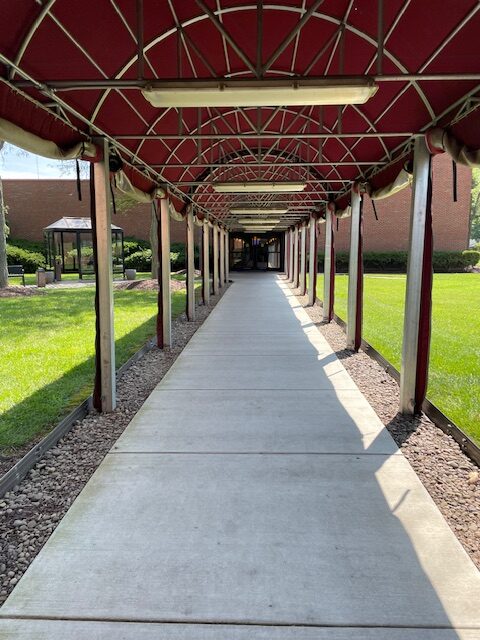
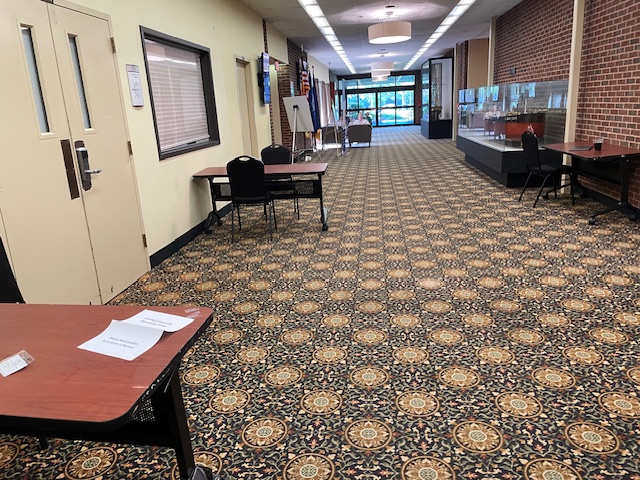
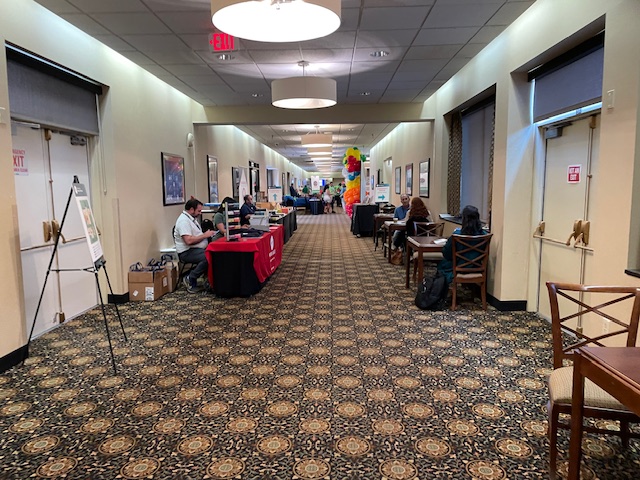
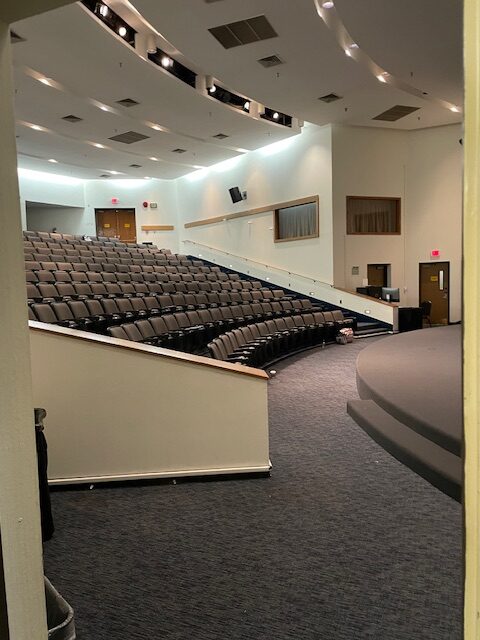
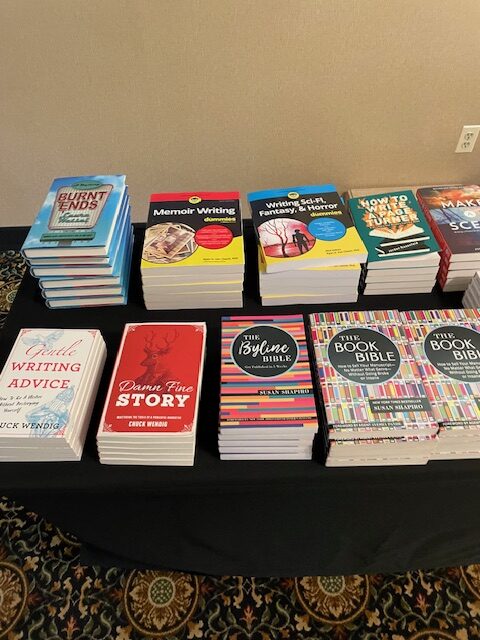
The weekend was packed, the conversations were rich, and the setting? Let’s just say the Maritime Conference Center was a refreshing change of pace—quirky, bright, and oddly perfect for a gathering of creatives. Scroll down for a few snapshots from the event and the vibes that made this conference one to remember.


Reading Activities: Chalk the Walk by Chelsea Tornetto, illustrated by Laurel Aylesworth

Chalk the Walk
Author: Chelsea Tornetto
Illustrator: Laurel Aylesworth
1 April 2025
Familius
32 pages

Book description from Goodreads: “Take to the sidewalk with this colorful picture book to inspire artistic expression and imagination!

Faded pavement.
Walls of gray.
Boring city streets?
No way!

Grab a piece of sidewalk chalk and join in the fun! Join a pair of adorable siblings as they explore the incredible power of a piece of chalk to transform the world around them. Joined by people of all ages from their neighborhood along the way, they use their bucket of chalk to make some sidewalk magic. With rhyming text by Chelsea Tornetto and increasingly colorful illustrations by Laurel Aylesworth, Chalk the Walk is a celebration of imagination.”


Need some reviews of Chalk the Walk?

As a special bonus, here’s an interview with the author at Sue Irwin’s website. Enjoy!


Reading Activities inspired by Chalk the Walk:

  • Before Reading–From looking at the front cover: 
    • What do you think this book will be about?
    • What kinds of things can you do with sidewalk chalk?
    • Have you ever made art that others could see in your neighborhood?
    • How do the colors on the cover make you feel?
    • What questions would you like to ask the author or illustrator before reading the book?
  • After Reading–Now that you’ve read the story: 
    • How do the children change the neighborhood with their chalk drawings?
    • Why do you think people were inspired to join in the fun?
    • What happens to the chalk art at the end of the story, and how do the characters react?
    • How does the book compare chalk to screen time?
    • What are some ways you’ve made your own fun without using screens?
    • Would you recommend this book to a friend? What part would you tell them about first?
  • Chalk It Forward
    The children in the story start a wave of creativity by drawing with chalk and it spreads to the whole community! Try it yourself: make a cheerful message or simple drawing on the sidewalk or driveway (with permission, of course). You might just brighten someone’s day or inspire a neighbor to add something of their own.
  • Color Our World
    In the book, dull gray spaces slowly fill with bright color. On a piece of paper, draw a scene in all grays. Then color in only one section. Maybe a balloon, a flower, or a chalk drawing. How does that pop of color change the mood? Try doing a second version where everything is bright.
  • Sidewalk Storytelling
    Use chalk to create your own story across several sidewalk squares or blocks. Each square can be a different part of your story: the beginning, the middle, and the end. Invite a friend to read your story as they walk!
  • Screen-​Free Saturday
    Plan a whole day of screen-​free fun, inspired by this book. Make a list of things you can do: build with blocks, play dress-​up, read a book, draw with chalk, make a snack, or put on a puppet show. Can you go the whole day without using a tablet or TV?
  • Books, Books, and More Books!
    Check out these real-​world picture books about creativity, outdoor fun, and screen-​free play:


Chalk by Bill Thomson

A wordless picture book where chalk drawings come to life…until things get a little too real!


Hello Hello by Brendan Wenzel

This visually dazzling book celebrates connection, color, and noticing the world around you. No screens needed!


On a Magical Do-​Nothing Day by Beatrice Alemagna

A rainy day and a bored child lead to a magical outdoor adventure.


Sidewalk Flowers by JonArno Lawson, illustrated by Sydney Smith

In this wordless story, a girl collects flowers on a city walk, quietly transforming her world with small acts of kindness.


Sidewalk Chalk by Jen Fier Jasinski, illustrated by Lea Marie Ravotti

From the publisher: “Imaginations soar when a group of neighborhood children scritch, scribble and scrawl in a rainbow of colors, crafting lovely works of art. But one little girl watches from afar, unsure how to contribute her own colorful creations. After gathering her courage, she misses the chance to grab the last piece, until a familiar face shows her how to draw with nature’s chalk — a soft piece of rock. But then raindrops begin to fall and time is cut short, causing the lovely colors to fade into memories. In the morning, a new day begins, and the girl leads the way in welcoming a new friend to this creative community.”

This one’s not out yet, but go ahead and preorder it!

Expanding Weeks 2 & 4: And a Real Talk on Ghostwriting and Invisible Work

If you’ve been following OPB lately, you might’ve noticed that our Week 2 and Week 4 posts have started stretching a little. Originally, Week 2 was meant to focus strictly on interviews with authors or illustrators. Week 4 was for interviews with industry insiders. And while we love interviews (and have some great ones coming soon), we’re also opening the door a little bit wider now.

So, expect to see more process deep-​dives, craft essays, and behind-​the-​scenes reflections—anything that helps peel back the layers on how picture books really get made, sold, shaped, and shared. Week 2 is for the creatives; Week 4 is for the industry-​minded folks. But there’s plenty of overlap, and honestly? That’s where things get interesting.

Last week, for example, I was talking with a writing client who’s just landed her first picture book deal—and now she’s starting to think about how to build her career from here. She asked a smart question:

Should I say yes to ghostwriting or IP work, or will that hurt my chances of getting future books under my own name?”

9 Secrets of Ghostwriters | Mental FlossI’ve heard versions of this question before. And it’s a good one, because the answer is complicated.
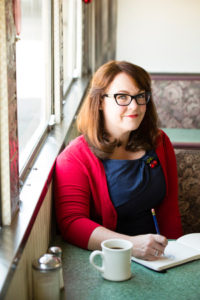
I told her that ghostwriting and IP (intellectual property) work can be incredibly fulfilling—and often financially solid. Here are some other cool aspects about it:

  • You get to work on commercial, high-​concept books.
  • You learn to write on deadline.
  • You collaborate with editors, designers, and marketing teams.
  • You stretch muscles you didn’t even know you had.

But there’s a catch: sometimes, your best work disappears.

I know this firsthand. I’ve got books on shelves right now—books I’m proud of, books that sell well, books that connect with kids—but they don’t have my name on them. They’re part of brand-​driven IP lines, or they were ghostwritten for public figures. In fact, many of my biggest publishing successes don’t show up in my official bio.

That becomes a problem when editors and acquisitions boards are trying to “see the whole picture” on a potential author before pitching a project internally or pulling together a P&L report. They’re wondering:

  • What’s their track record?

  • How many books have they sold?

  • Do they have experience delivering under pressure?

  • Are they promotable?

  • Are they likely to stick the landing during revisions?

  • Will this book stand out—or get lost on a crowded list?

If your best work is invisible, it doesn’t factor in. So, here’s what I shared with my client–in bullet format, since I’ve been feeling bullet pointy in this post (apparently!):

The Pros of Ghostwriting and IP Work
• You get paid to write. (That’s no small thing.)
• You sharpen your craft and build confidence.
• You expand your network with editors and publishers.
• You often get insider access to what’s trending in the market.
• You prove—sometimes to yourself—that you can deliver.

The Cons
• You usually don’t own the work.
• You may not get public credit.
• You can’t always list the book in pitches or proposals.
• You’re building someone else’s brand, not your own.

In the end, it’s about knowing what you’re signing up for. If your goal is to boost visibility and build your personal brand, it may slow things down. But if you’re looking for experience, income, and a way to keep your creative muscles active? It can be a great way to grow.

There’s no one “correct” path in this business. Some of the most seasoned writers I know have built long, successful careers that no one outside the industry knows about, and yet their fingerprints are everywhere. Is someone going to argue that their career isn’t worthwhile? Not me.

And that’s what I shared with my client, adding that the work matters—even if your name doesn’t always show up on the cover. So does the growth, the hustle, the collaboration, and the choice to keep showing up with something to say.

At OPB, we’re here for all of it. The front-​facing triumphs, the behind-​the-​scenes wins, and the quiet stories that help make the loud ones possible. Stay tuned for more creator-​focused topics like this. Because sometimes, pulling back the curtain is the story.

Picture Book Review: Where Are You, Brontë? by Tomie dePaola, illustrated by Barbara McClintock

Author: Tomie dePaola
Illustrator: Barbara McClintock
Simon & Schuster Books for Young Readers
6 May 2025
48 pages

This month’s PB review is by Ryan G. Van Cleave (Owner/​Operator of Only Picture Book) and freelance author/​illustrator Kelly Light.

–Ryan’s Review of the Writing–

Tomie dePaola’s final text is a quiet, tender farewell from one of picture books’ greats. In a simple, sincere, and exquisitely spare text, dePaola reflects on his years with his beloved dog, Brontë, from her arrival as a puppy to the gentle ache of her absence and the solace of memory.

This is a book of deep feeling, told plainly. The repetition of the title phrase, “Where are you, Brontë?,” becomes a lyrical heartbeat through the pages, an emotional throughline that brings together the past and present. Each scene (such as Brontë sleeping in her crate, bringing toys to the studio, adapting to blindness) is rendered in emotionally rich but unembellished language. The restraint is part of what gives this story its power, but the soft art helps accentuate things. I’ll Kelly explain the what, how and why about that more fully.

There’s no high concept here or big plot twist–just the pure, loving recollection of a life lived beside a treasured companion. For this reader, that’s enough. Honestly, it’s more than enough because it’s real and it speaks to the kind of bond that transforms us. Essentially what begins as a personal story becomes a sweet universal one.

Parents and educators may find this a meaningful way to talk with children about aging, grief, and remembrance. While the emotional tone skews gentle and accepting, this is a book that doesn’t shy away from sadness. And yet, it leaves us with light: “still with me, in my heart forever.” A poignant coda from a master storyteller.

4.75 out of 5 pencils

–Kelly’s Review of the Illustrations–

Barbara McClintock’s illustrations for Where Are You, Brontë? are a tender, visual homage to two beloved figures: the late Tomie dePaola and Brontë, his adored dog. McClintock, herself a master of illustration, steps into a gentler, simplified style reminiscent of dePaola’s, adopting his soft, warm palette with grace and restraint. The result is not imitation, but —one artist allowing herself to be guided by the work of another to create a beautiful tribute.

Having had the rare gift of meeting both Tomie and Brontë, I can say McClintock has captured them perfectly. Tomie’s home—his real New Hampshire haven—is depicted with accuracy, charm, and the art and beauty that surrounded him. The house becomes more than a setting; it is a memory preserved. The carefully placed aqua throughout the book made me smile, evoking memories of his beautiful home.

And then there is Brontë: loyal, slightly mischievous, and always close to Tomie’s side. The story’s simple quest—searching for the missing Brontë—gives McClintock the framework to wander through moments of shared life, letting us see the bond between man and dog, artist and muse. The illustrations never overreach. Like Tomie’s own work, they are deceptively simple, characterized by clear lines, soft textures, and a palette washed in affection. McClintock’s work is typically characterized by the elegant, weighted lines of classic illustration from a much earlier era. Her restraint here proves that sometimes less can be more. DePaola was an illustrator who distilled shapes and lines to their essence, and here, that flows through McClintock’s hand.

McClintock’s reverence for dePaola is palpable, but so is her confidence. She is not trying to be Tomie—she is honoring him. The result is a book that feels like sitting in a sun-​warmed chair, paging through memories that are tender, funny, and full of quiet grace.

Where Are You, Bronte? is not just a tribute. It is a reunion, for fans, for those of us who knew the joy of Tomie and Brontë in real life and most importantly for young readers.

4.75 out of 5 colored pencils


Kelly Light lives in Amherst, MA but grew up down the shore in New Jersey surrounded by giant pink dinosaurs, cotton candy colors, and Skee-​Ball sounds. She was schooled on Saturday-​morning cartoons and Sunday funny pages. She picked up a pencil, started drawing, and never stopped.

Kelly is the author/​illustrator of the Louise series. Louise Loves Art and Louise and Andie, The Art of Friendship are the first two picture books in the series. Louise Loves Bake Sales and Louise and The Class Pet are the first readers in HarperCollins’ I Can Read program.

Kelly has also illustrated Elvis and the Underdogs and Elvis and the Underdogs: Secrets, Secret Service, and Room Service by Jenny Lee, and The Quirks series by Erin Soderberg, as well as the upcoming 2026 picture book release written by author Samantha Berger, Corny, with Henry Holt & Co.

Website: www.kellylight.com