Five-​Word Reviews: November Picks

Fresh releases, sharp impressions—five-word snapshots of picture books worth noticing.

Turns out, five words go a long way. I’ve done quite a few of these picture book speed-​dates this year, and they’re still one of the most-​requested features on the blog. No theme this time—just a fresh mix of the funny, strange, and beautifully told. Maybe one will follow you home.


And They Walk On
Author: Kevin Maillard
Illustrator: Rafael López
Roaring Brook Press
14 October 2025
4o pages

Ryan’s five-​word review: Grief walks beside us, gently.

4.5 out of 5 memory seeds 🌱


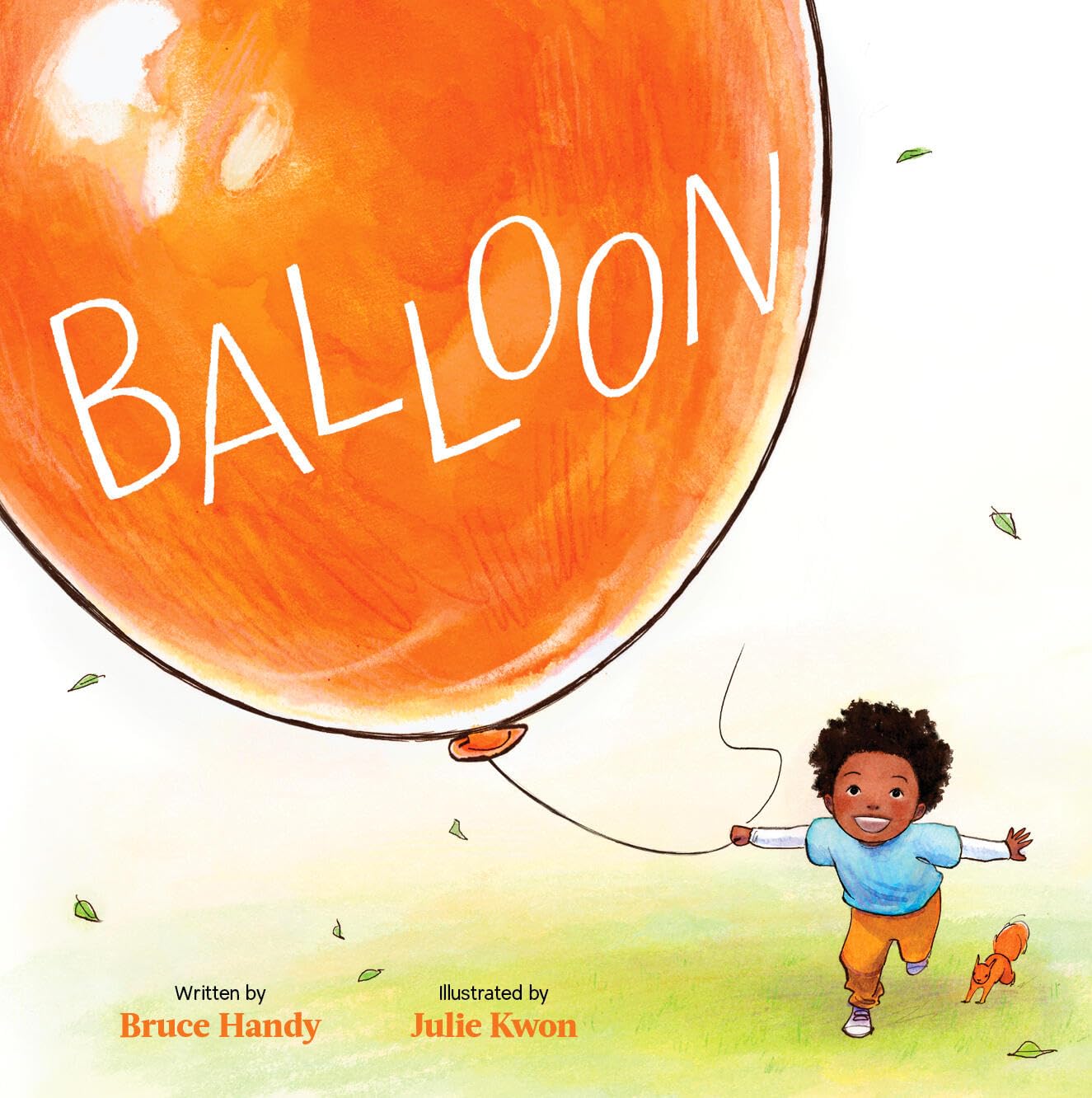
Balloon
Author: Bruce Handy
Illustrator: Julie Kwon
Chronicle Books
14 October 2025
44 pages

Ryan’s five-​word review: Tender hearts float, then land.

4.5 out of 5 orange strings 🎈


Moon Song
Author: Michaela Goade
Illustrator: Michaela Goade
Little, Brown Books for Young Readers
7 October 2025
40 pages

Ryan’s five-​word review: Dark woods glow with wonder.

4.5 out of 5 moonlit paths 🌕


Seven Babies
Author: Forest Xiao
Illustrator: Forest Xiao
Candlewick
26 August 2025
32 pages

Ryan’s five-​word review: Baby blitz. Love multiplies fast.

4.25 out of 5 bath splashes 🛁


Yellow Is a Banana
Author: John Himmelman
Illustrator: John Himmelman
Harry N. Abrams
7 October 2025
40 pages

Ryan’s five-​word review: Sibling logic spirals. Language mayhem.

4.25 out of 5 sibling standoffs 🧦

Industry Insights: 11 Green Lights (and 5 Red Flags) in Editorial Assistant Applications

I recently hired an editorial assistant at my press, and the submissions were pouring in—hundreds of emails from eager applicants hoping to land a first job in publishing. After combing through the first few dozen, patterns start to leap off the screen. Some made me think yes, please. Others sank themselves before I even opened the attachment.

That made me realize this was a timely topic for an Industry Insights piece. So, here we go! Your mileage may vary with the following, but if you gave me a root beer and asked for my advice, this is more or less what I’d offer if you asked me.


If you’re applying for an entry-​level editorial role—or any publishing position that involves words, organization, and people—these are the signals that stand out for all the right reasons.


Green lights

  1. A subject line that says the job and your value
    “Editorial Assistant application – copyediting + kidlit marketing experience.”

  2. A three-​sentence opener that orients me
    Who you are, what you’ve done, what you can do for this role. Clear and human.

  3. Evidence you understand children’s books
    Name two or three recent picture books by title and publisher and one sentence on why they work.

  4. Proof you can handle details
    One paragraph describing how you track tasks, version files, and meet deadlines.

  5. Clean, calm formatting
    Consistent headers, white space, one font. No design experiments.

  6. A real line about why this press
    Show me you looked at our list. Mention a title and connect it to your skills.

  7. Transferable skills with receipts
    “Managed a 200-​entry submissions inbox with a 48-​hour acknowledgment target.”

  8. Comfort with the tools
    State proficiency levels for Google Workspace, Track Changes, Airtable, or Sheets, Zoom.
  9. Professional presence online
    If you include a website or LinkedIn link, make sure it’s current, typo-​free, and reflects the kind of work you want to do. I always check.

  10. Service mindset
    One sentence that shows you anticipate needs: scheduling, prep docs, recap notes.

  11. A respectful close with one ask
    “I’m glad to complete a short paid task if helpful. Thank you for the consideration.”


Red flags

For every polished, intentional application, there’s another that goes sideways in seconds. None of these mistakes are fatal—but each one quietly signals inexperience or carelessness.

  1. Generic cover letters that could go anywhere
    If I can swap in another press name and nothing breaks, I assume you didn’t prepare.
  2. Fuzzy timelines
    If your résumé lacks dates or uses vague ranges, I wonder what’s missing.
  3. Attachments named “Resume.pdf” or “document”
    Files without your name disappear fast in busy inboxes.
  4. Samples I cannot open
    Make sure permissions are appropriately set. Test them while logged out.
  5. Over-​promising
    Keep claims specific and verifiable. Confidence is welcome. Inflating is not.

One last thing

Every job in publishing starts with trust. Can you handle words carefully? Can you manage people’s work and time respectfully? Those answers begin forming the moment your email lands. The best applications feel like a preview of how you’d operate on the job—organized, thoughtful, and aware that someone’s time is on the other end of the screen.

Publishing is a relationship business, even at the inbox level. The way you apply becomes the first example of how you’ll edit, communicate, and collaborate once you’re in the door.

I tell my students this all the time. EVERYONE remembers the candidates who made their job easier. That’s the real first impression.

Reading Activities: The Glass Pyramid: A Story of the Louvre Museum and Architect I.M. Pei


The Glass Pyramid: A Story of the Louvre Museum and Architect I.M. Pei
Author: Jeanne Walker Harvey
Illustrator: Khoa Le
27 May 2025
Atheneum Books for Young Readers
40 pages

Book description from Goodreads: “In 1981, I. M. Pei was on a mission. A successful architect known for his modern designs, Pei was asked by the French president to redesign the Louvre Museum in Paris, home to the Mona Lisa and now famous for the glass pyramid at its center. At the time, the Louvre had many problems and no pyramid.

Pei faced many obstacles, including discrimination because he was Chinese American. Determined to succeed and make the Louvre a welcome place for all, Pei worked hard—and sometimes in secret. This is the story of a visionary who worked patiently and persistently to solve problems and achieve his to plant and grow a glass pyramid.”


Need some reviews of The Glass Pyramid?


Reading Activities inspired by The Glass Pyramid:

  • Before Reading–From looking at the front cover: 
    • What might the title The Glass Pyramid suggest about what’s inside?
    • What shapes and patterns stand out most on the cover? What do they make you think of?
    • The book shows both an old museum and a modern pyramid. How do you think those two things might fit together?
    • What do you already know (or wonder) about the Louvre Museum or the artist I.M. Pei?
    • What questions would you like to ask the author or illustrator before reading the book?
  • After Reading–Now that you’ve read the story: 
    • What problem was I.M. Pei asked to solve, and how did his design address it?
    • What parts of his childhood or heritage influenced his ideas for the pyramid?
    • How did Pei respond when people criticized or doubted his plan
    • What do you notice about how the illustrator balanced old and new throughout the pages?
    • What message about creativity or persistence do you think the author wants readers to remember?
    • If you could ask I.M. Pei one question about his work, what would it be?
  • Design Your Own Landmark: Imagine you’re an architect like I.M. Pei. Choose a famous place that feels too crowded or confusing. On blank paper, sketch a new entrance or structure that could make it better. Label the materials you’d use and explain what inspired your design.
  • Light & Reflection Experiment: The Louvre pyramid is all about glass and light. Using a flashlight, mirror, or window, explore how light changes when it hits different materials—clear plastic, foil, colored cellophane. What patterns or reflections do you see?
  • Shape Scavenger Hunt: Walk around your home or classroom and find shapes that repeat in Pei’s architecture—triangles, squares, and diamonds. Take photos or draw what you find. Which shape seems most powerful to you?
  • Letter to a Visionary:
    Write a short note to I.M. Pei thanking him for something you learned from his story. What lesson from his life could help you face your own challenges?
  • Bridge of Cultures Collage: Pei connected Eastern and Western ideas through his design. Create a collage with magazine images or digital art showing two styles—old vs. modern, natural vs. man-made—and find a way to blend them into one harmonious picture.
  • Books, Books, and More Books! Check out these picture-​book biographies that celebrate design, creativity, and problem-solving:


Dreaming Up: A Celebration of Building by Christy Hale
A poetry-​plus-​photography celebration linking kids’ building play to real architecture.

The inspiring journey of Mae Jemison, whose persistence lifted her all the way to space.

Prairie Boy: Frank Lloyd Wright Turns the Heartland into a Home by Barb Rosenstock, illustrated by Christopher Silas Neal
A lyrical portrait of young Frank Lloyd Wright, whose love of prairie light and open spaces shaped the way he imagined buildings forever.

A joyful story about creativity, courage, and finding your own shade of inspiration.

The World Is Not a Rectangle: A Portrait of Architect Zaha Hadid by Jeanette Winter
An engaging look at how an Iraqi-​born woman re-​imagined what buildings could be.

Author Interview: Joan Schoettler

This month, we’re featuring Joan Schoettler, author of Books Travel the World, which I had the pleasure of editing for Bushel & Peck Books. Joan’s writing carries a quiet beauty and a deep sense of care for story and history. Her verse novel The Honey Jar: An Armenian’s Escape to Freedom won the California Book Award Gold Medal for Juvenile Literature, and her picture book Good Fortune in a Wrapping Cloth received the APALA Award.

A longtime educator and literacy advocate, Joan blends research, heart, and lyricism in ways that stay with readers. She lives in central California, where she enjoys reading, gardening, and traveling with her family.

Let’s dive into this interview and learn more about Joan right now!


RVC: Joan, you’ve worn many hats over the years—professor, poet, and kidlit author. What drew you to children’s books in the first place? 
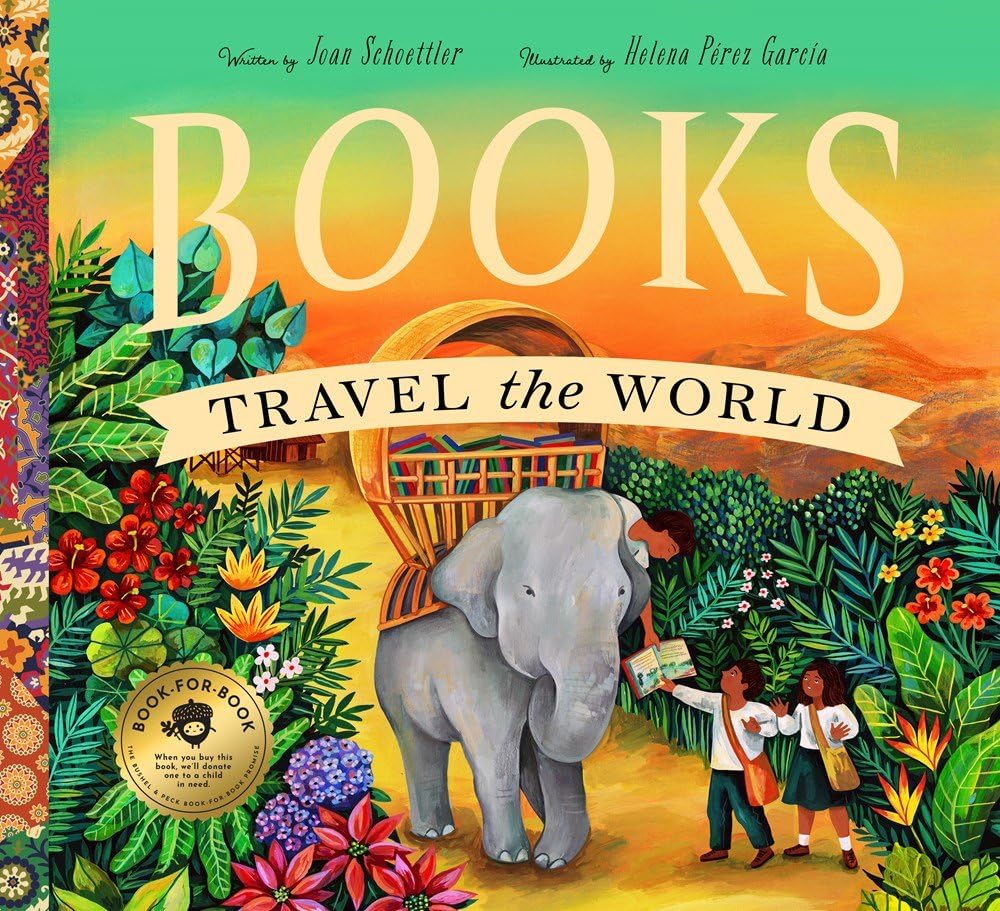
JS: Thank you for the opportunity to talk with you about writing today. Your editorial notes and comments for Books Travel the World definitely brought insights that tightened and enriched my story. Much appreciated.

RVC: Happy to help!

JS: I struggled with reading until about the third grade, and I remember my parents worrying about me learning to read. My mother took advantage of having a library walking distance from our home and took us often. I liked going there, especially when I could read the books.

My 5th grade teacher turned the coat closet at the back of the room into a classroom library where books invited us to explore fiction, non-​fiction, and poetry. Characters in books felt like friends. Reading became a constant in my life. To this day, my friends and I continue to talk about and share books.

RVC: You earned a BS in Social Science at San José State University. What was the plan with that degree?

JS: Finding my purpose has been and continues to be part of my life journey. When I reflect on your questions, I step back into my childhood home where my mom’s friend shared her copies of National Geographic magazine. My interest in cultures around the world stemmed from looking at unique photographs and reading stories of people and societies from around the world. My curiosity in social studies took hold in school where various cultures were explored. My favorite part of the school day began with maps and photographs and stories of people who lived in faraway lands. As time went on, studying and learning about different cultures and sharing them with others, felt right, so I focused my education on social studies and teaching.

I began teaching in elementary school but soon decided to focus on one subject instead of teaching across the curriculum. Children’s literature? Art? Social Science? My desire to deepen my understanding of how reading persuades, informs, and entertains led me to study children’s literature, but my curiosity and regard for art and discovering communities and how they interact over time remained strong. Becoming a writer never crossed my mind.

RVC: Yet at some point, you realized that you wanted to write and publish books for children.

JS: After many years of studying, teaching, and immersing myself in children’s literature, three different episodes came together and nudged me forward. At lunch with a famous children’s author, I asked her where all her stories came from.

Why, inside.” Then she pointed her finger to me and said, “They’re inside you, too, Joan. You just have to let them out.” I didn’t believe her, but a seed was planted.

Around the same time a child asked me if I ever wrote stories and why I always made them write and share their stories but if I didn’t write any stories myself. I paused again. His question challenged me. A short time later, I read an obituary about a well-​known storyteller who had taught me and whom I greatly admired. I sat down that morning and putting pen to paper, I wrote my first story. It was about a storyteller.

RVC: How did that growing interest in writing connect with your interest in education?

JS: While many authors have known they wanted to become a writer, my desire to write came after a long career in children’s literature. My love of children’s books, sharing them with young readers in my early teaching career, delving into the world of children’s literature as I pursued a Master’s Degree in Literacy, and teaching children’s literature, storytelling, and reading and writing at the university, took hold.

With young readers and university students we examined children’s books; interweaving the main components of writing, exploring the art of storytelling, and focusing on the powerful visual impact illustrators use to bring stories to life. We read poetry and investigated nonfiction. We studied authors, their books, and their lives. We compared different versions of biographies of the same person and various adaptations of fairy tales. We studied memorable, engaging characters, universal themes, creative setting, captivating plots, and the main components of illustrations in children’s books. The years of reading and delving into books set the groundwork for writing.

RVC: When/​why did you make the full commitment to writing books for kids? 

JS: When I finally took pen to paper, my writing journey began. I joined a children’s writing critique group, and their support, encouragement, and creativity invited me to follow a writing path. Many drafts, many rejections, and many years passed before my first publication. But as I reflect on the years I read to and with children, all the ways we studied literature together, and all the interactions with teachers and librarians along the way, I realized how my life experiences prepared and guided me to begin writing. I’m honored to share my children’s books with young readers, parents, teachers, and librarians.

RVC: Let’s talk about your first published picture book. What’s the story behind that story?

JS: Visiting museums ties into my curiosity of cultures. The Asian Art Museum in San Francisco displayed an exhibit on Korean bojagi. I’d never seen Korean wrapping cloths before, and they captured my imagination. Chungie Lee, a well-​known Korean fiber artist, had created a large bojagi with stencils of Korean women who were bojagi artists from the 1800s. I wanted to know the story behind these women. Who were they? What invited them to create works of art passed on for centuries? What drove them to meticulously sew stitch after stitch to create works of art from scraps of fabrics?
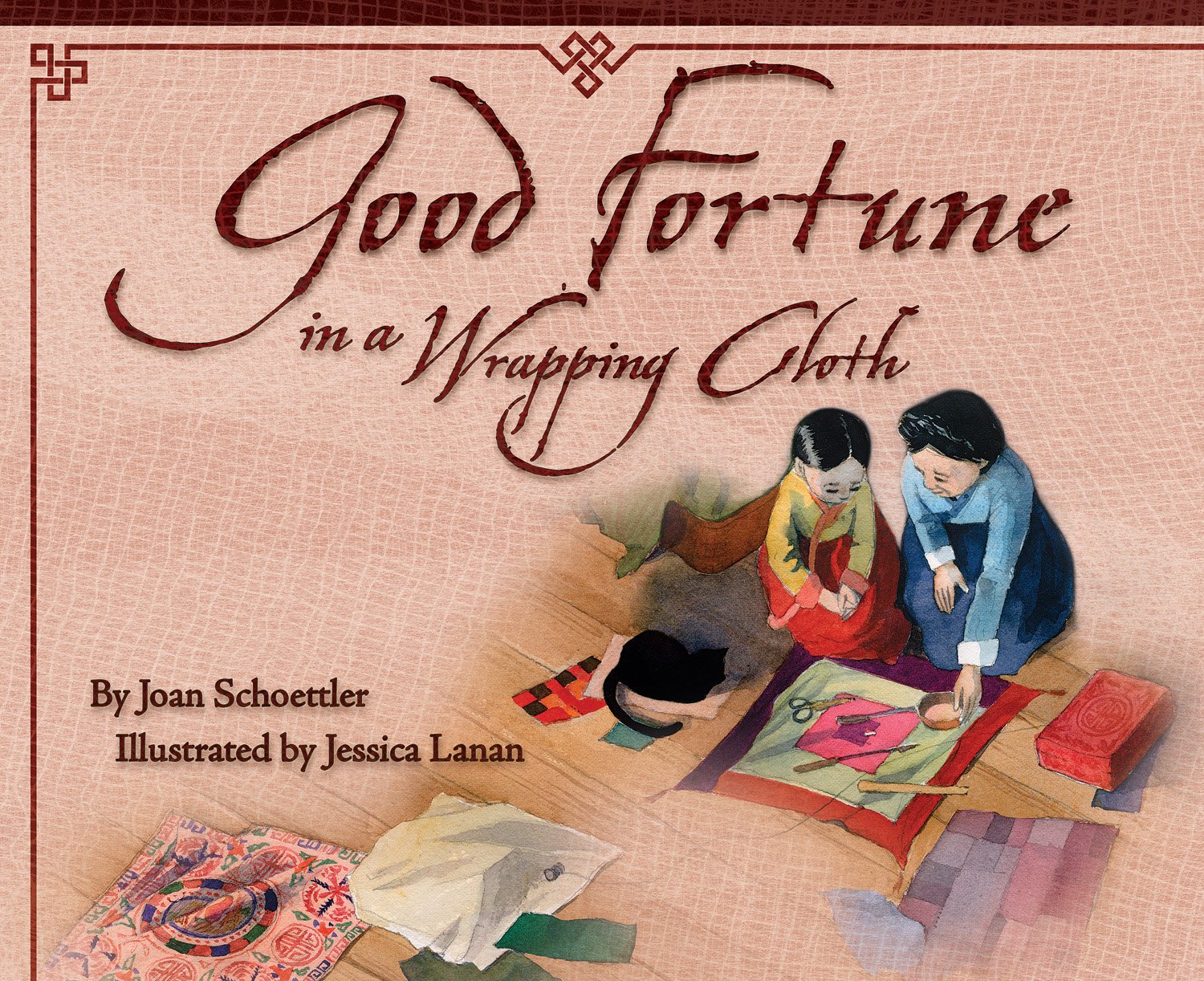
I learned the women offered good luck, good fortune, and good health with each stitch, and that knowledge and art led to my first children’s picture book, Good Fortune in a Wrapping Cloth.

RVC: What’s the best lesson that book taught you?

JS: Writing is more than just the story. Gifts abound in unexpected places. Research opens doors to knowledge, art, and community. The outreach of curators at Asian museums offered insights in history and opportunities to learn about the Korean culture far beyond my inquiry regarding bojagi. Invitations to speak and sign my book at museums, in private homes, and at Korean schools and community centers enriched my learning and experiences beyond what I imagined.
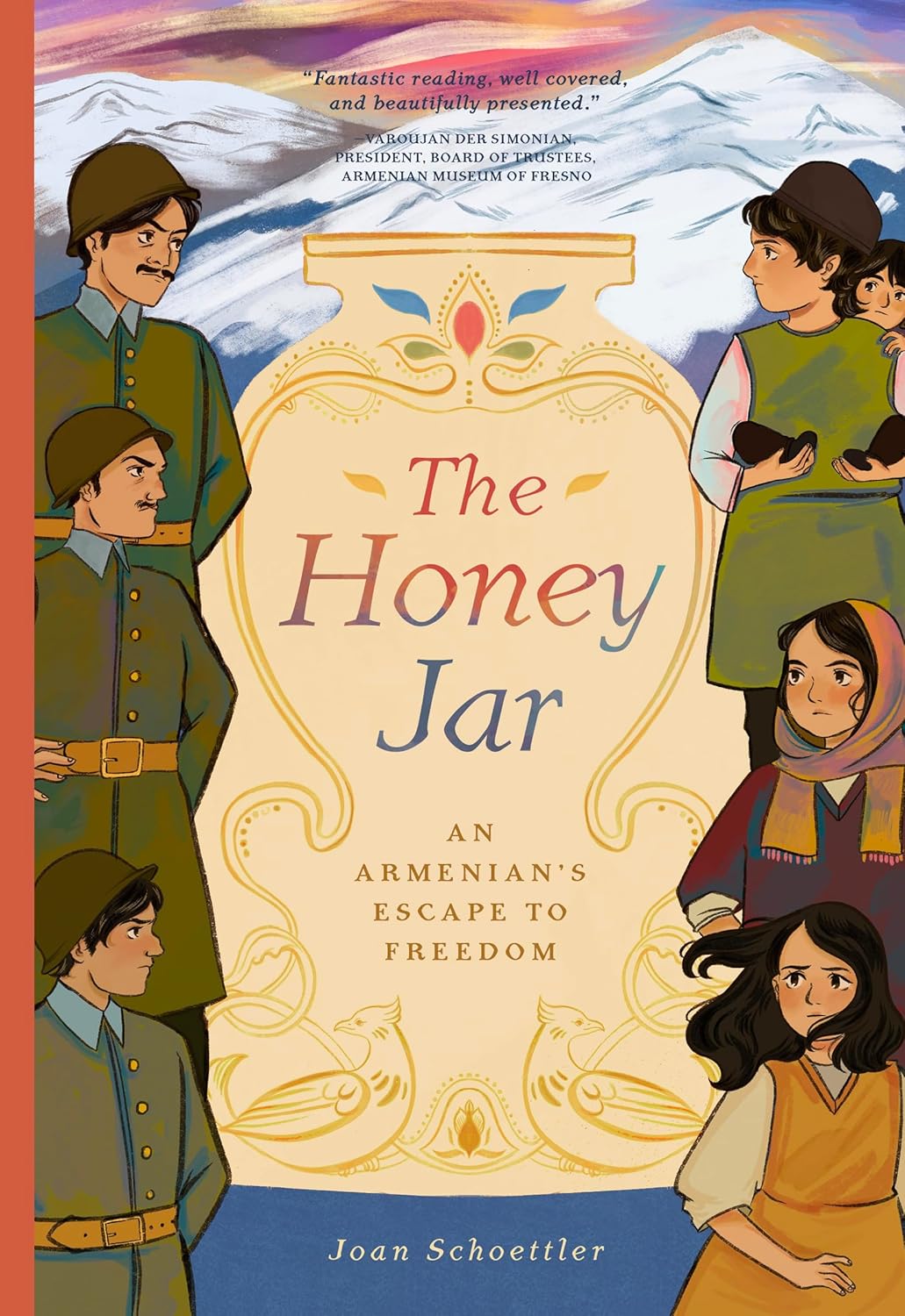
RVC: The Honey Jar takes place in the Middle East, while Good Fortune in a Wrapping Cloth focuses on Korean culture. What does your research process look like when writing cross-​cultural stories?

JS: My research begins like broad strokes across a blank sheet of paper. Questions abound. Family life. Homes. Food. Rituals. Education. Clothing. Jobs. Responsibilities. Children’s play. One leads to another. Large questions break off into smaller ones. I believe what is written on the final pages of my books is a fraction of the knowledge I’ve gained in learning about a culture. Books about art and history, primary sources and interviews, and deep research is imperative. Stacks of picture books fill my arms as I depart from the library.

Cross-​cultural research examines people and their behaviors from one culture to another. Through in-​depth research the knowledge of different cultures–their customs, their foods, their homes–begin to create a framework for the story. Diversity of cultures found throughout the world demonstrate a richness in people values and beliefs, rituals, interactions, and language. This diversity must be honored and shared. But the belief in the family unit, the power of loss and love, and working through conflict to find your identity are universal themes.

RVC: Speaking of stories about more than one culture…let’s leap over to your new one—Books Travel the World. Where did that idea come from?

JS: Do you remember earlier I mentioned my initial interest in cultures through National Geographic magazines? That carried through in what I studied in college. It is woven through my life. When I reflect on the stories I have written and stories I hope to write, my interests cross many cultures. Tie that into my dedication of a lifetime of working in children’s literature and my belief in getting books into the hands of children whether locally, nationally, or internationally, Books Travel the World seems like a culmination of what I believe in. I want to honor all of the people throughout the world who remain dedicated to their belief in the importance of reading and that reading will make a difference in the world.

RVC: What was the biggest challenge with writing that book? Was it the research rabbit hole or something else?

JS: Learning about all the dedicated people who believe in the importance of literacy inspired me so the research was delightful and heartwarming. Writing a text for young readers became my challenge. The teacher in me wanted to make sure the readers saw all the creative possibilities literature offers after the reading. The sharing of stories, the art, the drama, the creativity, and the inspiration for the reader found in books was important to share with the reader too. While I wove these components organically into the text, I also included information in the back matter of ways to extend the literary experience with the reader.

RVC: Now that the book is done and out, I can ask this question. What are you happiest about?

JS: Two elements come to mind. Helena Pérez-Garcia’s vibrant and eye-​catching illustrations bring the story to life! In reading the story to children, their chiming in on the refrain, “One more story please!” warms my heart. I hope all parents, teachers, and librarians listen to that request and read “one more story.”

RVC: What are some of the fun things you’ve done to promote that book?

JS: Enjoying signing at bookstores, meeting librarians at ALA and sharing my book with them, inviting children to write postcards to the librarians in the book, and participating in district librarian meetings where the outreach goes directly to the librarians of schools are some of the important components of promotion for Books Travel the World. With other books, I’ve presented and signed at museums, schools, festivals, and book clubs.

RVC: What’s the most important thing people should know or understand about librarians?

JS: Librarians are essential to providing access to books, information, and research. Librarians work in libraries, hospitals, law firms, medical research labs, and universities. School librarians empower students to embrace curiosity and learn independently through their knowledge of books and technology. “Students with access to well-​resources libraries with certified librarians consistently perform better academically.” (Center for American Progress. April 18, 2024)

RVC: Let’s talk about process. What’s your writing process like these days? Has it changed over the years?

JS: In some ways, I find the writing process overflowing beyond the time sitting in the chair at my desk. Spending time at museums, plays, movies, concerts, and, of course, in nature inspire me. The creative self needs to be nurtured. Daydreaming opens new pathways in a story. Journaling allows me to listen closely to characters, to embellish settings, and to learn more about myself. I write picture books and middle grade novels, so I always have stacks books to nudge me on my writing journey. I usually have three projects at different stages in place. Incubating new ideas, writing the early drafts, and editing others fill my days. After walking or yoga, I keep my mornings for writing and often return to it again in the afternoon. My critique group has been meeting weekly for twenty years. Their insights, support, and encouragement are ongoing and essential to my work.

RVC: What’s a topic you haven’t written about yet but would love to explore in a future book?

JS: I’m going to keep you in suspense regarding this question. I keep my future projects close but will let you know when something new is coming.

RVC: In all of your experience as a kidlit author, what has most surprised you?

JS: First, I’m surprised how story ideas come to me: at museums, in gardens, in conversations, and obituaries. My writing is enriched by learning from research and experts. Amazing opportunities open up like private museum tours, meeting family members of people I’m researching, and invitations to weekend-​long workshops.

RVC: Since COVID, I try to ask at least one health and wellness question in every interview. Here’s yours. What’s your favorite thing to do to de-​stress or defeat negativity?

JS: After indulging in chocolate, my stress relievers are going for a walk, riding my bike, or spending time in the garden listening to birds, watching squirrels, and enjoying the beauty of nature. Sometimes a nap works too!

RVC: Last question for this part of the interview. What’s next for you? Are there any upcoming books or projects you’re excited to share?

JS: I’m pleased to share A Doctor at Heart: The Groundbreaking Story of Scientist and Educator Vivien Thomas, my upcoming picture book, with you (Beach Lane Books: May 12, 2026). A few other stories are making the submission rounds. A new story has been begging for my undivided attention. I’m excited to delve into another culture to share a universal story of family, dreams, and creativity.

RVC: Alrighty, Joan. It’s time for the SPEED ROUND. Short and sweet questions followed by zippy-​skippy answers. Are you ready?

JS: Yes!

RVC: What’s your go-​to snack when you’re deep in writing mode?

JS: Chocolate.

RVC: What’s your secret talent? 

JS: Planting sweet peas for 50 years.

RVC: If Books Travel the World were made into a documentary, who should narrate it?

JS: Jim Molesky.

RVC: What’s one thing every nonfiction writer should keep in their toolkit?

JS: Notebooks.

RVC: What’s a great nonfiction picture book published in 2025 that isn’t getting its due?
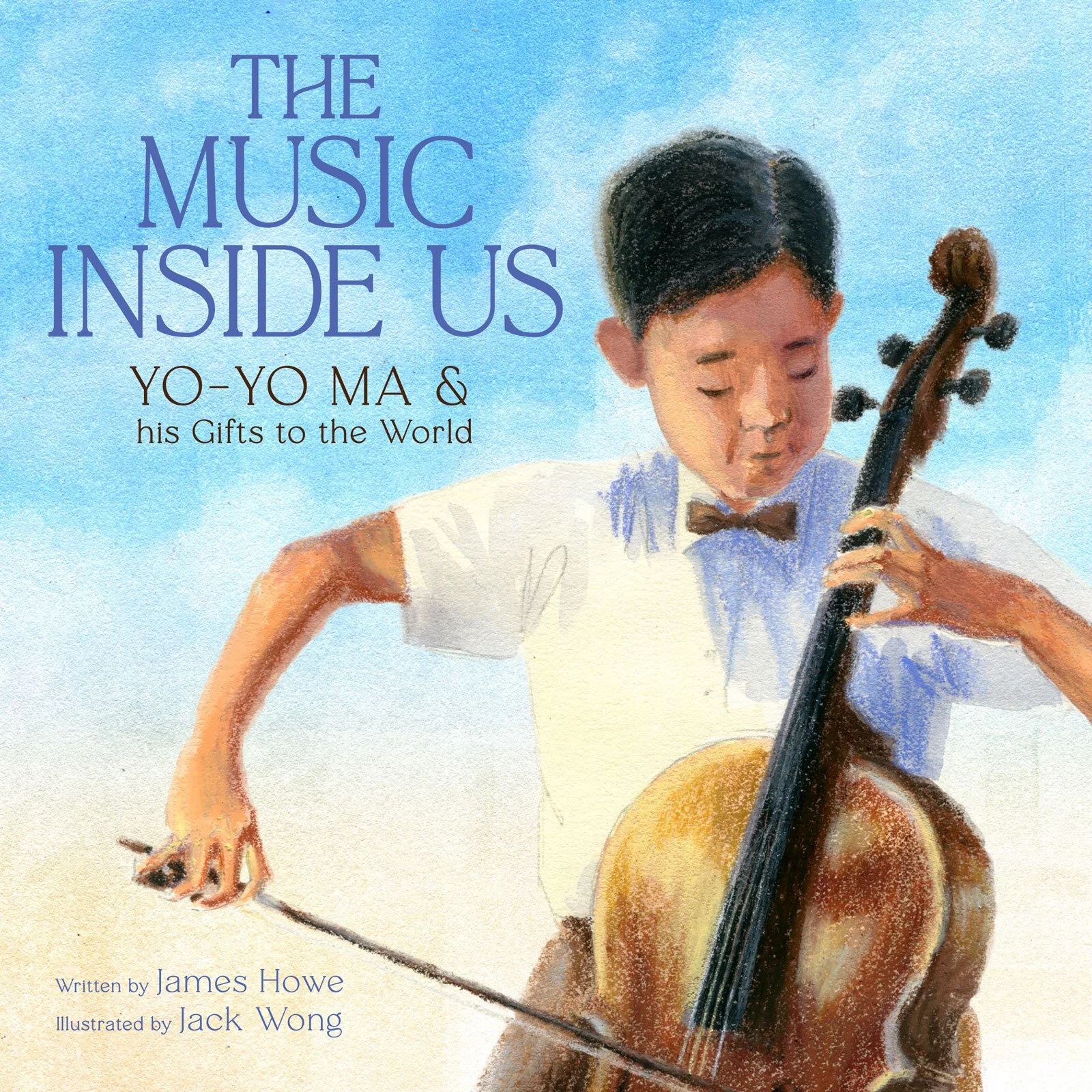
JS: The Music Inside Us: Yo-​Yo Ma and His Gifts to the World

RVC: What’s one word you hope people use to describe your books?

JS: Engaging.

RVC: Thanks so much, Joan!
Picture Book Review: 5‑word reviews (The Cave Downwind of the Café, Hansel and Gretel, The Monster in the Lake, The Trouble with Giraffes, Unicorn Post)

There’s no grand theme this week. Just small jolts of delight, weirdness, and warmth. Each book gets five words—just enough to show why I might bring one (or all) to my picture book class for a closer look.


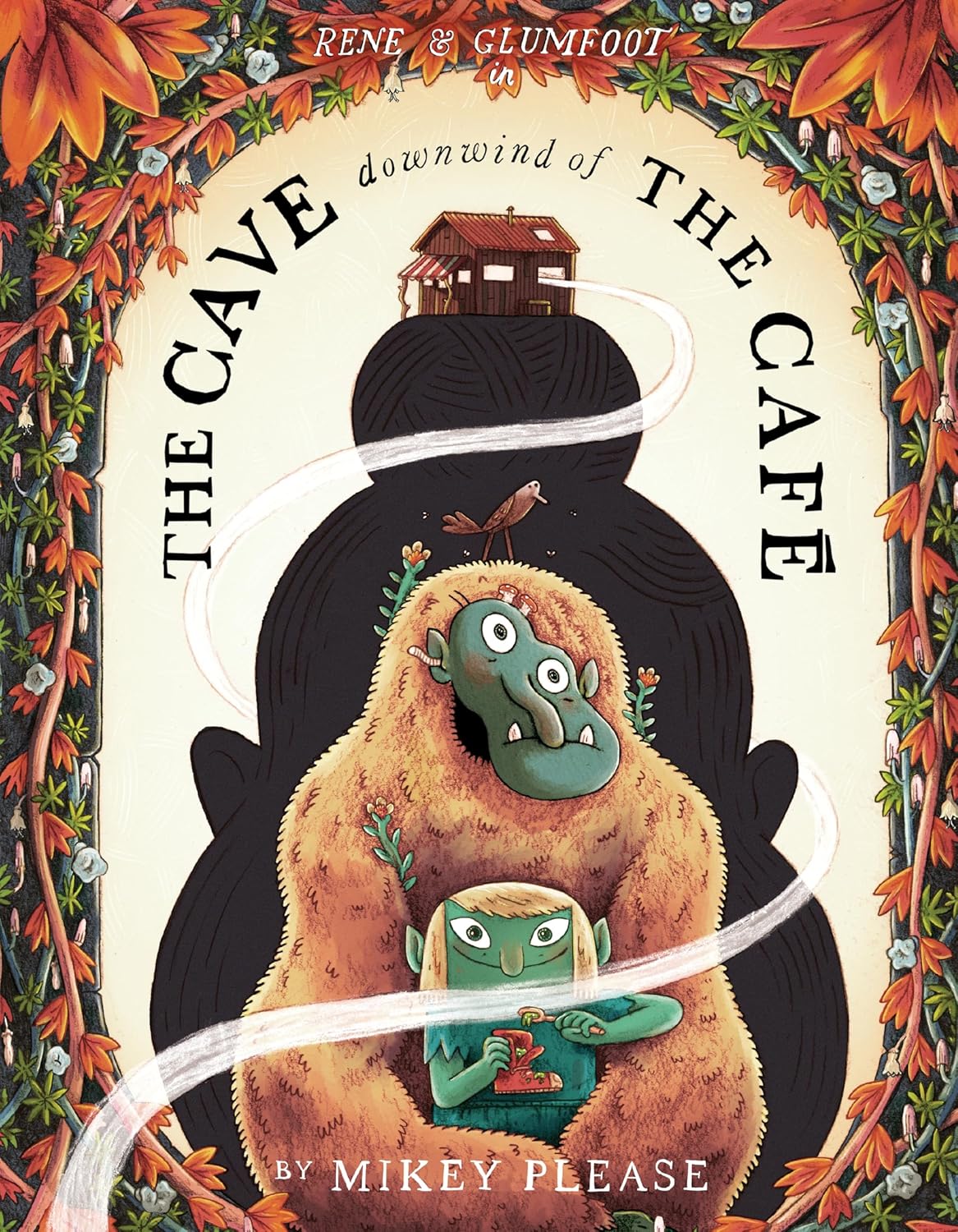
The Cave Downwind of the Café
Author: Mikey Please
Illustrator: Mikey Please
HarperCollins
9 September 2025
48 pages

Ryan’s five-​word review: Heroism served with snotty flair.

🥄4 out of 5 slime spoons


Hansel and Gretel
Author: Stephen King
Illustrator: Maurice Sendak
HarperCollins
2 September 2025
48 pages

Ryan’s five-​word review: Classic tale, sharpened into nightmare.

🔥 4.25 out of 5 witch’s ovens


The Monster in the Lake
Author: Leo Timmers
Illustrator: Leo Timmers
Gecko Press
9 September 2025
36 pages

Ryan’s five-​word review: Monster myths. One duck dares.

👀4 out of 5 surprising sightings


THE TROUBLE WITH GIRAFFESThe Trouble with Giraffes
Author: Lisa Mantchev
Illustrator: Taeeun Yoo
Simon & Schuster/​Paula Wiseman Books
16 September 2025
32 pages

Ryan’s five-​word review: True friends meet halfway, always.

💡 4.25 out of 5 clubhouse ideas


Unicorn Post
Author: Emma Yarlett
Illustrator: Emma Yarlett
Candlewick
26 August 2025
32 pages

Ryan’s five-​word review: Whimsy and warmth, postage paid.

📬 4.25 out of 5 special deliveries

Picture Book List: 12 Picture Books That Feel Like September

There’s something unmistakable about September. Apples hit their peak. Crickets chirp louder at night. The light shifts, the air thins, and kids trudge back to school in stiff sneakers. It’s not quite fall—not yet—but the new season is stirring just below the surface.

(And yes, there is fall in Florida. Sort of.)

This Bonus Goody features picture books that echo the feel of September—fresh starts, golden afternoons, a hush settling over the world. These stories invite readers to slow down, lean in, and welcome the season as it arrives.

Curl up with one (or all!), and let September settle in. If I missed your favorite September-​ish picture book, let me know in the comments!


The Apple Pie That Papa Baked by Lauren Thompson, illustrated by Jonathan Bean (July 2007)

From Goodreads: “These are the apples, juicy and red,
that went in the pie,
warm and sweet,
that Papa baked…
for guess who!”

  • 32 pages
  • Reading Age: 5–8 years

Before We Eat: From Farm to Table by Pat Brisson, illustrated by Mary Azarian (May 2018)

From Goodreads: “Milk doesn’t just appear in your refrigerator, nor do apples grow in the bowl on the kitchen counter. Before we eat, many people must work very hard―planting grain, catching fish, tending animals, and filling crates. In this book, vibrantly illustrated by Caldecott Medalist Mary Azarian, readers find out what must happen before food can get to our table to nourish our bodies and spirits.”

  • 36 pages
  • Reading Age: 4–8 years

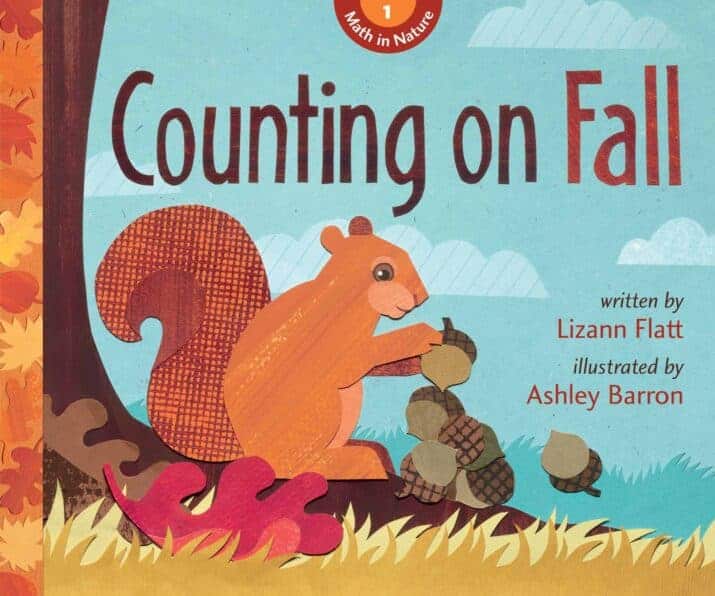
Counting on Fall by Lizann Flatt, illustrated by Ashley Barron (August 2017)

From Goodreads: “As young readers journey into the natural world, they will discover that numbers, patterns, shapes — and much more! — can be found by observing everyday plants and animals.

What if animals and plants knew math, just like you? Would leaves fall in patterns? Would whales enter a race? In Counting on Fall, the first title in the Math in Nature series by award–winning author Lizann Flatt, nature comes to life to help children grasp concepts of number sense and numeration. The engaging “What if?” format of this informational picture book is sure to delight five– to seven– year– olds.”

  • 32 pages
  • Reading Age: 5–7 years

Fletcher and the Falling Leaves by Julia Rawlinson, illustrated by Tiphanie Beeke (August 2006)

From Goodreads: “Celebrate fall with the sweet and charming Fletcher the fox!
As the leaves fall from his favorite tree, Fletcher worries that something is terribly wrong. But then winter comes, and with it a wonderful surprise. Do you know what it is? Join Fletcher and find out.… Fletcher the fox is concerned about nature and wants to understand the changing of the seasons. Young readers will share the feelings of wonder and empathy as they curl up with a parent or gather in circle time to enjoy this beautiful picture book.”

  • 32 pages
  • Reading Age: 2–6 years

Full of Fall by April Pulley Sayre (August 2017)

From Goodreads: “Discover the magic—and the science—behind fall leaves with this companion to the celebrated Raindrops Roll and Best in Snow .

With gorgeous photo illustrations, award-​winning author April Pulley Sayre explores the transformation trees undergo in fall. The book takes readers through the leaves’ initial change from green to red, yellow, and orange, the shedding of the leaves, and the leaves crumbling as winter approaches. Extensive back matter explains the science behind this process to the youngest of budding scientists.”

  • 40 pages
  • Reading Age: 4–8 years

Goodbye Summer, Hello Autumn by Kenard Pak (August 2016)

From Goodreads: “As trees sway in the cool breeze, blue jays head south, and leaves change their colors, everyone knows–autumn is on its way!

Join a young girl as she takes a walk through forest and town, greeting all the signs of the coming season. In a series of conversations with every flower and creature and gust of wind, she says good-​bye to summer and welcomes autumn.”

  • 32 pages
  • Reading Age: 2–5 years

The Great Pumpkin Contest by Angie Rozelaar (July 2019)
From Goodreads: “Two neighboring cats compete for first place in a pumpkin contest, but it takes a cat-​astrophe to make them realize there’s a lot more they can win than just a blue ribbon.”

  • 40 pages
  • Reading Age: 4–8 years

Hello, Harvest Moon by Ralph Fletcher, illustrated by Kate Kiesler (September 2017)

From Goodreads: “While tired farmers and their families are in bed, the harvest moon silently climbs into the sky and starts working its magic. For some, it is the nightly signal to rise and shine. It is time to hunt, to work, or to play in the shadows. For a little girl and her cat, it is an invitation to enjoy the wonders of the night and a last flood of light before the short days of winter set in. With an evocative text and radiant illustrations, this companion to Twilight Comes Twice offers a glimpse of nature’s nightlife long after bedtime.”

  • 32 pages
  • Reading Age: 4–7 years

The Hike by Alison Farrell (October 2019)

From Goodreads: “This book tells the story of three girls’ friendship—and their tribulations and triumphs in the great outdoors. Here is the best and worst of any hike: from picnics to puffing and panting, deer-​sighting to detours. Featuring a glossary, a sketchbook by one of the characters, abundant labels throughout, and scientific backmatter.

  • 56 pages
  • Reading Age: 2–5 years

The Leaf Thief by Alice Hemming, illustrated by Nicola Slater (August 2021)

From Goodreads: “A brilliantly funny picture book about seasons, written by Alice Hemming and illustrated by Nicola Slater. Squirrel is so cross. Yesterday there were loads of beautiful leaves on his tree, but today? Today some are missing and Squirrel is convinced that someone has stolen them… there’s a leaf thief on the loose! Join Squirrel on a mission to find the culprit, and meet so many fun animals on the way, while you find out how the world takes on different colours as the months pass by. A laugh-​out-​loud book about the changing seasons, with extra information in the back for especially curious minds Perfect as a companion reader to children learning about seasons in school A brilliant picture book that explores feelings, moods and times where we feel out of control.”

  • 32 pages
  • Reading Age: 2–5 years


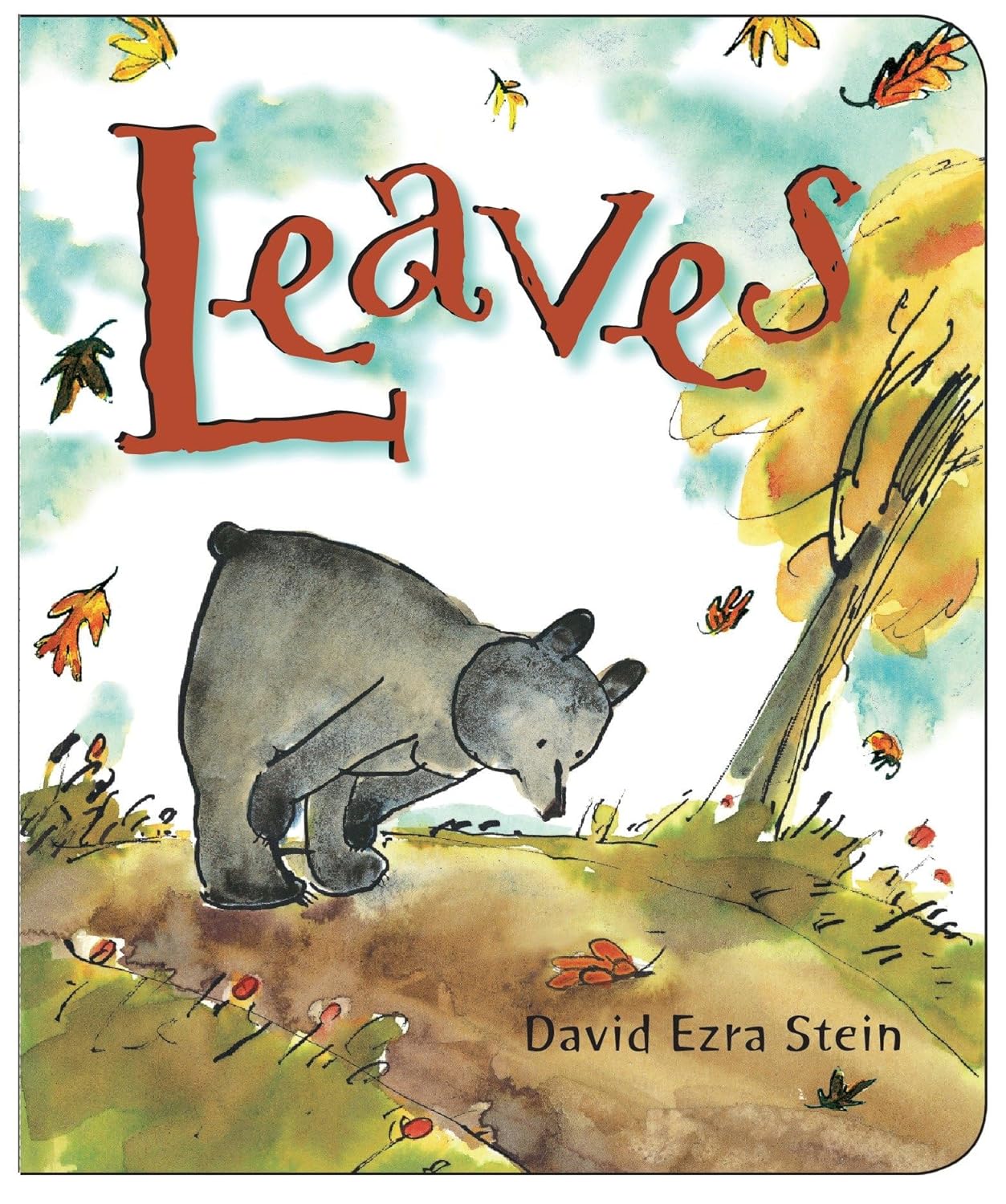
Leaves by David Ezra Stein (October 2019)

From Goodreads: “It’s a young bear’s first autumn, and the falling leaves surprise him. He tries to put them back on the trees, but it doesn’t work. Eventually, he gets sleepy, and burrows into the fallen leaves for a long nap. When he wakes up, it’s spring and there are suddenly brand-​new leaves all around, welcoming him. Graceful illustrations and a childlike main character offer the perfect way to talk to children about the wonder of the changing seasons.”

  • 32 pages
  • Reading Age: 1–3 years

Oak Leaf by John Sandford (September 2019)

From Goodreads: “An artistic picture book about an autumn leaf’s journey that beautifully evokes the season. A lone autumn leaf falls and flies away on a breeze. It travels up and over the world and down again—where it finally lands on the page of a little girl’s open book and becomes a keepsake.”

  • 40 pages
  • Reading Age: 5–7 years