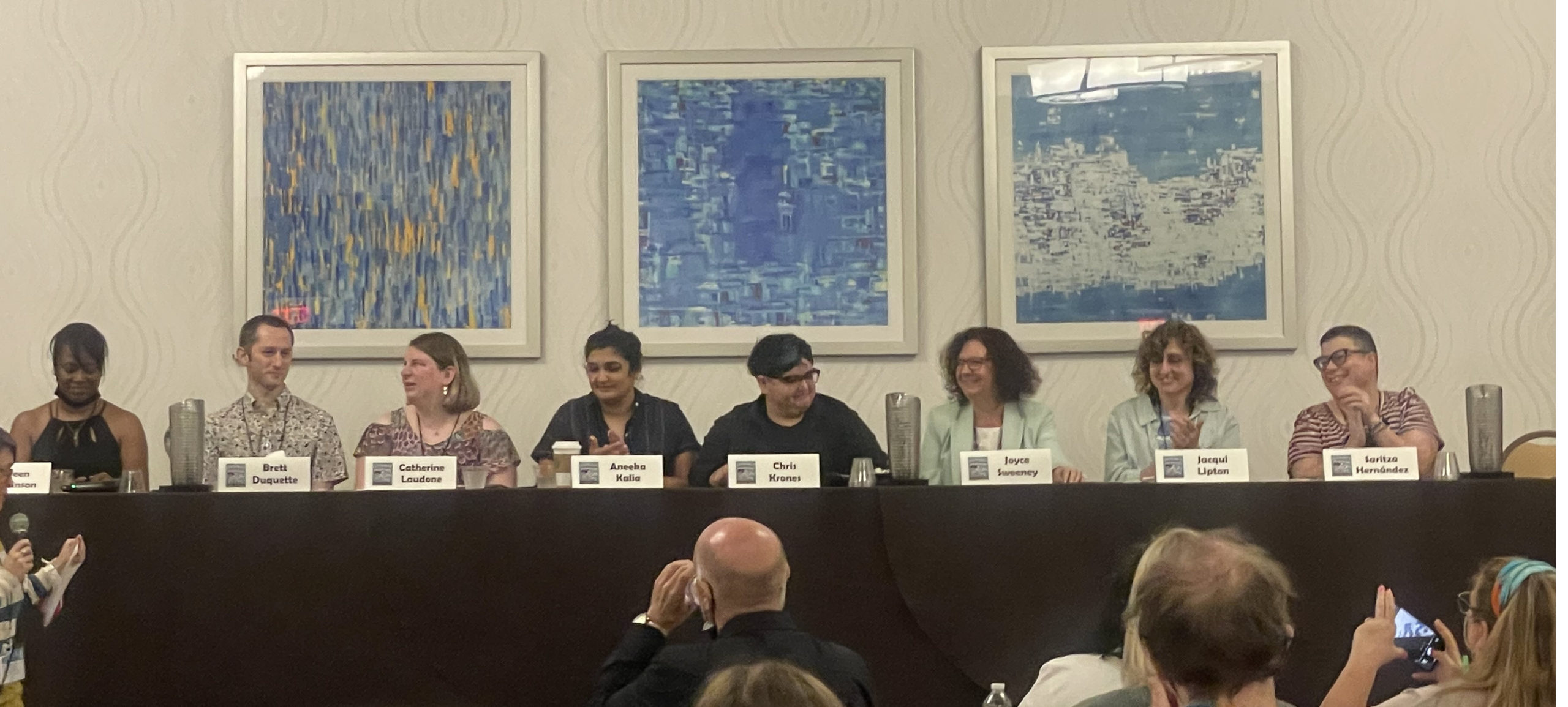
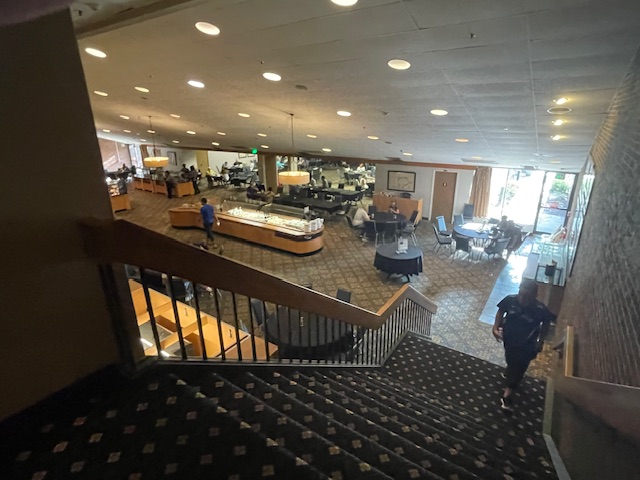
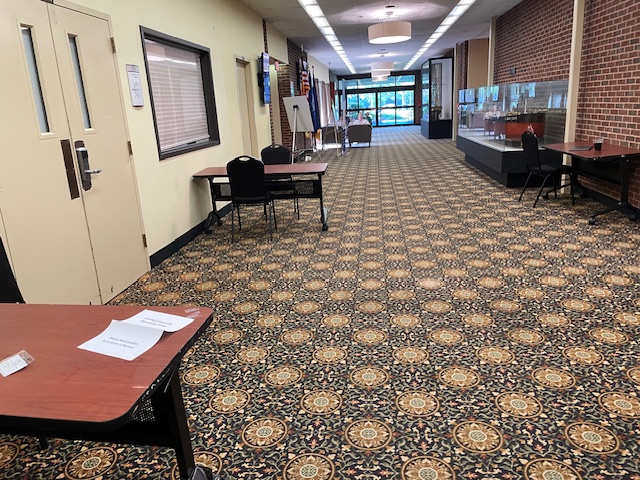
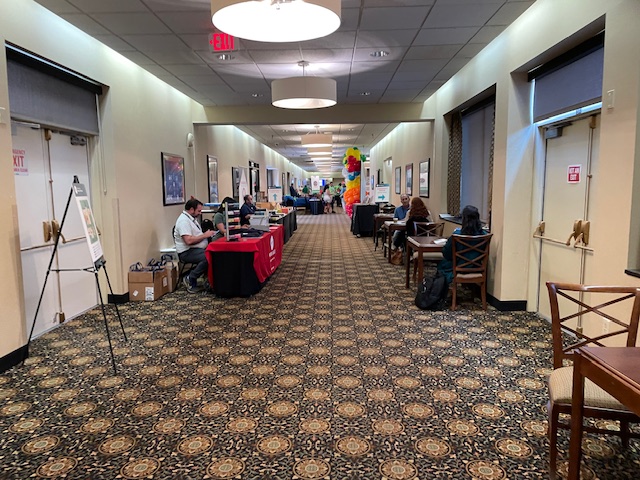
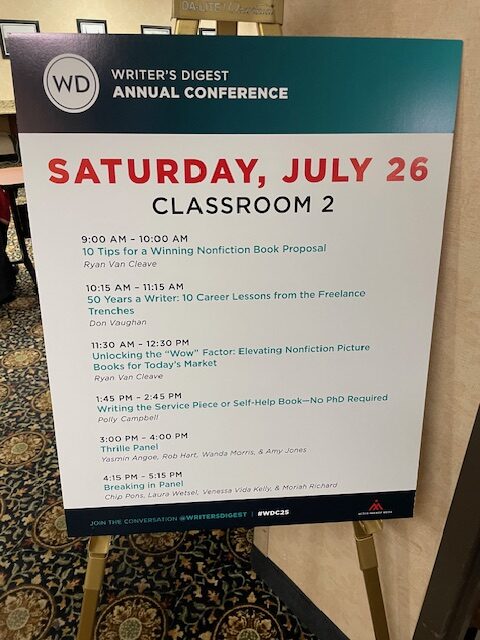
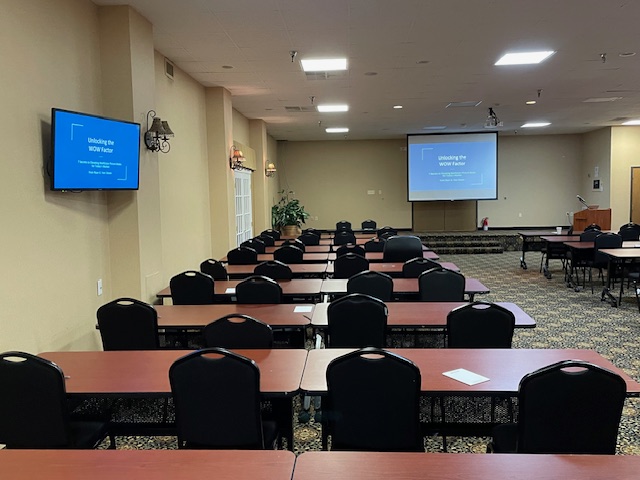
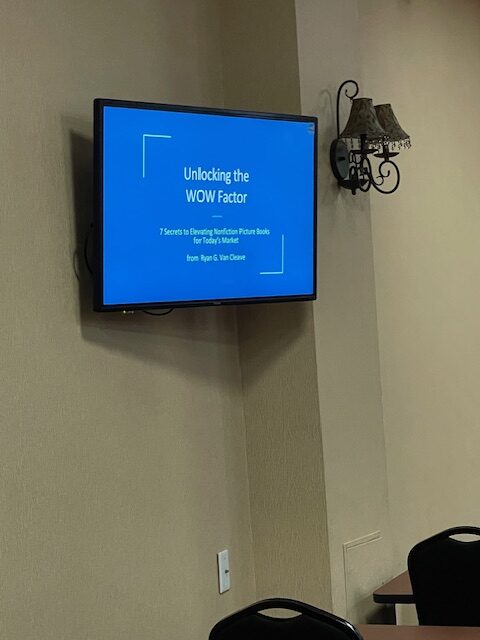
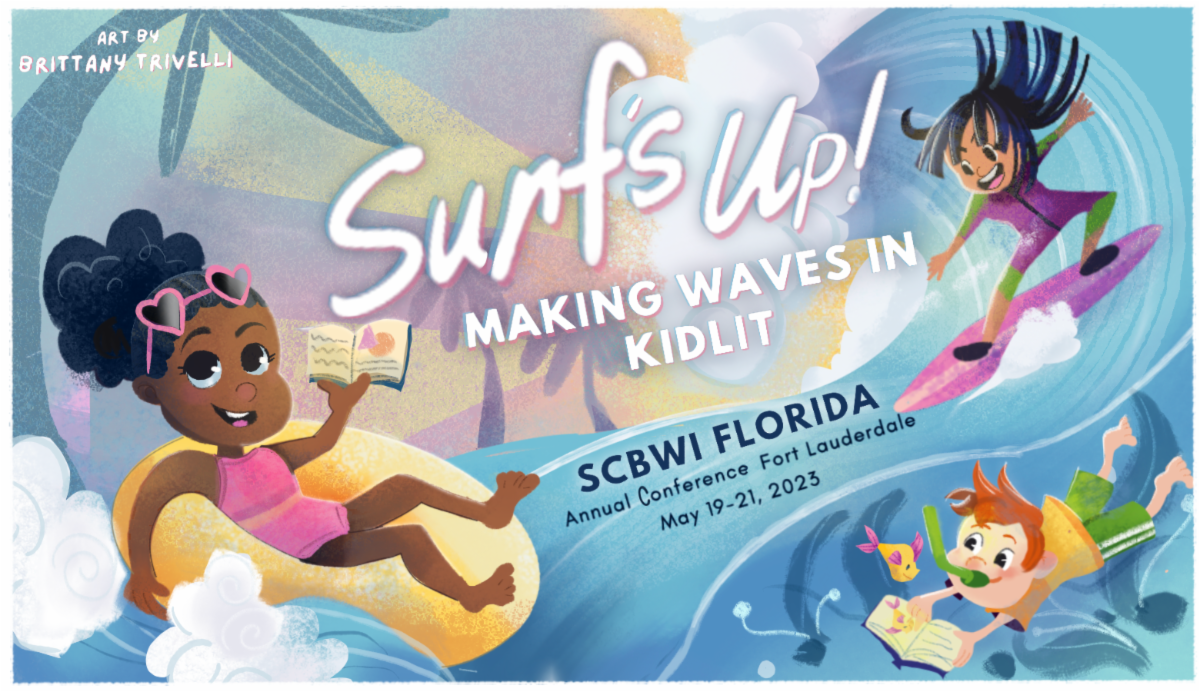
 Normally, the third Monday of the month means an Industry Insider Interview, which is me doing a deep dive into the career of a single editor, agent, or other picture book industry person. But since I just got back from the rousing success that was the May 2022 SCBWI Florida conference in Orlando, I’m instead creating a new OPB feature–a Conference Roundup–since I want to share some of the best nuggets of industry wisdom that I jotted down during my three days there. Some comes from agents, some comes from editors, some comes from authors, and some comes from illustrators–but it’s ALL good.
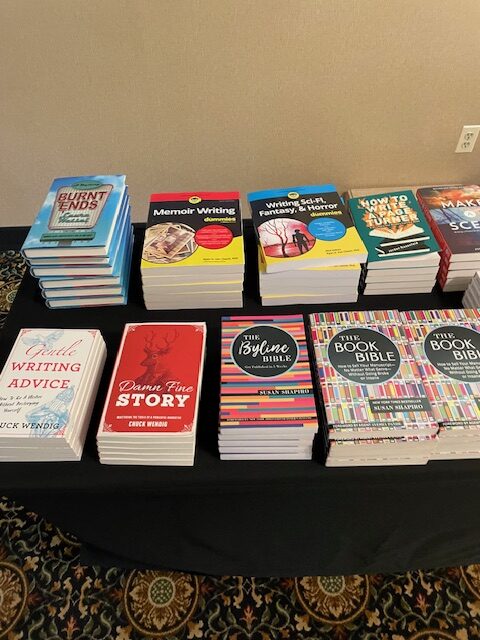
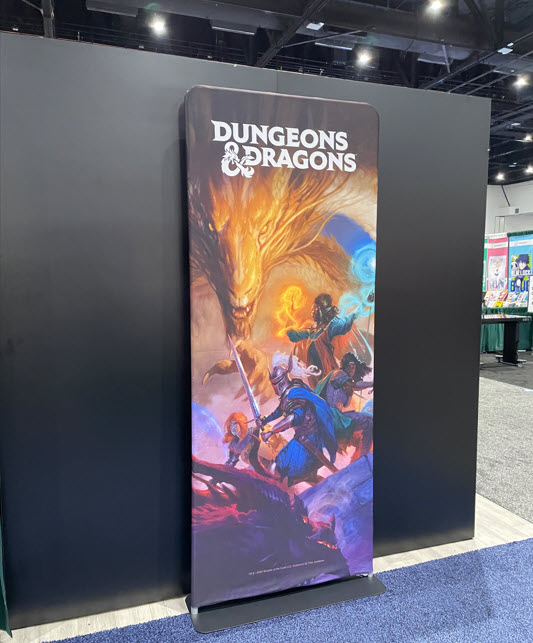
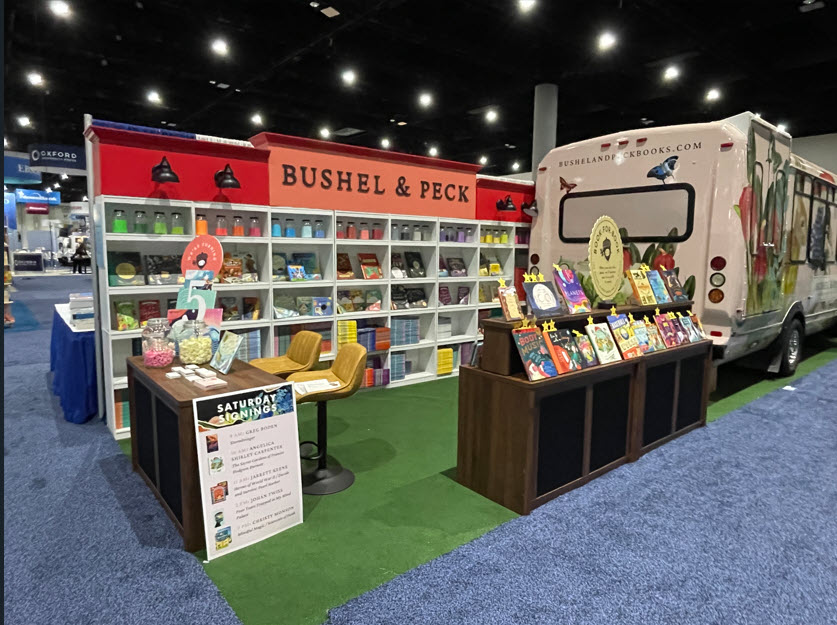
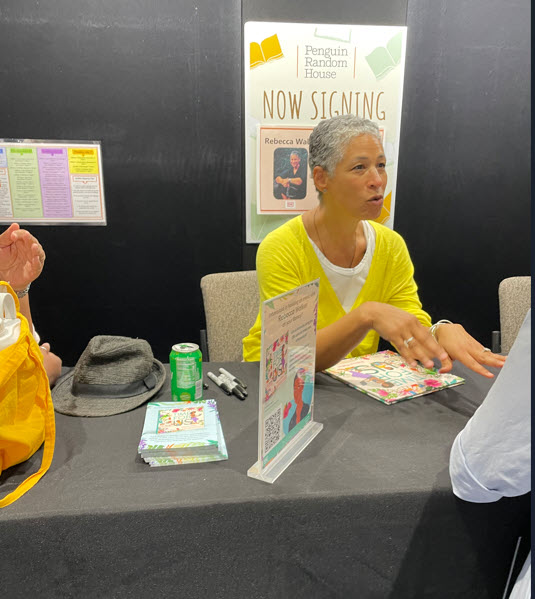
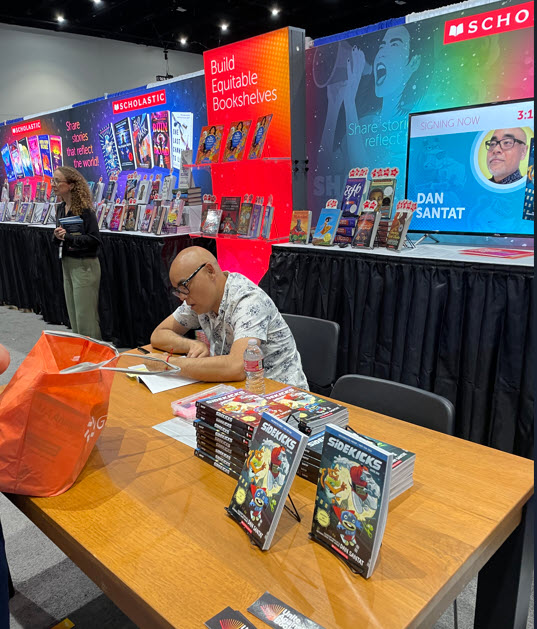
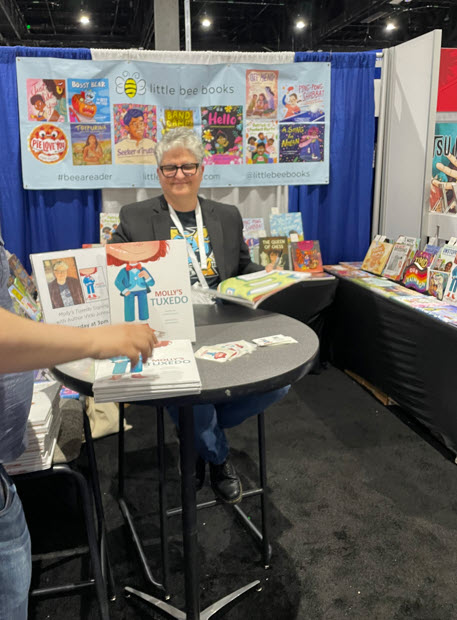
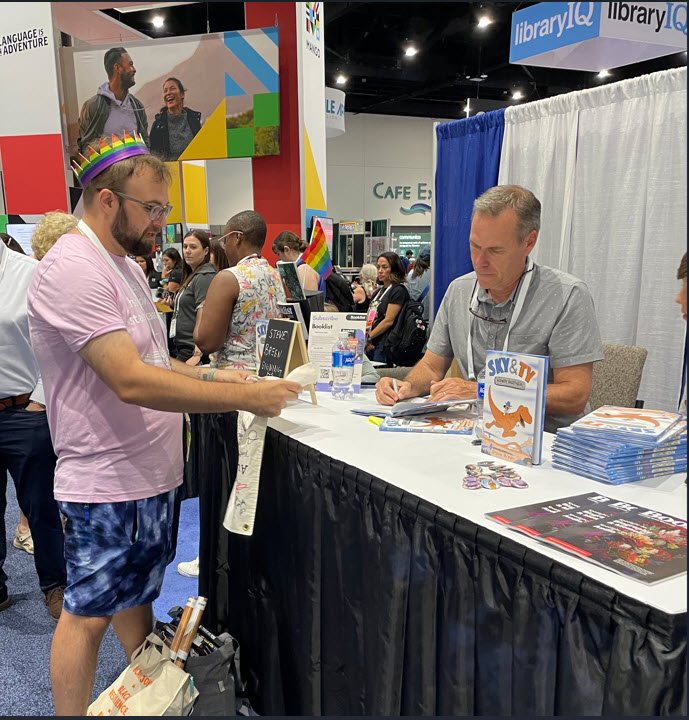
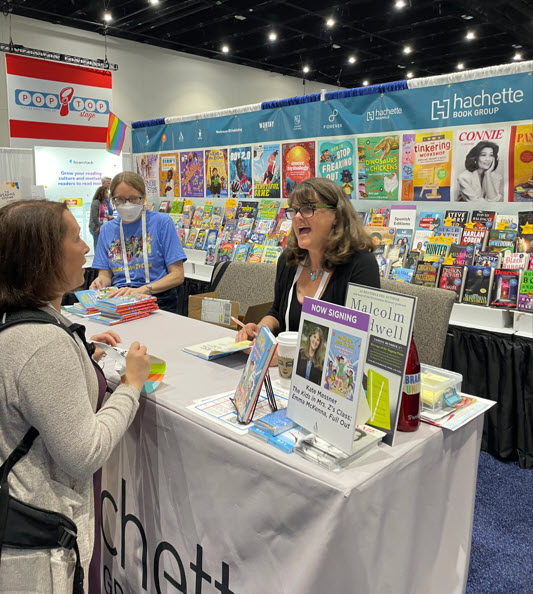
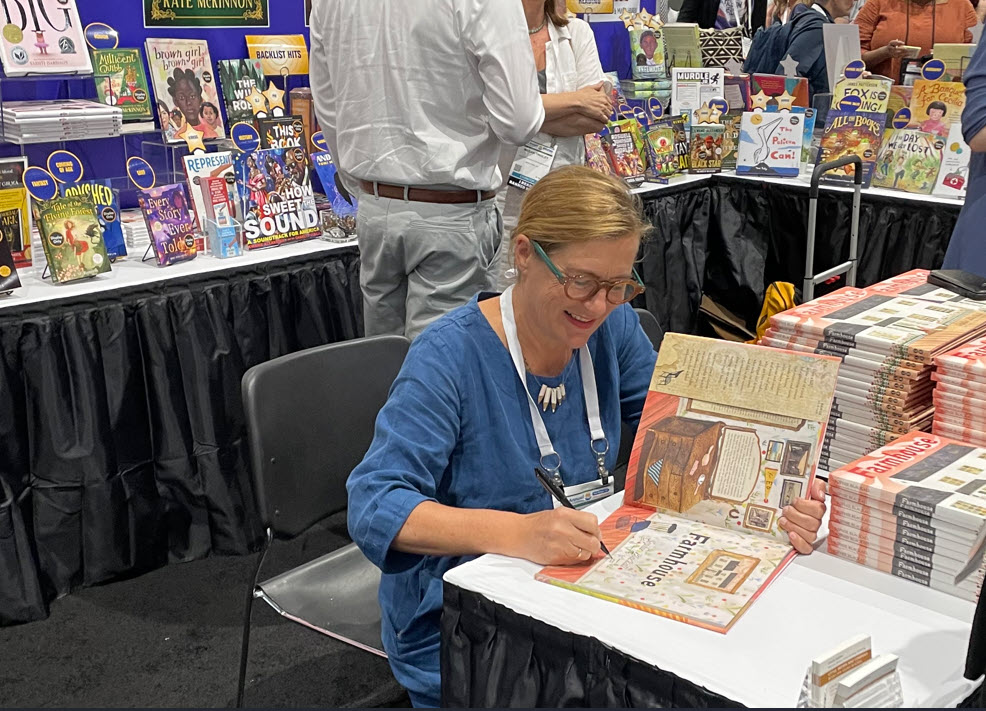
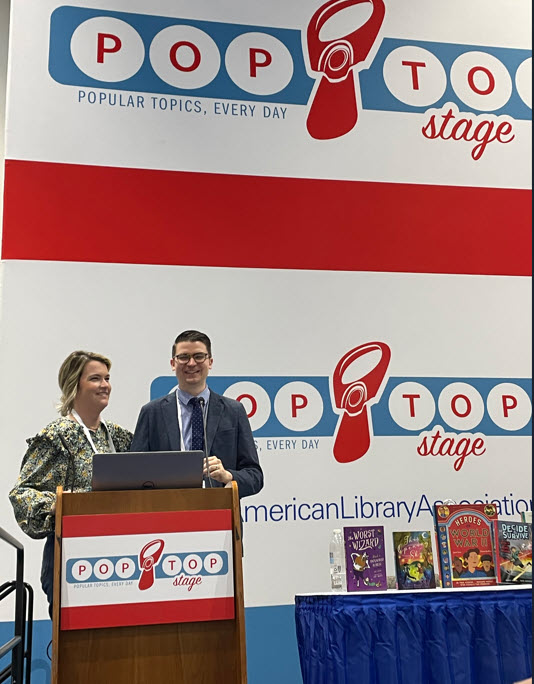
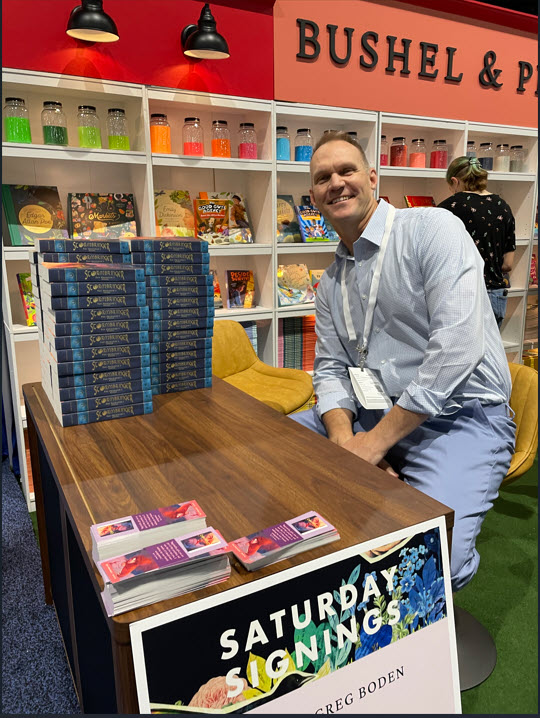
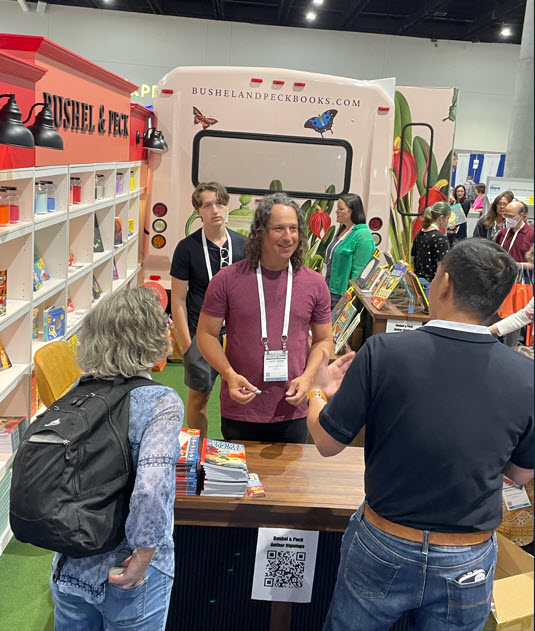
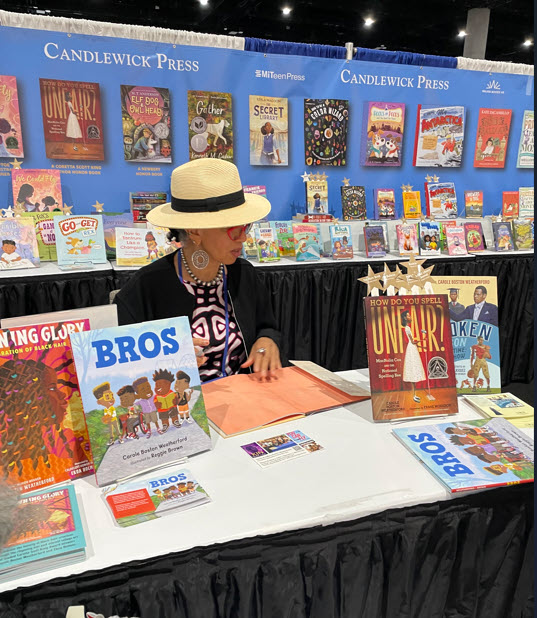
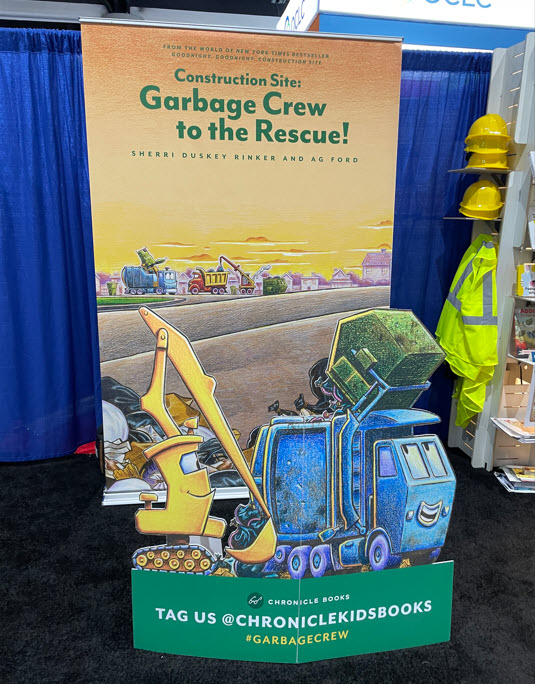
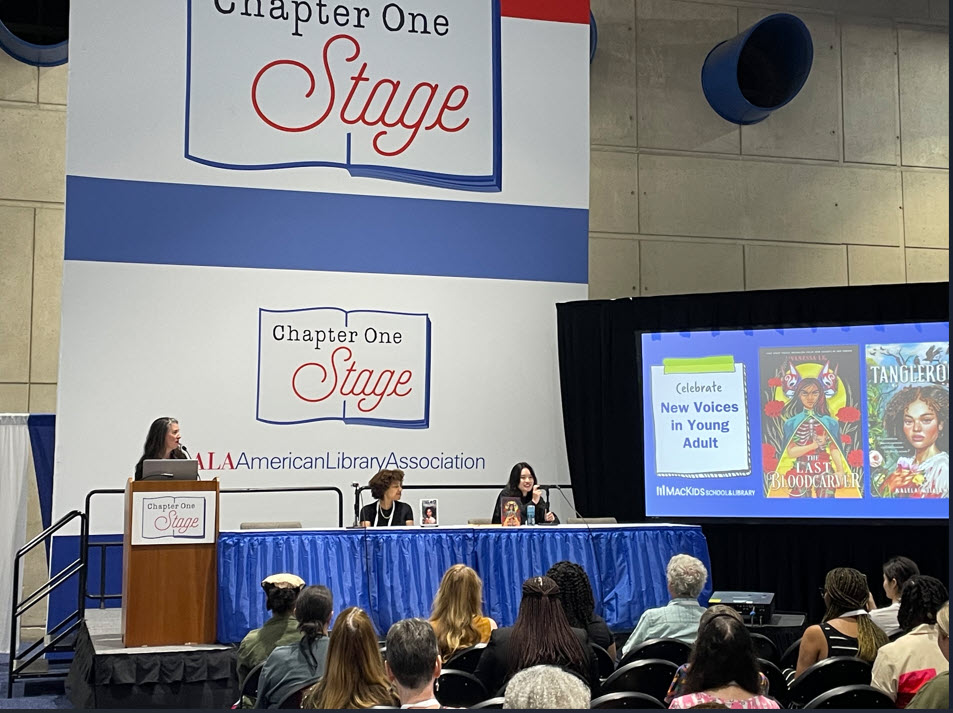
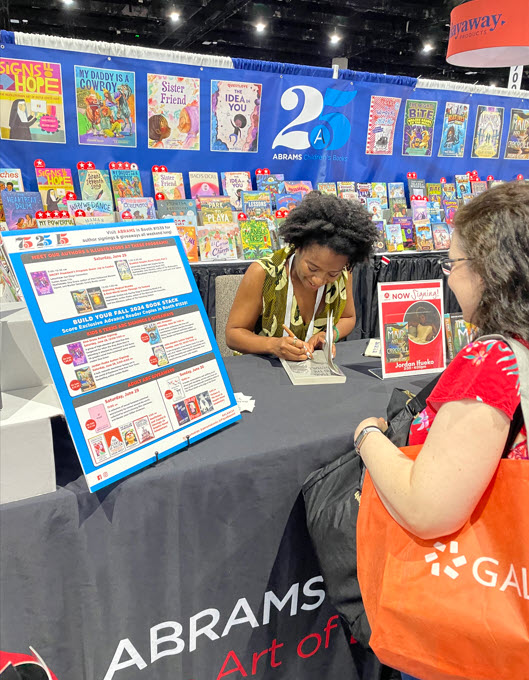
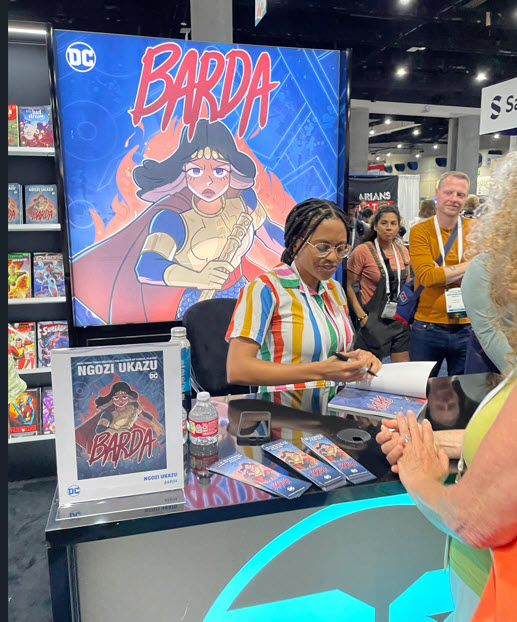
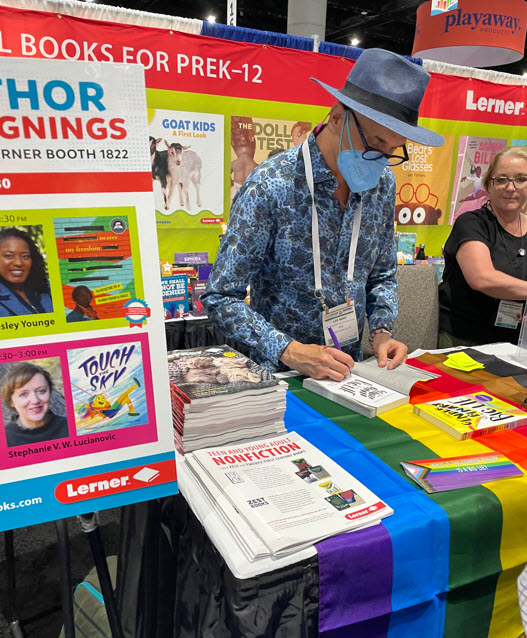
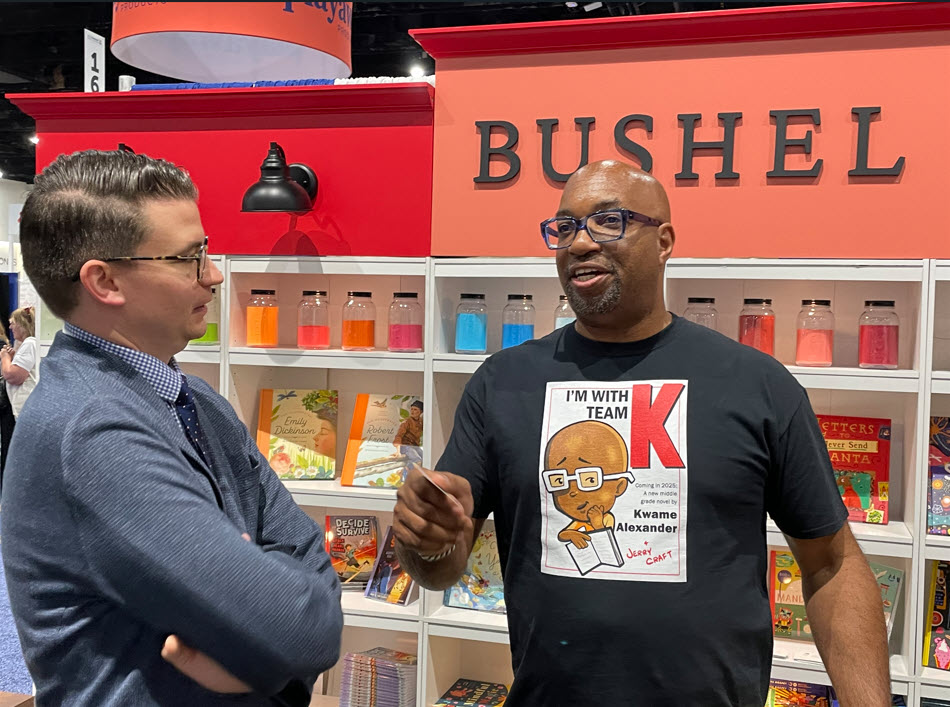
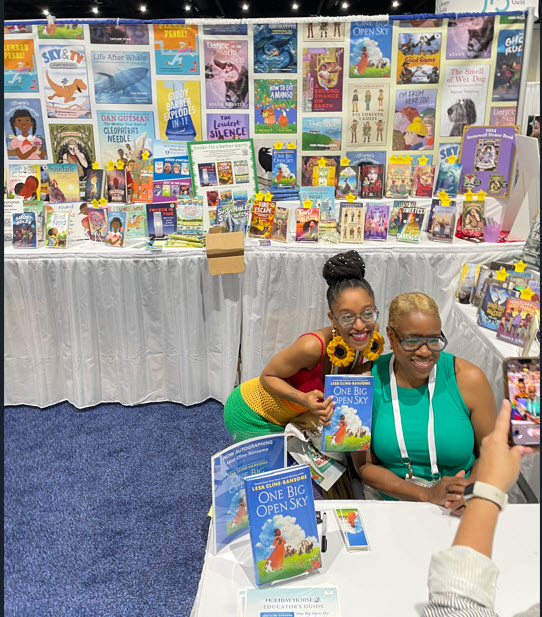
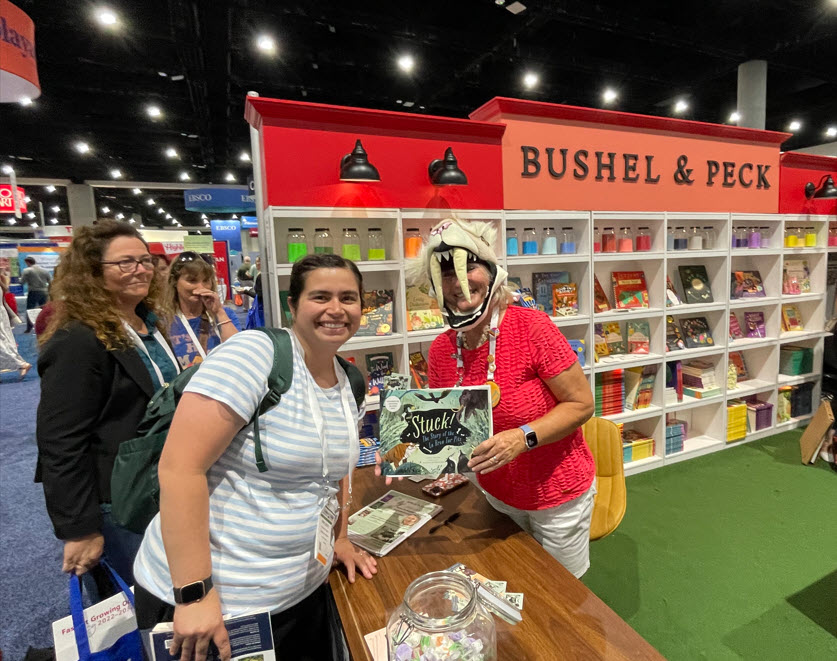
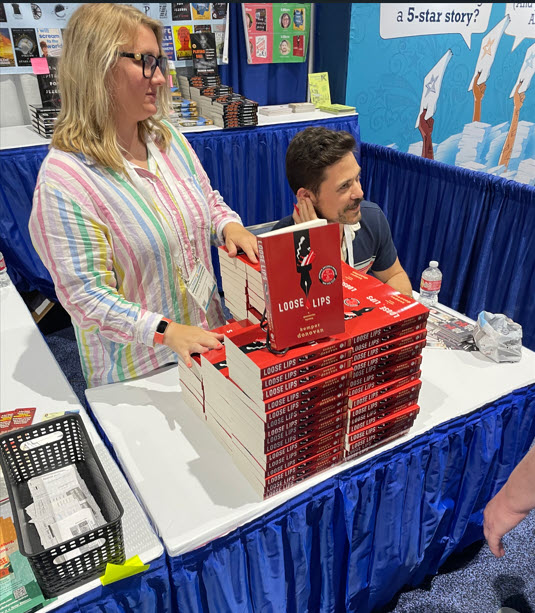
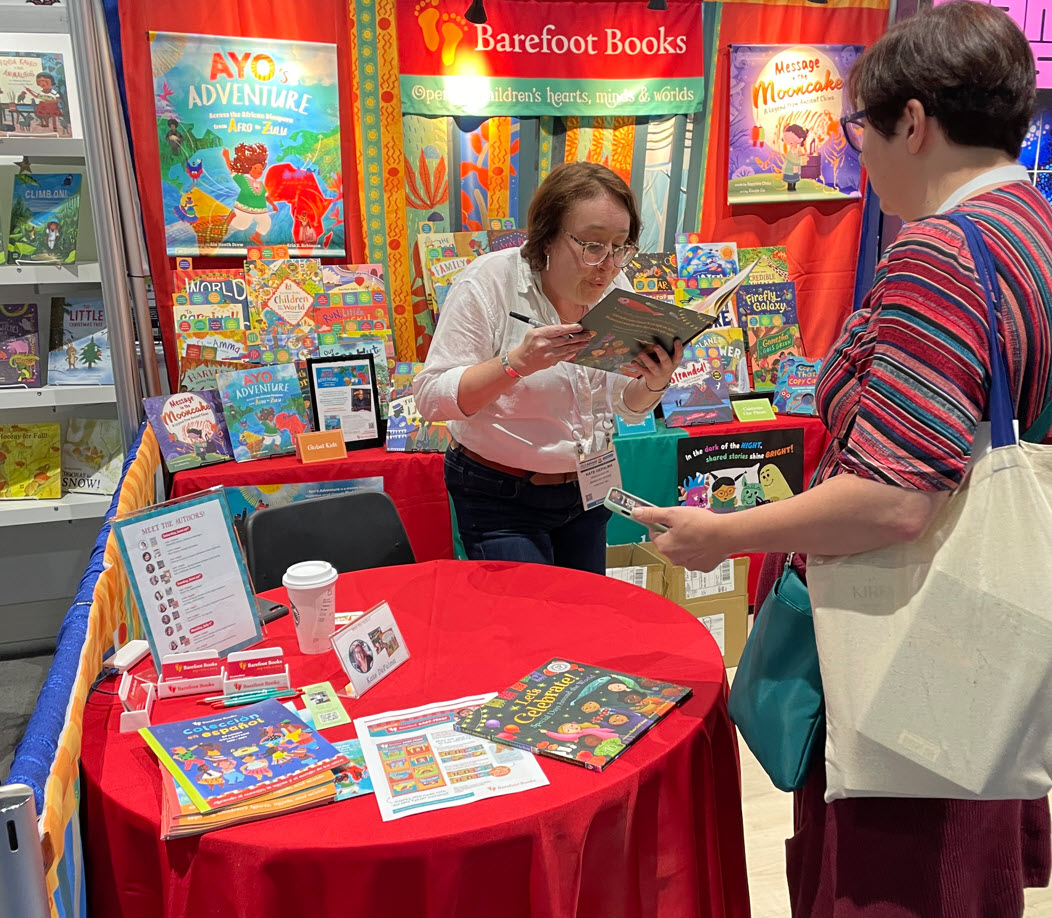
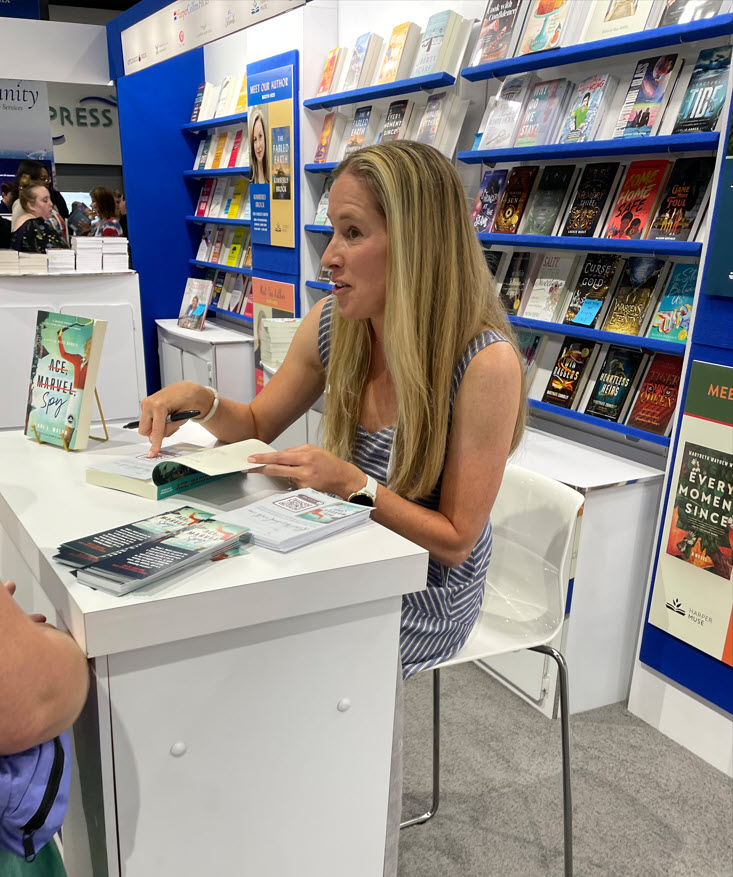
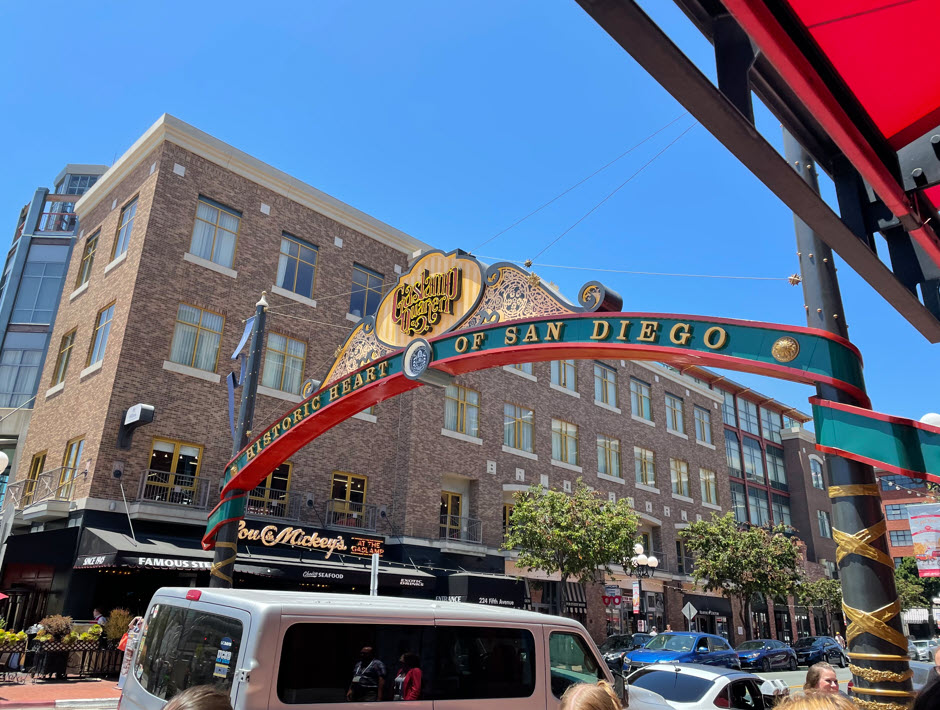
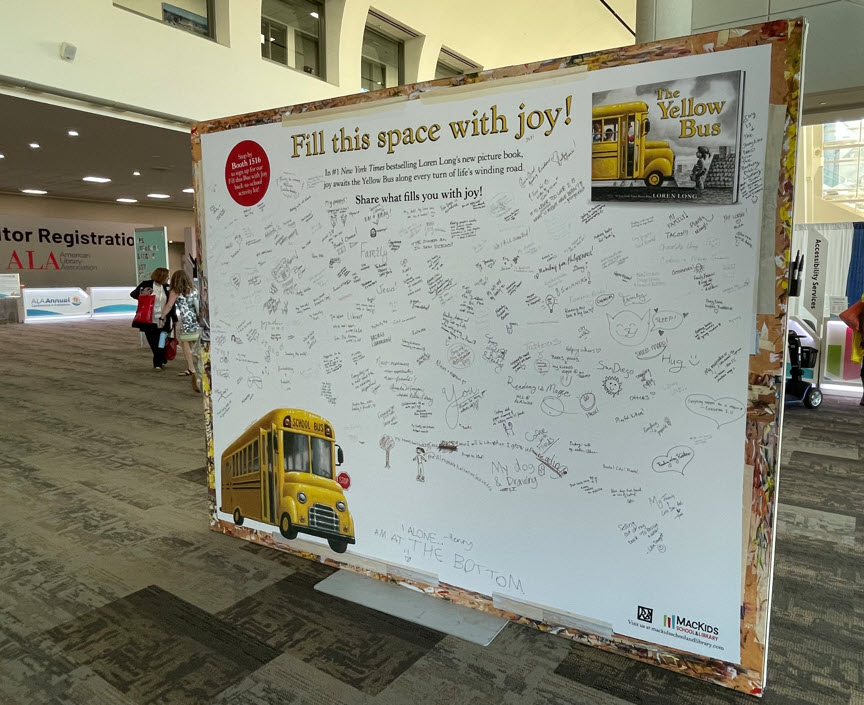
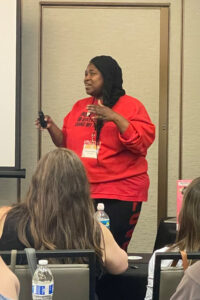
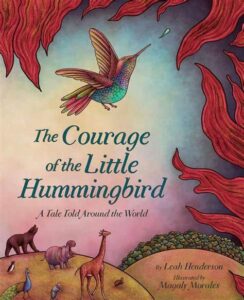
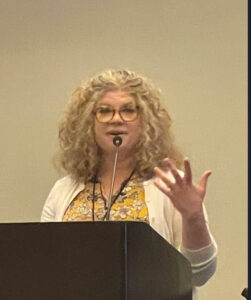
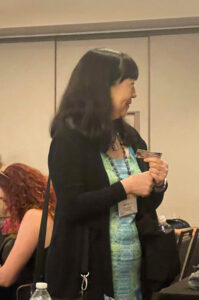
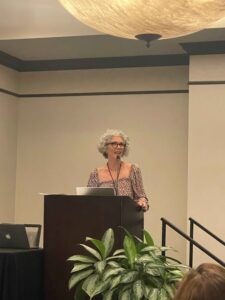
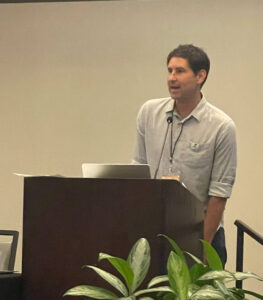
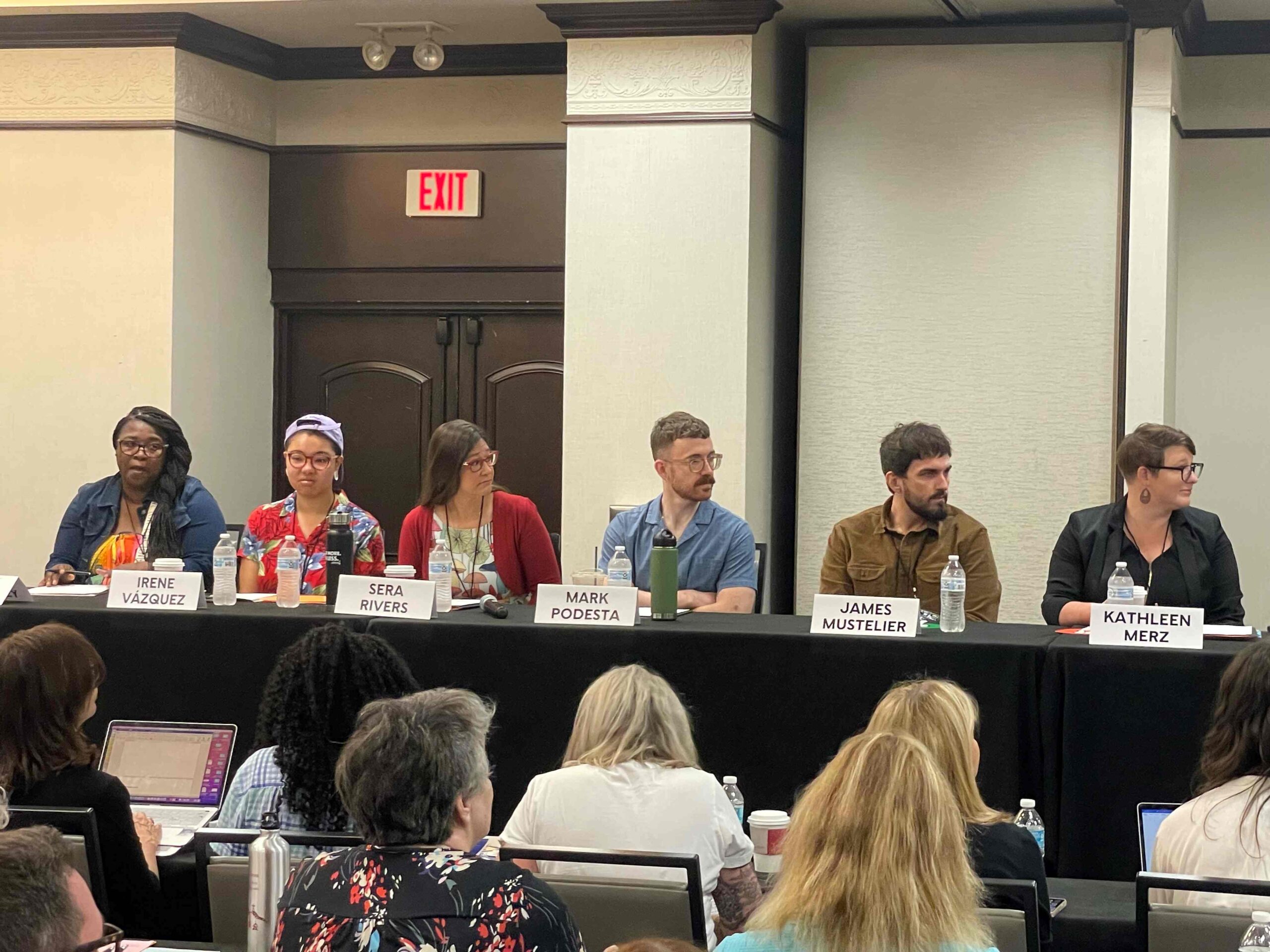
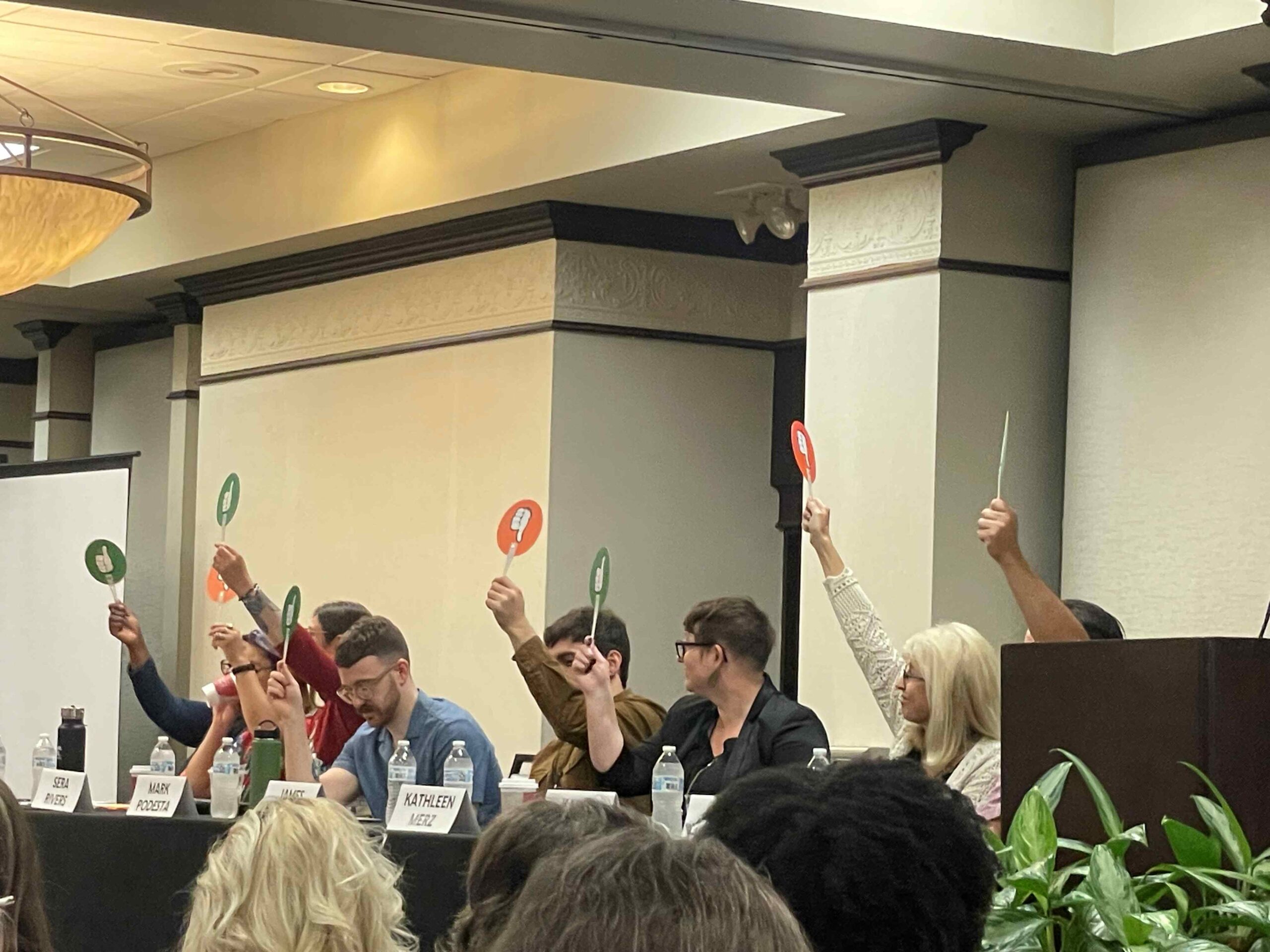
To help give you a sense of what it was like to be there, I’ll include a few photos, as appropriate.
**Everything listed below came directly from my scribbled notes. Any mistakes or misunderstandings are likely mine. If you’re one of the folks I quoted below and you’d like me to amend my quote, please just let me know!**
Bruce Coville, author of My Teacher Is an Alien
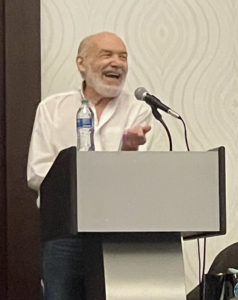 “In the words of Winston Churchill to the people of England during WWII, never give up, never give up, never, never, never give up.”
“One of the most pernicious ideas that spreads in American culture is the meme of the starving artist. You can only do good work when you have to type in the cold with little fingerless gloves–there’s a reason for this idea. It’s culturally useful. Artists who are doing their job right are dangerous. And the whole point of the meme of the starving artist is to keep us unequal, less 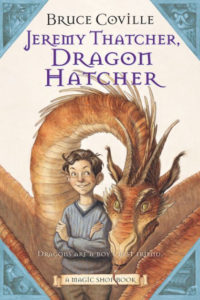 able to do our important, life-changing work. Whether it’s good or bad, it’s supposed to make you think. There’s nothing the dominant culture wants less than people who think, because you can’t think without knowing if you need to change. Teachers have this horrible dual obligation. They’re supposed to maintain the status quo AND teach kids. You can’t do both. They are mutually exclusive. If these people learn to think, they’re going to think about all the stuff that’s going on that’s wrong. But our job as artists is to lead kids to think by the stories we give.”
Brett Duquette, Executive Editor of Little Bee Books
“Revising can be hard. One idea is to take it like a cake in layers. Don’t try and do everything at the same time. Because if you’re like me, all you’ll do is just work on making verbs and nouns prettier. Have a language layer or a plot layer or a character layer. It might help to think about it like you’re painting.”
“When I was younger, my brother gave me a photo of myself as a baby and said, Would you be mean to that person? So, if you’re hard on yourself, look at a photo of yourself as a child, and remember that you deserve love. Be gentle to yourself.”
Sophia Gholz, author of Bug on a Rug
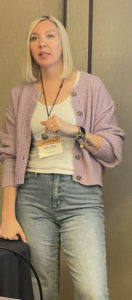 “I love to cross promote between a school and a bookstore…I’ll call up a store in a nearby city. I’m Sophia Gholz. I’m a children’s book author. I’m going to possibly do some local school events. I would love to do a book signing, or just stop by and say hello and maybe sign some stock. If they say yes, follow up with an email that says, ‘Do you guys have any local schools that in particular you’ve worked with, or that you recommend I reach out to?’ Sometimes they’ll put you in contact with the school, but sometimes I’ll find a local school nearby myself. Hey, I’m Sophia Gholz. I’ve already spoken to this local bookstore, I would love to come in while I’m in town, and do a school visit or two. I’d love to present to your kids. And while I’m there, you know that I’ve already spoken to so-and-so bookstore and they’re happy to support and supply books for the school visit. The school is going to love this, and the bookstore is going to love you coming in, too.”
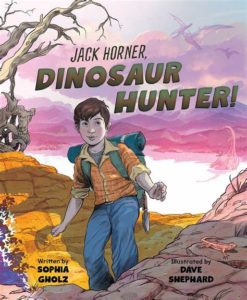 “Myth number five is that authors must be present on social media. Authors do NOT have to be present on social media. In fact, I know some authors who have walked away because it was toxic–Twitter, specifically, but sometimes all social media. Yet their publisher said, We would like you to be back on at least Twitter and Instagram. So, I’d say Twitter and Instagram are pretty important. Personally, I think social media is a big deal. Do you HAVE to be on it? No, but you can have a presence on all the platforms and not be active. Still, I think having a presence is vital because that’s the first way people are going to look you up these days. So, even if you just have a page with a link to your website, I think it’s important to at least have a presence. That being said, I think it’s important to engage.”
Aneeka Kalia, Associate Editor @ Viking Children’s Books
“Be patient, be persistent, and be kind to yourself.”
Rajani LaRocca, author of Red, White, and Whole
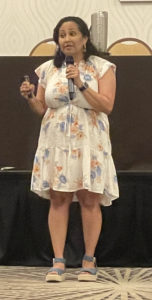 “Be open to new ideas but also to input.”
“Joy McCullough was my mentor, and she gave me an amazing edit letter [on Midsummer’s Mayhem]. She loved my book, but her big suggestion was to get rid of a main character…I was so terrified. But I started two revisions, one with him, one without him. Three chapters in, I was like, He’s got to go. And once more, I rewrote the book that took me three years to write…in the end, I had four agent offers, and I chose Brent Taylor.”
Laurent Linn, Author and Art Director at Simon & Schuster
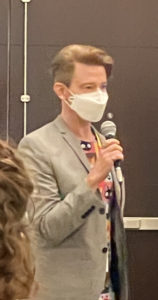
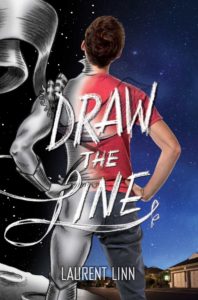 “Be true to your purpose. Because your purpose is one of the few things in life that you control.”
“Be honest with your readers or readers who aren’t reading yet…no matter what their age or stage of development.”
Jacqui Lipton, owner of Raven Quill Literary Agency
“Be professional. It’s so easy to get angry with agents and editors in the industry, and then go out on Twitter and do crazy things. Do that in the privacy of your own thoughts.”
If you like what Jacqui has to say, you’re in luck–she’s the subject of the June 2022 Insider Interview!
Pat Zietlow Miller, author of Be Strong
“Read books by people with different life experiences than yours.”
“Support other authors no matter where they are in their journey.”
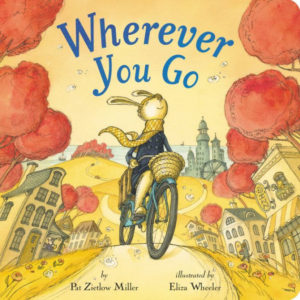 “Finding time [to write] was actually the hardest one for me. When I started, I had a full-time corporate job, I had two kids at home, and I wanted to see them before school, after school, and on weekends. So, the time that was left was after they were in bed, because I wasn’t going to not see my kids. Something else had to go. For me, no television, less exercising, less socializing, less sleeping…I’ve heard Kate DiCamillo talk, and before she became KATE DICAMILLO, she got up at an extremely early hour and wrote before she went to her day job. That would never work for me. I’m not a morning person–can’t do it. But I could do late at night. I know authors who write entire novels in little bits and pieces of time. While they’re in the carpool line waiting to pick up the kids or while they’re freezing in the bleachers while watching their kids practice hockey.”
If you want to hear more from Pat, you’re in luck. Pat will be the subject of our June 2022 Author Interview. Watch for it in a few weeks!
Dan Santat, author/illustrator of The Adventures of Beekle: The Unimaginary Friend
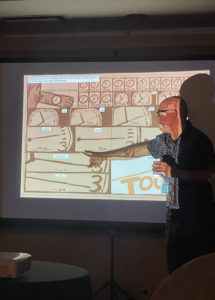 “Cultivate a sense of taste. Look into all things–movies, music, books. Find out why something is good, why something is bad. If something isn’t to your taste or your liking, find out why other people like it. Because when you’re editing your own work, and you’re asking yourself Is this good? you can base that off of the knowledge gained from other things. The other one is always continue to grow. You can never settle. I’ve been in this business for 18 years. And over time, if you do the same things over and over again, the process gets stale. So, always evolve. Don’t be afraid to change.”
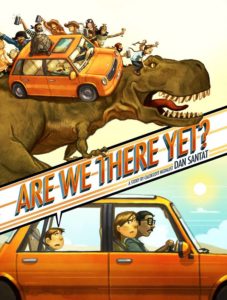 “When I first wrote my first book, I had a perception in my mind of what being a child was like, but it didn’t match what children actually were thinking. What happens is that when you get older, you have this really polished, idealized view of what your childhood was like. And then when you actually see kids, it’s messy, it’s chaotic. But that’s the true way kids are–you have to really get yourself into that mindset.”
“I don’t create a character and then write a story. I create a concept, and then I find a character that creates the biggest conflict to that concept. So, create a character that best reflects the idea you want to express. Let’s say you have a story about needing to be quicker, or that things must be done quickly. A turtle would be the greatest adversary to something like that. Being messy, or a story about neatness? A garbage truck would be a great character that has to deal with that issue. Falling? Humpty Dumpty. It’s sad, but if I just say Humpty Dumpty, the first thing you think of is the fall, right?”
Taryn Souders, author of Dead Possums Are Fair Game
“[At school visits], it’s really cute because you are their favorite author that day. And they will say You’ve been my favorite author my whole life! and I’ve even gone to them and asked, Really? Which one of my books is your favorite? And they’ll say, I haven’t read any of them yet. So, you’re going to be their favorite whether they’ve heard of you or not. And it’s great. You’ll never leave a school visit feeling deflated.”
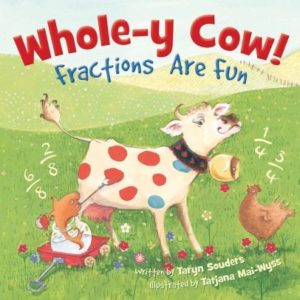 “You definitely want to make sure that you are practicing in a mirror. It’s so cliché, I know it. But you’re going to think you’re making a really friendly expression and you’re actually terrifying or something. So you want to look in a mirror. Make sure that whatever expression you’re making throughout your presentation, it’s engaging and portrays, Hey, I’m fun, I’m safe!”
Jennifer Swanson, author of Footprints Across the Planet
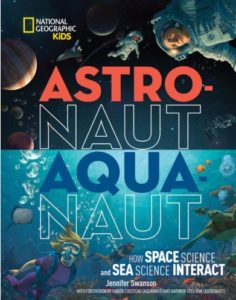 “Find a critique group and get them to tell you stuff. But listen–your job is to tell the story correctly. If they don’t get it, you didn’t do your job right.”
“For those of you that don’t know, educational publishing, is typically work for hire, which means they give you a flat fee, you get no royalties, and they come up with ideas. They tell you what to write. Trade publishing, of course, is royalties with an advance, and you come up with an idea. So, there’s a difference between the two. But if you want to get into nonfiction, a really great place to start is educational publishing.”
Joyce Sweeney, literary agent at The Seymour Agency
“Go ahead and feel the sorrow when something bad happens in your career, then get back up and say, Okay, well, what can I do now? What’s the next thing?”