
Industry Insights: Cut the Warm-​Up Spread

I’m buried in submissions at the press right now. And I’m also critiquing for a few conference events and workshops, plus I’m teaching my Writing Picture Books class again. All of that adds up to one thing…I’m reading a huge number of manuscripts this month, and the patterns get loud when you read at that volume.

The biggest issue I’m seeing is this. Many picture books begin with a warm-​up spread, which means the writing sets a scene or a mood, but the story itself hasn’t started moving yet.

From an industry standpoint, that opening spread carries extra weight. Editors and art directors read it as a signal of format awareness. In short, they want to immediately feel that you understand how little space a picture book has and how much work each spread needs to do.
Sunday Service - Logos Sermons

The one question that fixes a lot

After creating your entire draft, return to your first spread and ask one question.

  • What changed?

If the answer is “the reader learned background,” then you likely started one spread too early. If the answer is “a want appeared,” “a problem arrived,” or “a choice happened,” you started where the book starts.

If nothing changed, it’s usually because the opener is doing one of these jobs instead.

Common reasons nothing changed:
• Weather or scenery as a mood opener
• Routine or backstory before the break in the pattern
• A theme statement instead of a moment
• Character introduction without pressure
• Worldbuilding before want, problem, or decision

So cut the warm-​up spread. Make the first spread earn the turn.

Reading Activities: A Walk in the Words by Hudson Talbott

A Walk in the Words
Author: Hudson Talbott
Illustrator: Hudson Talbott
14 September 2021
Nancy Paulsen Books
32 pages

Book description from Goodreads: “When Hudson Talbott was a little boy, he loved drawing, and it came naturally to him. But reading? No way! One at a time, words weren’t a problem, but long sentences were a struggle. As his friends moved on to thicker books, he kept his slow reading a secret. But that got harder every year. He felt alone, lost, and afraid in a world of too many words.

Fortunately, his love of stories wouldn’t let him give up. He started giving himself permission to read at his own pace, using the words he knew as stepping-​stones to help draw him into a story. And he found he wasn’t so alone–in fact, lots of brilliant people were slow readers, too. Learning to accept the fact that everyone does things in their own unique way, and that was okay, freed him up and ultimately helped Hudson thrive and become the fabulous storyteller he is today.”

Want some reviews of A Walk in the Words?

Reading Activities inspired by A Walk in the Words:

  • Before Reading–From looking at the front cover: 
    • What are you most curious about before opening the book?
    • Why do you think there are so many words on the tree branches?
    • What might it mean to “walk” in words instead of read them?
    • The character looks small compared to the words. How does that size difference make you feel?
    • This book is written and illustrated by the same person. What might that tell you about the story you’re about to hear?
  • After Reading–Now that you’ve read the story: 
    • At the beginning, what feels safe for the narrator, and what feels threatening?
    • When the narrator feels stuck, what specific choice helps him move forward?
    • The book uses pictures to show feelings like fear and feeling overwhelmed. Which image stayed with you the most, and why?
    • Where do you see the shift from fear to curiosity? What changes right before that moment?
    • What does this book suggest about reading slowly—or doing anything at your own pace?
    • Would you recommend this book to a friend? Why or why not?
  • Wall of Words Snapshot:
    In the story, a full page of text feels like a wall keeping him out. Draw your own “wall of words” on one side of a page. On the other side, draw what helps you get through a hard moment: a person, a tool, a habit, a thought. Add labels if you want!
  • Break a Big Word:
    The narrator takes “overwhelm” and makes it smaller by breaking it apart. Let’s do something similar! Choose one big feeling word and play with it. 
    • Write your word in BIG letters across the page.
    • Circle a part you know.
    • Underline the part that makes the word feel intimidating or too big.
    • Rewrite the word in a way that feels more your size.
    • Then write one sentence that begins: “I can handle this by…”
  • Stepping-​Stone Reading:
    Pick a short paragraph from any book. On a separate sheet of paper, write down the words you recognize instantly as you read. Those are your stepping stones. 
    • Read just those words in order to see what you can understand about the paragraph.
    • Then read the full paragraph at your own pace.
    • What felt different the second time? What helped you move forward?
  • Fear vs. Curiosity Tug-​of-​War:
    Draw a line down the middle of a page. Title one side Fear and the other Curiosity. 
    • On the Fear side, list what fear says about reading or learning.
    • On the Curiosity side, list what curiosity says.
    • Circle the one curiosity thought that feels strongest. Keep it as a “bookmark sentence” you can return to.
  • Paint with Words:
    The narrator says learning words is like finding new colors for art. Choose one scene you love (a storm, a birthday, a soccer game, a quiet night). Write two versions:
    Version 1 uses only simple words.
    Version 2 adds five “new colors,” more specific words, stronger verbs, sharper sensory details.
    Compare the two. Which version feels more alive to you, and why?
  • Books, Books, and More Books!: Check out these picture books about learning differences, self-​trust, and finding your way with words:

Aaron Slater, Illustrator by Andrea Beaty, illustrated by David Roberts
Aaron struggles with reading, but drawing is where his ideas come alive.


I Talk Like a River by Jordan Scott, illustrated by Sydney Smith
A boy describes what it feels like to stutter, using metaphor instead of explanation.


Just Ask! Be Different, Be Brave, Be You by Sonia Sotomayor, illustrated by Rafael López
Kids speak directly about their bodies, brains, and needs in a relatable way.


Thank You, Mr. Falker by Patricia Polacco
A girl carries deep shame about reading until one teacher finally sees what’s going on.


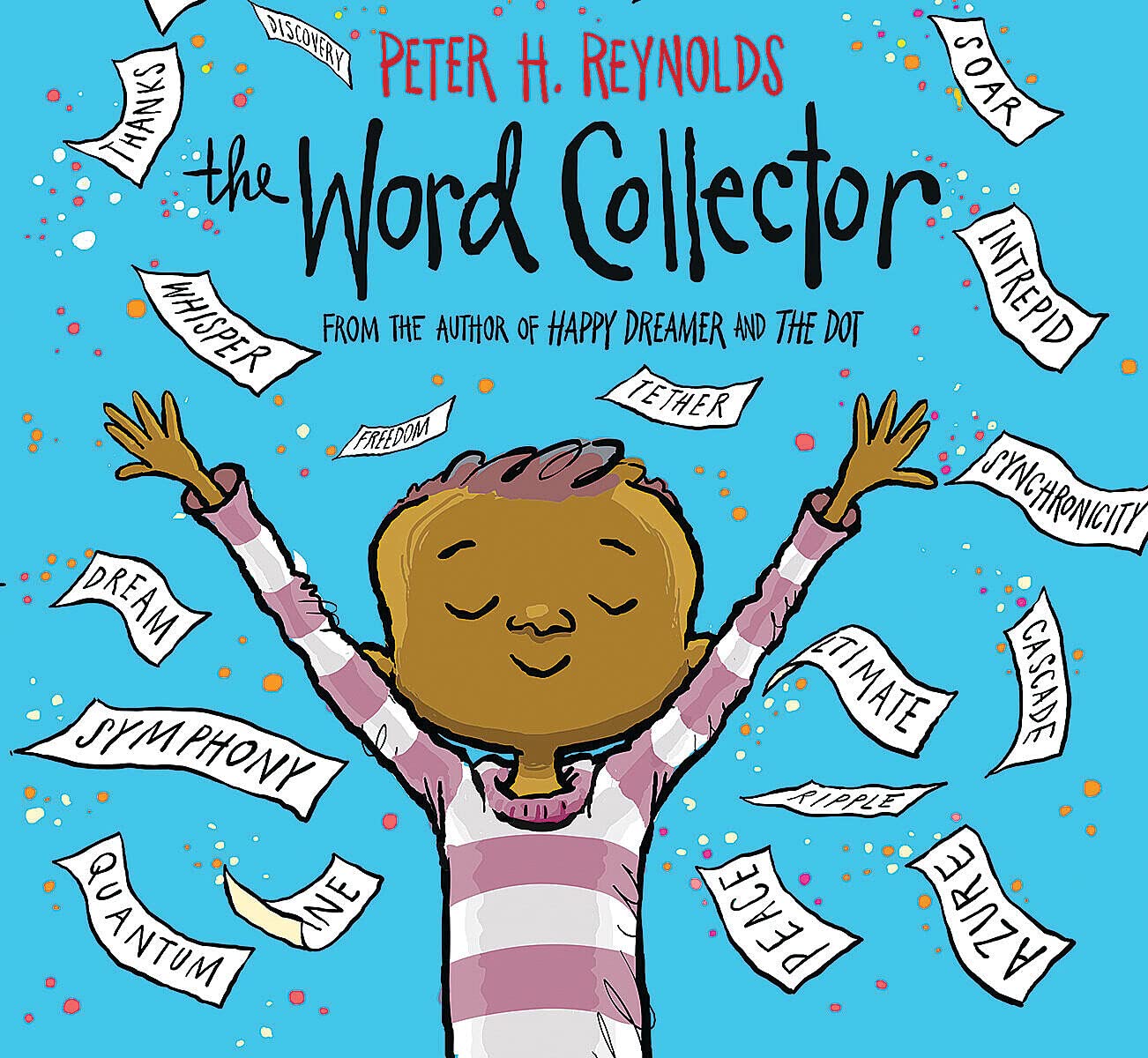
The Word Collector by Peter H. Reynolds
Jerome loves gathering words and noticing how they sound and feel.

Behind the Books: Is This Idea Too Small? And Other Early Picture Book Questions

I teach Writing Picture Books at my college every semester these days. Some of the same craft questions emerge every time…usually when someone has a draft that’s almost working and they can feel it slipping.

Here are three of them.

Is this idea too small for a picture book?

This comes up most frequently with quiet stories, like a book about waiting, or taking a walk with grandma, etc.

I usually point to A Ball for Daisy. Here’s the spoiler–the whole book is about a dog and a ball. The ball breaks. Daisy loses it. That’s the plot.

What gives the book weight is how fully it stays with Daisy inside that moment. The story doesn’t rush past her reaction or try to decorate it with extra events. It lets the feeling unfold long enough for the reader to feel it too.

When a student draft starts to feel too small, what I usually see is hesitation. The writer rushes away from the moment just as it starts to deepen, or they fill the space with activity instead of attention.

That’s usually where our conversation turns. Not toward adding more story, but toward staying put just a little longer.

Do I need a clear lesson or message before I start writing?

No. When someone starts that way, I can usually tell by page two. The characters start acting like they already know what they’re supposed to learn, and every choice feels pre-approved.

To put it plainly–the story stops discovering and starts executing a plan.

In class, we look at The Most Magnificent Thing to see how to handle this in a more effective way.

In this story, the kid quits and then she sulks. Yeah, she’s maybe a bit irritating for a while. Yet the book doesn’t rush to redeem her or explain what we’re meant to take from it. The meaning shows up later, after the story has let her struggle honestly instead of steering her toward the right conclusion.

Most drafts that arrive with a message already attached don’t need a clearer message. They need a character who hasn’t worked things out yet and a story that’s willing to stay with that uncertainty instead of smoothing it over.

Why does my draft feel rushed at the end?

Most of the time it’s because the writer hits the brakes immediately after the problem is solved. In workshop, this shows up as a story that builds and resolves, but doesn’t give the reader any time to feel what that resolution actually meant.

A good real-​world example of how to avoid rushing the ending is Knuffle Bunny. The stuffie is found, which is the whole crisis of the book, yet Willems doesn’t end it there. He allows a little space afterward for the relief, the exhaustion, and the emotional shift to register before the book actually ends.

In student drafts, the fix usually isn’t more plot. It’s staying put for one more beat instead of cutting away the moment the problem disappears.

Picture Book Reviews: Five-​Word Reviews for February 2026

We’ll switch back to the larger review format soon, but in the meantime, here are five new picture books to have on your reading radar. If you already know them, share your own five-​word review (or just general feedback about any of them) in the comments section.

Enjoy!


Bored
Author: Felicita Sala
Illustrator: Felicita Sala
Neal Porter Books
6 January 2026
48 pages

Ryan’s five-​word review: Productive boredom masterclass. Imagination unlocked.

🌀 4 out of 5 wandering thoughts


Croûton: One Cat’s Adoption Tail
Author: Kristine A. Lombardi
Illustrator: Kristine A. Lombardi
Random House Books for Young Readers
27 January 2026
40 pages

Ryan’s five-​word review: Cat chooses human. Purrfectly lovely.

🏠 4.5 out of 5 cozy landings


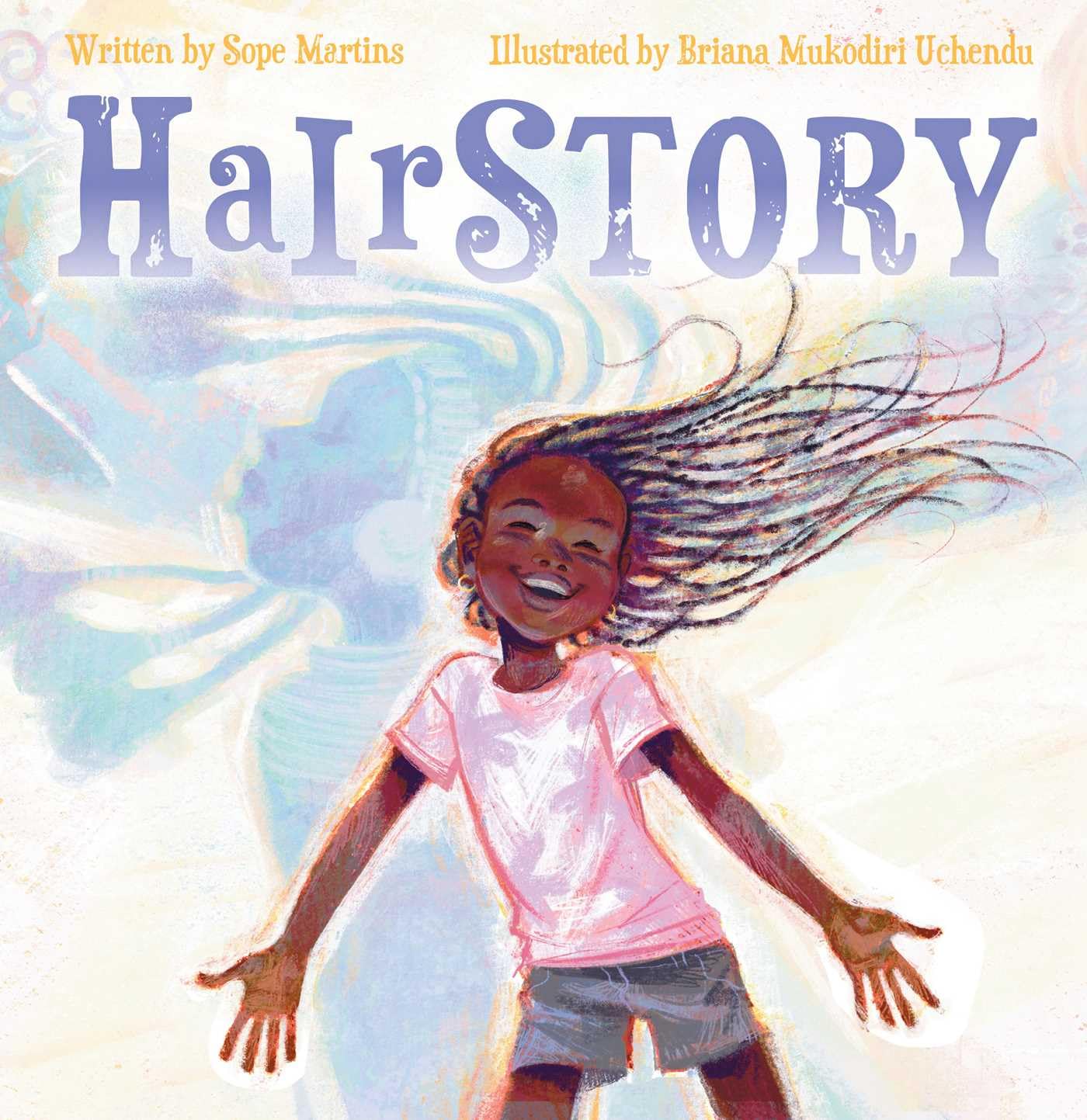
Hair Story
Author: Sope Martins
Illustrator: Briana Mukordiri Uchendu
Atheneum/​Caitlyn Dlouhy Books
6 January 2026
48 pages

Ryan’s five-​word review: History written strand by strand.

✨ 4.5 out of 5 living legacies


Sparkles for Sunny: A Lunar New Year Story
Author: Sylvia Chen
Illustrator: Thai My Phuong
Flamingo Books
2 December 2025
32 pages

Ryan’s five-​word review: Hand-​me-​downs, creatively reimagined. Sunny shines.

🐉 4.5 out of 5 golden dragons


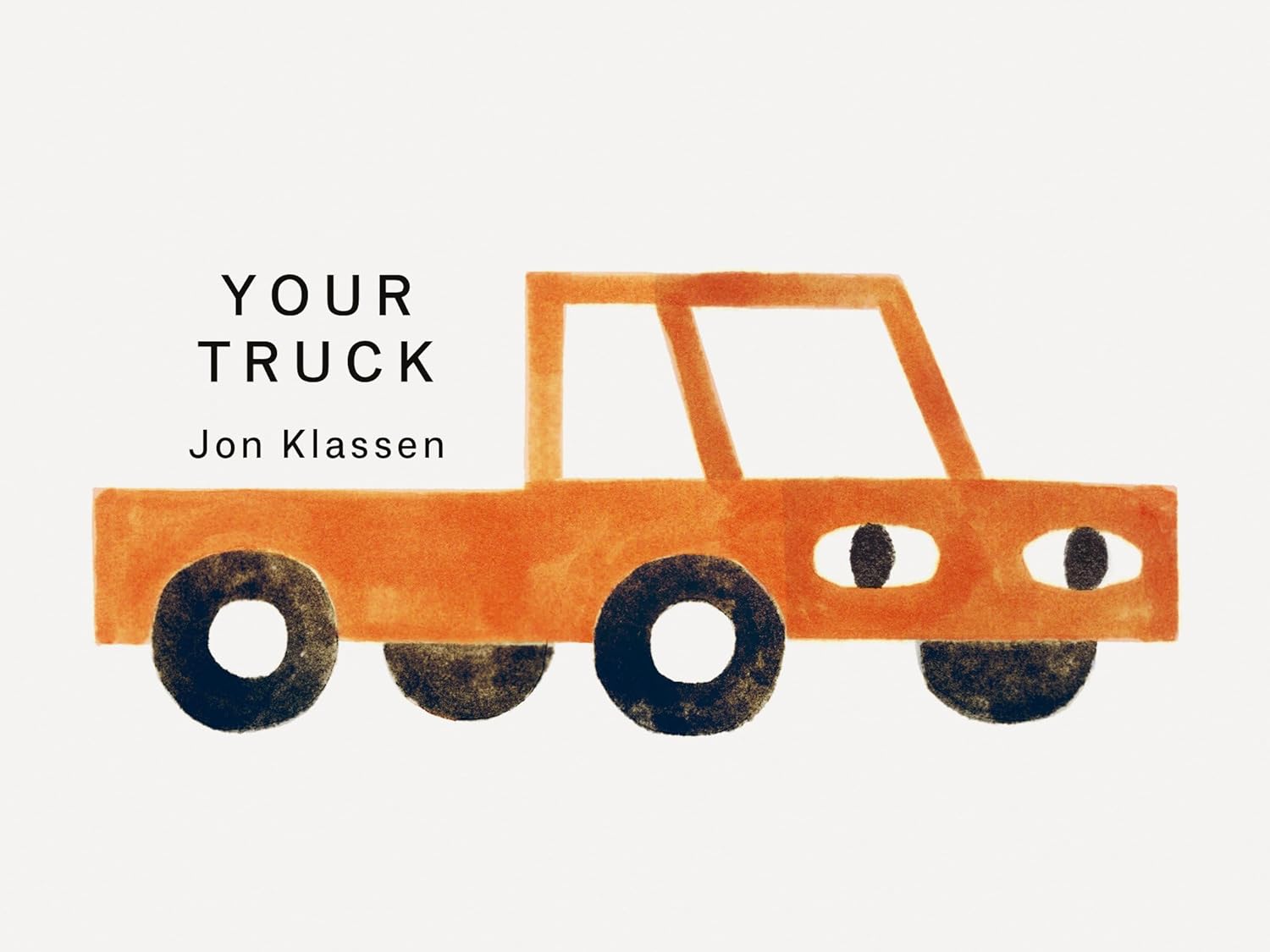
Your Truck
Author: Jon Klassen
Illustrator: Jon Klassen
Candlewick
6 January 2026
28 pages

Ryan’s five-​word review: Still truck—full of potential.

🚚 4 out of 5 waiting trucks