
Whenever I don’t have a picture book creator interview lined up for a second-week-of-the-month post, I’ve got two options.
- Skip the week’s post and hope no one notices.
- Create something of equal use to picture book creators.
I like flexibility, so I tend toward option 2. That’s what we’re doing this week.

Here we go!
It’s January, which means the internet is drowning in productivity hacks and motivational quotes from people who’ve already broken their resolutions by the time you’re reading this. But here’s the thing: most writing advice is either too vague (“write every day!”) or too prescriptive (“write exactly 500 words between 5–6am while standing on one foot and listening to Green Day”).
So here are ten resolutions for picture book creators that are actually achievable, actually useful, and—if I’m doing this right—actually entertaining. These come from my work as an editor at Bushel & Peck Books and from working with writers who’ve made these exact mistakes (including past me, who made ALL of them…often more than once).
1. Read at least five picture books you absolutely hate.
Not books that are badly written. I’m talking about books that are well executed on their own terms but collide hard with your personal taste.
Why? Because figuring out what you hate—and WHY you hate it—is craft gold. Is it the pacing? The voice? The ending that’s too neat? Too messy? Your taste is your compass. So sharpen it by purposefully bumping into things you despise.
2. Stop explaining your manuscript in your cover letter.
If your query letter includes phrases like “This story teaches children about…” or “The message is…” or “Readers will learn…”—delete them.
Your manuscript should do the teaching/messaging/learning-inducing. Your cover letter should answer: What’s the book about? Why does it matter? Why are you the one to write it? That’s it. Three questions, not three pages.
3. Delete your opening line. Then delete the next one.
I’m not saying your opening definitely needs to go. I’m just suggesting that it probably does.
Most manuscripts start too early—with setup, with explaining, with warming up. Your story truly starts when something changes, when tension arrives, when your character wants something they don’t have. Everything before that? Probably throat-clearing. Try starting on page two and see if anyone misses page one.
4. Join one writing group. Quit one writing group.
If you’re not in a critique group, find one. If you’re in three, quit two of them. Writing groups should make you better, not just busier. The right group pushes your craft, celebrates your wins, and tells you the truth about your work. The wrong group makes you feel obligated to show up, defensive about feedback, or completely exhausted by drama.
5. Read something that’s not a picture book.
 Middle grade. Young adult. Adult fiction. Nonfiction. Poetry. Graphic novels. Even—brace yourself—literary fiction. Picture books are a 32-page ecosystem, but the best ones borrow from everywhere.
You want to write tight? Read short stories. You want to nail voice? Read first-person YA. You want to build a world fast? Read the opening chapters of terrific fantasy novels. To borrow an idea from Austin Kleon: steal like an artist.
**He’s got a lot worth of other good ideas worth stealing. Maybe sign up for Austin’s weekly newsletter?
6. Answer your own “So what?” question.
Before you submit, before you revise, before you do literally anything else…answer this:
- So what?
- Why does this story matter to an editor?
- To an art director?
- To a sales rep?
- To a teacher?
- To a parent?
- To a kid?
If you can’t answer these easily and effectively, neither can anyone else. And if nobody else can answer them, your manuscript becomes someone’s “maybe pile” that turns into their “probably not” pile. Make it obvious why others they should care.
7. Stop submitting before your manuscript is ready.
You know that feeling when you finish a draft and immediately want to send it everywhere? That feeling is lying to you. It’s like an exciting first date where everything says go go go—and you already know that’s exactly when to slow down.
Sit on it for two weeks, or a month if you can stand it. Then read it fresh and realize what you missed: the saggy middle, the unclear motivation, the ending that felt brilliant at midnight but confusing in daylight. The best submissions are the ones that waited. The worst submissions are the ones that couldn’t.
8. Write three new first pages for your “finished” manuscript.
You’ve already revised your manuscript four nine eleven times. Great! Now write three completely new opening pages. Different POV, different tone, different first line.
You don’t have to use them—but the activity will show you what you’re attached to versus what’s actually working. Sometimes the thing you love most is the thing holding your story back. Find out BEFORE you submit.
9. Buy fewer craft books. Finish more manuscripts.
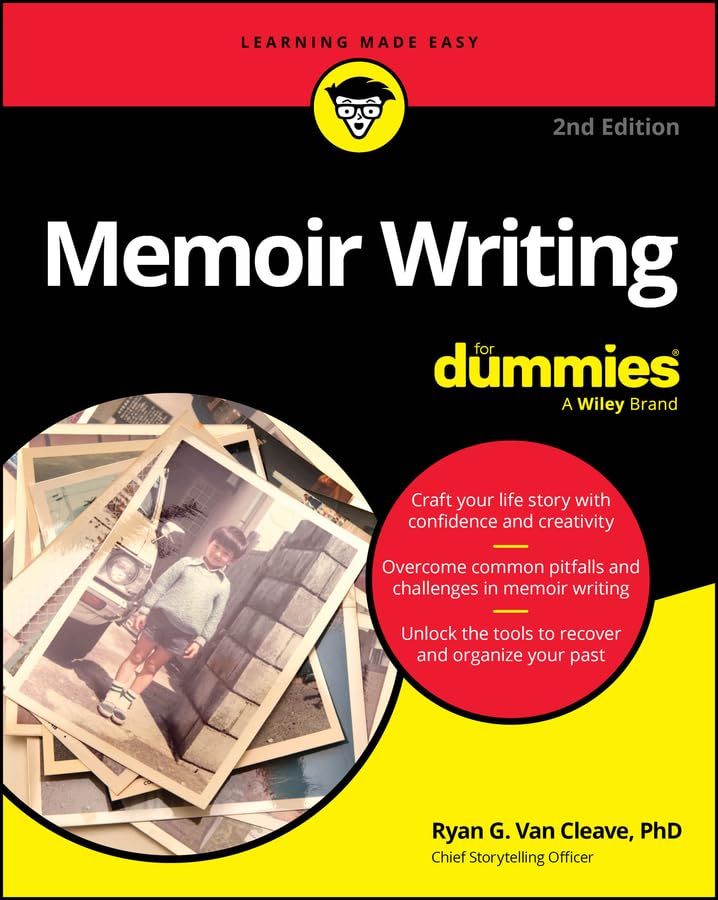 Writing craft books are fantastic. I’ve read plenty and even written a few. But if you’ve got six unfinished manuscripts and four unread craft books on your shelf, you don’t have a learning problem—you have a finishing problem.
- Pick one project.
- Write it badly.
- Revise it slightly less badly.
- Repeat until it’s good.
You’ll learn more from completing and revising one messy manuscript than from reading about how to write a perfect one.
10. Celebrate a rejection.
Not every rejection, of course…just a really good one. What’s that look like? It’s the kind that comes from an editor or agent you respect, who clearly read your work, who maybe even said something specific about why it wasn’t right for them. That rejection means you’re in the game. You’re being read by people who matter. You’re close enough to hear “not quite” instead of silence.
Frame it. Screenshot it. Whatever.
Just recognize that being rejected by the right people is progress.
So there you have it: ten resolutions that won’t make you a perfect writer but might make you a better one. Or at least a more self-aware one. And if you break all of them by February? You’re still ahead of everyone who’s still “planning to start writing soon.”
Now go write something!
Thank you for this, it is the right pat on the shoulder I needed to start the new Year!
Awesome to hear. Thanks for the feedback and good luck with your writing in 2026!
BEST resolution advice EVER! Especially #6. That really gave me something o think about.
Love hearing this. Best wishes for you and your writing career in 2026!