 My Block Looks Like
Author: Janelle Harper
Illustrator: Frank Morrison
2 January 2024
Viking Books for Young Readers
40 pages
Book description from Goodreads: “A love letter to the hustle, the bustle, the joy, and the grit of city life by debut author and Bronx native, Janelle Harper, and two-time Coretta Scott King Illustrator Award winner, Frank Morrison.
A lyrical and proud picture book that recognizes the beauty of the bodegas, subways, and playgrounds that characterize everyday life in the Bronx and pays homage to the ways that its residents have shaped pop culture through music, visual art, and dance. Perfect for fans of I Am Every Good Thing and Last Stop on Market Street, My Block Looks Like offers kids a reaffirming message to celebrate and uplift their communities in an energetic text that begs to be read aloud.”
Need some reviews of My Block Looks Like?
Reading Activities inspired by My Block Looks Like:
- Before Reading–From looking at the front cover:
- What do you notice first on the cover?
- What clues tell you this neighborhood has a lot of movement and energy?
- What sounds do you imagine hearing on this block?
- How do the colors make the neighborhood feel?
- What details on the cover make this block feel like a place people know well?
- What questions would you like to ask the author or illustrator before reading the book?
- After Reading–Now that you’ve read the story:
- What details make this block feel alive?
- Which part of the neighborhood would you most want to visit, and why?
- How do the words and pictures show sound, rhythm, and movement?
- What ordinary places become special in this book?
- How does the illustrator show pride, joy, or confidence in the people on the block?
- What does this book suggest about the connection between place and identity?
- Would you recommend this book to a friend? Why or why not?
- The Beat of the Block: Think about a place you know well and make a “beat list” for it. What do you hear there? Sneakers squeaking? Doors closing? Music playing? Dogs barking? Cars passing? Turn your list into a short chant or read-aloud poem that begins, “My block sounds like…”
- A Place with Personality: Choose one place from the book, such as a bodega, subway, playground, sidewalk, street corner, or mural. Then choose one place from your own community. What makes each place feel alive? Write a few lines comparing them.
- Sidewalk Snapshot: Imagine you could freeze one busy moment from your neighborhood. Who would be there? What would they be doing? What details would make the scene feel real? Create a quick “snapshot” with words, pictures, or both. Try to include at least one tiny background detail someone might miss at first.
- My Block Looks Like…: Use the book’s title as your starting point. Finish the sentence “My block looks like…” in three different ways. One answer can focus on what you see, one on what you hear, and one on how the place makes you feel. Push past easy answers and look for the specific details that make your place yours.
- Neighborhood Pride Postcard: Create a postcard from your block, street, town, or favorite local place. On the front, show one image that captures the spirit of the place. On the back, write a short message to someone who has never been there before. What would you want them to notice first?
- Books, Books, and More Books!: Check out these picture books about neighborhoods and noticing the places that shape us:

Last Stop on Market Street by Matt de la Peña, illustrated by Christian Robinson
A boy and his grandmother ride a bus across the city, and the trip shifts how he sees the world around him.
 Maybe Something Beautiful by F. Isabel Campoy and Theresa Howell, illustrated by Rafael López
A girl shares her art with her neighborhood, and this small creative act turns into something so much bigger.
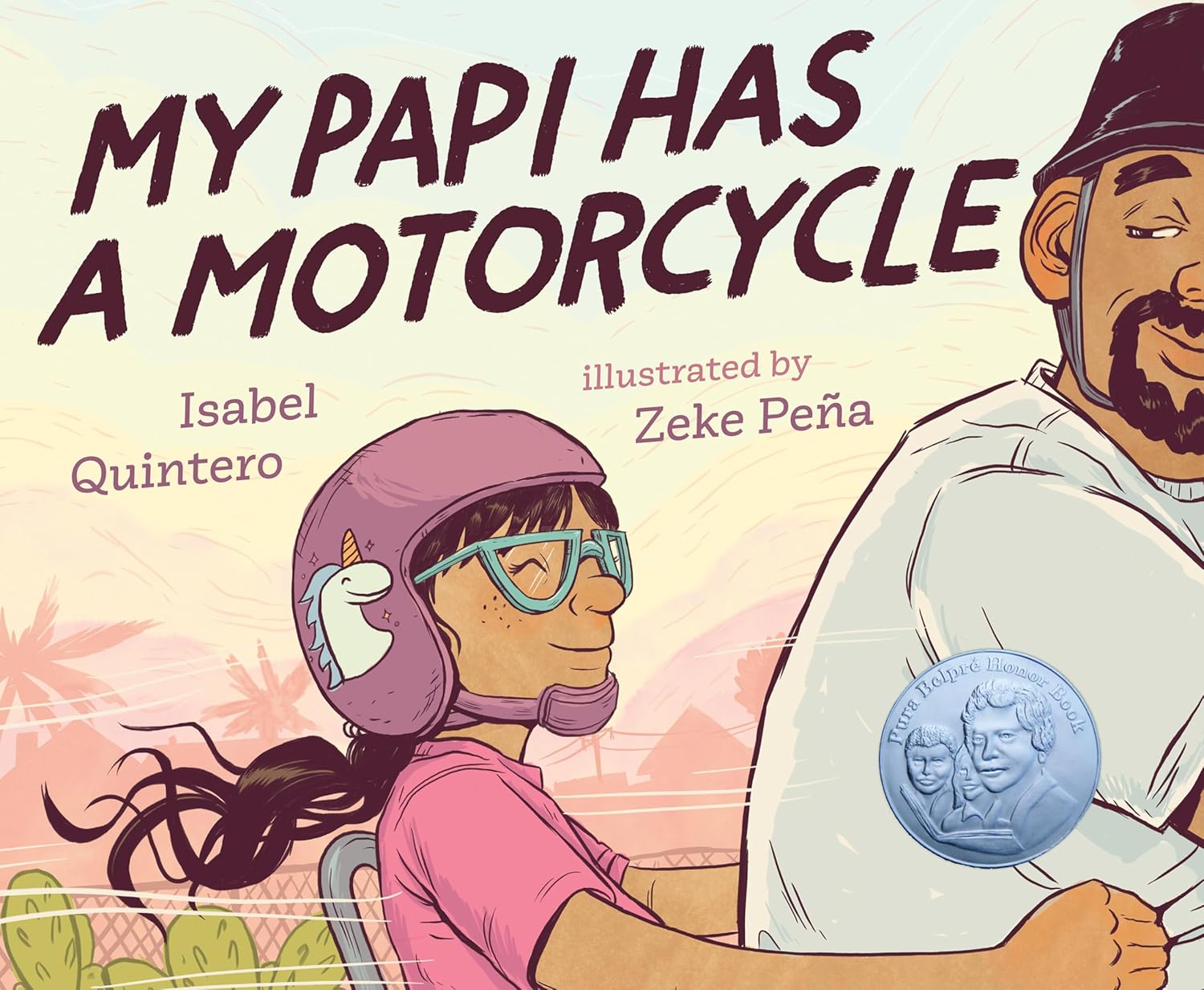 My Papi Has a Motorcycle by Isabel Quintero, illustrated by Zeke Peña
A girl rides through her neighborhood with her father, taking in the people, places, smells, and sounds that make it home.
 Uptown by Bryan Collier
A boy celebrates Harlem through brownstones, barbershops, music, food, art, and neighborhood landmarks.
 The World Belonged to Us by Jacqueline Woodson, illustrated by Leo Espinosa
A summer city book about the freedom, noise, and joy of kids playing outside.


