
Welcome to Mela Bolinao, founder of MB Artists, an illustration agency that represents more than 60 children’s book illustrators from around the world.
Mela has a background in art history and visual arts from Barnard College, and she’s spent more than two decades helping artists connect with publishers, art directors, and other clients across the children’s market.
If you’ve ever wondered what makes an illustrator portfolio stand out, how artist reps find new talent, or what illustrators need to understand about the business side of kidlit, this interview is for you.
RVC: What first pulled you toward the children’s illustration world?
MB: Honestly, I was pre-med when I entered Barnard College. When I switched my major to art history with a concentration in visual arts, my plan was to pursue art therapy. Once I graduated, I landed a job offer as an assistant to an art rep, a job that I did not know existed. The agent was Harriet Kasak of HK Portfolio.
At the time, I thought being around children’s book illustrators and illustrations would give me the opportunity to understand art/imagery better. My initial plan was to work with the agency for 2 years and go back to grad school for art therapy.
RVC: How does your art background shape the way you look at children’s book illustration today?
MB: My background in art history shaped the way I review portfolios and define my style preferences when I decide to represent an illustrator. My Visual Arts concentration gave me a better understanding of the basic requirements of how to draw human anatomy, proportions, depth/perspective, composition, texture, line, pattern, and color palette.
RVC: What led you to become an artist representative vs doing art therapy or something else?
MB: Luck and Harriet Kasak’s persistence in keeping me as her assistant. After 2 years of working with HK Portfolio, the agency started representing additional artists. Harriet was a great mentor and allowed me to take on artists that I thought would be a good addition to her roster.
At the time, Harriet and I divided the 2 main markets between us, I managed the artists working on textbook market while she worked with the illustrators whose styles primarily lean on the trade market. I remember being reminded several times that my position at HK Portfolio was supposed to be temporary that grad school was calling. However, Harriet would dissuade the notion and eventually presented the opportunity of a lasting partnership with the agency and becoming an art rep.
I think I knew after a couple of years that this would be my path. It was my first job right out of college; I took the reins and became owner of the agency in 2003 when Harriet passed away from cancer. It is important to note that I am still loving what I do and still get excited to hear about books we work on.
RVC: For readers who might be new to this side of the business, what exactly does an artist rep do?
MB: The art rep is the illustrator’s extension. It is my job to market and manage the illustrator’s portfolios, reach out and find sectors that fit the artist’s style, and ultimately acquire projects for my illustrators. As an agency we manage the acquisition, contract negotiations, fees, billing and collections so the artist can focus on creating art.
Artist rep is the illustrator’s partner, one can say that I am a “wife or husband,” emotional support otter/rabbit/dog, psychiatrist, cheerleader, fan, parent, etc.
RVC: What was the very first book deal you made as an artist representative?
MB: Since I started working in textbook publishing, the first job I got was for the  Scholastic Reading Program–it was a huge project that I managed to get 8–10 illustrators approved. In terms of trade book deals, the most memorable contract I worked on was for the Flat Stanley series that lasted over 6 years for multiple titles.
RVC: What did that first sale teach you that still shapes the way you approach the business today?
MB: A project is a group effort. Every job has multiple drivers – author, publisher (editor/art director/art designer/ marketing dept) and illustrator. Every project consists of several moving parts that need to function properly, creatively, and respectfully. It is important to have patience and open-mindedness as things sometimes do not run smoothly. That group effort reinforces the importance of keeping ego out of any project.
RVC: MB Artists has been around for more than two decades now. How has the job changed since you started?
MB: I celebrated 30 years in this industry last year.
RVC: Congrats on that!
MB: When I started, we used to send actual portfolios to publishers. For b/w projects, I remember standing and feeding the fax machines line art samples. I spent a lot of time talking to clients for inquiries or portfolio requests over the phone. Besides my best friend’s phone number, I memorized the number for Breakaway, a bike messenger service for pick-ups and drop-offs. Nowadays, all of that happens online. The internet was a game changer. Websites and social media are prevalent. The internet brings about a bigger community of creatives and exposure to clients as well as illustrators around the world. Luckily, I still meet with clients in person to catch up.
I think it is still important to see clients in person. In the textbook market, there used to be many design firms working for educational programs. As an agent, I am now sometimes acting as an art buyer where the publisher hires me to manage the program from artist suggestions, assignments and coördination.
RVC: When you’re looking at a portfolio, what’s the difference between someone who can create strong individual images and someone who clearly understands visual storytelling across an entire picture book?
MB: One great image can be a one-hit wonder. It can be a snapshot of a moment like a photo of a person or event. A one-of-a-kind image that stands on its own.
Visual storytelling requires a vision that consists of a beginning, middle, and end. It requires careful thought process of how to balance characters, emotions, interactions, movement, perspective, compositions and the thread that brings it all together. Visual storytelling requires character consistency from the beginning to the end. It is one thing to be able to draw but to tell a story is another level of artistry that keeps the reader engaged, interested, excited, emotionally challenged, and obviously entertained. A good storyteller should be able to capture the nuances, the details, the history, and experiences through a series of illustrations.
RVC: You’ve mentioned that hands, feet, body positioning, and facial expressions are especially important to you in portfolio samples. Why do those specific things matter so much?
MB: They are the cornerstone of storytelling. Most stories, if not all, are character driven. To have unique and lasting characters, the illustrator needs to exhibit how a character’s facial expressions, body position, all the way to his/her hands and feet to convey the story and engage the reader. To be a good illustrator is to have his/her character become an icon that has a lasting impression on the reader.
To add—an illustrator should be able to show the foundation of drawing and what best way to demonstrate that talent is to see how an illustrator draws the human form.
RVC: You represent artists working in a lot of different styles. What makes an illustrator’s style feel distinctive versus simply trendy?
MB: I don’t pay attention to trendy styles. I based my decision first on the fundamental requirements of being an artist, the ability to draw. Then I have a checklist that follows that will eventually define the signature look of the illustrator. All styles can be grouped in several categories. The way an artist determines how to illustrate characters with emotional depth and personality is key in growing a signature look. Once a signature style is established, then the rest follows in incorporating the environment, secondary characters, use of perspective, color palette, contrast, texture, etc. to make the style distinctive and unique. Trends are temporary. A good illustrator can incorporate trends in his/her style. A signature look is long lasting and permanent.
RVC: Social media has changed the way illustrators get discovered. How much attention do you pay to platforms like Instagram when scouting for new talent?
MB: Online or social media presence helps me review how the illustrator’s style progresses. I have approached some illustrators after seeing them on Instagram, but it is not my go-to source for discovering talent. I still rely on artists reaching out to me for representation. I think social media is a great outlet to assess the competition. It is also a great resource for trends and style research.
RVC: What’s a hard truth about the illustration side of kidlit that more people need to hear?
MB: Publishing is always evolving from style and market trends to overall consumer demand. Our industry also reflects current social, entertainment, and political environment. It is interesting to note that the interaction between publishing, education, and entertainment that shapes cultural narratives, emotions, and public opinion. Kidlit is cyclical—themes, styles, trends, and even book formats. To work in kidlit you need to be open minded, to evolve, and most importantly continue to grow as a creative.
RVC: What’s a portfolio mistake illustrators still don’t realize is hurting them?
MB: Illustrators need to know their target audience and how to use their strength and avoid their weakness when putting together a portfolio. In addition, once you know the target audience which then helps dictate the format you are after, a body of work consisting of 12–18 strong images to showcase your signature style will be ideal. Remember that less is better to capture one’s attention. Most clients looking for talent would rather see style consistency rather than a body of work with no style direction.
RVC: Since COVID, I’ve tried to ask every interview subject a health and wellness question. The illustration world can feel isolating sometimes, especially for freelancers working alone all day. What’s your best advice for illustrators trying to stay creatively energized without burning themselves out?
MB: Take a moment to spend time outdoors—to get inspiration. It can be as simple as walking in the park, visiting a playground or a library, sitting on a bench, sipping coffee or tea in a café and really observing your surroundings. By doing so, you get inspiration for the characters existing doing daily routines. Make sure to notice how the way the clothing affects the appearance of a person, to study body stances, and pay closer attention to kids’ facial reactions, etc. without appearing to be a stalker. Learn to observe and quickly document what caught your attention. It can be as simple as liking the way a scarf is worn or blowing in the wind. Then try to incorporate it in your illustration. Not only will it bring “life” to your work, but it will encourage you to take a moment to get away, breathe, and let your art carry you without stress and commitment.
RVC: In all your experience with the world of kidlit, what has most surprised you?
MB: The acquisition of smaller houses. 30 years ago, there used to be different houses with unique niches but nowadays, it has gotten smaller. Now we keep hearing about the big 5 publishers. Also, as technology keeps evolving, there is always a panic that kidlit is ending. But kidlit has withstood the changes and evolution. Now that we hear more about AI–I am grateful that kidlit is still committed to unique artistic styles away from AI.
RVC: One final question for this part of the interview. What are a few forthcoming projects you’re especially excited about right now?
 MB: I have so many favorites. I look forward to seeing Sherlock Roach grow into more titles. All the books so far are all so fun and entertaining. I have some projects by self-publishing authors that I am excited about as well
RVC: Okay, Mela. It’s time for the SPEED ROUND. Fast questions and zippy-quick answers. Ready?
MB: I love speed round questions—let’s go!
RVC: A portfolio review marathon requires emergency snacks. What’s your go-to?
MB: Pirate’s Booty—my weakness.
RVC: Which picture book character would make the absolute worst client?
MB: The Good Egg. It will be like a nonstop process of walking on eggshells.
RVC: If you could live in the world of any picture book, which would it be?
MB: The Bad Guys—not a picture book but they are just too cool, and I want to be one of the crew.
RVC: What’s one picture book you wish more illustrators would study closely as a masterclass in visual storytelling?
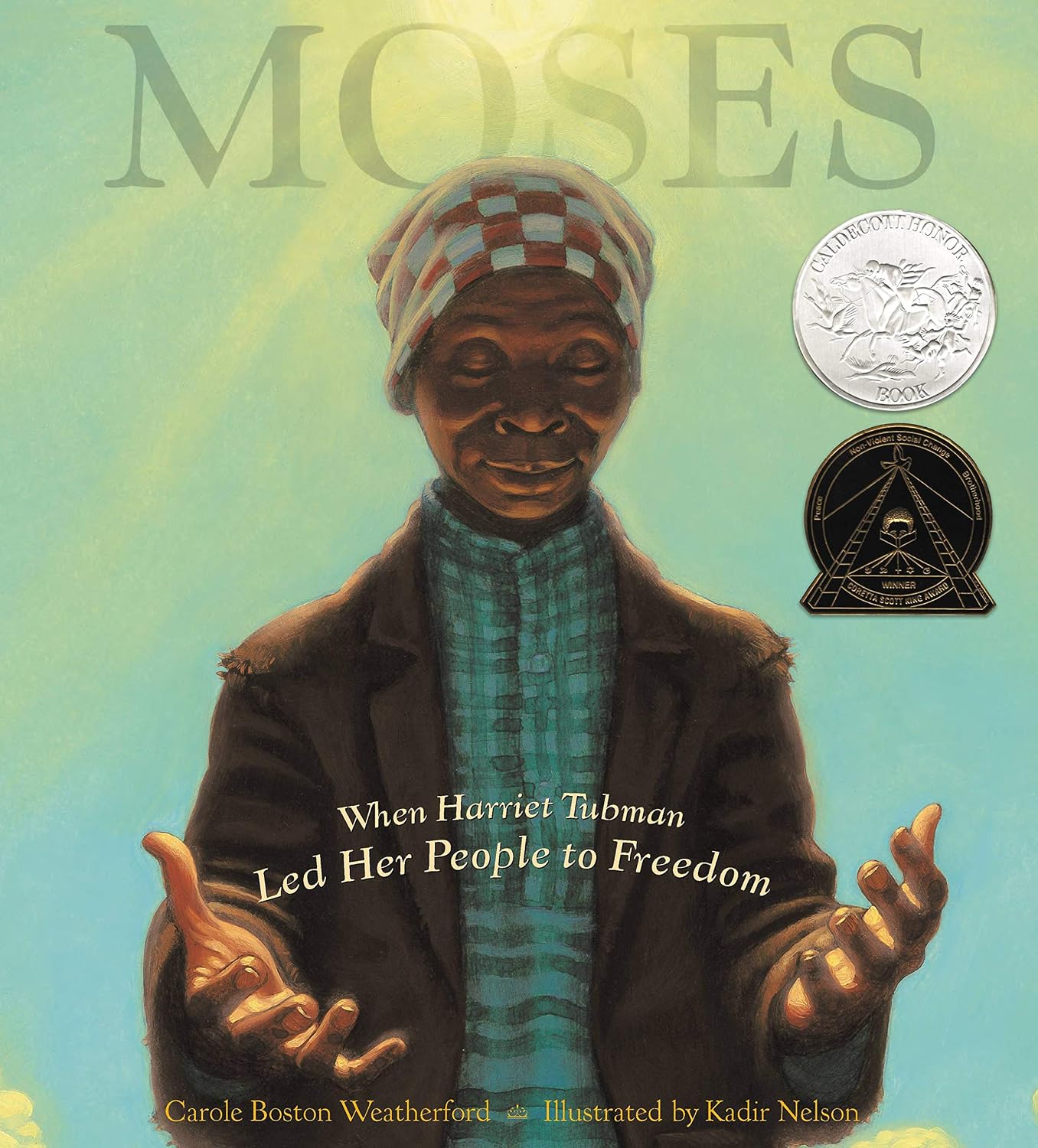 MB: Moses: When Harriet Tubman Led Her People to Freedom illustrated by Kadir Nelson.
RVC: What’s one children’s book illustration trend you’d be fine seeing less of?
MB: Graphic Novels. It is a huge commitment and a lot of work for a short period of time.
RVC: Complete the sentence: “The illustrators who last in this industry are the ones who…”
MB: …continue to grow as artists. Art is not stationary. It is always moving and evolving.
RVC: Thanks so much, Mela!