

 How to Say Hello to a Worm: A First Guide to Outside
Author: Kari Percival
Illustrator: Kari Percival
22 February 2022
Rise x Penguin Workshop
40 pages
Book description from Goodreads: “Say hello to worms, dirt, peas, and more in this gentle how-to guide for connecting with nature.
The beautiful simplicity of a garden is depicted through digital woodcut illustrations and engaging nonfiction text presented as a series of sweet questions and gentle replies. Less of a traditional how-to and more of a how-to-appreciate, this soothingly sparse text paints an inviting and accessible picture of what a garden offers. And with an all-child cast, the absence of an adult presence empowers readers to view the garden and its creatures through their own eyes, driven by curiosity and wonder.
This delightful book embodies the magic of gardening and encourages all readers, from those who LOVE the outdoors to those with hesitation, to interact with nature at their own, comfortable pace.”
Need some reviews of How to Say Hello to a Worm?
Reading Activities inspired by How to Say Hello to a Worm:
- Before Reading–From looking at the front cover:
- What do you notice first on the cover?
- What kind of mood does this garden seem to have?
- Why do you think the title says “say hello” instead of “find” or “catch”?
- What clues suggest this book will be about more than just worms?
- If you could step into this garden right now, what would you want to look at first?
- What questions would you like to ask the author-illustrator before reading the book?
- After Reading–Now that you’ve read the story:
- What does this book suggest about how to behave outside?
- Which living thing in the garden felt most important in the book, and why?
- What small moments in the story show that noticing can be just as interesting as doing?
- How do the illustrations help the garden feel full of movement and life?
- What parts of gardening in this book look easy, and what parts require patience?
- What did this book make you want to notice, plant, or protect?
- Would you recommend this book to a friend? Why or why not?
- Garden Manners for Tiny Neighbors: Make a mini guide called How to Be a Good Garden Neighbor. Include three or four tips for meeting worms, ladybugs, bees, seedlings, or birds in a way that is gentle, curious, and respectful.
- Life Below the Lettuce: In the story, so much is happening above the soil and underneath it at the same time. Draw the garden from underground instead of above ground. What would a worm notice first: roots, pebbles, tunnels, moisture, or footsteps overhead? Add labels or short notes so your drawing becomes a little map of the hidden world.
- Pat, Poke, Sprinkle: This book pays close attention to simple garden actions like patting soil, poking holes for seeds, sprinkling water, waiting, and watching. Pick three garden action words and write a sentence for each that helps a reader feel that movement in their hands.
- Hello, Little One: Choose one garden creature or plant from the book and make it a greeting card that begins, “Hello, _____.” Inside, write two or three lines explaining why that living thing matters and how you would treat it kindly if you met it outside.
- Come Back Tomorrow: Gardens change slowly, which makes them perfect for repeat visitors. Fold a page into four boxes and imagine returning to the same garden over time: just planted, first sprouts, growing taller, ready to harvest. Draw what changes in each box and add one sentence about what surprised you.
- Books, Books, and More Books!: Check out these picture books about gardens, outdoor noticing, and the little wonders living all around us:
 The Curious Garden by Peter Brown
A boy notices one struggling patch of green and starts caring for it, little by little, until much bigger things begin to change.
 The Hike by Alison Farrell
Three kids head out on a hike and pay attention to absolutely everything.
 A Seed Is Sleepy by Dianna Hutts Aston, illustrated by Sylvia Long
This one turns seeds into something quietly astonishing and invites readers to look closer than they usually do.
 Up in the Garden and Down in the Dirt by Kate Messner, illustrated by Christopher Silas Neal
This is a terrific companion because it shows the garden as two worlds at once: the visible one above and the bustling one below.
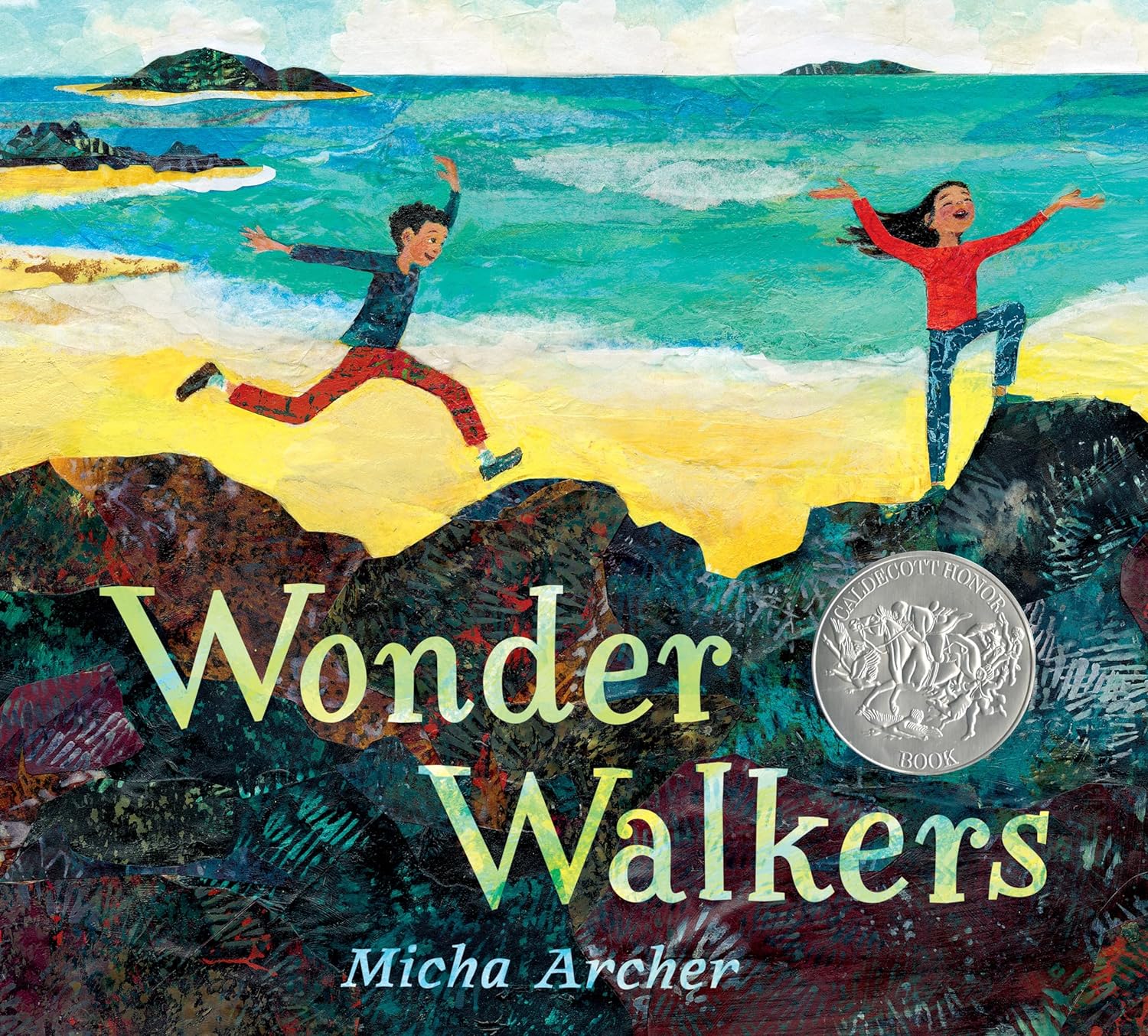 Wonder Walkers by Micha Archer
Two children head outside and ask the kind of big, surprising questions that only happen when people are really paying attention.


