Picture Book Reviews: Five-​Word Reviews for February 2026

We’ll switch back to the larger review format soon, but in the meantime, here are five new picture books to have on your reading radar. If you already know them, share your own five-​word review (or just general feedback about any of them) in the comments section.

Enjoy!


Bored
Author: Felicita Sala
Illustrator: Felicita Sala
Neal Porter Books
6 January 2026
48 pages

Ryan’s five-​word review: Productive boredom masterclass. Imagination unlocked.

🌀 4 out of 5 wandering thoughts


Croûton: One Cat’s Adoption Tail
Author: Kristine A. Lombardi
Illustrator: Kristine A. Lombardi
Random House Books for Young Readers
27 January 2026
40 pages

Ryan’s five-​word review: Cat chooses human. Purrfectly lovely.

🏠 4.5 out of 5 cozy landings


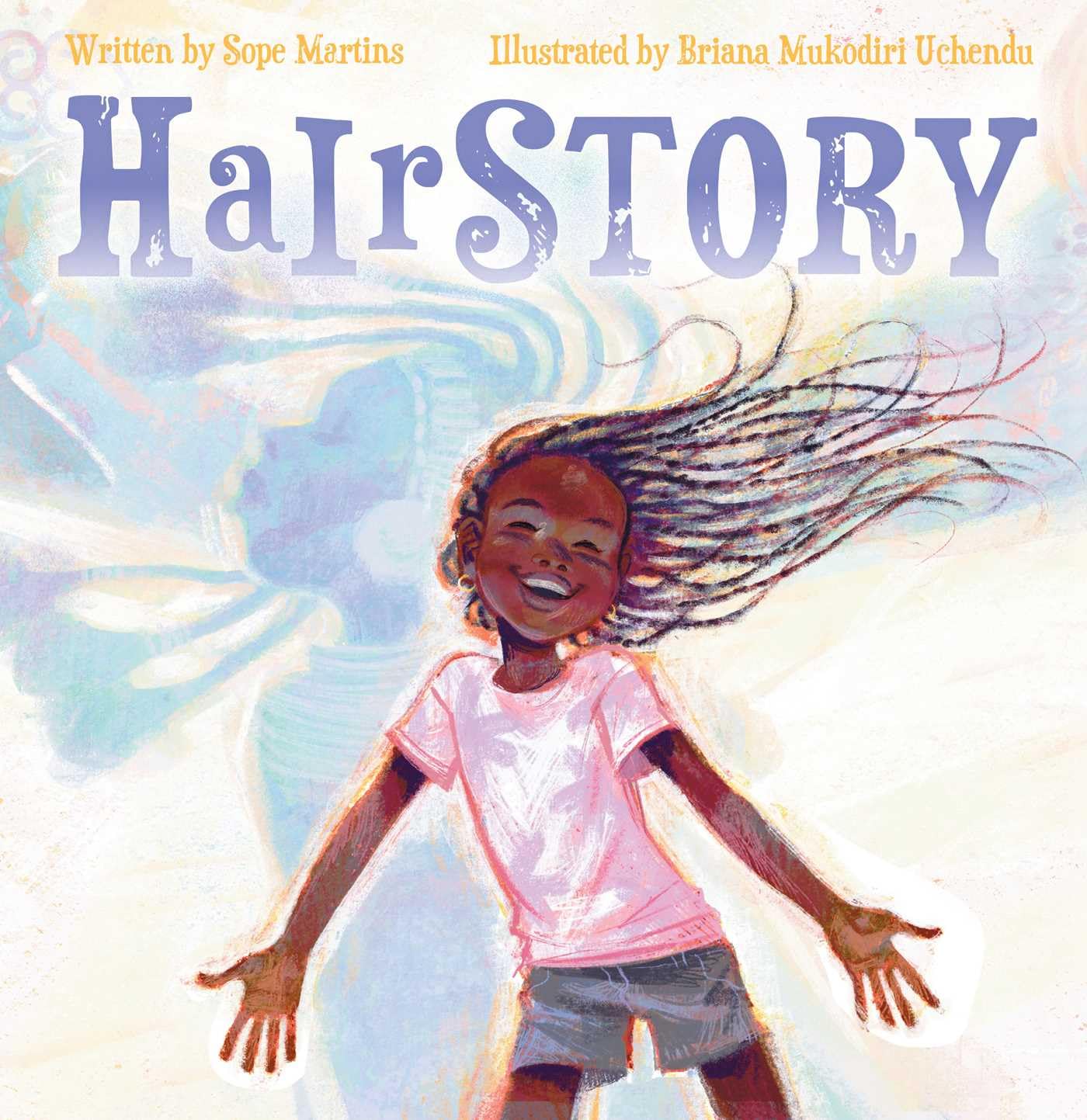
Hair Story
Author: Sope Martins
Illustrator: Briana Mukordiri Uchendu
Atheneum/​Caitlyn Dlouhy Books
6 January 2026
48 pages

Ryan’s five-​word review: History written strand by strand.

✨ 4.5 out of 5 living legacies


Sparkles for Sunny: A Lunar New Year Story
Author: Sylvia Chen
Illustrator: Thai My Phuong
Flamingo Books
2 December 2025
32 pages

Ryan’s five-​word review: Hand-​me-​downs, creatively reimagined. Sunny shines.

🐉 4.5 out of 5 golden dragons


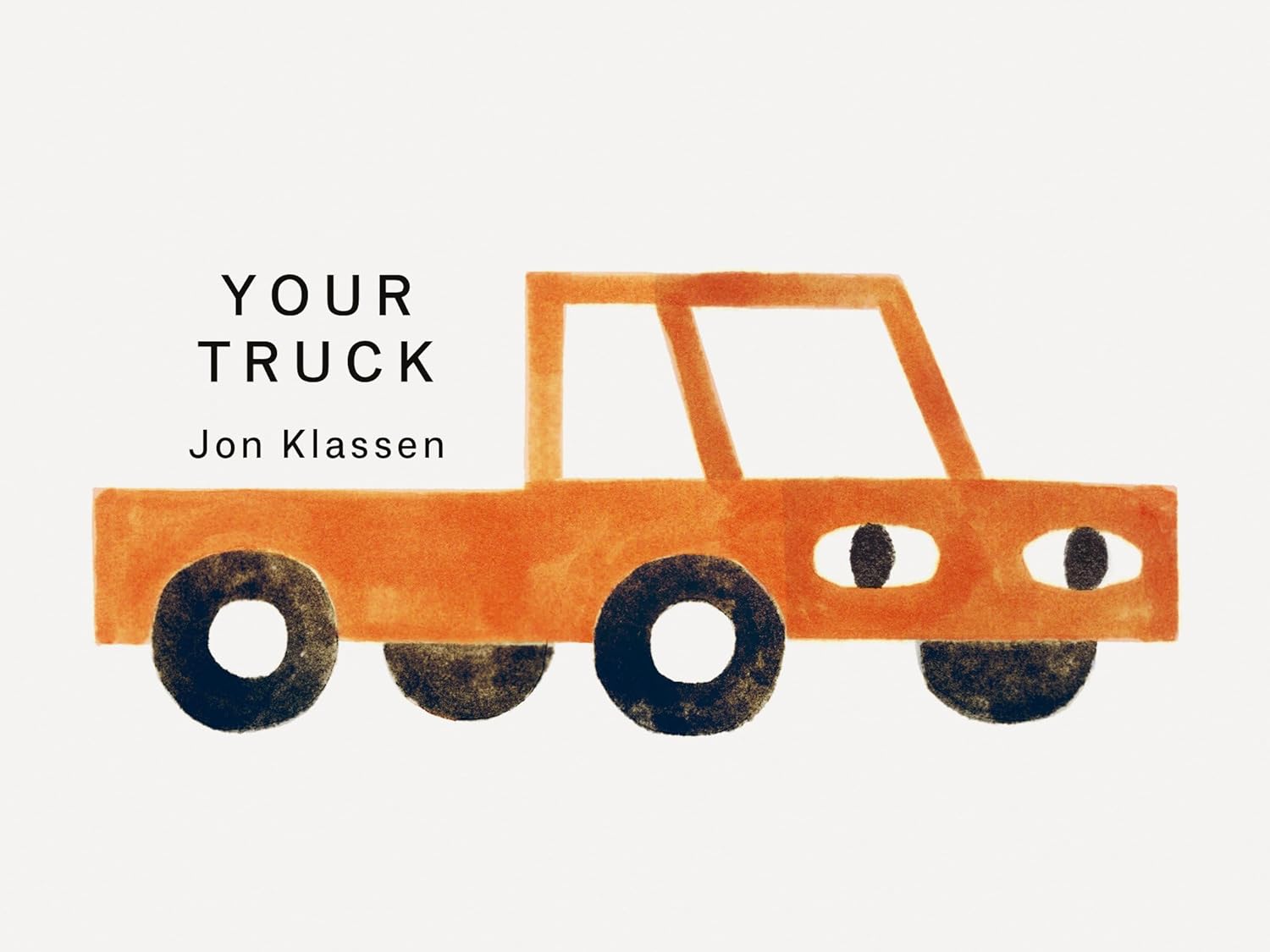
Your Truck
Author: Jon Klassen
Illustrator: Jon Klassen
Candlewick
6 January 2026
28 pages

Ryan’s five-​word review: Still truck—full of potential.

🚚 4 out of 5 waiting trucks

Insider Insights: Illustrator Bait–Write Lines that Invite Art

At our ACQUIRED! workshop this weekend, guest illustrator Fred Koehler shared a simple idea that lit up the room: write lines that give artists room to invent. He calls it “illustrator bait.” Your job as the text writer is to aim the scene and the feeling, then leave space for visual problem-​solving. That space is where style, timing, and humor explode.

Here’s a short guide with quick made-​up examples and a few mentor texts.

Aim the beat, leave the staging

You want clarity of intent, strong verbs, and an emotional target. Avoid pinning down props and choreography unless a detail is crucial to the plot or the joke.

Over-​scripted: Bob threw his left shoe at the big picture window.
Bait: Bob wanted the room to feel his thunder.

Over-​scripted: Lila tips a red bucket and water splashes Mom.
Bait: Lila turns mischief into weather.

Over-​scripted: The cat leapt onto the table and knocked the vase down.
Bait: The cat chose chaos.

Over-​scripted: Maya stacks three green books and stands on them to reach the shelf.
Bait: Maya finds a way to grow three inches.

Each “bait” line sets intention, mood, and consequence. An illustrator can stage a stomp, a bang, a glare, a toppled tower, a sudden rainstorm, or countless other choices that fit the book’s visual language.

When specifics matter

Sometimes the exact object or action carries story weight. Keep it when:

  • A later payoff depends on it, like Grandma’s locket that returns on the final spread.

  • The comedy hinges on a specific reveal, like the banana cream pie that must land somewhere impossible.

  • Nonfiction accuracy requires a precise mechanism, like a bee’s figure-​eight waggle on the comb.

Otherwise, write the aim and the effect, and trust the art team.

Mentor texts that leave room beautifully

  • Sam and Dave Dig a Hole (Mac Barnett, Jon Klassen): spare lines set intention, the pictures deliver irony and surprise.

  • They All Saw a Cat (Brendan Wenzel): simple refrain, wildly varied visual interpretations.

  • The Day the Crayons Quit (Drew Daywalt, Oliver Jeffers): voicey letters aim the emotion, illustrations choose staging and sight gags.

  • Extra Yarn (Mac Barnett, Jon Klassen): the text names desire and consequence, the art builds world and texture.

Pocket tests for your draft

  • Could three different illustrators thumbnail this beat three different ways and stay true to your line?

  • Does your line state intent, feeling, or consequence rather than prescribing props and blocking?

  • If a detail is specific, does the story truly need that exact thing later?

Workshops like ACQUIRED! work because questions like this sharpen pages for collaboration. Write the emotional arrow, give the scene direction, and let your illustrator fly it to the target.

Author Interview: Lindsay H. Metcalf

This month, we’re thrilled to welcome Lindsay H. Metcalf to the Only Picture Books Author interview series! Lindsay’s lyrical nonfiction and activist poetry have won plenty of awards—including the Green Earth Book Award and the ILA Social Justice Literature Award—and her growing body of work continues to inspire young readers to care about the world and their place in it.

From Beatrix Potter, Scientist to Farmers Unite!, No Voice Too Small, and the upcoming Tomatoes on Trial, Lindsay tackles unexpected topics with heart, clarity, and a journalist’s curiosity. She’s also just plain fun.

When she’s not researching or writing, Lindsay plays ukulele, sings pop parodies, and hangs out with her family (including a mischievous puppy and an old cat!) in rural Kansas, not all that far from the farm where she grew up.

Let’s get to know Lindsay!


RVC: You started as a journalist. What made you decide to shift from newspapers to children’s books?

LHM: I had two babies in a seventeen-​month span and decided to stay home with them. In those early days, the library and reading fueled our daily rhythm. I hadn’t picked up a picture book since I was a child, and wow, had they evolved! Discovering titles such as Stuck by Oliver Jeffers and I Want My Hat Back by Jon Klassen, I loved them as much as my kids did. I thought, how hard could it be to write one? Boy, was I naïve.

RVC: Been there!

LHM: It took me two years of fumbling with fiction manuscripts to discover that, actually, I’m much better at nonfiction. Duh—I was a journalist. I didn’t enjoy reading nonfiction as a kid, but as an adult I realized my love of narrative nonfiction where the truth comes alive as sensory-​laden story.

RVC: What skills from journalism carry over into your work as a nonfiction author?

LHM: One of my journalism professors used to say, “If your mother says she loves you, check it out.” That emphasis on vetting research has served me well in all kinds of nonfiction writing. I also grew a thick skin as a newspaper reporter. With daily deadlines, my editors didn’t have time to sugarcoat their critiques. I learned to detach my ego from the writing, which has served me well with the endless flow of rejections in kidlit.

RVC: Let’s jump right to your picture book debut, Beatrix Potter, Scientist. How did that project begin?

LHM: I happened upon this post from The Marginalian detailing Beatrix’s early work as a mycologist. She had written a paper for the Linnean Society of London—what?? Although her books were burned into core memories, all I could tell you about her was that her name appeared in all caps on her book covers.

I loved the idea that Beatrix had been more than one thing—a scientist and a children’s author, and later a conservationist and sheep farmer—pivoting just like I had in my own career. When I discovered that her extensive diary detailed her scientific research, I cuddled up with her words not as a child with a bedtime story but more like two friends chatting over tea.

RVC: What surprised you most during your research into Beatrix’s life and work?

LHM: To keep her parents from reading her diary, she wrote it in a letter-​for-​letter substitution code, later cracked by researcher Leslie Linder. She wrote near-​daily entries for sixteen years. Today anyone can read The Journal of Beatrix Potter from 1881 to 1897, a testament to her brilliant mind and determination.

RVC: That’s amazing. Thanks for sharing all of that! Now, let’s talk about Farmers Unite!, which feels especially personal given your Kansas roots. Did you grow up hearing about the 1979 tractorcade?

LHM: I did not! That’s why I was so amazed when I saw this picture of a local farmer’s tractor in 2016.
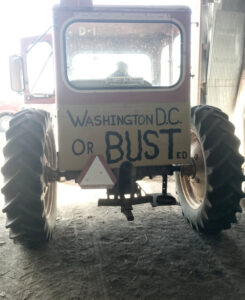
Why on earth would this 1940s tractor be driving from Kansas to Washington, DC? After some Googling, I found out about the American Agriculture Movement protests. In January 1979, farmers from points across the country formed tractor parades—“tractorcades”—thirty miles long en route to the nation’s capital. The movement remained active through the Eighties and inspired Willie Nelson and friends to host the first Farm Aid concert. I remembered the concert but had no knowledge of its roots.

I felt compelled to tell the farmers’ story of fighting to keep their farms alive during the farm crisis—and fighting to continue putting food in the bellies of their fellow citizens. I began writing this story at a time when gun violence protests were sweeping the country and wanted to tell the story of how farmers had found their own way to raise their voices. Today, with tariffs, climate change, and other factors, food producers still face livelihood-​threatening issues each day. Yet their stories are rarely told.

RVC: No Voice Too Small and No World Too Big spotlight youth activism. What did you learn from the young people featured?

LHM: I learned that if young people have the creativity, persistence, and fortitude to speak up and work together to make change, then adults have no excuse.

RVC: Both books have co-​editors working alongside you. How did that process go?

LHM: It went so well that we are currently working on two follow-​up projects together. My co-​anthologists Jeanette Bradley (also the illustrator) and Keila Dawson and I will release a third title in the young activists series in June 2026. It’s called No Brain the Same: Neurodivergent Young Activists Shaping Our Future, and it won’t be long before we can reveal its gorgeous cover! We are also working on a meaty middle-​grade nonfiction project that hasn’t been announced.

RVC: Let’s talk tomatoes! What inspired your almost-​here picture book, Tomatoes on Trial?

LHM: A Facebook friend posted a meme about the 1893 Supreme Court case in which tomatoes were declared a vegetable. My mind churned with the possibilities for a children’s book. Immediately I could see the layers: courts/​debate, food fight humor, history… With my curiosity piqued, I dove into the research rabbit hole and learned the story of produce merchant John Nix, who imported a boatload of Bermudan tomatoes and was slapped with a 10 percent vegetable tariff. Nix believed tomatoes were fruits and took the New York Customs House collector to court.

RVC: What made this story feel important for kids to know?

LHM: When I started working on the story in 2021, I imagined kids using the book as a springboard for learning to research, verify sources, construct an argument, and hold debates. Kids tend to get indignant when I tell them that the Supreme Court declared tomatoes a vegetable.

But as the book releases in August 2025, there’s a whole other layer that I didn’t see coming: tariffs. The Nix v. Hedden case centered on the 1883 Tariff Act. Tariffs fell out of favor for many years, now, under the Trump administration, they’re back. This book is a low-​stakes introduction to that concept.

RVC: Can you share a craft challenge you faced while writing Tomatoes on Trial—and how you solved it?

LHM: No one had written a book about John Nix, so the only information I had about him was the snippets I found in historical newspapers. I had the bones of the Nix v. Hedden case, but not enough to write a picture book biography. So initially I set out to write about the history of tomatoes and how they were plagued by misinformation for centuries. The first drafts had a Magic School Bus feel, with an adult farmer sharing shocking tomato stories (including the Supreme Court case) with two fictional kids. And it wasn’t working.

Finally my friend and nonfiction guru Kirsten Larson helped me see how to cut through the morass with an episodic narrative rather than a full-​fledged biography. This helped me dig into scenes where “Team Fruit” and “Team Vegetable” flung dueling definitions. Nix v. Hedden is a simple case and inherently kid-​friendly, so this approach let me lean into the humor and write something surprising and relevant.

RVC: What’s your favorite part of the research process?

LHM: It’s that moment when, after you think you’ve uncovered every little fact about your subject, you do another search for good measure that turns up new details.

RVC: And the hardest part?
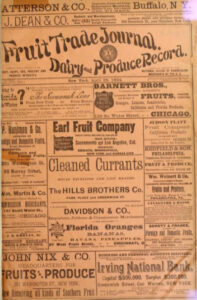
LHM: Image research! For Tomatoes on Trial, I had so little information about Nix that I didn’t know what he looked like. When Calkins Creek acquired the manuscript, they asked me to find images for the back matter, and it became a personal mission to find Nix. Finally, after weeks of searching, I found his obituary in an obscure online archive of the Fruit Trade Journal and Produce Record. To my delight, it included an etched portrait of Nix. I needed only a handful of images for the back matter, but I collected dozens in a secret Pinterest board and eventually shared them with illustrator Edwin Fotheringham. Nonfiction illustrators have such a difficult job, because they have to think about details that aren’t in the text: period clothing, architecture, etc. If I am already doing that research, I may as well share.

RVC: What does a typical writing day look like for you?

LHM: I am a stay-​at-​home mom of two teens, so there is no typical writing day, other than constant interruptions, chores, errands, and appointments. In between I try to list tasks I can do the next time I sit down with my computer. I typically work from the couch, feet up, with my Cavalier King Charles, Gus, and my 21-​year-​old tabby, Gertie, fighting for lap space.

RVC: Do you approach writing differently when the audience skews older (like for your YA title Footeprint)?
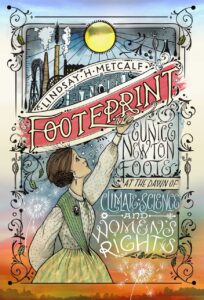
LHM: Yes and no. Footeprint: Eunice Newton Foote at the Dawn of Climate Science and Women’s Rights (February 2026, Charlesbridge), started in my mind as a picture book. Eunice was the first to discover carbon dioxide’s warming properties in 1856, and yet the “father” of climate science is considered to be one of her peers, John Tyndall, who published similar research three years later.

No one had written about her in a traditionally published book and I felt drawn to tell her whole story. It had climate science. The first women’s rights convention at Seneca Falls. Her own patented inventions and her husband as US patent commissioner. Meanwhile, their lives were intertwined with the nascent industrial revolution and the very seeds of climate change.

The best thing I did was write what I needed to write without placing restrictions on myself. I usually start wrapping my head around biography research by making a giant timeline of every fact I know, and then identifying a unifying thread. This book wanted to be more than a picture book, so I shoved my self-​doubt to the side and wrote it as it begged to be written. Her story came out in poems, and I had no idea it would be considered young adult until the book was acquired and my contract specified it.

RVC: A lot of kidlit writers seem to have stories that “came out in poems” these days. Why did this choice seem like the best option for telling this story?

LHM: It worked for several reasons. The subject matter was emotional, with a woman fighting for her right to be a scientist and inventor in an era when married women could not own property or hold patents. While I could feel the emotions behind the facts, I wanted to stick as closely as possible to nonfiction. I found letters written by Eunice and her family later in her life, but I had nothing but her formal patent applications for the time period that formed the crux of the book. Poetic devices—metaphor in particular—create ways to convey emotion without straying from facts.

Another aspect I loved about telling the story in poems was the choppy nature of a novel-​in-​verse. Each poem tells its own miniature story, without the need for much transition. In places where I had gaps in facts—sometimes years—the novel-​in-​verse form helped me bridge those pretty seamlessly through white space and creative poem titles.

RVC: What’s your best tip for writers creating a verse novel?

LHM: The same advice I’d give anyone trying a new type of writing: read great mentor texts, find like-​minded critique partners, and take classes. I learned a ton from Cordelia Jensen, who periodically teaches courses through the Highlights Foundation. Her next course—Revising Your Novel-​in-​Verse—runs November through mid-​December. Cordelia goes deep and offers critiques, and she’s a wonderful verse novelist herself.

RVC: What role do critique partners or writing groups play in your process?

LHM: They are essential! For the young activist books (No Voice Too Small, No World Too Big, and the forthcoming No Brain the Same) three of us work together, almost as a built-​in critique group. Because we’re in touch each day and we have regular calls, we do a lot of problem-​solving and cowriting in real time.

I share solo projects with a critique group that meets monthly, and if those folks have seen a manuscript too many times, I will send it to individual critique partners. Every single project of mine has improved based on astute critique feedback.

RVC: How do you know when a manuscript is done?

LHM: When my agent tells me it’s done. Ha! I find that after I’ve worked on a project for a long time, it’s tough for me to see its strengths and flaws objectively.

RVC: Here’s the last question for this part of the interview. What’s something you’ve learned/​run across recently that made you say, “Yes, yes, yes—THAT’S a book”?

LHM: It’s not my story to tell, but I think someone NEEDS to write about the Indigenous teens who are kayaking the 300-​mile Klamath River after the US government removed a long-​contested dam. This inspiring story of environmental justice and decolonization demands its own book!

RVC: Alright, Lindsay. Step back and take a breath—you’re going to need it. We’re now at THE LIGHTNING ROUND! Fast questions and zippy answers please. Are you ready?

LHM: Hit me.

RVC: What’s your favorite weird tomato fact?

LHM: In the 1800s, people took tomato pills as a cure-​all, from consumption to cholera.

RVC: Kansas sunsets or Kansas thunderstorms?

LHM: Post-​storm sunsets.

RVC: What song do you belt when no one’s listening?

LHM: Right now it’s “Pink Pony Club” by Chappell Roan.

RVC: One writing rule you always break?

LHM: Sentence fragments. And conjunctions at the beginnings of sentences.

RVC: The last great picture book you read that made you stop and reread a line?
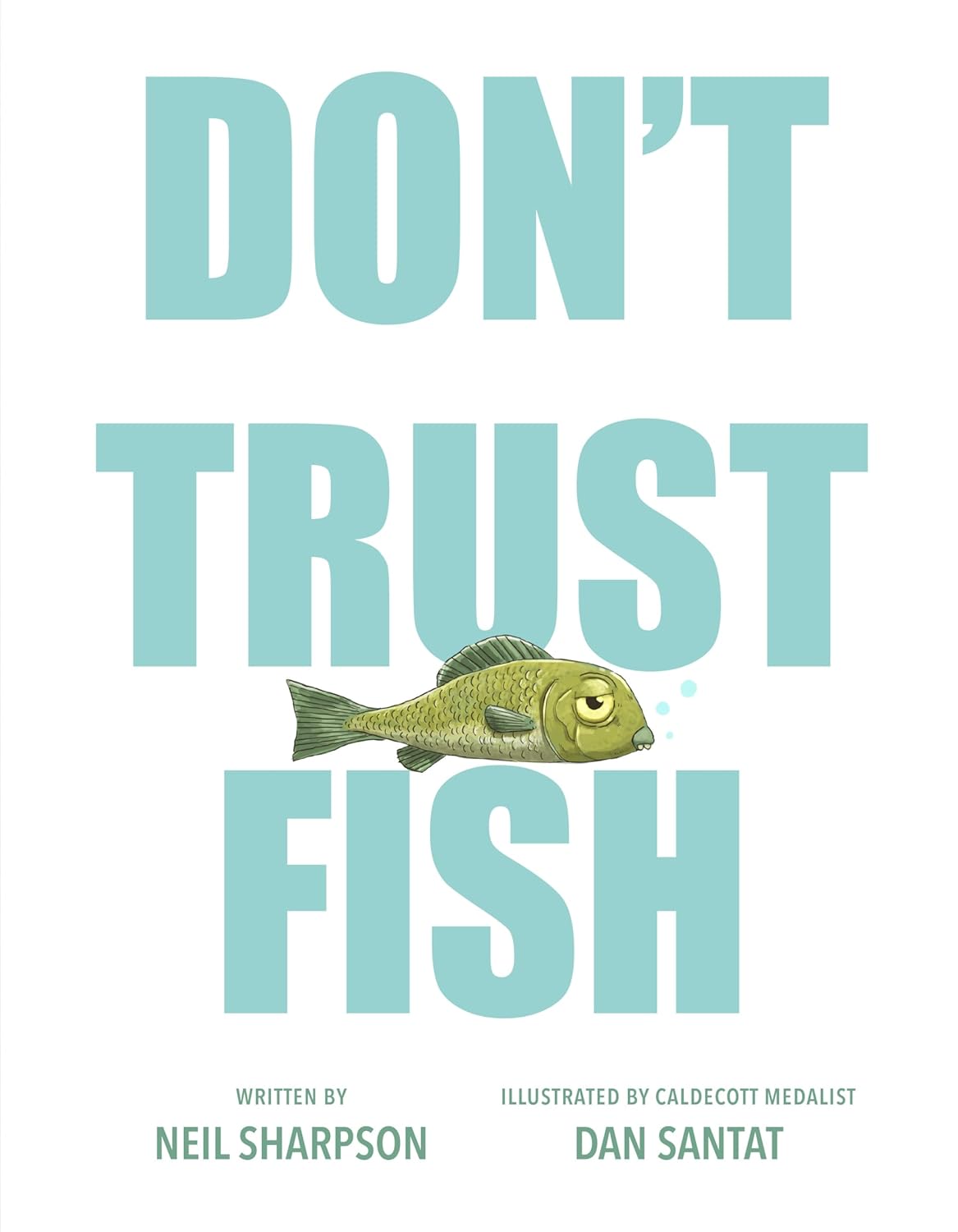
LHM: Don’t Trust Fish by Neil Sharpson, illustrated by Dan Santat.

RVC: One word you hope readers use to describe your work?

LHM: Thought-​provoking. I’m counting that as one word.

RVC: Thanks so much, Lindsay!

LHM: Thanks, Ryan! It’s been an honor.
Author Interview: Becky Scharnhorst

Thanks to guest interviewer Joyce Uglow for handling this month’s interview with Becky Scharnhorst!


Becky grew up in Northeast Wisconsin and spent most of her childhood playing in lakes and reading books. Shortly after graduating from Luther College, Becky spent a year working as a children’s bookseller and soon discovered she enjoyed reading picture books more than anything else. Now Becky spends her days writing children’s books and working at her local library. When she’s not reading or writing, Becky can be found hiking through the woods, baking something sweet, or thinking happy thoughts. She currently lives in Central Wisconsin with her husband, two kids, and a few too many pets.
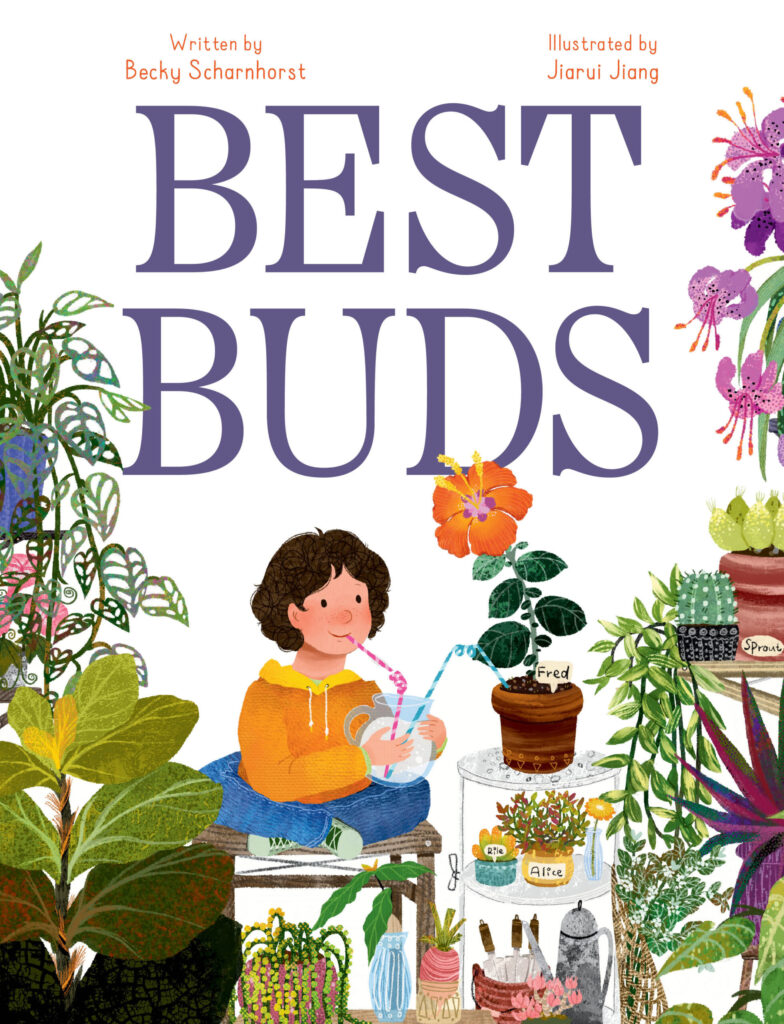

JPU: Best Buds is the most adorable book on earth, and I simply cannot wait for its release on July 8, 2025. Please share what you see as the power Best Buds can have on young readers. What do you hope will speak to kids?

BS: Thank you so much for your kind words about Best Buds! I’m thrilled to hear it resonated with you. My hope is that after reading this story young readers will feel empowered to trust themselves and to embrace their own unique self. In this story, Spencer is confident in who he is and in his choice of friends. He knows what qualities he’s looking for and he finds friends who have them. Even when others question him, he remains true to himself and his chosen friends. I hope young readers feel equally confident in who they are, and I hope it makes them consider what qualities are important to them when it comes to friendship.

JPU: Booklist had this to say about your picture book My School Stinks. “Along with being a good choice for children anxious about their first day, this offers a nifty exercise in reading between the lines. What is your favorite read between the lines in Best Buds?

BS: There is a spread near the beginning where Spencer learns he can buy plant friends at the farmers’ market. The text reads “On a trip to the farmers’ market, Spencer discovered he could even buy friends, though something didn’t feel quite right about that.” 

I love that line because it works on two different levels. Children will think it’s funny even if they don’t understand the hidden meaning behind that phrase because they know you can’t buy friends at the store or market. But older children and adults who do understand the meaning behind the phrase “buy friends” will know that the text is also saying something about the true nature of friendship.

JPU: Friendship. As a principal, I often gathered small groups for special friendship lunches. It would have been great to have a garden at our school to plant friendships. New ideas for picture books come to me when I’m traveling.  Does inspiration strike you when you’re at home, on vacation, at work, or other places?

BS: That’s an interesting question. I was going to say all of the above, but when I started going through my list of books and ideas, I realized most of them came to me when I was at home. I’m guessing that’s because home is where I’m most comfortable and where I can most easily quiet my mind. That said, I have worked out a lot of story problems while hiking, so the forest is another place of inspiration for me.

JPU: Home is where the heart is, right? Speaking of traveling, This Field Trip Stinks is hilarious! In contrast, I think the jokes in Best Buds are more subtle. Is there a line or a spread that makes you giggle?

BS: The spread that makes me giggle the most is the one where Spencer discovers he can buy friends at the farmers, market. However, a close second is the one where Spencer takes his plant friends to various locations. All of Spencer’s lines on that page make me laugh, but I especially love the one that comes right after the librarian comments on how many friends he has brought to story time. Spencer casually replies, “Don’t worry. They’re much quieter than Jeremy.”

JPU: There is that travel theme again…  I do love a busy farmers market where I can replenish my pantry with special honey, plants, and bread. Picture books are extraordinary treasures in of themselves. It’s well known that great teachers use picture books for enhancing their students’ learning. Your extension activities, discussion guides, and resources are super fun and helpful. In your opinion, what are the important features in a tool for teachers, caregivers, and/​or parents?

BS: I think one of the most important features is that the tools are easy to access and easy to use. Parents, teachers, and caregivers are usually quite busy, so if the activities you are providing require a lot of extra prep or materials, they likely won’t get used at all. I also think it’s important the activities are fun for kids. Having curriculum tie-​ins is an added bonus, but I think it’s okay if the activities you provide are purely for fun. We are writing for children, first and foremost, so when creating resources, we need to keep that in mind.

JPU: Here’s one to make you think outside the box. If you were on a panel of kidlit writers talking about platform, what would the audience members be surprised to hear you say?

BS: I laughed out loud when I read this question because I can’t imagine any scenario where I’d be asked to be on a panel talking about platform. This is one of the areas where I struggle the most. I don’t know if I could even describe my platform, though I probably shouldn’t admit that. I admire people who excel at marketing and branding, but I am not one of them. Probably some of that stems from my mixed feelings about social media. I tend to be a rather private person, so I don’t feel comfortable sharing a lot about myself online. At the same time, I want my online presence to be real and authentic, so it’s a struggle to find that balance. The audience might be surprised to hear me say that I’m still figuring it out. Or, maybe that’s obvious after taking a look at my online presence.

JPU: I don’t know about that, Becky. I see you as someone who stands on the nature platform very well.  So, how about your super writer power? How do you kick it into gear when creating an intriguing title with hooks that attracts book buyers?

BS: You’re really digging into to all my weaknesses, Joyce! I am embarrassed to admit that I only came up with one of the titles for my books. I do not have a superpower when it comes to clever titles that will attract book buyers. What I do have are brilliant critique partners who are masters at wordplay! My friend Tara Hannon came up with the title for Best Buds and it is utter perfection. Laura Lavoie is another writing friend of mine who is so good at coming up with catchy titles and concepts. She wrote an excellent blog post about titles that I still refer back to when brainstorming. Titles are hard for me! 
What I usually do is write a list of words and phrases that are associated with my manuscript. Then, I come up with a list of terrible titles using those words. After that, I send the list to my smarty pants critique partners and they usually come up with the perfect title. I’ve also had titles changed by my editor. So, I guess my superpower is surrounding myself with geniuses!
JPU: I agree! Critique partners, editors, and fellow writing community members enrich what we do. I’ve been known to lose myself in research because a news article spurs me to dig into a topic. What is the best rabbit hole you got lost in?

BS: Octopus camouflage! Even though How to Get Your Octopus to School is a fiction book, my editor wanted me to include some facts about octopuses in the back. I thoroughly enjoyed researching these incredible creatures and especially learning more about their impressive camouflage. I don’t think I want to know how many hours I spent watching octopus camouflage videos.

JPU: I have to admit that EVERY time I see an article, video, or book about an octopus, I think of you. Name a children’s book from your childhood that you wished you had written. What makes it special and unique?

BS: I loved The Monster at the End of This Book as a child and I still love it today. I think one of the things that makes it special is that it’s interactive. There are a lot of interactive books out now, but I can’t think of any others from my childhood. Also, the page turns are epic! Young readers cause ropes to snap and brick walls to tumble with the mere flip of a page. It’s empowering and hilarious! It also has one of the best endings ever! It’s silly, surprising, and completely satisfying.

JPU: I need to dig that one out again. Jon Klassen and Mac Barnett just wrote an in-​depth analysis of Go, Dog. Go! on their SubStack Looking at Picture Books. Those older books are sure different from what is getting published today. What is the best advice you can give to a new kidlit writer?

BS: Focus on your craft. There are many excellent resources available to new writers, and a lot of them are free. So, do some research. Read current books. Take a class. Get some feedback. Revise. Revise. Revise. Always be diligent about your craft. And if you can, find yourself some brilliant critique partners.

JPU: Thanks, Becky. Let’s jump into the Speed Round. What is your One Little Word for 2025? 

BS: I didn’t choose a word for 2025, but I am trying to be more deliberate about rest.

JPU: Ah ha. REST. It is a radical act… I need more of that! Are you a book buyer or library user? Both!

BS: I admit to spending way too much money on picture books. But then I have gifts I can give. I do love a good library stack, too.

JPU: What’s funnier? A well-​crafted joke or a surprise?

BS: Most well-​crafted jokes have an element of surprise to them, so I’m not sure how to answer. Can I say both again?

JPU: Now I’m going to have to reread your books to see which technique you use the most. Are you a “pantser” or a “plotter” when writing picture books?

BS: Plotter! I usually spend weeks or months thinking about a project before I put any words on the page.

JPU: Wise. Becky, you’re very wise. What do you have in the publishing pipeline?

BS: I recently received some exciting news, but I’m not allowed to share the details yet. Hopefully I can spill the beans soon!

JPU: NO! I’m not good at waiting… You get THE call from THE children’s book awards committee, what’s your reaction?

BS: Based on the reaction I have whenever my agent calls with good news, I’d say lots of screaming and jumping around. I am the opposite of chill in those situations.

JPU: Thank, Becky. I know for a fact that kids all over will fall in love with Best Buds. I know I did.

Only Picture Books’ 23 Favorites of 2023

Well, we’re now fully into 2024, which means I now have 100% of the picture book options from 2023 available to read and rave about. In no particular order (save alphabetical!), here are OPB’s 23 favorite picture books from 2023.

People sometimes ask how I pick these books. I have the following listed on the SUBMIT PBs tab above as my overall criteria for including a book on the blog:

  • Books that have heart.
  • Books that resonate.
  • Books that are skillfully done.
  • Books that matter.

To be a Best of 2023, though? I’m looking for even more, such as:

  • Engagement of the Imagination: Books that spark creativity and wonder, inviting young minds to explore new worlds and ideas.
  • Emotional Detail and Complexity: Stories that navigate a spectrum of feelings with nuance and depth, resonating with both young hearts and mature minds.
  • Exceptional, Vivid Writing: Narratives that are not only beautifully penned but also vibrant and evocative, creating lasting impressions.
  • Interplay Between Text and Image: A harmonious and enriching balance where words and illustrations enhance and echo each other, creating a unified storytelling experience.
  • Relevance and Timelessness: Something that speaks to the present moment while holding enduring appeal for future generations.
  • Re-​readability: Titles that invite repeated enjoyment, revealing new layers and joys with each reading.
  • Visual Storytelling: Illustrations that don’t just accompany the text but enrich the narrative, adding dimensions of meaning and engagement.

Yeah, that’s a tall order. I quite agree. But doing so many good things at once is how you get on a Best of list.

Now, any list like this is wildly subjective despite my lists above, so plenty of worthy books won’t appear here. If I missed your favorite, my apologies! Feel free to note those in the comments on this post. Perhaps I’ll be able to work them into a future roundup or list of one type or another.

Since this is running in OPB’s usual monthly Picture Book Review slot, I’m including my own 5‑word reviews for each title along with a link to the appropriates Goodreads page.

Here we go!


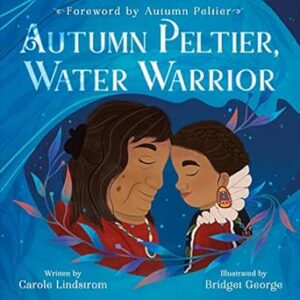
Autumn Peltier, Water Warrior by Carole Lindstrom, illustrated by Bridget George (19 September 2023)

OPB Five-​Word Review: Tidal wave of change inspires.

Goodreads Reviews


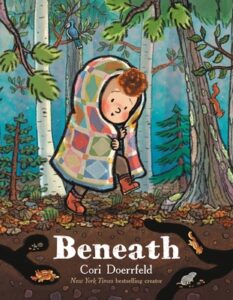
Beneath by Cori Doerrfeld (17 January 2023)

OPB Five-​Word Review: Hidden depths, revealed with love.

Goodreads Reviews


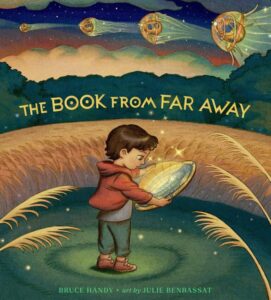
The Book from Far Away by Bruce Handy, illustrated by Julie Benbassat (15 August 2023)

OPB Five-​Word Review: Wordless wonder: cosmic book connection.

Goodreads Reviews


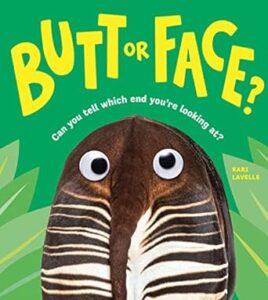
Butt or Face? by Kari Lavelle (11 July 2023)

OPB Five-​Word Review: Guessing game with cheeky charm.

Goodreads Reviews


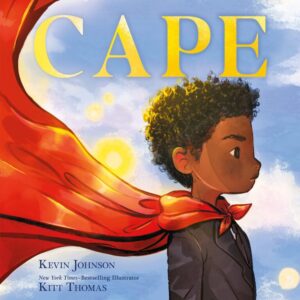
Cape by Kevin Johnson, illustrated by Kitt Thomas (20 June 2023)

OPB Five-​Word Review: Grief, memories, and hope entwined.

Goodreads Reviews


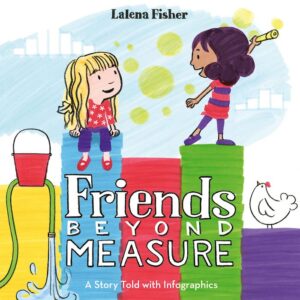
Friends Beyond Measure by Lalena Fisher (28 February 2023)

OPB Five-​Word Review: Friendship visualized through graphic design.

Goodreads Reviews


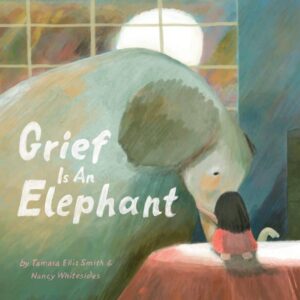
Grief Is an Elephant by Tamara Ellis Smith, illustrated by Nancy Whitesides (23 October 2023)

OPB Five-​Word Review: Metaphorical, empathetic exploration of grief.

Goodreads Reviews


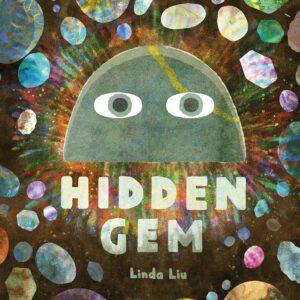
Hidden Gem by Linda Liu (11 July 2023)

OPB Five-​Word Review: Rock’s reflections, profound self-​acceptance lesson.

Goodreads Reviews


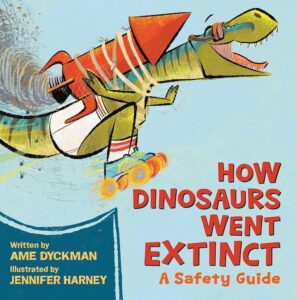
How Dinosaurs Went Extinct: A Safety Guide by Ame Dyckman, illustrated by Jennifer Harney (18 April 2023)

OPB Five-​Word Review: “Safety Guide,” dino style. UpROARious!

Goodreads Reviews


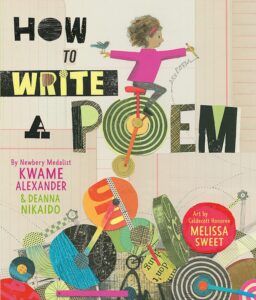
How to Write a Poem, by Kwame Alexander and Deanna Nikaido, illustrated by Melissa Sweet (4 April 2023)

OPB Five-​Word Review: Poetry’s dance in everyday moments.

Goodreads Reviews


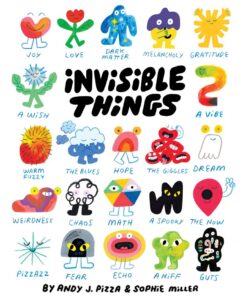
Invisible Things by Andy J. Pizza, illustrated by Sophie Miller (18 July 2023)

OPB Five-​Word Review: Unveiling life’s unseen wonders…poetically.

Goodreads Reviews


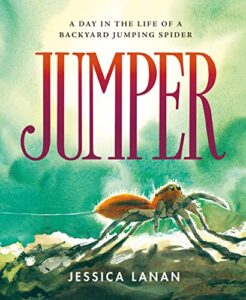
Jumper: A Day in the Life of a Backyard Jumping Spider by Jessica Lanan (11 April 2023)

OPB Five-​Word Review: Arachnid adventure–jumping into action.

Goodreads Reviews


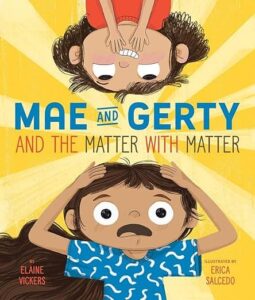
Mae and Gerty and the Matter with Matter by Elaine Vickers, illustrated by Erica Salcedo (17 October 2023)

OPB Five-​Word Review: Sibling scientists bond through chemistry.

Goodreads Reviews


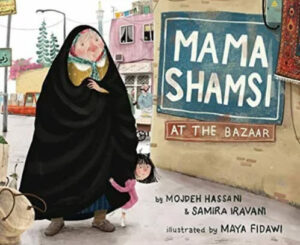
Mama Shamsi at the Bazaar by Mojdeh Hassani and Samira Iravani, illustrated by Maya Fidwai (19 July 202)

OPB Five-​Word Review: Under chador, a world unfolds.


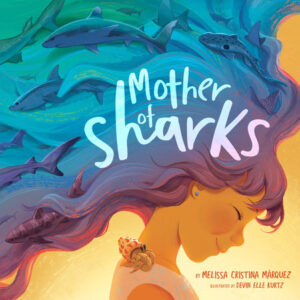
Mother of Sharks by Melissa Cristina Márquez, illustrated by Devin Elle Kurtz (30 May 2023)

OPB Five-​Word Review: Shark magic fuels STEAM dreams.


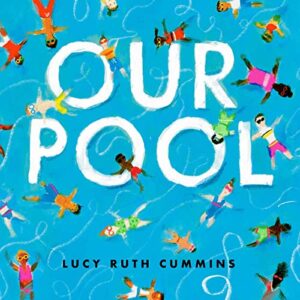
Our Pool by Lucy Ruth Cummins (13 June 2023)

OPB Five-​Word Review: City pool: splashtastic summer delight.

Goodreads Reviews


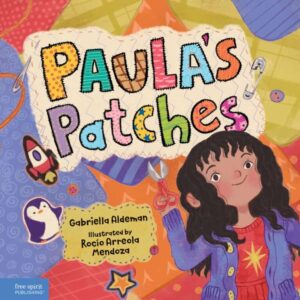
Paula’s Patches by Gabriella Aldeman, illustrated by Rocío Arreola Mendoza (11 July 2023)

OPB Five-​Word Review: Heartwarming tale of mending friendships.

Goodreads Reviews


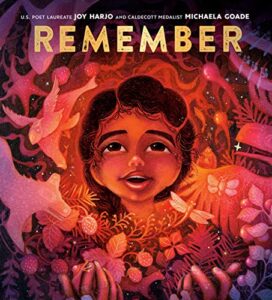
Remember by Joy Harjo, illustrated by Michaela Goade (21 March 2023)

OPB Five-​Word Review: Nature’s wisdom in poetic embrace.

Goodreads Reviews


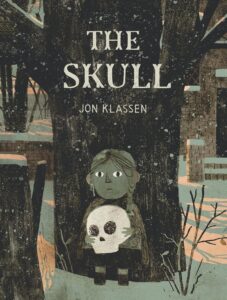
The Skull by Jon Klassen (11 July 2023)

OPB Five-​Word Review: Cozy chills: eerie, tender, captivating.

Goodreads Reviews


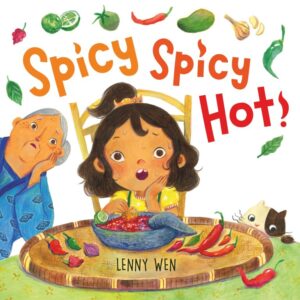
Spicy Spicy Hot! by Lenny Wen (19 July 2022)

OPB Five-​Word Review: Cultural connection through fiery sambal.

Goodreads Reviews


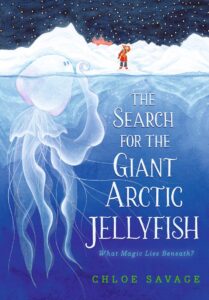
The Search for the Giant Arctic Jellyfish by Chloe Savage (5 October 2023)

OPB Five-​Word Review: Enchanting storytelling reveals hidden marvel.

Goodreads Reviews


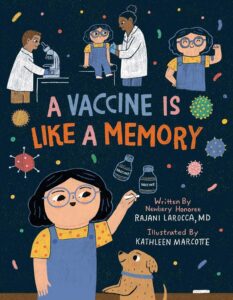
A Vaccine Is Like a Memory by Rajani LaRocca, illustrated by Kathleen Marcotte (20 June 2023)

OPB Five-​Word Review: Inoculating minds with vaccine knowledge.

Goodreads Reviews


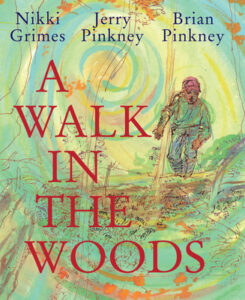
A Walk in the Woods by Nikki Grimes, illustrated by Jerry Pinkney and Brian Pinkney (12 September 2023)

OPB Five-​Word Review: Grief’s path leads to treasure.

Goodreads Reviews


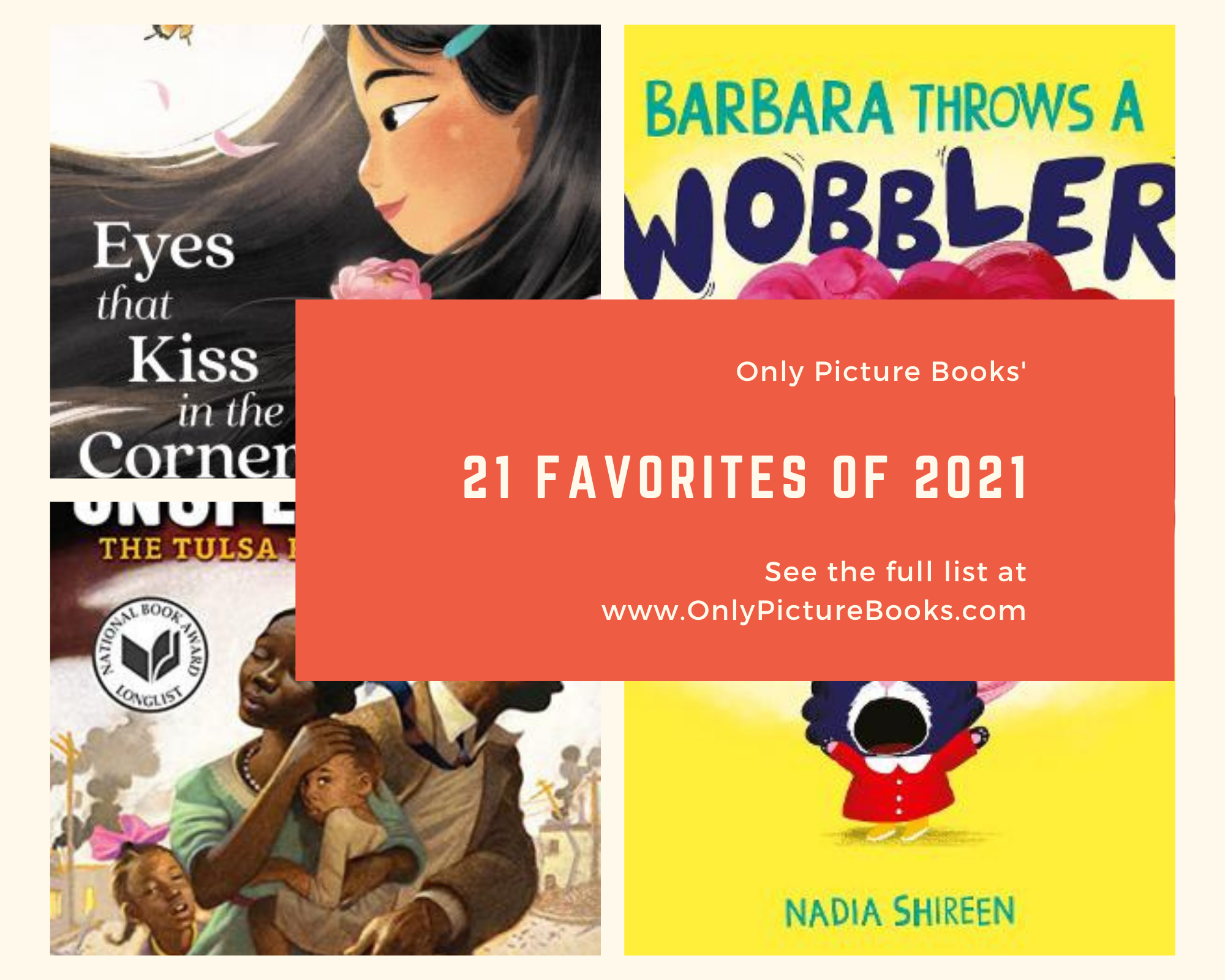
Only Picture Books’ 21 Favorites of 2021

Okay, 2021 wasn’t a ton better than 2020 for many folks, though we had lots of high points in the picture book world that helped us through it all.

So, without further ado, here are 21 picture books that delighted OPB enough to include in this year-​end roundup of our favorites. (If we missed anything awesome–quite possibly the case–please share your own faves in the comments. We LOVE to hear what books really work for you, and why!)


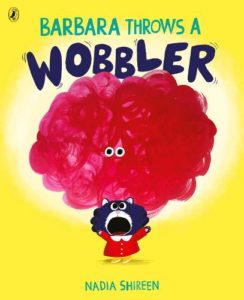
Barbara Throws a Wobbler by Nadia Shireen (1 June 2021)

An excellent book about feelings with lovely illustrations and more than enough humor to make kids want to hear it again. Did I mention how good the art is?

Read the Kirkus review for it here.


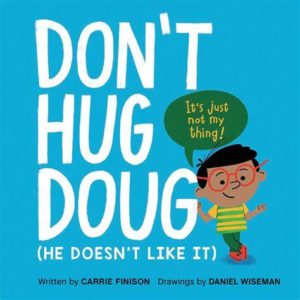
Don’t Hug Doug (He Doesn’t Like It) by Carrie Finison, illustrated by Daniel Wiseman (26 January 2021)

Doug just doesn’t like hugs and that’s perfectly okay. This is a very good book to help spark discussions about boundaries, though it has humor and fun too–it’s not just a message book.

Read the Children’s Books Heal review for it here.


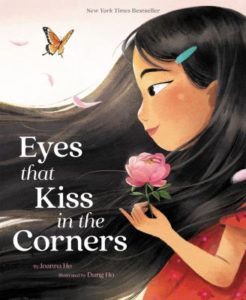
Eyes That Kiss in the Corners by Joanna Ho, illustrated by Dung Ho (5 January 2021)

This lyrical tale show a young Asian girl learning about the beauty of her eyes and her heritage. The art is a knockout, too.

Read the Kirkus review for it here.


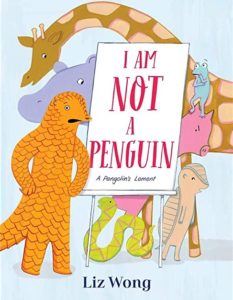
I Am Not a Penguin: A Pangolin’s Lament by Liz Wong (19 January 2021)

It’s exactly what you think from looking at that cover–a pangolin is having an identity crisis. Even if I weren’t so partial to penguins and pangolins, this is a fun informational picture book told mostly with word balloons.

Read the YA Books Central review for it here.


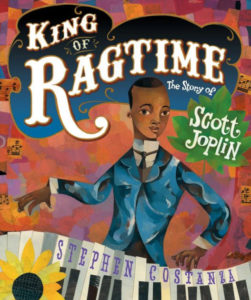
King of Ragtime: The Story of Scott Joplin by Stephen Costanza (24 August 2021)

This lovely nonfiction picture book biography tells how Scott Joplin became one of America’s greatest musical pioneers. The writing is full of rhythm, but the art steals the show.

Read the OPB review for it here.


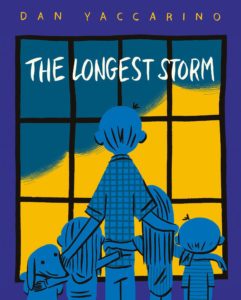
The Longest Storm by Dan Yaccarino (21 August 2021)

This is the powerful story of how a family–three kids, a parent, and a pet–weather a crisis together at home. It’s reassuring to see how they handle their unwanted confinement. The art feels old school in all the right ways, which adds a real sense of mood throughout.

Read the Kirkus review for it here.


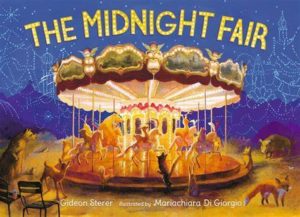
The Midnight Fair by Gideon Sterer, illustrated by Mariachiara Di Giorgio (2 February 2021)

Each year, there’s one or two wordless books that earn their way onto the OPB favorite list, and this beautiful book deserves it. It reveals all the magic that happens at night when a fair is closed. Wonderfully so.

Read The Portland Book Review review for it here.


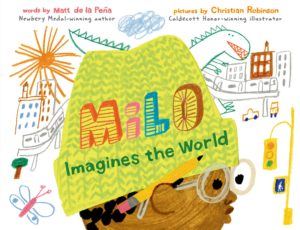
Milo Imagines the World by Matt de la Peña, illustrated by Christopher Robinson (2 February 2021)

During a long subway ride with an older sibling, Milo’s imagination is hard at work. “Maybe you can’t really know anyone just by looking at their face,” Milo thinks, and he’s totally right. This book is lovely and has a well-​earned emotional punch at the end.

Read The Horn Book review for it here.


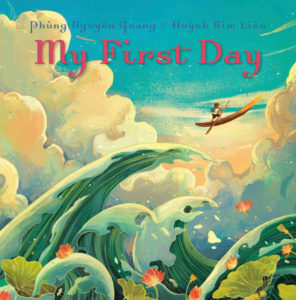
My First Day by Phùng Nguyên Quang and Huy’nh Kim Liên (16 February 2021)

A young Vietnamese boy heads out in a wooden boat with a backpack and an oar–it’s his first time making this trip, he admits. He navigates the Mekong River all on his own, and the wonders of nature are everywhere. Where is he heading? To another first, of course.

Read the Kirkus review for it here.


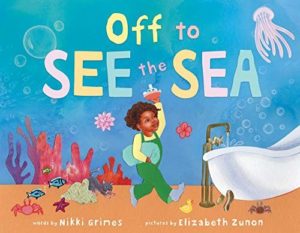
Off to See the Sea by Nikki Grimes, illustrated by Elizabeth Zunon (12 January 2021)

Bathtime is an ocean of fun when you bring your imagination with you. The story is purposefully simple but very effective.

Read the Publisher’s Weekly review for it here.


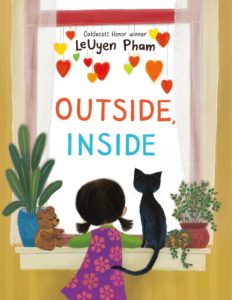
Outside, Inside by LeUyen Pham (5 January 2021)

This timely book beautifully showcases life during the pandemic. It’s deep and empathetic in all the right ways, and it shows some of the bravery and sacrifices that were made. Lovely art makes this a must-have.

Read the OPB review for it here.


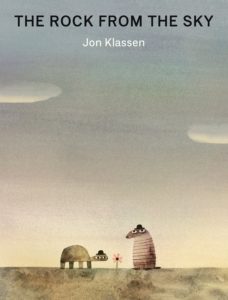
The Rock from the Sky by Jon Klassen (21 April 2021)

A hat-​wearing turtle has his day ruined when a rock falls from the sky right onto his favorite spot.  He’s stubborn, so he’s going to make it work somehow. His critter friends aren’t much help, though.

It’s a big book–really five books in one. But it’s dark, brooding, and has lots of deadpan fun.

Read the The Wall Street Journal review for it here.


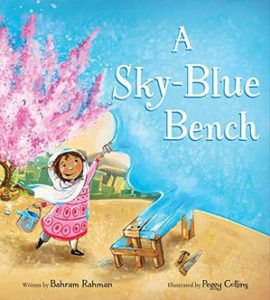
A Sky-​Blue Bench by Bahram Rahman, illustrated by Peggy Collins (30 November 2021)

The hardships of living in a war-​torn country are made clear when Aria returns to school after an accident–her body isn’t the same. She’s worried about having somewhere to sit, though all the benches have been used for kindling during wartime. A touching Author’s Note completes this fine book.

Read the Seattle Book Review review for it here.


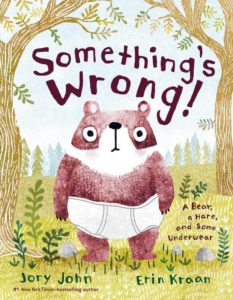
Something’s Wrong!: A Bear, a Hare, and Some Underwear by Jory John, illustrated by Erin Kraan (23 March 2021)

A bear remembers to do everything before leaving the house…except take off those embarrassing tighty whities. Hilarity ensues in typical Jory John fashion.

Read The Novel Hermit review for it here.


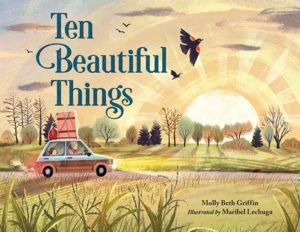
Ten Beautiful Things by Molly Beth Griffin, illustrated by Maribel Lechuga (12 January 2021)

During the long ride to their new home, Gran asks Lily to find ten beautiful things to pass the time. Lily isn’t into this plan, but soon learns to see beauty in unexpected places.

Read the OPB review for it here.


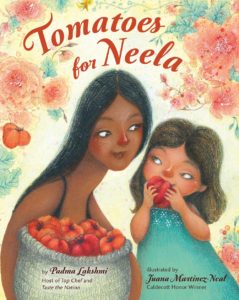
Tomatoes for Neela by Padma Lakshmi, illustrated by Juana Martinez-​Neal (31 August 2021)

In this story, food forms a very special bond between generations. You even get tomato facts as a bonus!

Read the Kirkus review for it here.


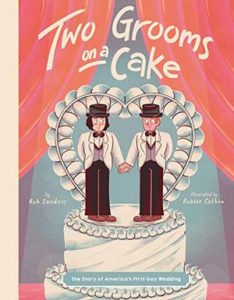
Two Grooms on a Cake: The Story of America’s First Gay Wedding by Rob Sanders, illustrated by Robbie Cathro (4 May 2021)

This heartwarming book shares the struggle for the first same-​sex couple to be legally married in America. The cake-​making throughline is sweet and delightful.

Read the Mombian review for it here.


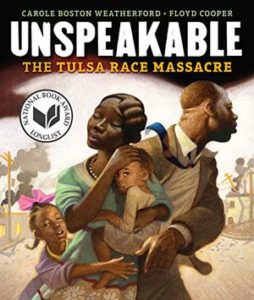
Unspeakable: The Tulsa Race Massacre by Carole Boston Weatherford, illustrated by Floyd Cooper (1 February 2021)

This powerful book reveals the story of how a 1921 incident with a white female elevator operator and a Black shoeshiner launched one of the worst racial battles in American history. Cooper’s art vividly brings this moment to life.

Read the Kirkus review for it here.

**Since we lost Floyd Cooper in 2021, you might want to check out the OPB interview with him. He’s amazing.**


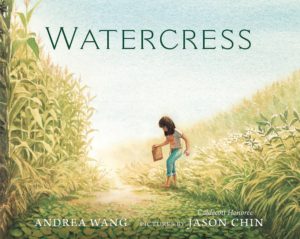
Watercress by Andrea Wang, illustrated by Jason Chin (30 March 2021)

A touching autobiographical story about how a child of immigrants learns about her family and heritage. Note the wonderful Chinese-​inspired art by Justin Chin!

Read the Long and Short Reviews review for it here.


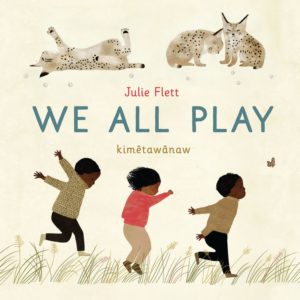
We All Play by Julie Flett (25 May 2021)

A tender book by Cree-​Métis artist Julie Flett that reveals how animals play just as we all do.

Read the Publisher’s Weekly review for it here.


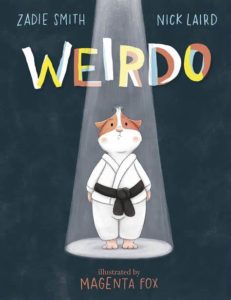
Weirdo by Zadie Smith and Nick Laird, illustrated by Magenta Fox (15 April 2021)

It’s a judo-​loving guinea pig. What more do you need to know than that?

Read the More About Books review for it here.